
Discover Tanzania local foods with Kili2sere Adventure. Taste authentic dishes on your 2026 safari. Book your culinary journey today!.
Tanzania Local Foods: The Ultimate Culinary Experience with Kili2sere Adventure
What Are the Must-Try Tanzania Local Foods for Travelers?
Tanzania local foods are more than just meals—they are stories served on a plate. If you’re planning a safari, trekking adventure, beach holiday, or cultural tour, one of your biggest questions might be: “What will I eat in Tanzania, and will it be authentic?”
The answer is simple: you will eat fresh, flavorful, culturally rich dishes that reflect centuries of tradition, trade, and community life.
At Kili2sere Adventure, we understand that food is a powerful gateway into culture. Whether you’re exploring the plains of the Serengeti National Park, standing at the base of Mount Kilimanjaro, or relaxing on the beaches of Zanzibar, your experience becomes richer when you taste what locals eat daily.
Tanzanian cuisine blends African, Arab, and Indian influences. It is built on fresh ingredients like maize, rice, beans, coconut, plantains, and spices. The meals are hearty, nutritious, and deeply communal. Sharing food here means building relationships.
In this guide, you’ll discover:
-
The most popular Tanzania local foods
-
Regional variations across the country
-
Cultural meanings behind traditional dishes
-
Where and how to experience authentic meals
-
Practical tips for travelers
-
FAQs about Tanzanian cuisine
If you want your journey to Tanzania to be unforgettable—not just scenic but flavorful—this guide is your trusted starting point.
Why Tanzania Local Foods Are a Must-Try Cultural Experience
Food in Tanzania is not fast-paced; it is intentional. Meals are often shared with family, neighbors, and guests. Hospitality is central to Tanzanian identity.
When you travel with Kili2sere Adventure, we encourage you to:
-
Visit local markets
-
Dine at family-run restaurants
-
Try village-style cooking
-
Learn how certain dishes are prepared
According to the official Tanzania tourism portal at Tanzania Tourist Board, culinary tourism is becoming one of the fastest-growing experiences among visitors. You can explore more about national attractions and culture on their website:
Now, let’s explore the heart of Tanzanian cuisine.
12 Must-Try Tanzania Local Foods in 2026
1. Ugali – Tanzania’s Staple Food
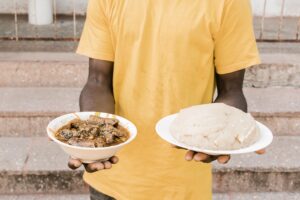
Ugali is the backbone of Tanzanian meals. Made from maize flour and water, it has a firm texture and is served with:
-
Sukuma wiki (collard greens)
-
Grilled meat
-
Beans
-
Fish stew
Ugali is eaten by hand and dipped into sauce. It represents unity and sustenance.
2. Nyama Choma – The Social Grill
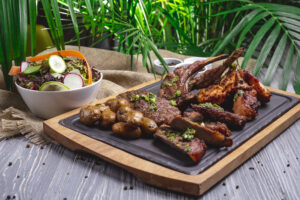
Nyama choma means “grilled meat.” It is often goat or beef roasted over charcoal.
This dish is popular in cities like Arusha and Dar es Salaam, especially during weekends.
It is served with:
-
Kachumbari (tomato-onion salad)
-
Chipsi (fries)
-
Local banana beer
Nyama choma is not just food—it’s a social event.
3. Pilau – A Spiced Celebration Dish
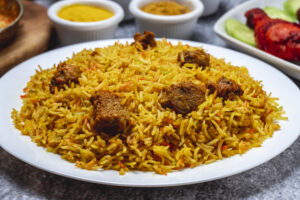
Pilau rice is rich with spices like:
-
Cardamom
-
Cinnamon
-
Cloves
-
Black pepper
You’ll find the best pilau along the Swahili coast, especially in Zanzibar. For deeper insights into Swahili food heritage, you can read cultural resources from UNESCO here:
Pilau is commonly prepared for weddings and religious celebrations.
4. Wali wa Nazi – Coconut Rice
This dish is cooked in coconut milk, giving it a creamy texture. It pairs perfectly with:
-
Fish curry
-
Bean stew
-
Vegetable sauces
Coastal regions specialize in coconut-based dishes.
5. Mshikaki – Street-Style Skewers
Marinated beef skewers grilled over open flame. Popular in evening street markets.
It’s flavorful, affordable, and safe when purchased from reputable vendors.
6. Chapati – Indian Influence with Tanzanian Identity
Soft, layered flatbread introduced through trade routes. Chapati is commonly eaten for breakfast or alongside beans.
7. Chipsi Mayai – The Tanzanian Omelette
A street favorite made from:
-
French fries
-
Eggs
-
Onions
-
Peppers
It’s filling and budget-friendly.
8. Ndizi Nyama – Banana and Meat Stew
Green bananas cooked with beef and spices. A signature dish among the Chagga people near Mount Kilimanjaro.
9. Samaki wa Kupaka – Coconut Fish
Fresh fish coated in coconut sauce. Best enjoyed in Zanzibar’s coastal towns.
10. Makande – Corn and Beans Mix
A nutritious dish combining maize and beans. Popular in rural communities.
11. Mandazi – Tanzanian Doughnuts
Slightly sweet, triangular fried bread. Often served with tea.
12. Zanzibar Pizza – A Unique Street Creation
Despite its name, it’s not Italian pizza. It’s a stuffed, folded crepe filled with meat, vegetables, and egg.
Regional Differences in Tanzania Local Foods
Mainland vs Coastal Cuisine
Mainland
-
Heavy on maize and beans
-
Grilled meats
-
Banana stews
Coastal (Swahili Influence)
-
Coconut-based sauces
-
Spiced rice dishes
-
Seafood
Zanzibar food reflects centuries of trade between Africa, Arabia, and India.
Where to Experience Authentic Tanzania Local Foods
With Kili2sere Adventure, we design food-inclusive itineraries that allow you to:
-
Visit local homes
-
Explore food markets
-
Join cooking demonstrations
-
Eat at trusted local restaurants
We prioritize hygiene, authenticity, and meaningful interaction.
Practical Tips for Travelers
Is Tanzanian Food Safe?
Yes—when eaten at recommended places. We guide clients to reliable dining spots.
Is It Spicy?
Generally mild. You can add pili pili (chili) if desired.
Vegetarian Options?
Plenty:
-
Beans
-
Rice
-
Vegetables
-
Chapati
-
Coconut-based dishes
Dietary Restrictions?
Inform us in advance. Tanzanian hospitality adapts easily.
Why Choose Kili2sere Adventure for a Culinary Safari?
We combine:
-
Certified local guides
-
Cultural immersion
-
Food safety standards
-
Sustainable tourism practices
-
Personalized itineraries
We believe tourism should benefit local communities. By promoting Tanzania local foods, we support small vendors, farmers, and family kitchens.
Frequently Asked Questions (FAQs) About Tanzania Local Foods
1. What is the most popular Tanzania local food?
Ugali is the national staple. It is eaten daily across the country and served with various accompaniments.
2. Can tourists try street food safely?
Yes, when guided by professionals. Kili2sere Adventure recommends vetted vendors in cities like Arusha and Zanzibar.
3. Are Tanzania local foods vegetarian-friendly?
Absolutely. Many traditional dishes use beans, rice, plantains, vegetables, and coconut milk.
4. What food is unique to Zanzibar?
Zanzibar is famous for:
-
Pilau
-
Coconut fish
-
Zanzibar pizza
-
Spiced seafood
5. Do lodges serve local dishes?
Most safari lodges serve international cuisine but can prepare local meals upon request.
6. Is Tanzanian food similar to Kenyan food?
There are similarities, especially in ugali and nyama choma, but coastal Tanzania has stronger Swahili spice influences.
7. What drinks pair well with Tanzania local foods?
Popular options include:
-
Fresh fruit juice
-
Spiced tea
-
Local coffee
-
Banana beer
Conclusion: Taste Tanzania Beyond the Safari
Exploring Tanzania local foods transforms your trip from ordinary sightseeing into a complete cultural immersion. From the smoky aroma of nyama choma in Arusha to the spiced richness of pilau in Zanzibar, every bite tells a story of heritage, trade, and community.
At Kili2sere Adventure, we don’t just organize safaris—we curate experiences. Food connects you with farmers, market vendors, families, and traditions that have existed for generations. It deepens your understanding of Tanzania far beyond wildlife and landscapes.
If you’re planning your 2026 adventure, make sure your itinerary includes authentic culinary moments. Let us guide you through the flavors that define this incredible country.
Ready to taste Tanzania?
Contact Kili2sere Adventure today and start planning your unforgettable culinary safari experience.