Introduction: Choosing the Best Month to Climb Mount Kilimanjaro
Standing at 5,895 metres above sea level, Mount Kilimanjaro is Africa’s highest mountain and one of Tanzania’s most remarkable adventure destinations. Reaching Uhuru Peak is a memorable achievement, but a successful trek begins long before you arrive at the mountain. Choosing the right travel period helps you prepare for the weather, select a suitable route and make the most of your time in Tanzania.
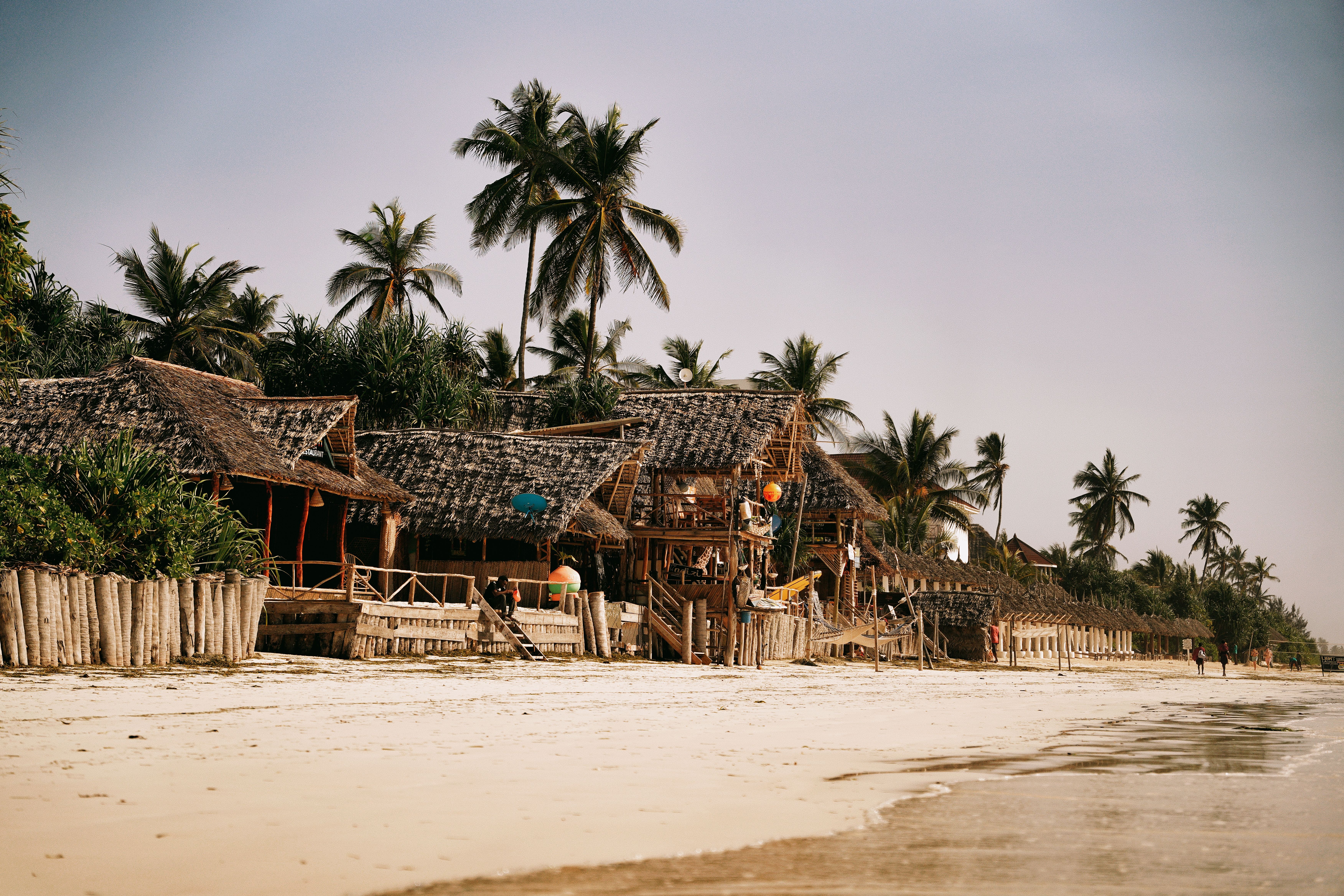
One of the most common questions travellers ask is: what is the best month to climb Mount Kilimanjaro? There is no single answer for everyone. Some trekkers prioritise relatively dry trails and clearer mountain views. Others prefer fewer people on the route, flexible travel dates or an itinerary that combines trekking with a wildlife safari or a Zanzibar beach holiday.
Kilimanjaro has its own mountain climate. Conditions can change between the rainforest, moorland, alpine desert and the high summit zone. A sunny morning at the lower slopes does not mean the summit will be warm or cloud-free. Good equipment, a sensible itinerary, an experienced guiding team and enough time for acclimatisation remain important whatever month you choose.

Tanzania offers dramatic landscapes and rewarding outdoor experiences throughout the year.
Understanding Kilimanjaro’s Climbing Seasons
Tanzania experiences changing rainfall patterns throughout the year. On Kilimanjaro, these seasonal changes influence the condition of the trails, cloud cover, visibility, and the amount of rain trekkers may encounter. The mountain can be climbed in different months, but some periods are generally more popular because they tend to provide more favourable trekking conditions.
1. The January to February climbing window
January and February are commonly recommended months for climbers looking for a trekking opportunity during the early part of the year. Conditions can be relatively dry, and the mountain may offer rewarding views when the weather cooperates. These months can suit travellers who want to start the year with a major adventure.
Temperatures still fall significantly as you gain altitude. Even when the weather feels warm near the park gates, the upper mountain can be extremely cold, especially during the summit attempt. Bring suitable layers, waterproof protection and properly fitted hiking footwear.
2. The June to October climbing window
June through October is the main dry-season period that attracts many Kilimanjaro trekkers. Trails are often drier than during the long rains, and clear intervals can provide excellent views of the mountain. July, August and September are particularly popular, so travellers planning to climb during these months should organise their trip early.
September is an appealing option for many visitors because it sits within the established dry-season window. October can also be suitable, although the possibility of changing weather increases later in the month. Actual conditions vary from year to year.
3. What about the rainy months?
March to May is generally associated with the long rains, while shorter rains commonly occur around November and sometimes extend into the surrounding weeks. Rain can make paths muddy, reduce visibility and create a more demanding camping experience.
Quieter trails may appeal to experienced, well-prepared travellers, but fewer people on the mountain does not mean the climb is easier. If you are considering a trek during a wetter period, discuss the forecast, route, equipment and practical risks with your operator before confirming your plans.
Best Month to Climb Mount Kilimanjaro: Month-by-Month Guide
Every month offers a different balance of weather, visitor numbers and travel considerations. Use the following guide as a general starting point, not a promise of specific mountain conditions.
January
Often a good choice for trekkers seeking a start-of-year adventure. Conditions can be favourable, but summit weather remains unpredictable.
February
Another commonly recommended month, with opportunities for clearer views and rewarding trekking conditions when the weather is settled.
March
Conditions may change as the long rains approach. Early-month weather can differ from later weeks, so build flexibility into your plans.
April
Rain, mud and cloud can make trekking more challenging. Consider the additional preparation required before booking.
May
Often part of the wetter period. Trail conditions and visibility can be difficult, and suitable waterproof gear is particularly important.
June
A transition into the main dry-season window. It can be a useful month for travellers looking to climb before the busiest mid-year period.
July
Popular for relatively dry conditions and mountain views. Book early if your dates are fixed, and prepare for cold nights at altitude.
August
A busy climbing month that attracts international visitors. Advance planning is helpful for routes, accommodation and connecting travel arrangements.
September
Often a strong option within the dry season. It can suit trekkers looking for established climbing-season conditions, though crowds remain possible.
October
Early October can offer favourable trekking conditions. Later in the month, the chance of rain may increase, so remain prepared for changing weather.
November
Short rains can bring cloud and wet trails. Some travellers appreciate a quieter atmosphere, but conditions are less predictable.
December
Conditions vary, and visitor numbers can rise around the festive holidays. Confirm dates and allow time for proper preparation before your trek.
Which Month Is Best for Weather, Views and Fewer Crowds?
The ideal month depends on what matters most to you. If your priority is choosing a commonly recommended dry-season period, consider January, February or the June-to-October window. If you have fixed holiday dates, focus on building a sensible itinerary instead of relying on one month to guarantee a result.
| Your priority | Months to consider | What to know |
|---|---|---|
| Commonly recommended dry-season periods | January–February; June–October | Often preferred for trekking, but rainfall is still possible. |
| Popular mid-year climbing season | July–September | Plan early because popular routes and accommodation can be busy. |
| Start-of-year adventure | January–February | Good months to explore for a new-year itinerary, subject to weather. |
| Potentially quieter, wetter period | April–May; November | Expect greater weather uncertainty, possible mud and reduced visibility. |
| Flexible travel dates | Compare several weeks | Balance forecast, route, available days and your personal travel plans. |
How Your Route Affects the Climbing Experience
Choosing the right month is only one part of planning a Kilimanjaro trek. The route also influences the landscapes you experience, the length of the journey, the daily walking schedule and how much time you have to adjust to altitude.

Lemosho Route
Known for scenic landscapes and itineraries that can provide useful time for acclimatisation. The number of days depends on the specific itinerary.

Machame Route
A scenic and popular option with varied terrain. Review the itinerary carefully and choose enough days to support gradual acclimatisation.

Rongai Route
Approaches the mountain from the north. Ask your guide whether its route profile and planned duration suit your travel dates and trekking experience.

Northern Circuit
A longer itinerary option that can offer additional time on the mountain. Compare the available schedule, budget and acclimatisation profile before choosing.
No route eliminates altitude-related risk. Discuss the number of trekking days, acclimatisation strategy and emergency procedures with your operator. A longer, appropriately planned itinerary is often preferable to rushing toward the summit.
What Should You Pack for Kilimanjaro?
Temperatures vary substantially as you ascend. You may begin in relatively warm conditions and later encounter cold wind, rain or freezing temperatures near the summit. Prepare for more than one type of weather, even if you plan to climb during a commonly recommended season.
- Waterproof jacket and trousers suitable for mountain trekking.
- Thermal base layers, insulating mid-layers and a warm outer jacket.
- Comfortable, broken-in hiking boots and suitable hiking socks.
- Warm gloves, a hat, a sun hat and UV-protective sunglasses.
- A headlamp, personal water system and a suitable daypack.
- Sun protection, personal medication and essential toiletries.
- Waterproof bags to help protect spare clothing and important items.
Your final packing list should reflect the route, the season and your operator's equipment arrangements. Ask for a current list before departure rather than buying every item without checking what is already provided.
Altitude, Acclimatisation and Responsible Trekking
Kilimanjaro is a high-altitude mountain. Being physically active does not guarantee that your body will adjust easily to the reduced oxygen available at elevation. Headaches, nausea, dizziness and unusual fatigue can be signs of altitude illness. Tell your guide promptly if you feel unwell, and follow the guiding team's safety instructions.
A well-planned climb should allow time for gradual ascent and acclimatisation. Avoid choosing an itinerary based on price or speed alone. Your guide should explain the daily plan, how the team monitors your wellbeing and what happens if someone needs to descend.
Respect the mountain and the people who make your journey possible. Follow park rules, carry waste responsibly, listen to your guides and treat porters and mountain staff with respect. Responsible travel supports a safer and more positive experience for everyone involved.
Can You Combine Kilimanjaro with a Tanzania Safari?
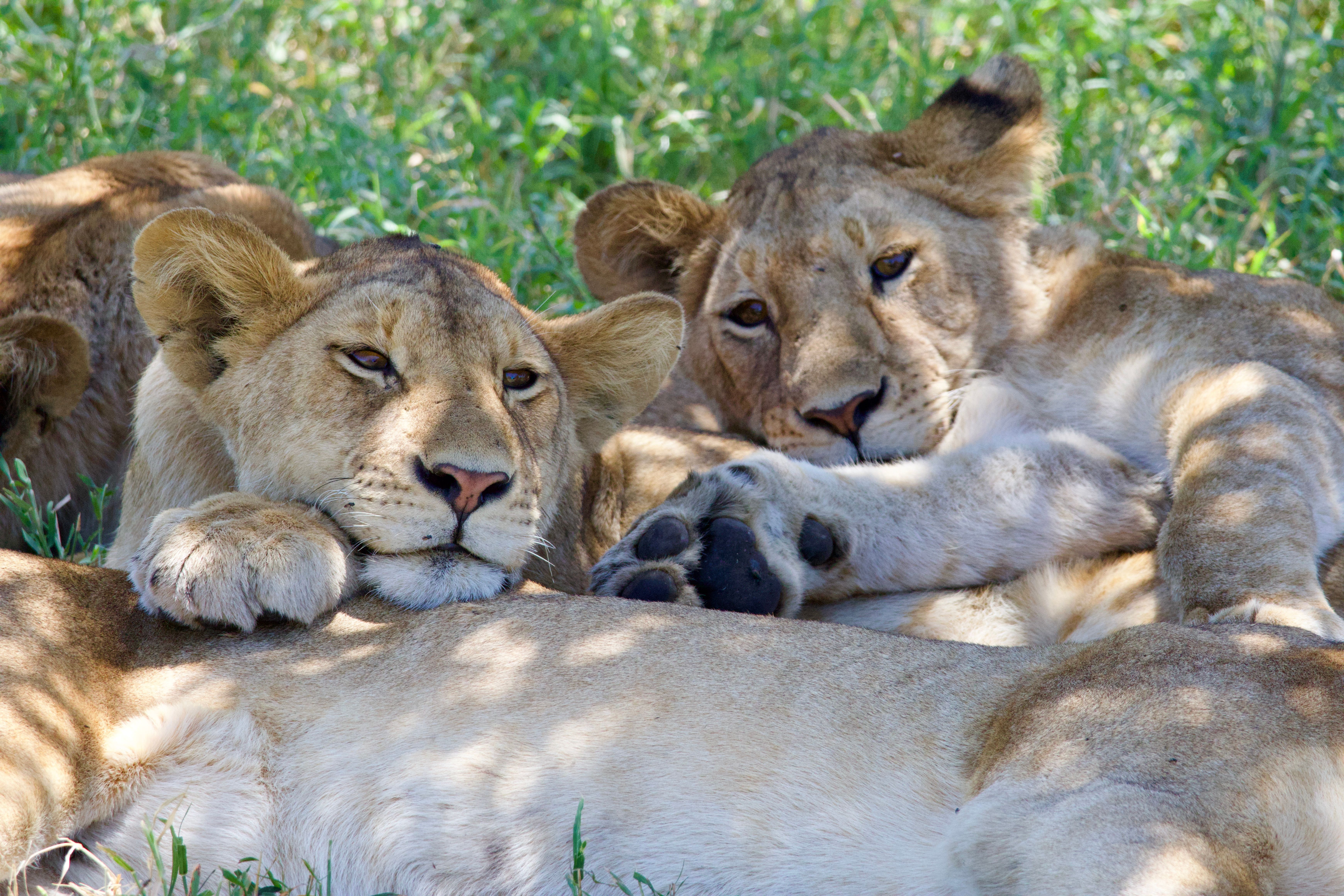
Yes. Many travellers choose to combine a mountain trek with a wildlife safari in northern Tanzania. After the climb, you could explore destinations such as Tarangire National Park, the Ngorongoro Conservation Area or Serengeti National Park, depending on the time available and the experience you want.
A safari can be planned before or after your climb, but allow sufficient rest and travel time. Kilimanjaro is physically demanding, so avoid filling every day with activities without considering recovery. The best itinerary is one that balances your interests, schedule, budget and comfort.
Final Thoughts: Choosing Your Best Month
The best month to climb Mount Kilimanjaro is the month that aligns with your priorities and allows you to prepare properly. January and February are popular options early in the year, while June through October forms the main dry-season window for many trekkers. July to September can be busy, and wetter months require extra flexibility and preparation.
At Kili2Sere Adventure, your travel plan should start with your preferred dates, the number of days you have, your chosen route and the wider Tanzania experience you would like to enjoy. Once these details are clear, it becomes easier to plan a realistic climb and decide whether to add a safari or Zanzibar holiday.
Ready to start planning? Explore our packages or contact our team to discuss a personalised Tanzania adventure.