Planning a trip to Tanzania? Learn how to plan a trip in Tanzania with expert tips on safaris, Kilimanjaro, Zanzibar, costs, visas, and the best travel itinerary.
Planning a vacation in Tanzania is one of the most exciting experiences for anyone who dreams of African wildlife, breathtaking mountains, pristine beaches, and unforgettable cultural encounters. However, a successful adventure requires more than simply booking a flight. Knowing how to plan a trip in Tanzania helps you save money, avoid common travel mistakes, choose the best destinations, and create an itinerary that matches your interests and budget.
Tanzania is home to some of Africa’s most iconic attractions. From witnessing the Great Migration in Serengeti National Park to climbing Mount Kilimanjaro, relaxing on Zanzibar’s white-sand beaches, or exploring the unique ecosystem of the Ngorongoro Conservation Area, every traveler can find an unforgettable experience. Because these destinations are spread across different regions, proper planning becomes essential.
Whether you’re traveling for your honeymoon, a family vacation, a luxury safari, an adventure holiday, or a photography expedition, understanding how to plan a trip in Tanzania will help you maximize every day of your journey.
Many first-time visitors wonder:
- When is the best time to visit Tanzania?
- How much does a Tanzania safari cost?
- Should I book independently or with a local tour operator?
- How many days do I need?
- Which national parks should I prioritize?
- Is Tanzania safe for international tourists?
This comprehensive guide answers all these questions while providing expert recommendations from local travel specialists who understand Tanzania better than anyone else.
Working with an experienced local operator like Kili2Sere Adventure also gives travelers access to personalized itineraries, knowledgeable safari guides, reliable logistics, and authentic experiences that are often unavailable through international booking platforms. Their local expertise allows visitors to discover hidden gems while ensuring smooth transportation, comfortable accommodations, and excellent customer service throughout the journey.
By the end of this guide, you’ll have a clear roadmap for planning an unforgettable Tanzania adventure with confidence.
Why Tanzania Should Be Your Next Travel Destination

Before learning how to plan a trip in Tanzania, it’s worth understanding why millions of travelers choose this East African destination every year.
Tanzania offers an extraordinary combination of wildlife, landscapes, culture, and adventure rarely found anywhere else in the world.
Some of the country’s most famous attractions include:
- The Serengeti National Park
- Mount Kilimanjaro
- Ngorongoro Crater
- Tarangire National Park
- Lake Manyara National Park
- Zanzibar Island
- Ruaha National Park
- Nyerere National Park
- Materuni Waterfalls
- Maasai cultural villages
Unlike destinations that specialize in only one experience, Tanzania allows visitors to combine multiple adventures into one seamless itinerary. You can spend several days on safari, hike Africa’s highest mountain, relax on tropical beaches, and immerse yourself in local traditions—all within a single trip.
This diversity makes Tanzania one of the world’s most rewarding travel destinations.
What Makes Tanzania Different from Other African Safari Destinations?
Many travelers compare Tanzania with Kenya, South Africa, Botswana, or Namibia before making their final decision.
Here are several reasons Tanzania consistently ranks among Africa’s top safari destinations.
| Feature | Tanzania | Many Other Safari Destinations |
|---|---|---|
| Great Migration | ✅ Home of the largest wildlife migration | Limited |
| Mount Kilimanjaro | ✅ Yes | No |
| Zanzibar Beaches | ✅ Yes | No |
| Big Five Safari | ✅ Excellent | Varies |
| UNESCO World Heritage Sites | Multiple | Fewer |
| Cultural Diversity | Very High | Moderate |
| Luxury & Budget Options | Excellent | Varies |
One of Tanzania’s biggest advantages is the opportunity to combine several world-famous destinations in a single itinerary without crossing international borders.
Understanding Your Travel Goals Before Planning
One of the biggest mistakes travelers make is booking destinations before deciding what type of experience they actually want.
Ask yourself these questions before making any reservations.
Are you looking for:
- A luxury safari?
- A budget-friendly adventure?
- A honeymoon?
- A family holiday?
- Wildlife photography?
- Bird watching?
- Mountain climbing?
- Beach relaxation?
- Cultural experiences?
- A combination of everything?
Your answers will influence nearly every aspect of your itinerary, including:
- Trip duration
- Budget
- Accommodation type
- Transportation
- National parks
- Travel season
- Activities
For example, a honeymoon itinerary will be very different from a wildlife photography expedition or a family vacation with children.
Why Planning Early Makes a Huge Difference
If you’re wondering how to plan a trip in Tanzania, timing is one of the most important factors.
Booking several months in advance offers many advantages.
Benefits include:
- Better accommodation availability
- Lower flight prices
- More safari vehicle options
- Greater flexibility
- Better guide availability
- Easier permit arrangements
- More itinerary customization
Luxury lodges inside Serengeti and Ngorongoro often become fully booked during peak migration seasons, making early planning especially important.
Travel experts generally recommend beginning your Tanzania planning process between six and twelve months before departure, particularly if you’re traveling during June through October or around the festive season.
Why Booking with a Local Tanzania Tour Operator Matters
While online travel platforms make it easy to compare prices, planning a complex Tanzania itinerary often requires local knowledge.
Experienced local operators understand:
- Seasonal wildlife movements
- Road conditions
- Park logistics
- Accommodation quality
- Weather patterns
- Local cultures
- Hidden attractions
- Permit requirements
Instead of relying on generic travel packages, local companies can tailor every detail of your journey according to your interests, travel style, and budget.
This personalized approach often results in better value and a smoother travel experience from arrival to departure.
Best Time to Visit Tanzania – A Seasonal Guide for Planning the Perfect Trip
One of the most important parts of learning how to plan a trip in Tanzania is choosing the right time to visit. Tanzania is a year-round destination, but every season offers a unique travel experience. Whether your goal is witnessing the Great Migration, climbing Mount Kilimanjaro, enjoying a luxury safari, or relaxing on Zanzibar’s pristine beaches, understanding the country’s climate will help you make informed decisions.
Many travelers mistakenly believe there is only one “best” time to visit Tanzania. In reality, the best travel period depends entirely on your interests, budget, and preferred activities. That’s why understanding how to plan a trip in Tanzania begins with matching your travel goals to the right season.
Tanzania’s Climate at a Glance
Tanzania enjoys a tropical climate with regional variations due to altitude and geography. The country experiences two rainy seasons and two dry seasons each year.
The main seasons include:
- Long Dry Season: June to October
- Short Rainy Season: November to December
- Short Dry Season: January to February
- Long Rainy Season: March to May
Knowing these seasons is essential when deciding how to plan a trip in Tanzania, especially if wildlife viewing or mountain climbing is your priority.
June to October: The Best Time for Safaris
For most international visitors, the dry season from June to October is considered the ideal period for planning a Tanzania safari.
During these months:
- Wildlife gathers around rivers and waterholes.
- Vegetation becomes thinner, making animals easier to spot.
- Roads remain in excellent condition.
- Temperatures are comfortable for outdoor activities.
- Mosquito populations are generally lower.
If you’re researching how to plan a trip in Tanzania specifically for wildlife, this is the season most travel experts recommend.
Popular parks during this period include:
- Serengeti National Park
- Ngorongoro Conservation Area
- Tarangire National Park
- Lake Manyara National Park
- Nyerere National Park
- Ruaha National Park
This is also one of the busiest travel periods, so booking accommodations and safari packages several months in advance is highly recommended.
January to February: A Hidden Gem for Travelers
Another excellent period for those learning how to plan a trip in Tanzania is January and February.
Although this season is less crowded than the peak dry season, it offers exceptional wildlife experiences, particularly in the southern Serengeti.
Highlights include:
- The wildebeest calving season.
- Predator activity at its highest.
- Pleasant weather.
- Beautiful green landscapes.
- Excellent opportunities for wildlife photography.
Travelers seeking a quieter safari with remarkable wildlife encounters often choose these months.
March to May: The Green Season
Many travelers avoid Tanzania during the long rainy season, but this period has its own unique advantages.
Benefits include:
- Lower accommodation prices.
- Fewer tourists.
- Lush green landscapes.
- Dramatic photography opportunities.
- Peaceful national parks.
Some remote roads may become difficult to access, but major safari destinations remain operational.
If you’re planning a flexible itinerary and want to reduce travel costs, the green season can be an excellent option.
Learning how to plan a trip in Tanzania means recognizing that lower prices don’t necessarily mean a lower-quality experience.
Best Time to Witness the Great Migration
The Great Migration is one of Africa’s most spectacular wildlife events, with over two million wildebeest, zebras, and gazelles moving across the Serengeti ecosystem.
The migration follows a natural cycle rather than fixed calendar dates, but the general pattern is:
| Months | Migration Location | Best Experience |
|---|---|---|
| January – March | Southern Serengeti | Calving season |
| April – May | Central Serengeti | Green landscapes |
| June – July | Western Corridor | River crossings begin |
| August – September | Northern Serengeti | Mara River crossings |
| October – November | Northern & Central Serengeti | Herd movement south |
| December | Southern Serengeti | Return to calving grounds |
If your primary goal is witnessing this incredible event, understanding how to plan a trip in Tanzania around the migration calendar is essential.
Best Time to Climb Mount Kilimanjaro
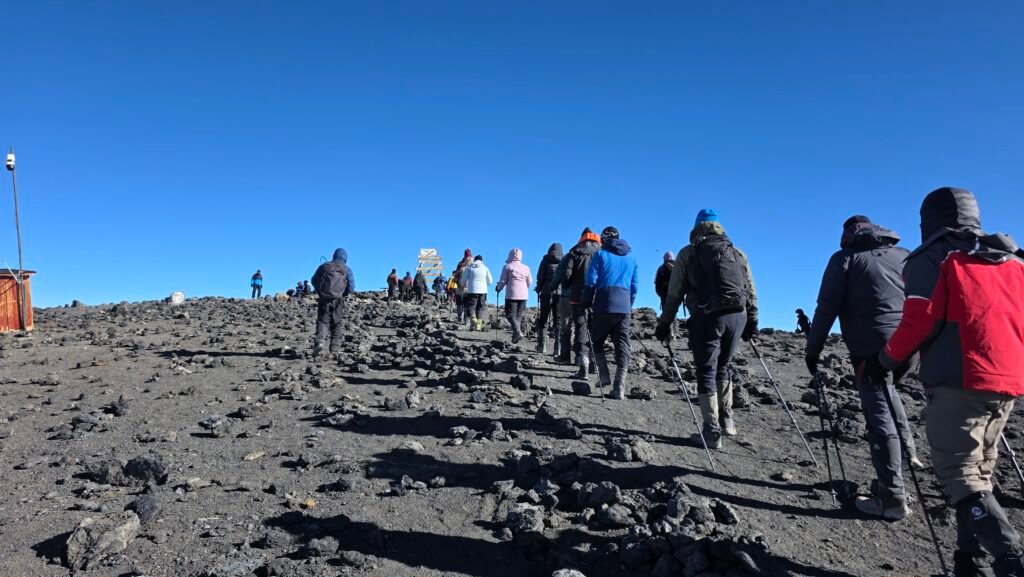
Climbing Africa’s highest mountain requires favorable weather conditions.
The best climbing seasons are:
- January to March
- June to October
These months usually offer:
- Clear skies
- Less rainfall
- Better summit visibility
- Safer hiking conditions
Although Kilimanjaro can be climbed year-round, these periods provide the highest success rates and the most enjoyable trekking experience.
Best Time to Visit Zanzibar
Many visitors combine a safari with a beach holiday in Zanzibar.
Fortunately, the best months for Zanzibar overlap with Tanzania’s safari season.
Ideal months include:
- June
- July
- August
- September
- October
- January
- February
During these months you can enjoy:
- Crystal-clear waters
- Excellent snorkeling
- Scuba diving
- Dolphin tours
- Sunset cruises
- Relaxing beach vacations
This combination makes it easier to plan one seamless itinerary covering wildlife, mountains, and tropical beaches.
Choosing the Right Season Based on Your Travel Style
Every traveler has different priorities, so here’s a quick comparison to help you decide.
| Travel Goal | Best Time |
|---|---|
| Wildlife Safari | June – October |
| Great Migration | July – September |
| Wildebeest Calving | January – February |
| Mount Kilimanjaro | January – March & June – October |
| Zanzibar Beach Holiday | June – October & January – February |
| Budget Travel | March – May |
| Photography | January – March & June – October |
| Bird Watching | November – April |
Matching your interests with the right season is one of the smartest ways to approach how to plan a trip in Tanzania.
Why Local Expertise Makes Seasonal Planning Easier
Weather patterns, wildlife movements, and park conditions can vary slightly from year to year. That’s why many experienced travelers choose to work with a trusted local tour operator when deciding how to plan a trip in Tanzania.
A local company can help you:
- Select the best travel dates.
- Track wildlife migration.
- Recommend suitable accommodations.
- Build a realistic itinerary.
- Balance safari, cultural experiences, and beach time.
- Optimize your travel budget.
Instead of relying on generalized travel advice, local experts provide recommendations based on current conditions and firsthand knowledge, ensuring your trip aligns with your expectations.
How to Plan a Trip in Tanzania – Budget, Visa Requirements, Transportation, and Choosing the Right Tour Operator
Once you’ve decided when to travel, the next step in learning how to plan a trip in Tanzania is organizing your budget, travel documents, transportation, and safari logistics. Many travelers spend weeks researching different websites because they are unsure about costs, visa requirements, or how to choose the right safari company. Fortunately, with the right planning, arranging your Tanzanian adventure can be straightforward and stress-free.
Understanding how to plan a trip in Tanzania means looking beyond the price of flights. Your total travel budget includes accommodation, national park fees, transportation, meals, guide services, travel insurance, visas, and optional activities such as hot air balloon safaris or cultural tours. Planning these expenses in advance helps you avoid unexpected costs while making the most of your journey.
How Much Does It Cost to Plan a Trip in Tanzania?
One of the first questions travelers ask when researching how to plan a trip in Tanzania is, “How much should I budget?”
The answer depends on your travel style. Tanzania offers options for budget-conscious travelers, mid-range explorers, luxury vacationers, and ultra-premium safari enthusiasts.
Estimated Daily Budget
| Travel Style | Estimated Cost Per Person Per Day |
|---|---|
| Budget Safari | $250–$350 |
| Mid-Range Safari | $350–$600 |
| Luxury Safari | $600–$1,200+ |
| Ultra-Luxury Safari | $1,500+ |
These estimates often include:
- Safari vehicle
- Professional English-speaking guide
- Park entrance fees
- Accommodation
- Meals
- Drinking water
- Airport transfers
International flights, visas, travel insurance, and personal expenses are usually separate.
When learning how to plan a trip in Tanzania, remember that the cheapest option is not always the best value. Reliable operators, experienced guides, and quality accommodations often lead to a much better overall experience.
Tanzania Visa Requirements
Another essential part of how to plan a trip in Tanzania is preparing your travel documents well before departure.
Most international visitors require:
- A valid passport with at least six months’ validity.
- A tourist visa (depending on nationality).
- Proof of onward or return travel.
- Accommodation details.
- Sufficient travel funds.
Many travelers can obtain a visa online before departure or upon arrival at designated airports.
Before booking your trip, always confirm the latest visa requirements through official Tanzanian government sources, as regulations may change.
Preparing these documents early prevents delays and makes your arrival process much smoother.
Should You Book Flights Before or After Your Safari?
Many first-time visitors ask this question while researching how to plan a trip in Tanzania.
The recommended approach is:
- Decide your travel dates.
- Confirm your safari itinerary.
- Reserve accommodations.
- Book international flights.
This order reduces the risk of booking flights that don’t align with your safari schedule.
Major international arrival airports include:
- Kilimanjaro International Airport (JRO)
- Julius Nyerere International Airport (DAR)
- Abeid Amani Karume International Airport (ZNZ)
If your itinerary includes northern Tanzania, Kilimanjaro International Airport is often the most convenient gateway.
Choosing the Right Accommodation
Accommodation plays a major role in determining both comfort and budget.
When planning how to plan a trip in Tanzania, you’ll find several accommodation categories.
Budget Camps
Ideal for adventurous travelers looking to minimize costs.
Features include:
- Comfortable tents
- Shared facilities
- Authentic safari atmosphere
- Affordable pricing
Mid-Range Safari Lodges
Perfect for couples and families seeking comfort without luxury pricing.
Common amenities include:
- Private bathrooms
- Restaurant services
- Comfortable beds
- Swimming pools
- Scenic locations
Luxury Safari Lodges
Luxury travelers enjoy premium experiences such as:
- Private suites
- Gourmet dining
- Infinity pools
- Spa treatments
- Personalized safari services
- Exceptional wildlife views
Your accommodation should match your travel goals rather than simply your budget.
How Many Days Should You Spend in Tanzania?
Understanding trip duration is another important step in how to plan a trip in Tanzania.
Here are some recommended itineraries.
| Trip Length | Recommended Activities |
|---|---|
| 5 Days | Serengeti & Ngorongoro Safari |
| 7 Days | Safari + Cultural Experience |
| 10 Days | Safari + Zanzibar |
| 12–14 Days | Safari + Kilimanjaro + Zanzibar |
| 15+ Days | Complete Northern Circuit Adventure |
Most international travelers choose between seven and ten days because it provides an excellent balance between wildlife, relaxation, and sightseeing.
Transportation Within Tanzania
Transportation is another important factor when deciding how to plan a trip in Tanzania.
Common options include:
Safari Land Cruisers
The most popular option for wildlife safaris.
Advantages:
- Comfortable seating
- Pop-up roof
- Charging ports
- Refrigerated drinks
- Excellent game viewing
Domestic Flights
Ideal for travelers with limited time.
Popular flight routes include:
- Arusha to Serengeti
- Serengeti to Zanzibar
- Zanzibar to Dar es Salaam
- Ruaha to Dar es Salaam
Flying significantly reduces travel time between distant destinations.
Private Transfers
Private airport transfers provide convenience, safety, and flexibility, especially for first-time visitors.
Why Choosing the Right Tour Operator Matters

One of the biggest decisions in how to plan a trip in Tanzania is selecting a reputable safari company.
A professional local operator provides much more than transportation.
Benefits include:
- Customized itineraries
- Professional safari guides
- Reliable safari vehicles
- Local destination knowledge
- Flexible scheduling
- Emergency support
- Transparent pricing
- Assistance with accommodation selection
Working with a trusted local company such as Kili2Sere Adventure allows travelers to experience Tanzania through knowledgeable guides who understand wildlife behavior, seasonal movements, local culture, and the country’s hidden gems. Their personalized planning helps ensure that every itinerary matches the traveler’s interests, budget, and expectations while providing dependable support from arrival to departure.
Travel Insurance Is Essential
Another frequently overlooked step in how to plan a trip in Tanzania is purchasing comprehensive travel insurance.
A good policy should include:
- Medical emergencies
- Trip cancellations
- Lost baggage
- Emergency evacuation
- Flight delays
- Adventure activity coverage
Travel insurance provides peace of mind, especially when visiting remote safari destinations or climbing Mount Kilimanjaro.
Essential Packing Checklist
Packing appropriately can greatly improve your travel experience.
Recommended items include:
- Lightweight clothing
- Neutral-colored safari outfits
- Comfortable hiking shoes
- Sunscreen
- Sunglasses
- Hat
- Power bank
- Camera
- Binoculars
- Reusable water bottle
- Personal medications
- Insect repellent
- Rain jacket
Packing light while bringing the essentials makes traveling between parks and accommodations much easier.
Frequently Asked Questions (FAQs)
1. How many days do I need for a Tanzania trip?
A 7–10 day itinerary is ideal for most travelers. It allows enough time to experience several national parks and, if desired, combine a safari with a beach holiday in Zanzibar.
2. What is the best month to visit Tanzania?
June through October is generally considered the best period for wildlife viewing, while January and February are excellent for the wildebeest calving season.
3. Is Tanzania safe for tourists?
Yes. Tanzania is one of East Africa’s most popular tourist destinations. Like any international destination, travelers should follow local advice, use reputable tour operators, and take normal safety precautions.
4. How much does a Tanzania safari cost?
Prices vary depending on accommodation, group size, travel season, and itinerary. Budget safaris may start around $250 per day, while luxury safaris can exceed $1,000 per person per day.
5. Do I need a visa to visit Tanzania?
Many visitors require a tourist visa. Requirements vary by nationality, so always check the latest official immigration guidelines before traveling.
6. Should I book my safari before arriving?
Yes. Booking in advance provides better accommodation choices, availability, and itinerary customization, especially during the high season.
7. Can I combine a safari with Zanzibar?
Absolutely. Many travelers combine a northern Tanzania safari with several relaxing days in Zanzibar, creating a balanced itinerary of wildlife and beach experiences.
Why Travel with Kili2Sere Adventure?
Choosing the right tour operator is one of the most important decisions when learning how to plan a trip in Tanzania. A knowledgeable local team can transform a good trip into an exceptional one.
With Kili2Sere Adventure, you can expect:
- Tailor-made safari itineraries.
- Professional local safari guides.
- Comfortable and well-maintained safari vehicles.
- Transparent pricing with no hidden costs.
- Assistance from planning to departure.
- Authentic wildlife and cultural experiences.
- Flexible packages for solo travelers, couples, families, and groups.
Whether you’re visiting Tanzania for your first safari or returning for another adventure, local expertise ensures a smoother and more memorable journey.
Final Thoughts
Learning how to plan a trip in Tanzania is the first step toward an unforgettable African adventure. With thoughtful preparation, the right travel season, a realistic budget, and guidance from experienced local professionals, you’ll be ready to explore some of the world’s most extraordinary landscapes and wildlife.
From the endless plains of the Serengeti to the breathtaking Ngorongoro Crater, the summit of Mount Kilimanjaro, and the turquoise waters of Zanzibar, Tanzania offers experiences that few destinations can match. Start planning early, travel responsibly, and create memories that will last a lifetime.
Ready to Plan Your Tanzania Adventure?
Let Kili2Sere Adventure help you create a personalized safari itinerary that matches your budget, travel style, and dream destinations. Contact our team today and start planning your unforgettable Tanzania journey.