Discover the best way to hike Kilimanjaro with expert tips on routes, preparation, costs, success strategies, and guided trekking options with Kili2Sere Adventures.
What Is the Best Way to Hike Kilimanjaro?
The best way to hike Kilimanjaro is to choose the right climbing route, allow enough time for proper acclimatization, prepare physically before arrival, travel with an experienced local guide team, and select a professional trekking company that prioritizes safety and success. Mount Kilimanjaro is Africa’s highest mountain and one of the world’s most famous trekking destinations, attracting thousands of climbers every year from different countries.
Unlike technical mountains that require advanced climbing skills, Kilimanjaro is a non-technical trekking mountain. However, reaching the summit of Uhuru Peak at 5,895 meters requires proper planning because altitude, weather conditions, fitness level, and route selection strongly influence your experience.
Many travelers make the mistake of choosing a Kilimanjaro climb based only on price or the shortest itinerary. While shorter climbs may appear cheaper and more convenient, they often provide less time for altitude adjustment, reducing the chance of successful summit completion.
The most recommended approach is choosing a longer route with gradual altitude gain, experienced guides, quality equipment, and a well-organized trekking plan.
At Kili2Sere Adventures, we help international travelers experience Mount Kilimanjaro through carefully designed climbing packages that combine safety, professional support, and unforgettable mountain experiences.
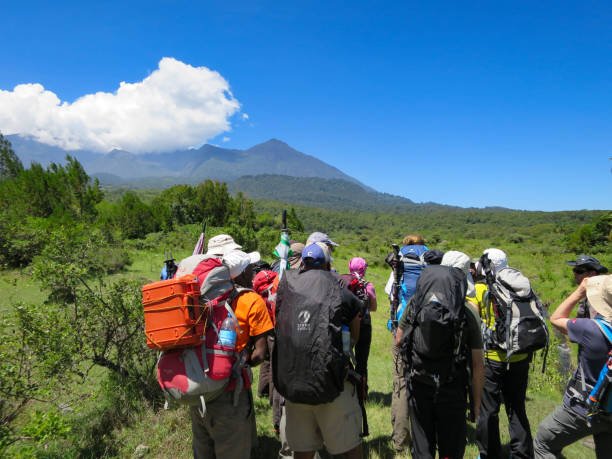
Quick Summary: Best Way to Hike Kilimanjaro
The best Kilimanjaro hiking strategy includes:
- Choosing a route with excellent acclimatization opportunities
- Selecting a 6–9 day trekking itinerary
- Training before your climb
- Packing proper hiking equipment
- Hiring an experienced local guide team
- Climbing during the best weather seasons
- Maintaining a slow and steady pace
- Staying hydrated and following altitude advice
For most climbers, the Lemosho Route and Northern Circuit Route are among the best options because they provide excellent scenery, gradual altitude adaptation, and higher summit success rates.
Why Choosing the Right Kilimanjaro Hiking Strategy Matters
Mount Kilimanjaro is not difficult because of technical climbing requirements. The main challenge is altitude.
As climbers move higher, oxygen levels decrease, and the body needs time to adjust. Altitude sickness can affect anyone regardless of age, fitness level, or previous hiking experience.
This is why the best way to hike Kilimanjaro is not rushing toward the summit but allowing your body enough time to adapt.
A successful climb depends on several factors:
1. Route Selection
The route you choose determines:
- Acclimatization time
- Landscape variety
- Crowd levels
- Difficulty level
- Summit success possibility
Some routes are shorter but more demanding because they provide less time for altitude adjustment. Other routes are longer but offer a smoother climbing experience.
Choosing the correct route based on your fitness level and travel goals is one of the most important decisions before your adventure.
2. Proper Acclimatization
Acclimatization is the process where your body adjusts to higher altitude.
A good Kilimanjaro itinerary should include:
- Gradual elevation gain
- Enough resting time
- Slow climbing pace
- Proper hydration
- Experienced guides monitoring your condition
The popular climbing principle known as “pole pole”, meaning “slowly slowly” in Swahili, represents the recommended approach for climbing Kilimanjaro.
A slower pace allows your body to adapt and improves your overall summit experience.
The Best Kilimanjaro Routes for Successful Hiking
Choosing the best Kilimanjaro hiking route depends on your experience, budget, available time, and preferred scenery.
The mountain has several official routes, each offering a different experience.
Lemosho Route
The Lemosho Route is widely considered one of the best choices for many international climbers.
Advantages include:
- Beautiful landscapes
- Lower traffic during the beginning stages
- Excellent acclimatization profile
- High summit success potential
- Diverse scenery
The route usually takes 7–8 days, allowing climbers enough time to adjust to altitude.
It is highly recommended for first-time Kilimanjaro hikers who want a balanced combination of comfort, scenery, and success probability.
Northern Circuit Route
The Northern Circuit is the longest Kilimanjaro route and provides one of the best acclimatization experiences.
Benefits include:
- The highest success rates
- Quiet trekking environment
- Amazing panoramic views
- More gradual altitude adaptation
This route is ideal for travelers who have enough time and want the highest possible chance of reaching Uhuru Peak.
Machame Route
The Machame Route is one of the most popular Kilimanjaro routes.
It is known for:
- Beautiful scenery
- Challenging terrain
- Good acclimatization opportunities
- Affordable trekking packages
Many adventurous hikers choose Machame because it provides a more traditional mountain trekking experience.
Marangu Route
The Marangu Route is sometimes called the “Coca-Cola Route” because it is considered one of the easier routes.
Unique features include:
- Mountain hut accommodation
- Established paths
- Shorter climbing duration
However, the shorter itinerary means some climbers experience more altitude challenges compared with longer routes.
Why Guided Kilimanjaro Hiking Is the Best Option
Although Kilimanjaro does not require technical climbing skills, independent climbing is not allowed. All climbers must be accompanied by registered guides and support teams.
Professional guides provide:
- Route knowledge
- Safety monitoring
- Altitude management
- Emergency support
- Weather updates
- Motivation during difficult sections
Choosing an experienced operator improves your overall experience because the team handles logistics while you focus on reaching the summit.
A professional Kilimanjaro company should provide:
- Certified mountain guides
- Quality camping equipment
- Proper meals
- Safety procedures
- Reliable communication
- Responsible tourism practices
What Makes Kili2Sere Adventures Different?
Choosing the right company is an essential part of the best way to hike Kilimanjaro.
Kili2Serengeti Adventures focuses on providing:
- Experienced local mountain guides
- Customized climbing itineraries
- Safety-focused trekking plans
- Transparent pricing
- Quality mountain support teams
- Personalized customer service
Every climber has different goals, so professional planning helps create a trekking experience that matches individual needs.
Whether you are a first-time hiker or an experienced adventure traveler, having the right preparation and support system increases your confidence and enjoyment.
Expert Recommendation: The Ideal Kilimanjaro Hiking Formula
For most international travelers, the recommended Kilimanjaro climbing formula is:
- Choose Lemosho, Northern Circuit, or Machame Route
- Select a minimum of 7 days when possible
- Train for endurance and hiking strength
- Carry proper mountain equipment
- Travel with a reputable local operator
- Maintain a slow climbing pace
- Listen to your guide’s altitude advice
The goal is not only reaching the summit but also enjoying the journey safely.
Understanding the Best Kilimanjaro Hiking Route
Selecting the right route is one of the most important decisions when planning your climb. The best way to hike Kilimanjaro is not simply choosing the shortest or cheapest option. The ideal route should match your fitness level, available time, climbing experience, preferred scenery, and desired summit success probability.
Mount Kilimanjaro has several official routes, and each one provides a different trekking experience. Some routes are faster and more direct, while others provide better acclimatization by allowing your body more time to adjust to altitude.
For international travelers searching for the best Kilimanjaro trekking experience, routes such as Lemosho, Northern Circuit, and Machame are highly recommended because they provide excellent landscapes, gradual altitude gain, and better preparation for summit night.
At Kili2Serengeti Adventures, route selection is based on each traveler’s goals rather than offering a one-size-fits-all climbing package.
Kilimanjaro Route Comparison Table
| Route | Duration | Difficulty Level | Accommodation | Best For | Main Advantage |
|---|---|---|---|---|---|
| Lemosho Route | 7–8 Days | Moderate | Camping | First-time climbers | Excellent acclimatization and scenery |
| Northern Circuit | 8–9 Days | Moderate | Camping | Maximum summit success | Longest and best acclimatization |
| Machame Route | 6–7 Days | Moderate to Challenging | Camping | Adventure travelers | Beautiful landscapes and popular trail |
| Marangu Route | 5–6 Days | Moderate | Mountain huts | Budget climbers | Only route with hut accommodation |
| Rongai Route | 6–7 Days | Moderate | Camping | Quiet trekking experience | Less crowded route |
1. Lemosho Route – One of the Best Ways to Hike Kilimanjaro
The Lemosho Route is often recommended as one of the best Kilimanjaro routes because it combines stunning scenery, excellent acclimatization, and a strong summit success possibility.
The journey begins on the western side of Mount Kilimanjaro, passing through different ecological zones including rainforest, moorland, alpine desert, and the Arctic summit environment.
Why Choose Lemosho Route?
Advantages include:
- Longer acclimatization period
- Beautiful mountain landscapes
- Lower traffic during the first days
- Excellent wildlife viewing opportunities at the beginning
- High comfort level compared with shorter routes
The route usually takes between 7 and 8 days, allowing climbers to gradually gain altitude.
This makes it suitable for:
- First-time Kilimanjaro climbers
- Couples
- International adventure travelers
- Photographers
- Travelers prioritizing success over speed
The Lemosho Route follows the important climbing principle:
“Climb high, sleep low.”
This means climbers gain elevation during the day and descend slightly to sleep, helping the body adjust better.
2. Northern Circuit Route – Highest Success Strategy
The Northern Circuit is considered one of the best choices for travelers who want the greatest chance of reaching Uhuru Peak.
It is the longest official Kilimanjaro route and provides the most gradual approach to the summit.
Why Choose Northern Circuit?
Key benefits include:
- Maximum acclimatization time
- Less crowded trails
- Amazing views around the northern slopes
- Excellent preparation before summit day
The route normally takes 8 to 9 days, making it ideal for travelers who have enough time and want to improve their chances of success.
Although it requires more days and a higher budget, many climbers consider it a worthwhile investment because altitude adaptation is one of the biggest factors affecting summit achievement.
3. Machame Route – The Scenic Adventure Route
The Machame Route is one of the most famous Kilimanjaro climbing routes.
Known as the “Whiskey Route,” it attracts thousands of hikers because of its dramatic scenery and challenging terrain.
Benefits of Machame Route:
- Stunning views
- Affordable climbing packages
- Good acclimatization profile
- Experienced guide availability
- Classic Kilimanjaro trekking experience
The route includes famous mountain sections such as:
- Shira Plateau
- Barranco Wall
- Karanga Valley
- Barafu Camp
The Barranco Wall is one of the most memorable parts of this route, offering an exciting hiking experience without requiring technical climbing skills.
Machame is ideal for travelers who want adventure and are physically prepared for longer hiking days.
4. Marangu Route – The Traditional Kilimanjaro Route
The Marangu Route is one of the oldest and most established climbing routes.
Unlike other routes, it offers mountain hut accommodation instead of camping.
Advantages:
- Comfortable sleeping arrangements
- Shorter itinerary options
- Established trail
- Lower equipment requirements
However, the shorter duration can make altitude adjustment more difficult.
The route is suitable for travelers who prefer:
- More basic comfort
- A straightforward trail
- Lower camping requirements
However, choosing the shortest itinerary may reduce summit success chances because the body has less time to adapt.
5. Rongai Route – The Quiet Kilimanjaro Experience
The Rongai Route approaches Kilimanjaro from the northern side near the Kenya border.
It is known for:
- Fewer crowds
- Peaceful trekking environment
- Beautiful wilderness views
- A unique mountain perspective
Rongai is a good option for travelers who prefer a quieter climbing experience.
It is especially attractive during rainy seasons because the northern side of the mountain often receives less rainfall.
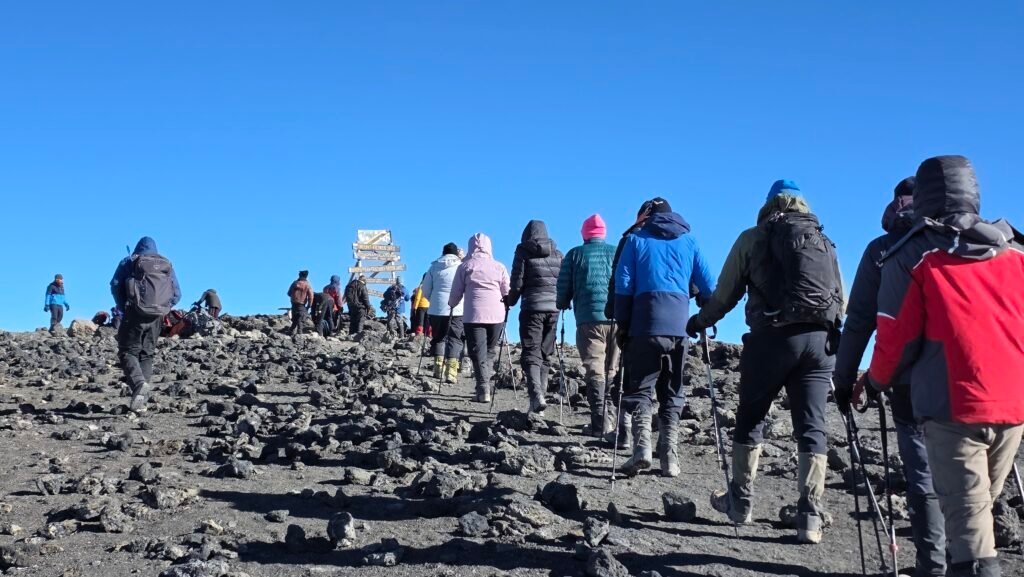
Which Kilimanjaro Route Has the Highest Success Rate?
Success rates vary depending on the operator, itinerary length, weather conditions, and climber preparation.
Generally:
| Route | Success Potential |
|---|---|
| Northern Circuit | Very High |
| Lemosho Route | High |
| Machame Route | High when 7 days+ |
| Rongai Route | Moderate to High |
| Marangu Route | Lower on shorter programs |
The biggest factor affecting success is not only the route but the number of days spent climbing.
A longer itinerary gives your body more time to adjust to altitude.
Short Kilimanjaro Climb vs Long Kilimanjaro Climb
Many travelers compare shorter and longer climbing packages.
Short Climbs (5–6 Days)
Advantages:
- Lower cost
- Less vacation time required
- Faster adventure
Disadvantages:
- Less acclimatization time
- Higher physical challenge
- Lower comfort level
Longer Climbs (7–9 Days)
Advantages:
- Better altitude adjustment
- Higher summit possibility
- More enjoyable pace
- Better scenery experience
Disadvantages:
- Higher cost
- More days required
For most international visitors, longer climbs represent the best value because they improve safety and overall enjoyment.
Best Time to Hike Kilimanjaro
Choosing the right season is another important part of planning.
The best climbing periods are usually:
January to March
Benefits:
- Good weather conditions
- Fewer crowds
- Beautiful mountain views
June to October
Benefits:
- Dry conditions
- Excellent trekking weather
- Popular travel season
November and April–May
These periods may have more rainfall but can provide:
- Lower prices
- Fewer hikers
- More peaceful trails
A professional operator can advise the best timing depending on your preferred route.
Expert Route Recommendation from Kili2Serengeti Adventures
For most international travelers asking about the best way to hike Kilimanjaro, the recommended options are:
Best Overall Choice:
Lemosho Route (7–8 Days)
Why:
- Great scenery
- Excellent acclimatization
- Suitable for most travelers
Best for Maximum Success:
Northern Circuit (8–9 Days)
Why:
- Longest acclimatization period
- Less crowded
- Better altitude adaptation
Best Budget-Friendly Adventure:
Machame Route (7 Days)
Why:
- Affordable
- Scenic
- Classic trekking experience
Final Thoughts on Choosing Your Kilimanjaro Route
The best Kilimanjaro route depends on your personal goals, but successful climbers usually prioritize preparation, safety, and enough acclimatization time over choosing the cheapest option.
A carefully selected route combined with professional guides, proper equipment, and realistic expectations creates the foundation for a successful summit.
The best way to hike Kilimanjaro is to choose a route that allows you to enjoy the mountain while giving your body enough time to adapt.
With expert planning from Kili2Serengeti Adventures, travelers can select the right route, prepare effectively, and experience one of the world’s greatest adventure journeys with confidence.
How to Prepare for the Best Kilimanjaro Hiking Experience
Proper preparation is one of the most important parts of achieving a successful summit of Mount Kilimanjaro. While Kilimanjaro is a non-technical mountain that does not require previous climbing experience, reaching Uhuru Peak at 5,895 meters requires physical preparation, mental strength, correct equipment, and a well-planned trekking strategy.
The best way to hike Kilimanjaro is not by being the strongest or fastest climber. Successful hikers understand that endurance, patience, preparation, and proper acclimatization are more important than speed.
Many climbers fail to reach the summit not because the mountain is impossible, but because they underestimate the effects of altitude and the importance of preparation.
At Kili2Serengeti Adventures, every climbing package is designed to help travelers prepare correctly before starting their journey, from choosing the right route to providing professional mountain support throughout the trek.
Physical Preparation for Kilimanjaro Hiking
Do You Need Special Training to Climb Kilimanjaro?
You do not need professional climbing experience to hike Kilimanjaro. However, you should prepare your body for several consecutive days of walking at high altitude.
The mountain requires:
- Strong endurance
- Leg strength
- Cardiovascular fitness
- Mental determination
- Ability to walk for several hours daily
A good training program should begin at least 8–12 weeks before your climb.
Recommended Kilimanjaro Training Plan
1. Hiking Practice
The best preparation is regular hiking.
Try to include:
- Long weekend hikes
- Walking with a backpack
- Uphill training
- Uneven terrain practice
Your body needs to become comfortable with long periods of walking.
2. Cardiovascular Training
Good cardiovascular fitness helps your body handle long trekking days.
Recommended activities include:
- Walking
- Running
- Cycling
- Swimming
- Stair climbing
Aim for at least 3–5 training sessions per week before your climb.
3. Strength Training
Strong muscles improve comfort and reduce fatigue.
Focus on:
- Squats
- Lunges
- Step-ups
- Core exercises
- Calf strengthening
Strong legs are especially important for summit night because climbers often walk for many hours on steep terrain.
4. Mental Preparation
Mental strength is a major factor during Kilimanjaro climbing.
Summit day can be physically and emotionally challenging because of:
- Cold temperatures
- Darkness
- Altitude
- Long hiking hours
Successful climbers maintain a positive mindset and focus on steady progress.
Kilimanjaro Packing List: Essential Equipment Guide
Having the right equipment is a major part of the best way to hike Kilimanjaro.
Mountain conditions can change quickly, so preparation for different weather zones is essential.
Clothing Equipment
Base Layers
Important for temperature control:
- Thermal underwear
- Moisture-wicking shirts
- Long-sleeve hiking tops
Avoid cotton because it absorbs moisture and dries slowly.
Insulation Layers
Recommended:
- Fleece jacket
- Warm sweater
- Lightweight insulated jacket
These layers help maintain body warmth during cold evenings.
Outer Protection Layer
Essential items:
- Waterproof jacket
- Waterproof trousers
- Windproof outer shell
Weather on Kilimanjaro can change quickly, especially near the summit.
Footwear Requirements
Good hiking boots are one of the most important investments.
Recommended:
- Comfortable waterproof hiking boots
- Thick hiking socks
- Camp shoes or sandals
Always break in your boots before arriving in Tanzania.
New boots can cause painful blisters during the climb.
Sleeping Equipment
Depending on your package, you may need:
- Sleeping bag rated for cold temperatures
- Sleeping liner
- Headlamp
- Trekking poles
Most professional operators provide tents and camping equipment, but personal items vary by company.
Personal Items Checklist
Important items include:
- Sunglasses
- Sunscreen
- Water bottle or hydration system
- Personal medication
- Small backpack
- Camera
- Power bank
- Toiletries
- Personal documents
Kilimanjaro Hiking Cost Breakdown
Understanding the Kilimanjaro hiking cost helps travelers plan their budget properly.
The total cost depends on:
- Route choice
- Number of trekking days
- Accommodation before and after climbing
- Group size
- Service quality
- Operator reputation
Average Kilimanjaro Climbing Cost
Budget Kilimanjaro Packages
Approximate range:
$1,500–$2,200 per person
Usually includes:
- Basic services
- Group trekking
- Standard camping
Mid-Range Kilimanjaro Packages
Approximate range:
$2,200–$3,500 per person
Usually includes:
- Better support services
- Quality meals
- Experienced guides
- Longer routes
Premium Kilimanjaro Packages
Approximate range:
$3,500–$6,000+ per person
May include:
- Private trekking
- Premium services
- Extra support staff
- Customized itineraries
What Is Included in Kilimanjaro Climbing Packages?
A professional Kilimanjaro package usually includes:
- Park entrance fees
- Mountain permits
- Professional guides
- Porters
- Cook services
- Camping equipment
- Meals during trekking
- Drinking water
- Safety equipment
Before booking, always confirm exactly what is included.
Hidden Costs Climbers Should Consider
Many travelers forget additional expenses such as:
- International flights
- Tanzania visa
- Travel insurance
- Airport transfers
- Accommodation before and after climbing
- Personal hiking gear
- Guide and porter tips
- Additional activities
Creating a complete budget prevents unexpected costs.
Safety Tips for Hiking Kilimanjaro
Safety should always be the priority when climbing Africa’s highest mountain.
The best Kilimanjaro operators follow strict safety procedures.
Important safety practices include:
Climb Slowly
The phrase:
“Pole pole”
means slowly slowly in Swahili.
A slower pace improves altitude adaptation.
Drink Enough Water
Hydration helps your body perform better at altitude.
Most climbers should drink regularly throughout the day.
Listen to Your Guide
Professional guides monitor:
- Oxygen levels
- Symptoms of altitude sickness
- Energy levels
- Weather conditions
Following expert advice improves safety.
Choose a Responsible Operator
A reliable company should provide:
- Trained guides
- Safety equipment
- Emergency procedures
- Proper treatment of porters
- Quality mountain services
Responsible tourism ensures both climber safety and ethical support for local mountain teams.
Customer Expert Insight: Why Preparation Improves Summit Success
Experienced Kilimanjaro climbers often highlight one important lesson:
“Success on Kilimanjaro comes from preparation, patience, and choosing the right support team.”
Many first-time climbers believe physical strength alone guarantees success. However, experienced guides know that proper pacing, hydration, route selection, and mental preparation play equally important roles.
A well-prepared traveler enjoys the journey more and has a stronger chance of reaching Uhuru Peak
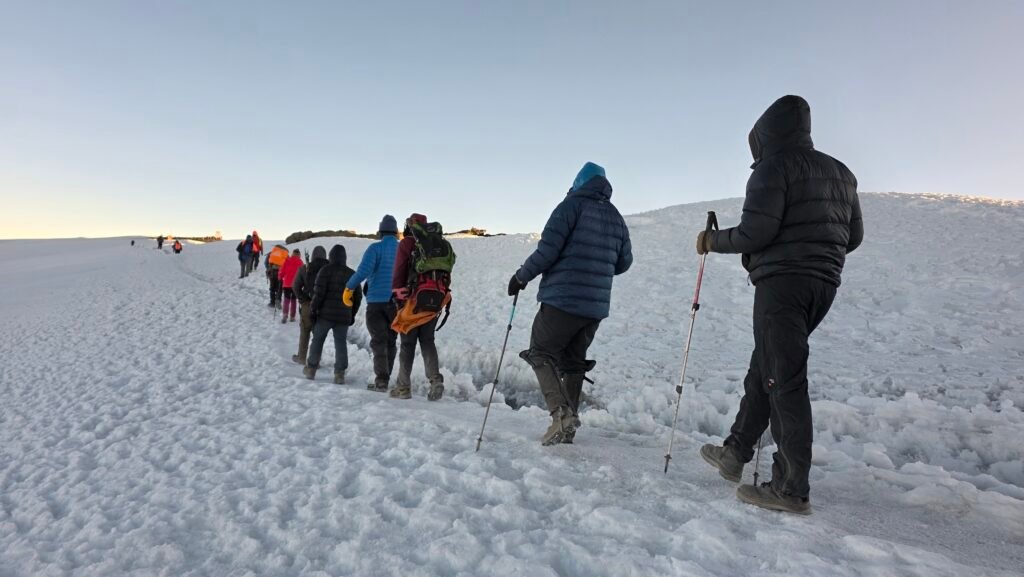
Why Choose Kili2Serengeti Adventures for Your Kilimanjaro Climb?
Kili2Serengeti Adventures provides professional climbing experiences designed for international travelers.
Our services focus on:
- Experienced mountain guides
- Carefully selected routes
- Safety-first trekking plans
- Transparent pricing
- Quality mountain equipment
- Personalized support
Whether you are planning your first African trekking adventure or adding Kilimanjaro to your global hiking achievements, professional guidance makes the experience smoother and more rewarding.
Key Takeaway
The best way to hike Kilimanjaro requires more than booking a climbing package. Success depends on proper fitness preparation, correct equipment, choosing the right route, understanding costs, and working with an experienced local operator.
A successful Kilimanjaro adventure is built before you arrive in Tanzania. With the right preparation and support from Kili2Serengeti Adventures, climbers from around the world can approach the mountain confidently and enjoy a safe, memorable journey to the Roof of Africa.
Complete Guide to Booking the Best Kilimanjaro Hiking Experience
Reaching the summit of Mount Kilimanjaro is one of the most rewarding adventure experiences in the world. However, choosing the right climbing company, route, and package requires careful planning. The best way to hike Kilimanjaro is to work with experienced professionals who understand the mountain, provide proper preparation guidance, and prioritize safety from the beginning of your journey until the final descent.
For international travelers, Kilimanjaro is more than just a mountain climb. It is a complete adventure that requires reliable logistics, professional guides, quality equipment, and a personalized trekking plan.
At Kili2Serengeti Adventures, we specialize in creating unforgettable Kilimanjaro climbing experiences for travelers from around the world by combining local expertise, responsible tourism, and professional mountain support.
Quick Booking Checklist for Kilimanjaro Hiking
Before confirming your Kilimanjaro climbing package, consider the following:
Choose the Right Route
Select a route based on:
- Your fitness level
- Available time
- Budget
- Desired scenery
- Summit success goals
Recommended options for most travelers:
- Lemosho Route
- Northern Circuit Route
- Machame Route
Select Enough Climbing Days
Avoid choosing a route only because it is shorter.
Longer itineraries usually provide:
- Better acclimatization
- Higher summit success chances
- More enjoyable trekking pace
- Reduced altitude risks
A 7–9 day itinerary is often recommended for international visitors.
Work With a Professional Operator
A trusted Kilimanjaro company should provide:
- Certified mountain guides
- Experienced support teams
- Proper safety equipment
- Quality meals
- Transparent pricing
- Responsible porter treatment
The company you choose directly affects your overall mountain experience.
Frequently Asked Questions About the Best Way to Hike Kilimanjaro
1. What is the best way to hike Kilimanjaro?
The best way to hike Kilimanjaro is by choosing a suitable route with enough acclimatization time, preparing physically before arrival, using proper hiking equipment, and climbing with an experienced professional guide team.
For most travelers, longer routes such as Lemosho and Northern Circuit provide excellent experiences because they allow gradual altitude adjustment.
2. What is the best Kilimanjaro route for beginners?
The Lemosho Route is one of the best options for beginners because it offers beautiful scenery, gradual altitude gain, and enough time for acclimatization.
The Northern Circuit is also excellent for beginners who prefer a longer itinerary with a higher success possibility.
3. How many days does it take to hike Kilimanjaro?
Most successful Kilimanjaro climbs take between 6 and 9 days depending on the chosen route.
Recommended durations:
- Machame Route: 6–7 days
- Lemosho Route: 7–8 days
- Northern Circuit: 8–9 days
- Rongai Route: 6–7 days
- Marangu Route: 5–6 days
Longer climbs generally provide better altitude adjustment.
4. Do I need previous climbing experience to hike Kilimanjaro?
No technical climbing experience is required.
However, hikers should have:
- Good physical fitness
- Hiking endurance
- Mental preparation
- Proper equipment
Regular walking and hiking training before the trip greatly improves the experience.
5. What is the success rate of climbing Kilimanjaro?
Success rates depend on:
- Route selection
- Number of climbing days
- Weather conditions
- Physical preparation
- Guide support
Longer routes usually have better summit success because they allow more time for acclimatization.
6. What is the best month to hike Kilimanjaro?
The best periods are generally:
- January to March
- June to October
These months usually offer better weather conditions for trekking.
However, Kilimanjaro can be climbed throughout the year with proper planning.
7. How much does it cost to hike Kilimanjaro?
The cost varies depending on route, duration, services, and operator quality.
Average prices:
- Budget climbs: $1,500–$2,200
- Mid-range climbs: $2,200–$3,500
- Premium climbs: $3,500–$6,000+
A higher price often reflects better services, experienced guides, and improved safety standards.
8. What equipment do I need for Kilimanjaro?
Essential equipment includes:
- Waterproof hiking boots
- Warm layers
- Waterproof jacket
- Thermal clothing
- Gloves
- Hat
- Sunglasses
- Headlamp
- Sleeping bag
- Trekking poles
- Personal medication
A professional operator can provide a detailed packing checklist before departure.
Expert Tips for a Successful Kilimanjaro Summit
Experienced mountain guides recommend the following strategies:
Train Before Your Arrival
Start preparing several months before your climb.
Focus on:
- Hiking endurance
- Cardio fitness
- Leg strength
- Long-distance walking
Avoid Rushing
The mountain rewards patience.
Maintain a comfortable pace and allow your body time to adapt.
Stay Hydrated
Drink enough water every day during your trek.
Hydration supports energy levels and helps your body handle altitude.
Trust Your Guide Team
Your guides understand:
- Mountain conditions
- Weather changes
- Altitude challenges
- Emergency procedures
Their experience is one of your greatest advantages.
Choose Quality Over the Cheapest Price
A very cheap Kilimanjaro package may reduce important services.
Always consider:
- Guide experience
- Safety standards
- Equipment quality
- Customer reviews
- Company reputation
The goal should be a safe and successful summit experience.
Why Choose Kili2Serengeti Adventures for Kilimanjaro Hiking?
Choosing the right partner is one of the most important steps in planning your climb.
Kili2Serengeti Adventures provides:
Professional Mountain Guides
Our guides have extensive knowledge of:
- Kilimanjaro routes
- Altitude management
- Weather conditions
- Mountain safety
They support climbers throughout every stage of the journey.
Customized Kilimanjaro Packages
Every traveler has different goals.
We provide customized options including:
- Private climbs
- Group climbs
- Family adventures
- Budget-friendly packages
- Premium trekking experiences
Safety-Focused Approach
Safety is always the priority.
Our climbing approach includes:
- Proper acclimatization planning
- Experienced mountain teams
- Emergency preparation
- Regular progress monitoring
Responsible Tourism
A successful Kilimanjaro experience should also support local communities.
Responsible climbing includes:
- Fair treatment of porters
- Supporting local employment
- Respecting mountain environments
- Following conservation guidelines
Internal Link Suggestions for Your Website
For better SEO structure, this blog can internally link to:
- Kilimanjaro climbing packages page
- Lemosho Route trekking page
- Machame Route trekking page
- Tanzania safari packages page
- Serengeti safari tours page
- Zanzibar holiday packages page
- Contact Kili2Serengeti Adventures page
Internal links help Google understand website structure and improve user navigation.
Recommended External Authority Links
For credibility and trust signals, consider linking to:
- Tanzania National Parks information
- Kilimanjaro National Park official information
- Tanzania tourism information
- Mountain safety resources
External links to trusted sources can improve content reliability and demonstrate expertise.
Final Conclusion: The Best Way to Hike Kilimanjaro
The best way to hike Kilimanjaro is through careful planning, choosing the right route, allowing enough time for acclimatization, preparing physically, using proper equipment, and working with a trusted local trekking company.
Kilimanjaro is not a race. It is an adventure that rewards preparation, patience, and the right support system.
Whether your goal is reaching Uhuru Peak, experiencing Africa’s highest mountain, or completing a personal adventure challenge, selecting the right climbing strategy makes all the difference.
With expert guidance, professional mountain support, and carefully designed climbing packages from Kili2Serengeti Adventures, travelers from across the world can experience a safe, comfortable, and unforgettable journey to the Roof of Africa.
Start planning your Kilimanjaro adventure today and choose the climbing approach that gives you the best opportunity for success.