
Experience the ultimate Tanzania Walking Safari experience with Kili2sere Adventure. Discover wildlife on foot, explore top destinations, and enjoy immersive wilderness journeys.https://kili2sereadventure.com/safarii/
Understanding the Essence of a Tanzania Walking Safari Experience
A Tanzania walking safari experience is one of the most immersive and soul-touching ways to discover Africa’s wild landscapes. Unlike traditional game drives where visitors observe wildlife from the comfort of a safari vehicle, walking safaris bring you directly into the beating heart of the ecosystem—where every scent, sound, footprint, and breeze feels alive. This is where your senses awaken, and every step feels like a journey through time. For travellers seeking authenticity, intimacy, and raw connection with nature, a Tanzania Walking Safari Experience offers the ideal opportunity to explore the wilderness the way early explorers and indigenous tribes once did. It is not just another safari option; it is a philosophy, a deeper way of experiencing the natural world.
Tanzania has long been celebrated as a top safari destination, but few travellers ever realize that its walking safaris are among the most exceptional on the continent. The country’s vast landscapes—ranging from grassland savannahs to volcanic highlands, dense forests, soda lakes, and remote riverine ecosystems—provide unmatched diversity for adventure-seekers. Walking across these terrains offers the chance to learn about the micro-details of the environment: medicinal plants, animal behaviour, seasonal water sources, termite mounds, bird calls, predator tracks, and subtle ecosystem interactions that often go unnoticed during a game drive. This profound depth of exploration is what elevates the Tanzania Walking Safari Experience into something unforgettable.
Best Walking Safari Destinations in Tanzania
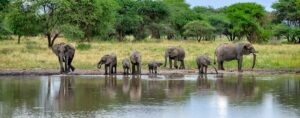
Tanzania is home to some of the most diverse and breathtaking landscapes in Africa, making it a premier destination for walking safaris. While many tourists associate Tanzania with iconic game drives across Serengeti or Ngorongoro, the country also hosts an impressive variety of wilderness zones that remain pristine and ideal for immersive bush walks. As travellers search for more intimate safari experiences, walking through Tanzania’s remote regions provides access to untouched terrain, minimal tourist traffic, and authentic encounters with wildlife and local cultures. This is why a Tanzania Walking Safari Experience is increasingly recognized as a unique and transformative way to explore the country.
One of the top destinations for walking safaris is the legendary Serengeti National Park. While the park is globally famous for the Great Migration, what many people don’t know is that specific areas of Serengeti are designated for guided walking safaris. These include regions near the Grumeti River, hidden valleys, and remote kopje zones where predators often rest. Walking in the Serengeti provides travellers a rare opportunity to follow ancient wildlife paths used by elephants, zebras, and wildebeests for centuries. Every footprint and broken branch tells a story, and each turn offers a new surprise—be it a browsing giraffe or the distant roar of a lion echoing across the plains. For those seeking raw and untouched wilderness, Serengeti delivers beyond expectation, making it an essential part of the Tanzania Walking Safari Experience.
Another prime location is Tarangire National Park, a conservation gem often overlooked by first-time visitors. Tarangire is renowned for its massive elephant populations, towering baobab trees, and extensive wetlands that attract migratory birds during the greener months. Walking safaris here introduce travellers to landscapes shaped by ancient river systems, seasonal floodplains, and dramatic termite mounds that dominate the scenery. The chance to track elephants on foot—observing their behaviour, family structure, and feeding habits—makes Tarangire a photographer’s paradise. Expert guides also interpret the symbolic importance of baobab trees, once used as landmarks and water sources by indigenous communities. This deeper cultural connection enhances the Tanzania Walking Safari Experience in ways a vehicle safari cannot replicate.
What to Expect on a Walking Safari in Tanzania
A walking safari in Tanzania is very different from any other type of wildlife adventure. Unlike being inside a safari vehicle where the distance between you and nature is maintained, a walking safari places you right in the center of the wilderness, relying heavily on your senses, your guide’s expertise, and the rhythm of the land itself. Travellers often describe it as an awakening—an experience that slows down time and allows them to truly understand the bush in ways they never imagined. For many adventurers, a Tanzania Walking Safari Experience becomes the highlight of their trip because of how deeply it connects them to nature.
To begin with, walking safaris in Tanzania are carefully planned to ensure safety, comfort, and immersion. Every day starts early, often before sunrise, when the temperatures are cool and animals are most active. You meet with your professional walking guide, who carries extensive bush knowledge and years of tracking experience. Before the walk begins, the guide briefs you on essential walking etiquette—keeping silent, walking in a single file, avoiding sudden movements, observing wind direction, and understanding hand signals used for communication. This preparation phase sets the tone for the day, reminding you that the wilderness is not a zoo; it is a living, breathing ecosystem where every creature has a role and every action matters.
As you begin walking, the environment reveals details you cannot see from a vehicle. Your guide stops frequently to show you things like the direction of animal tracks, droppings that tell stories of diet and movement, scratch marks on trees left by territorial leopards, or small insects that influence the health of the entire savannah. These micro-discoveries contribute to a richer, more profound understanding of the ecosystem. This is why many travellers say that the Tanzania Walking Safari Experience transforms the way they think about wildlife—not as distant subjects but as neighbours sharing the same landscape for a moment in time.
Encounters with wildlife are handled with respect and caution. While you may see elephants, zebras, giraffes, or even buffaloes during a walking safari, the approach is always controlled and non-intrusive. Guides read the animals’ behaviour carefully—ears, tails, posture, breathing, and movements—to determine whether it is safe to continue, move around, or retreat quietly. Sometimes the most powerful moments are not from seeing animals up close but from watching them naturally at a distance, without engines, crowds, or barriers. Hearing an elephant tear branches from a tree, listening to the distant calls of hyenas, or watching a kudu suddenly freeze after sensing a predator—these create memories you cannot get anywhere else.
Another important aspect travellers often appreciate is how walking safaris encourage mindfulness. Without the constant noise of a vehicle, every footstep becomes intentional. You feel the texture of the earth, the heat of the sun, the coolness of morning dew, and the whispers of wind through the grasslands. Even scents—crushed wild basil, the musk of wildlife, the moisture of riverbeds—tell stories. This sensory richness is what makes the Tanzania Walking Safari Experience deeply emotional and memorable.
Finally, walking safaris often end with a scenic rest stop or bush breakfast. Guides choose safe, beautiful spots—under an acacia tree, by a dry riverbed, or atop a rocky kopje where you can enjoy breathtaking views. It is a moment of reflection, allowing you to absorb everything you experienced during the walk. Many travellers say these peaceful pauses become the best part of their entire Tanzania journey.
How to Prepare for a Tanzania Walking Safari & Why Choose Kili2sere Adventure
Preparing for a walking safari in Tanzania requires thoughtful planning, the right mindset, and appropriate gear to ensure you enjoy every moment of the journey. Unlike vehicle safaris, where most of your time is spent seated and observing wildlife from a distance, walking safaris demand awareness, patience, and physical presence. The environment becomes more interactive—you are fully involved, from the rhythms of the landscape to the subtle movements of wildlife. For many travellers, this preparation process is the first step toward a truly immersive Tanzania Walking Safari Experience.
The most important thing to prepare is your mindset. Walking safaris are not about chasing big animals or covering long distances. They are slow, deliberate explorations that focus on details and storytelling. You will learn about edible plants, animal behaviour, hidden tracks, seasonal movements, and ecological balance. Unlike the fast-paced nature of a game drive, walking safaris teach you patience and observation. Travellers who approach the experience with curiosity, openness, and respect for the wild often gain a deeper appreciation for Tanzania’s natural heritage.
In terms of physical preparation, you do not need to be an athlete, but a moderate fitness level is helpful. Most walking safaris last between 2 to 5 hours, depending on the route and conditions. You may walk on uneven terrain, cross shallow streams, or move through grasslands. Comfortable walking shoes with good grip, lightweight breathable clothing, and neutral colours are essential. Avoid bright colours, as they can attract unwanted attention from wildlife or disrupt the natural harmony of your surroundings.
Packing the right gear is equally important. Essential items include a wide-brimmed hat, polarized sunglasses, high-SPF sunscreen, a reusable water bottle, and insect repellent. A light backpack helps carry your personal items without slowing you down. A pair of binoculars is also incredibly helpful—walking safaris often involve scanning landscapes from safe distances, and binoculars reveal details you would otherwise miss. Photography enthusiasts should bring lightweight cameras, as bulky equipment can be tiring to carry over long distances.
Safety is always a top priority during walking safaris. This is why choosing a reputable operator like Kili2sere Adventure makes all the difference. Professional walking guides undergo rigorous training, including wildlife behaviour interpretation, emergency response, navigation, weapon handling, and ecological knowledge. Their experience ensures that every step of your walk is controlled, respectful, and safe. They understand wind direction, animal habits, territorial boundaries, and reading the landscape. Most importantly, they know when to approach, when to wait, and when to quietly retreat. This expertise transforms your journey into a truly unforgettable Tanzania Walking Safari Experience.
Another key component of preparation is understanding the best seasons for walking safaris. Tanzania’s dry season (June to October) is considered ideal because visibility is better, grass is shorter, and wildlife tends to gather around permanent water sources. However, the green season (November to May) offers lush landscapes, migratory birds, newborn animals, and vibrant ecological activity. Kili2sere Adventure customizes walking safari itineraries to match your travel dates, fitness level, wildlife preferences, and photography goals. Whether you prefer rugged, remote environments or gentle, scenic trails, there is a walking safari designed just for you.
Accommodation also plays an important role in your walking safari experience. Kili2sere Adventure partners with eco-friendly camps, lodges, and tented experiences that complement the adventure. Many walking safari camps are located in exclusive wilderness zones, away from crowds and vehicle noise. This gives you quieter nights under the stars, with sounds of nature surrounding your camp—hyenas laughing in the distance, lions roaring at dawn, or birds singing at sunrise. These moments add emotional depth to your Tanzania Walking Safari Experience, reminding you why Tanzania remains one of Africa’s most magical destinations.
external reference:https://www.nationalgeographic.com/travel