
Discover the Maasai tribe, their culture, traditions, lifestyle, and tourism value. A complete SEO-optimized guide for cultural travelers.
1. The Origins and History of the Maasai Tribe
https://kili2sereadventure.com/safarii/
The Maasai tribe is one of the most recognized and culturally preserved indigenous communities in Africa, known for its deep-rooted traditions, striking attire, and resilient lifestyle. The origins of the Maasai people trace back several centuries to the Nile Valley region, from where they migrated southward into what is today southern Kenya and northern Tanzania. This migration shaped not only their identity but also their strong connection to land, cattle, and communal living, which continues to define the Maasai tribe today.
Historically, the Maasai tribe established itself as a semi-nomadic pastoralist society, depending heavily on cattle for survival, wealth, and spiritual significance. Cattle are not merely livestock; they represent life, status, and divine blessing among the Maasai people. According to Maasai belief systems, cattle were a sacred gift from God (Enkai), reinforcing why livestock ownership became central to their economy and social structure. This belief system influenced land use, migration patterns, and even conflict with neighboring communities during periods of expansion.
Colonialism significantly impacted the Maasai tribe, particularly during the late 19th and early 20th centuries. European settlers claimed vast Maasai grazing lands for agriculture and wildlife conservation, pushing the community into smaller, less fertile areas. Despite these disruptions, the Maasai tribe maintained its cultural integrity, resisting complete assimilation while adapting strategically to modern political and economic pressures. This resilience is one of the key reasons the Maasai remain an essential cultural symbol of East Africa.
Today, the Maasai tribe is globally recognized, often associated with wildlife safaris, national parks, and cultural tourism experiences. However, their history is far more complex than popular imagery suggests. Understanding the historical journey of the Maasai tribe allows travelers and researchers to appreciate their continued struggle for land rights, cultural preservation, and economic sustainability in a rapidly globalizing world.
For deeper historical references, you can explore:
2. Culture, Traditions, and Social Structure of the Maasai Tribe
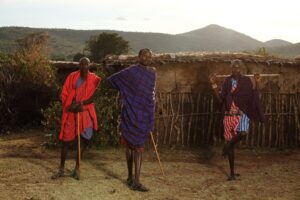
The cultural identity of the Maasai tribe is built on a rich system of traditions, rituals, and social organization that has remained largely intact for generations. One of the most defining features of Maasai culture is their age-set system, which organizes individuals into groups that progress together through life stages. This structure governs responsibilities, leadership roles, and rites of passage within the Maasai tribe.
Rites of passage are central to Maasai life. From childhood to elderhood, each stage is marked by elaborate ceremonies that reinforce community values and social cohesion. The transition from boyhood to warrior status (Moran) is particularly significant, symbolizing bravery, discipline, and responsibility. These rituals are not merely symbolic but serve as educational frameworks that pass down moral codes and survival skills within the Maasai tribe.
Traditional Maasai attire is another powerful expression of cultural identity. Brightly colored shúkàs, intricate beadwork, and distinctive jewelry carry deep symbolic meanings related to age, marital status, and social standing. Red, for instance, symbolizes bravery and protection, a color strongly associated with the Maasai tribe worldwide. Beadwork, often handcrafted by Maasai women, is both artistic and communicative, telling stories of family, lineage, and life milestones.
Music and dance also play a vital role in cultural expression. The famous Maasai jumping dance (Adumu) is performed during ceremonies and celebrations, showcasing strength and endurance. Unlike many African dances, Maasai performances emphasize vertical movement and vocal chanting rather than drumming. These cultural expressions strengthen unity and reinforce the shared identity of the Maasai tribe.
To learn more about Maasai cultural practices:
3. The Maasai Tribe and Cultural Tourism in East Africa
Cultural tourism has become an important economic pillar for the Maasai tribe, offering opportunities for income generation while promoting cultural awareness. Visitors from around the world are drawn to Maasai villages (Manyattas) to experience authentic traditions, ceremonies, and daily life. When managed ethically, tourism allows the Maasai tribe to benefit financially while maintaining control over how their culture is shared.
Many Maasai communities have established organized cultural bomas where tourists can participate in guided experiences. These include traditional dances, storytelling sessions, cattle herding demonstrations, and craft markets. Such interactions provide visitors with meaningful insights into the Maasai tribe while creating employment opportunities for local youth and women.
However, tourism also presents challenges. Over-commercialization can risk cultural dilution if traditions are performed solely for entertainment rather than cultural preservation. Progressive Maasai leaders and NGOs are working to ensure tourism remains community-led, respectful, and sustainable. This balance is critical to preserving the authenticity of the Maasai tribe for future generations.
The Maasai tribe is closely linked to some of Africa’s most famous wildlife destinations, including the Maasai Mara in Kenya and the Serengeti in Tanzania. Cultural tourism often complements wildlife safaris, offering travelers a more holistic understanding of the region’s human and natural heritage. This integration enhances the overall tourism value of the Maasai tribe.
Authoritative tourism resources include:
4. Modern Life, Education, and Challenges Facing the Maasai Tribe
While deeply rooted in tradition, the Maasai tribe is not isolated from modern realities. Education, healthcare, climate change, and land ownership issues increasingly shape contemporary Maasai life. Many Maasai families now balance traditional pastoralism with formal education and modern employment, creating a hybrid lifestyle that reflects both heritage and progress.
Education has become a critical tool for empowerment within the Maasai tribe. Schools established by government and non-profit organizations aim to increase literacy while respecting cultural values. Educated Maasai youth often become advocates for community rights, environmental conservation, and sustainable development. This shift demonstrates the adaptability of the Maasai tribe in navigating modern systems.
Climate change poses one of the most serious threats to Maasai livelihoods. Prolonged droughts reduce grazing land and water availability, directly affecting cattle survival. As a result, some Maasai communities are diversifying income sources through eco-tourism, beadwork businesses, and conservation partnerships. These adaptations are essential for the long-term resilience of the Maasai tribe.
Healthcare access remains a challenge in remote Maasai regions. Mobile clinics and community health initiatives have improved maternal and child health, but gaps remain. Addressing these challenges requires collaboration between governments, NGOs, and Maasai leadership to ensure culturally appropriate solutions that respect the autonomy of the Maasai tribe.
Useful resources:
5. Why the Maasai Tribe Remains a Global Cultural Icon
The Maasai tribe continues to captivate the global imagination due to its strong cultural identity, visual symbolism, and resilience in the face of change. From fashion runways to conservation campaigns, Maasai imagery is widely used, making cultural recognition both an opportunity and a responsibility. Protecting intellectual property rights and ensuring fair representation is an ongoing concern for the Maasai tribe.
What makes the Maasai tribe truly unique is their ability to preserve core values while adapting to modern influences. Their commitment to community, respect for nature, and spiritual worldview resonate with global conversations about sustainability and cultural diversity. These values position the Maasai tribe as a model for balancing tradition and progress.
For travelers, engaging with the Maasai tribe offers more than a cultural experience; it provides a lesson in resilience, identity, and coexistence with nature. Responsible tourism can play a vital role in supporting Maasai communities, ensuring that cultural exchange benefits both visitors and hosts.
As globalization accelerates, the Maasai tribe stands as a reminder that cultural heritage is not static but living, evolving, and worth protecting. Their story continues to inspire, educate, and connect people across continents.
Further reading:
6. The Maasai Tribe, Wildlife Conservation, and Sustainable Tourism
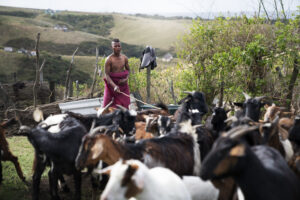
The relationship between the Maasai tribe and wildlife conservation is one of the most important yet often misunderstood aspects of cultural tourism in East Africa. For centuries, the Maasai people have coexisted with wild animals such as lions, elephants, giraffes, and wildebeest, long before the establishment of national parks and conservation areas. Unlike many modern conservation models that separate humans from nature, the Maasai tribe has traditionally practiced a lifestyle that allows livestock, wildlife, and people to share the same ecosystem with minimal conflict.
Historically, Maasai grazing practices helped maintain open grasslands, which are essential for wildlife migration and biodiversity. Seasonal movement of cattle prevented overgrazing and allowed land to regenerate naturally. This indigenous knowledge is now being recognized by conservation experts as an effective form of environmental management. Today, partnerships between conservation organizations and the Maasai tribe are redefining how sustainable tourism and wildlife protection can work together.
Community conservancies have emerged as a powerful model in Kenya and Tanzania, where Maasai landowners lease land for conservation and eco-tourism. These conservancies generate income through tourism fees, while still allowing the Maasai tribe to graze livestock under controlled conditions. This approach reduces human-wildlife conflict and ensures that local communities directly benefit from tourism rather than being displaced by it.
Sustainable tourism initiatives also empower Maasai women and youth through employment, education, and entrepreneurship. Beadwork cooperatives, eco-lodges, and guided cultural experiences are increasingly managed by Maasai communities themselves. For travelers, this means more authentic experiences and the satisfaction of knowing their visit supports ethical tourism. The global tourism industry is gradually learning that long-term conservation success depends on respecting and involving the Maasai tribe as key stakeholders.
Authoritative conservation resources:
7. Responsible Travel Tips When Visiting the Maasai Tribe
Visiting the Maasai tribe can be a deeply enriching cultural experience, but it also comes with responsibility. Responsible travel ensures that tourism remains respectful, ethical, and beneficial to the host community. Travelers who take time to understand Maasai customs, values, and social norms contribute positively to cultural preservation rather than exploitation.
One of the most important principles when visiting the Maasai tribe is respect for consent and privacy. Always ask permission before taking photographs, especially of individuals, homes, or ceremonies. Photography may seem harmless to visitors, but for the Maasai people, it can feel intrusive if done without mutual understanding. Many community-run tourism programs clearly explain photography guidelines to protect dignity and cultural integrity.
Supporting local economies is another key aspect of responsible tourism. Purchasing authentic beadwork, crafts, or guided experiences directly from Maasai communities ensures that money flows back to the people themselves. Avoid mass-produced souvenirs that imitate Maasai designs without benefiting the Maasai tribe. Ethical spending helps sustain livelihoods and encourages younger generations to value their cultural heritage.
Travelers should also be mindful of cultural sensitivity in dress and behavior. While the Maasai tribe is welcoming, modest clothing and polite interaction are signs of respect, particularly in rural villages. Listening to stories, asking thoughtful questions, and engaging with humility create meaningful exchanges that go beyond surface-level tourism.
Responsible travel organizations emphasize education and awareness as tools for positive impact. By choosing community-based tourism operators, visitors help protect the cultural and environmental future of the Maasai tribe while enjoying an authentic and unforgettable travel experience.
Helpful responsible tourism guides: