Explore the five zones on Kilimanjaro, their climate, vegetation, and tourism value. A complete guide for hikers and travelers.
Introduction: Understanding the Five Zones on Kilimanjaro
Mount Kilimanjaro is not only the highest mountain in Africa but also one of the most ecologically diverse mountains in the world. What makes it unique is the presence of clearly defined ecological and climatic layers that change dramatically as altitude increases. These layers are commonly referred to as the five zones on Kilimanjaro, and each zone offers a completely different environment, scenery, and tourism experience. From fertile farmland at the base to icy glaciers at the summit, Kilimanjaro is like walking from the equator to the Arctic in just a few days.
For tourists, hikers, researchers, and nature lovers, understanding the five zones on Kilimanjaro is essential. Each zone has its own weather patterns, plant and animal life, human interaction, and trekking challenges. These zones also influence what to pack, how to prepare physically, and what kind of experience to expect on the mountain. Kilimanjaro’s zoning system is one of the main reasons the mountain attracts hundreds of thousands of visitors every year.
This guide is designed to help travelers, bloggers, and tourism professionals gain a deep understanding of Kilimanjaro’s ecological structure. In Part 1, we focus exclusively on the Cultivation Zone, the first and lowest of the five zones on Kilimanjaro, which plays a critical role in both tourism and local livelihoods.
Authoritative references on Kilimanjaro’s geography can be found at:
1. The Cultivation Zone: The Gateway to the Five Zones on Kilimanjaro
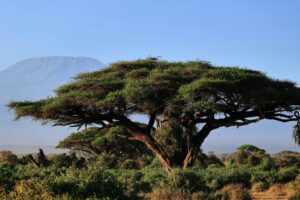
The Cultivation Zone is the lowest and most inhabited of the five zones on Kilimanjaro, stretching from approximately 800 meters to 1,800 meters above sea level. This zone surrounds the entire base of the mountain and serves as the primary entry point for most trekking routes. It is here that Kilimanjaro’s relationship with human civilization is most visible, making the Cultivation Zone a vital component of tourism on the mountain.
This zone is characterized by rich volcanic soils, warm temperatures, and reliable rainfall, which together create ideal conditions for agriculture. The fertile land supports crops such as bananas, coffee, maize, beans, and a variety of fruits and vegetables. Much of this farming is carried out by the Chagga people, the dominant ethnic group living on the slopes of Mount Kilimanjaro. Their agricultural practices have shaped the landscape for centuries and continue to support both local economies and tourism supply chains.
From a tourism perspective, the Cultivation Zone offers visitors a cultural experience that complements the physical challenge of climbing the mountain. Many climbers begin their journey by passing through villages, farms, and local markets, gaining insight into everyday life around Kilimanjaro. This interaction with local communities adds depth to the experience of exploring the five zones on Kilimanjaro, transforming a climb into a cultural journey.
The climate in the Cultivation Zone is generally warm and humid, with average temperatures ranging between 15°C and 30°C depending on the season. Rainfall is higher here than in the upper zones, especially during the long rains (March–May) and short rains (November–December). Because of this, the area is lush and green year-round, providing a striking contrast to the barren landscapes higher up the mountain.
Vegetation in this zone is dominated by cultivated plants rather than natural forest. Banana groves form dense green canopies, while coffee plantations are intercropped with shade trees. This traditional agroforestry system is not only environmentally sustainable but also visually unique, making the Cultivation Zone one of the most photographed areas among the five zones on Kilimanjaro.
Wildlife is limited compared to higher zones, but visitors may still encounter birds, small mammals, and insects that thrive in human-modified environments. Birdwatchers often spot species adapted to farmland and village life, adding another layer of interest for eco-tourists.
Economically, the Cultivation Zone is the backbone of Kilimanjaro tourism. It supplies food, labor, guides, porters, and accommodation services for climbers. Hotels, lodges, and homestays located in this zone benefit from proximity to trailheads and airports such as Kilimanjaro International Airport. Without the infrastructure and human resources provided by this zone, large-scale tourism on Kilimanjaro would not be possible.
However, the Cultivation Zone also faces challenges. Population growth, land fragmentation, and climate variability threaten agricultural productivity. Deforestation for farmland has reduced natural vegetation cover, affecting water sources that originate higher up the mountain. Sustainable land management is therefore critical to preserving both local livelihoods and the long-term viability of tourism across the five zones on Kilimanjaro.
Several conservation and development initiatives aim to address these challenges by promoting sustainable agriculture, reforestation, and eco-tourism. Programs supported by international organizations and the Tanzanian government encourage farmers to adopt climate-smart practices while benefiting from tourism-related income. These efforts highlight how the Cultivation Zone is not just a starting point for climbers, but a living, dynamic system essential to the health of the entire mountain.
For travelers planning to explore the five zones on Kilimanjaro, the Cultivation Zone offers practical advantages. Acclimatization begins gently here, food and supplies are readily available, and medical facilities are accessible. It is also the best zone for cultural tours, coffee farm visits, and community-based tourism experiences before or after a climb.
In summary, the Cultivation Zone is far more than farmland at the foot of Mount Kilimanjaro. It is the cultural, economic, and logistical foundation upon which the entire Kilimanjaro tourism industry rests. Understanding this zone provides essential context for appreciating the dramatic environmental changes that occur as one ascends through the remaining zones of the mountain. As the first layer of the five zones on Kilimanjaro, it sets the stage for an unforgettable journey upward.
Additional trusted resources:
2. The Rainforest Zone: The Lush Heart of the Five Zones on Kilimanjaro
The Rainforest Zone is one of the most ecologically rich and visually striking layers of Mount Kilimanjaro. Located between approximately 1,800 meters and 2,800 meters above sea level, this zone forms a dense green belt that wraps around much of the mountain. For many hikers and tourists, the Rainforest Zone is their first true immersion into Kilimanjaro’s wild natural environment and a defining highlight among the five zones on Kilimanjaro.
This zone exists because of a unique interaction between altitude, moisture, and prevailing winds. Warm, moisture-laden air from the Indian Ocean is pushed upward along the slopes of Kilimanjaro, where it cools and condenses, producing heavy rainfall. As a result, the Rainforest Zone receives between 1,500 and 2,500 millimeters of rain annually, making it the wettest zone on the mountain. This abundance of water supports thick vegetation, towering trees, moss-covered trunks, and an almost constant mist that gives the forest a mysterious atmosphere.
From a tourism perspective, the Rainforest Zone is where Kilimanjaro begins to feel like a true adventure. Most popular trekking routes—including Marangu, Machame, Lemosho, and Rongai—pass through this zone. Trails here are often muddy, slippery, and shaded by a dense canopy, requiring careful footing and proper hiking gear. The dramatic change from cultivated farmland to untouched forest emphasizes the sharp ecological contrasts that define the five zones on Kilimanjaro.
Vegetation in the Rainforest Zone is exceptionally diverse. Tall evergreen trees such as camphorwood, fig trees, and podocarpus dominate the upper canopy, while ferns, shrubs, and flowering plants thrive below. Tree trunks and branches are often draped in mosses, lichens, and epiphytes, creating a layered ecosystem that supports countless life forms. This lush environment plays a crucial role in regulating water flow on the mountain, feeding rivers and streams that sustain communities far below.
Wildlife is far more abundant in the Rainforest Zone than in the lower cultivated areas. Although animals are often hidden by thick vegetation, observant hikers may spot blue monkeys, black-and-white colobus monkeys, bush babies, and a wide variety of bird species. The forest is also home to insects, amphibians, and small mammals that are rarely seen elsewhere on the mountain. For nature lovers, this zone offers some of the best biodiversity encounters across the five zones on Kilimanjaro.
Climatically, the Rainforest Zone is cooler than the Cultivation Zone but still relatively mild, with daytime temperatures averaging between 10°C and 20°C. Humidity, however, is high, and rainfall can occur at any time of day. This combination of cool air and moisture creates conditions that can feel surprisingly cold, especially when hikers stop moving. As a result, guides emphasize the importance of waterproof clothing and layered gear while trekking through this zone.
The Rainforest Zone also plays a critical role in the success or failure of a Kilimanjaro climb. Because it is the first zone where altitude begins to have a noticeable effect, hikers may start to feel subtle symptoms such as mild breathlessness or fatigue. While serious altitude sickness is rare at this level, the zone serves as an early acclimatization stage, helping the body adjust gradually as climbers ascend through the remaining zones.
Environmentally, this zone is one of the most sensitive areas on the mountain. Deforestation, illegal logging, and climate change pose ongoing threats to forest health. Reduced rainfall or changes in temperature patterns could significantly alter the structure of the Rainforest Zone, affecting water supplies for millions of people who depend on rivers originating from Kilimanjaro. Conservation efforts led by the Tanzanian government and international organizations focus heavily on protecting this forest due to its ecological importance.
Tourism has both positive and negative impacts on the Rainforest Zone. On one hand, trekking fees contribute to conservation funding and park management. On the other hand, heavy foot traffic can lead to trail erosion, waste management challenges, and disturbance of wildlife if not properly controlled. Kilimanjaro National Park authorities enforce strict regulations, including designated trails and mandatory guides, to minimize environmental damage and ensure sustainable tourism across the five zones on Kilimanjaro.
For photographers and content creators, the Rainforest Zone offers unique opportunities. Sunlight filtering through thick foliage, mist rolling between trees, and vibrant shades of green create dramatic visuals that are unlike any other part of the mountain. These elements make the zone especially popular for travel blogs, documentaries, and eco-tourism marketing materials.
Culturally, while permanent settlements are absent within the protected forest, the Rainforest Zone holds significance for local communities living nearby. Traditionally, forests provided medicinal plants, building materials, and spiritual value. Today, access is regulated to balance cultural use with conservation, reflecting a broader effort to harmonize human needs and environmental protection.
As hikers emerge from the Rainforest Zone and climb higher, the dense vegetation begins to thin, signaling the transition to the Heath and Moorland Zone. This moment is often memorable, as travelers witness the forest give way to open landscapes and sweeping views. Understanding the Rainforest Zone helps travelers appreciate how dramatically conditions change across the five zones on Kilimanjaro, both environmentally and experientially.
In conclusion, the Rainforest Zone is the ecological backbone of Mount Kilimanjaro. Its lush vegetation, rich biodiversity, and critical role in water regulation make it indispensable not only to the mountain itself but also to surrounding regions. For tourists, it represents the point where Kilimanjaro reveals its wild soul, offering an immersive experience that sets the tone for the challenging ascent ahead. Among the five zones on Kilimanjaro, the Rainforest Zone stands out as a symbol of life, balance, and natural beauty.
Trusted external references:
3. The Heath and Moorland Zone: The Transitional Wilderness of the Five Zones on Kilimanjaro
The Heath and Moorland Zone marks one of the most dramatic transitions on Mount Kilimanjaro, both environmentally and visually. Found between approximately 2,800 meters and 4,000 meters above sea level, this zone sits above the dense Rainforest and below the harsh Alpine Desert. For many climbers, the Heath and Moorland Zone is where the mountain truly begins to feel remote and otherworldly, making it a defining stage within the five zones on Kilimanjaro.
As hikers ascend into this zone, the towering trees of the rainforest gradually disappear, replaced by open landscapes dominated by shrubs, grasses, and hardy plants adapted to cooler temperatures and stronger winds. The sense of enclosure provided by the forest gives way to expansive views, allowing trekkers to see vast stretches of the mountain for the first time. This visual openness is one of the reasons many travelers describe the Heath and Moorland Zone as a psychological turning point on their journey through the five zones on Kilimanjaro.
Climatically, this zone experiences significantly cooler and drier conditions compared to lower elevations. Daytime temperatures typically range between 5°C and 15°C, while nighttime temperatures can drop below freezing. Rainfall decreases sharply, and weather patterns become more unpredictable, with sunshine, mist, wind, and cold often occurring within the same day. These changing conditions require hikers to adjust their clothing and pace, reinforcing the importance of preparation as one ascends through the five zones on Kilimanjaro.
Vegetation in the Heath and Moorland Zone is uniquely adapted to survive in thin soils, strong sunlight, and temperature extremes. Iconic plant species such as giant lobelias and giant groundsels (senecios) dominate the landscape, giving the zone an almost prehistoric appearance. These plants have evolved remarkable survival mechanisms, including water storage tissues and protective leaf structures, enabling them to endure freezing nights and intense daytime sun.
Grasses, heathers, and low shrubs form the foundation of the ecosystem, while colorful wildflowers may appear during wetter seasons. Despite its seemingly sparse appearance, the Heath and Moorland Zone supports a surprisingly complex ecological system. This zone acts as a buffer between the moisture-rich rainforest below and the arid alpine conditions above, playing a crucial role in the overall balance of the mountain’s environment.
Wildlife becomes less visible as altitude increases, but the Heath and Moorland Zone is not devoid of life. Smaller mammals such as rodents may be present, along with bird species adapted to open, high-altitude habitats. Insects are fewer, but still present during warmer months. For observant trekkers, these subtle signs of life highlight the resilience of nature across the five zones on Kilimanjaro.
From a trekking and tourism standpoint, this zone is often where climbers begin to feel the effects of altitude more noticeably. Symptoms such as shortness of breath, headaches, or fatigue may start to appear as oxygen levels decrease. Guides frequently emphasize the importance of slow, steady movement and hydration in this zone, as proper acclimatization here greatly increases the chances of a successful summit attempt later on.
The Heath and Moorland Zone also offers some of the most iconic campsites on Mount Kilimanjaro. Locations such as Shira Camp, Moorland Camp, and Horombo Hut are situated within this zone, providing breathtaking views of the mountain’s upper slopes and surrounding plains. Sunrises and sunsets here are particularly spectacular, with shifting colors illuminating the vast open landscape.
Environmentally, this zone is highly sensitive to human impact. Vegetation grows slowly due to cold temperatures and limited moisture, meaning that damage from trampling or off-trail hiking can take decades to recover. Kilimanjaro National Park enforces strict trail use and camping regulations to protect this fragile environment and preserve the integrity of the five zones on Kilimanjaro for future generations.
Tourism management in the Heath and Moorland Zone focuses on balancing access with conservation. Park authorities monitor trail erosion, manage waste disposal, and limit campsite expansion to minimize ecological damage. These measures are essential, as increased tourism pressure could easily disrupt the delicate balance that allows life to exist at this altitude.
For photographers and landscape enthusiasts, the Heath and Moorland Zone is a dream destination. The combination of wide-open spaces, dramatic cloud formations, and unusual plant life creates stunning visual contrasts. The zone’s isolation and silence also offer a sense of solitude rarely found in lower elevations, enhancing the emotional impact of the journey through the five zones on Kilimanjaro.
Culturally, while permanent human settlements do not exist at this altitude, the zone holds symbolic importance for local communities and climbers alike. It represents endurance, transition, and respect for nature’s limits. Many trekkers describe this zone as the place where they begin to understand the true scale and power of Mount Kilimanjaro.
As hikers continue upward, vegetation becomes increasingly sparse, and the landscape shifts toward rock, gravel, and dust. This gradual transformation signals the approach of the Alpine Desert Zone, the next and even more challenging layer of the mountain. Experiencing this transition firsthand helps travelers appreciate the extraordinary diversity contained within the five zones on Kilimanjaro.
In summary, the Heath and Moorland Zone is a place of balance between life and harshness, beauty and challenge. Its unique vegetation, cooler climate, and expansive views make it one of the most memorable stages of a Kilimanjaro climb. More than just a passage between zones, it is a critical acclimatization environment and a visual showcase of nature’s adaptability. Within the five zones on Kilimanjaro, the Heath and Moorland Zone stands as a powerful reminder of the mountain’s ecological complexity and the journey still ahead.
Trusted external references:
4. The Alpine Desert Zone: The Harsh and Silent Realm of the Five Zones on Kilimanjaro
The Alpine Desert Zone is one of the most extreme and unforgiving environments on Mount Kilimanjaro. Located between approximately 4,000 meters and 5,000 meters above sea level, this zone represents a dramatic shift from the vegetated landscapes below to a barren, almost lunar terrain. For many climbers, entering the Alpine Desert Zone is a powerful reminder that they are moving into a high-altitude world governed by harsh natural forces. Within the five zones on Kilimanjaro, this zone tests both physical endurance and mental resilience.
As the name suggests, the Alpine Desert Zone receives very little precipitation, often less than 250 millimeters of rainfall per year. Despite its high altitude, the environment is classified as a desert due to the lack of moisture rather than heat. During the day, temperatures can rise to 20°C under intense equatorial sunlight, while at night they can plunge well below -10°C. This extreme temperature variation within a single 24-hour period defines life—or the lack of it—within this zone.
The landscape of the Alpine Desert Zone is dominated by volcanic rock, loose gravel, ash, and sand formed by ancient eruptions of Mount Kilimanjaro. Vegetation is extremely sparse, limited to a few hardy mosses and lichens that cling to rocks in sheltered areas. These organisms grow very slowly and are highly sensitive to disturbance, making conservation particularly important at this altitude.
From a visual standpoint, the Alpine Desert Zone feels vast, open, and eerily quiet. The absence of vegetation and wildlife creates a sense of isolation that many climbers find both intimidating and awe-inspiring. Wide views stretch across the mountain’s slopes, and on clear days, hikers can see far into the surrounding plains of Tanzania and Kenya. This stark beauty is a defining feature of the Alpine Desert Zone and a memorable part of the journey through the five zones on Kilimanjaro.
Physiologically, this zone presents some of the most significant challenges of the entire climb. Oxygen levels here are approximately 50–60% of those at sea level, meaning the human body must work much harder to perform even simple tasks. Walking becomes slower, breathing becomes heavier, and fatigue sets in more quickly. This is why guides strongly emphasize the principle of “pole pole” (slowly, slowly) when trekking through this zone.
Altitude-related symptoms such as headaches, nausea, dizziness, and loss of appetite are more common in the Alpine Desert Zone. While serious altitude sickness can occur, proper acclimatization in lower zones greatly reduces the risk. Many itineraries include acclimatization hikes or extra days specifically to help climbers adapt before entering this demanding environment. The Alpine Desert Zone is often where the success or failure of a summit attempt is decided.
Several well-known landmarks and campsites are located within this zone, making it a crucial stage of the climb. Sites such as Barafu Camp, Kibo Hut, and Kosovo Camp serve as base camps for summit night. These camps are intentionally positioned high to reduce the distance to the summit but low enough to allow limited rest. Nights here are cold, windy, and restless, yet they mark one of the most exciting phases of the Kilimanjaro experience.
Environmentally, the Alpine Desert Zone is extremely fragile. Because life processes are slow, any damage caused by human activity—such as littering, trail erosion, or off-path hiking—can persist for decades. Kilimanjaro National Park enforces strict “leave no trace” principles in this zone, requiring all waste to be carried down the mountain. These conservation efforts are essential to preserving the integrity of the five zones on Kilimanjaro.
Tourism in the Alpine Desert Zone is highly regulated. Only registered guides, porters, and climbers are allowed access, and movement is restricted to designated routes and campsites. This controlled approach helps minimize environmental impact while maintaining safety standards. The fees paid by climbers contribute directly to park management, conservation, and local employment, making tourism a key factor in protecting this harsh yet iconic zone.
Psychologically, the Alpine Desert Zone has a profound impact on climbers. The thin air, silence, and lack of visual stimulation can create a sense of vulnerability and introspection. Many trekkers describe this zone as the most mentally challenging part of the climb, where determination and focus become as important as physical strength. Successfully moving through this zone builds confidence and prepares climbers for the final push to the summit.
Weather conditions in the Alpine Desert Zone can change rapidly. Sudden winds, cloud cover, or snow are not uncommon, even outside the main rainy seasons. Guides constantly monitor weather patterns and may adjust schedules to ensure safety. This unpredictability highlights the importance of experienced leadership when navigating the five zones on Kilimanjaro.
Despite its harshness, the Alpine Desert Zone plays a crucial role in the mountain’s overall ecosystem. It acts as a transitional buffer between the biologically active lower zones and the frozen summit above. Its barren nature also preserves geological features that provide insight into Kilimanjaro’s volcanic history, making it an area of interest for scientists and geologists.
As climbers move higher, the ground becomes increasingly rocky and icy, and temperatures drop further. This signals the approach of the final and most extreme zone of the mountain—the Arctic Zone. Passing through the Alpine Desert Zone is therefore both a physical achievement and a symbolic threshold, marking the final stage of the ascent through the five zones on Kilimanjaro.
In conclusion, the Alpine Desert Zone is a place of extremes, where survival is pushed to its limits and nature reveals its raw power. Its barren landscapes, thin air, and harsh climate challenge every climber who enters it. Yet, it is precisely these challenges that make the zone so memorable and rewarding. Within the five zones on Kilimanjaro, the Alpine Desert Zone stands as a testament to endurance, discipline, and respect for the mountain.
Trusted external references:
5. The Arctic Zone: The Summit and Ultimate Challenge of the Five Zones on Kilimanjaro
The Arctic Zone is the highest, coldest, and most extreme environment on Mount Kilimanjaro. Extending from approximately 5,000 meters above sea level to the summit at 5,895 meters (Uhuru Peak), this zone represents the final and most demanding stage of the climb. Despite Kilimanjaro being located just south of the equator, the Arctic Zone is defined by freezing temperatures, ice, snow, and glaciers. Among the five zones on Kilimanjaro, this is the zone that symbolizes ultimate achievement, endurance, and human determination.
The name “Arctic Zone” reflects the climatic conditions rather than geographic location. Temperatures here commonly range between -10°C and -20°C, with wind chill making it feel even colder. Oxygen levels drop to about 40% of sea-level concentration, placing immense strain on the human body. These factors make the Arctic Zone not only physically challenging but also potentially dangerous without proper acclimatization and guidance.
The landscape of the Arctic Zone is stark and minimalistic. Vegetation is virtually nonexistent, as conditions are too harsh to support plant life. Instead, the terrain is dominated by volcanic rock, ice fields, and glaciers that have formed over thousands of years. Features such as the Furtwängler Glacier and remnants of Kilimanjaro’s once-extensive ice cap are among the most striking sights near the summit. These icy formations make the Arctic Zone visually unique within the five zones on Kilimanjaro.
Scientifically, the Arctic Zone has gained global attention due to the rapid retreat of its glaciers. Climate change has caused significant ice loss over the past century, raising concerns among scientists and conservationists. Studies suggest that Kilimanjaro’s glaciers may disappear entirely within decades if current trends continue. This makes the Arctic Zone not only a tourism highlight but also a powerful symbol of global environmental change.
Summit night—the final ascent to Uhuru Peak—takes place entirely within the Arctic Zone. Climbers usually begin this push around midnight, allowing them to reach the summit at sunrise. This timing minimizes exposure to melting ice and unstable conditions while maximizing safety. The climb is slow, steep, and mentally exhausting, often described as the hardest part of the entire journey through the five zones on Kilimanjaro.
Physically, the Arctic Zone pushes the body to its absolute limits. Simple movements require significant effort, and symptoms of altitude stress such as headaches, nausea, confusion, and extreme fatigue are common. Guides monitor climbers closely, watching for signs of acute mountain sickness or high-altitude cerebral or pulmonary edema. Safety protocols are strict, and turning back is always encouraged if conditions become unsafe.
Despite these challenges, reaching the summit is an emotionally powerful experience. Standing at Uhuru Peak, the highest point in Africa, climbers are rewarded with breathtaking views of glaciers glowing in the early morning light and clouds stretching endlessly below. For many, this moment represents the culmination of months—or even years—of preparation. It is the ultimate reward for successfully navigating the five zones on Kilimanjaro.
The Arctic Zone is also where the importance of teamwork becomes most apparent. Guides, porters, and climbers rely heavily on one another for encouragement and safety. The success of a summit attempt often depends not on individual strength alone but on collective support and experienced leadership. This human element adds emotional depth to the otherwise silent and barren environment.
Tourism in the Arctic Zone is tightly regulated to ensure safety and environmental protection. Only climbers accompanied by licensed guides are permitted, and strict rules govern movement, waste management, and time spent near the summit. These measures are essential, as rescue operations at this altitude are extremely difficult and resource-intensive.
From a symbolic perspective, the Arctic Zone represents far more than just the top of a mountain. It embodies perseverance, humility in the face of nature, and respect for environmental limits. Many climbers report a profound sense of reflection and gratitude after descending from the summit, having experienced firsthand the extremes contained within the five zones on Kilimanjaro.
The descent from the Arctic Zone is often faster but requires caution, as fatigue and loose gravel increase the risk of injury. As climbers move back into lower zones, oxygen levels rise, temperatures warm, and the body begins to recover. This rapid transition highlights just how extreme the Arctic Zone truly is compared to the rest of the mountain.
In the broader context of tourism, the Arctic Zone is the defining feature that elevates Kilimanjaro from a scenic mountain to a world-class adventure destination. Its accessibility—requiring no technical climbing skills—combined with its extreme conditions makes Kilimanjaro unique among the world’s highest peaks. This combination is a key reason why the mountain attracts climbers from all over the globe.
In conclusion, the Arctic Zone is the ultimate test of endurance on Mount Kilimanjaro. Its freezing temperatures, thin air, and icy landscapes create an environment that is both hostile and awe-inspiring. Successfully reaching and descending from this zone is a life-changing achievement for many travelers. As the final and most extreme layer of the five zones on Kilimanjaro, the Arctic Zone stands as a powerful reminder of nature’s strength and the human spirit’s capacity to rise above challenge.
Trusted external references: