
Discover the history and formation of Ngorongoro Crater, Africa’s largest intact volcanic caldera and a world-class tourism destination.
1. Formation and Historical Significance of Ngorongoro Crater
https://kili2sereadventure.com/safarii/
The Ngorongoro Crater is one of the most extraordinary geological and ecological features on Earth, celebrated not only for its breathtaking beauty but also for its deep scientific, historical, and cultural importance. Located in northern Tanzania within the Ngorongoro Conservation Area, this vast natural structure is the world’s largest intact and unfilled volcanic caldera. Its formation marks a dramatic chapter in the geological history of East Africa and plays a foundational role in the region’s global tourism appeal.
Geologically, the crater was formed approximately 2 to 3 million years ago when a massive volcano—once believed to be taller than Mount Kilimanjaro—erupted violently and subsequently collapsed inward. Rather than exploding outward like many volcanic eruptions, the magma chamber beneath the volcano emptied, causing the summit to cave in on itself. This collapse created the enormous caldera we see today, measuring about 19 kilometers wide, covering over 260 square kilometers, and plunging more than 600 meters deep from rim to floor.
What makes this geological event remarkable is how perfectly preserved the caldera remains. Unlike many volcanic craters that fill with lava, water, or sediment over time, the Ngorongoro caldera retained its structure, forming a self-contained ecosystem. This natural enclosure later became the foundation for one of the most densely populated wildlife habitats in the world, setting the stage for its modern reputation as a premier safari destination.
The volcanic soils deposited during the eruption enriched the crater floor, creating fertile ground capable of supporting grasslands, swamps, forests, and soda lakes within a relatively small area. This diversity of habitats is a direct result of the crater’s formation and contributes to its exceptional biodiversity. In tourism terms, the geological origins of the crater are inseparable from the wildlife experiences that attract visitors from across the globe.
Beyond geology, the historical significance of the Ngorongoro region extends deep into human history. The surrounding highlands, including nearby Olduvai Gorge, are among the most important paleoanthropological sites in the world. Fossil discoveries in this area have provided crucial evidence about early human evolution, earning the region recognition as the “Cradle of Mankind.” This connection between geological formation and human history adds an intellectual and educational dimension to tourism in the area.
For centuries, long before the arrival of European explorers, the crater and its surrounding lands were inhabited and used by indigenous communities. Pastoralist groups, particularly the Maasai, utilized the highland plains for grazing livestock, guided by seasonal patterns and ecological knowledge passed down through generations. Their historical relationship with the land forms an important chapter in the story of the Ngorongoro Crater, blending natural history with living culture.
During the late 19th and early 20th centuries, European explorers and colonial administrators began documenting the crater’s existence, marveling at its scale and wildlife abundance. German explorer Oscar Baumann is often credited with bringing international attention to the crater in the 1890s. As colonial influence expanded, so did interest in conserving the area for wildlife and scientific study.
In 1959, a major administrative shift occurred with the establishment of the Ngorongoro Conservation Area (NCA). Unlike traditional national parks, the NCA was designed as a multiple-use landscape, allowing wildlife conservation, tourism, and human habitation to coexist. This unique model recognized the historical presence of pastoralist communities while prioritizing ecological preservation. The crater became the centerpiece of this conservation strategy and a flagship attraction for Tanzanian tourism.
International recognition soon followed. In 1979, the Ngorongoro Conservation Area was designated a UNESCO World Heritage Site, acknowledging its outstanding universal value in terms of geology, ecology, and human history. Later, it also gained recognition as a UNESCO Global Geopark, further emphasizing its importance as a geological treasure. These designations elevated the global profile of the Ngorongoro Crater and strengthened its appeal among international travelers seeking destinations of scientific and cultural significance.
From a tourism perspective, the crater’s formation story is a powerful narrative that enhances visitor experience. Guides often begin safaris with explanations of how the caldera formed, helping visitors understand why such a high concentration of wildlife exists in one place. This educational element adds depth to game drives and distinguishes the crater from other safari destinations that lack such a dramatic geological backstory.
The physical structure of the crater also plays a practical role in tourism management. Its enclosed nature allows for controlled access points, designated descent roads, and regulated vehicle numbers on the crater floor. These measures help protect the fragile ecosystem while maintaining high-quality visitor experiences. Without the unique geological formation of the Ngorongoro Crater, such management would be far more difficult.
Climatically, the crater’s high rim creates a microclimate that influences weather patterns within the caldera. Mist and cloud cover are common along the rim, while the crater floor often remains sunnier and warmer. This microclimate supports year-round wildlife viewing, reinforcing the crater’s reputation as a reliable safari destination regardless of season.
In the broader context of African tourism, the crater represents a rare convergence of natural processes, ecological abundance, and historical depth. Few places on the continent—and indeed the world—offer such a compact yet diverse representation of Earth’s geological and biological history. This uniqueness is a key reason why the Ngorongoro Crater consistently ranks among the top travel destinations in Africa.
Understanding the formation and historical significance of the crater is essential for anyone seeking more than a surface-level safari experience. It reveals how ancient volcanic forces, evolutionary processes, and human history intersect to create a living landscape that continues to evolve. As the foundation of the Ngorongoro Conservation Area, the crater’s story sets the tone for all tourism activities that follow.
In summary, the Ngorongoro Crater is far more than a scenic viewpoint or wildlife hotspot. It is a geological masterpiece shaped by immense natural forces, a historical archive of human evolution, and a carefully managed conservation landscape. This deep and layered history is what transforms a visit into an educational and emotionally resonant journey. As the heart of northern Tanzania’s safari circuit, the Ngorongoro Crater stands as a testament to nature’s power and humanity’s responsibility to protect it.
Trusted External References
2. Wildlife and Biodiversity in Ngorongoro Crater
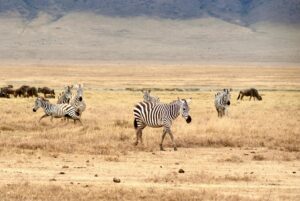
The Ngorongoro Crater is widely celebrated as one of the most remarkable wildlife destinations in the world, attracting thousands of tourists each year eager to witness its extraordinary concentration of animals and unique ecological systems. This 260-square-kilometer caldera, enclosed by towering volcanic walls, supports a diverse range of species, making it an unparalleled hotspot for biodiversity. Within this natural amphitheater, ecosystems are balanced in a way rarely seen anywhere else, offering visitors a chance to experience Africa’s wildlife at its most vibrant and accessible.
The Big Five and Other Iconic Mammals
The crater is home to all members of the Big Five—lion, leopard, elephant, rhinoceros, and Cape buffalo. Lions thrive on the open grasslands, often forming prides that are observable from safari vehicles, making the crater a prime location for lion sightings. Leopards, more elusive by nature, inhabit the denser forests and escarpments along the crater rim. Elephant herds roam across the valley, moving between waterholes and grazing areas, while Cape buffalo herds can be seen in large numbers across plains and woodlands. Critically endangered black rhinos, carefully monitored by conservation authorities, also inhabit the crater, highlighting its global significance in species preservation.
In addition to the Big Five, Ngorongoro Crater supports an astonishing variety of other large mammals. Wildebeest, zebras, elands, and gazelles traverse the grasslands, providing prey for predators and contributing to the ecological balance. Predators such as cheetahs, hyenas, and jackals also inhabit the crater, ensuring that food chains remain intact. This diversity is a direct result of the crater’s unique geography and the fertile soils that support abundant vegetation.
Birdlife and Avian Diversity
The crater’s ecological richness extends to its avian population, which is among the most diverse in Africa. Over 500 bird species have been recorded within the Ngorongoro Crater, ranging from raptors like martial eagles to waterbirds around the soda lakes. Flamingos are a seasonal spectacle, gathering in thousands along the alkaline lakes that dot the crater floor. Birdwatchers can also spot endemic species and migratory birds, making the crater a year-round haven for ornithologists and nature photographers alike.
Vegetation Zones and Habitats
The biodiversity of Ngorongoro Crater is enhanced by its varied habitats. The crater floor features open grasslands, acacia woodlands, swamps, and small soda lakes, each supporting different species. The rim areas are forested and provide shelter for tree-dwelling animals, including monkeys and birds. Seasonal variations influence grazing patterns, water availability, and animal movements, ensuring that visitors encounter different wildlife experiences depending on the time of year.
The rich volcanic soil nourishes grasses and plants that sustain herbivore populations. Seasonal blooms create spectacular scenery while offering food and shelter for numerous species. Conservation authorities carefully monitor grazing and vegetation patterns to ensure ecological balance and prevent overgrazing, making the crater a prime example of sustainable wildlife management.
Endemic and Rare Species
The crater hosts several species that are rare or unique to this part of Africa. For example, the black rhinoceros population is one of the few remaining in East Africa, protected through careful anti-poaching measures. Other rare mammals include servals and bat-eared foxes, which are seldom seen in more accessible safari destinations. In addition, several amphibians, reptiles, and insect species thrive in the crater’s distinct microhabitats, demonstrating how geological features influence biological diversity.
Conservation and Research Efforts
The extraordinary concentration of wildlife within the Ngorongoro Crater makes it a focal point for conservation and scientific research. Managed by the Ngorongoro Conservation Area Authority (NCAA), the area operates as a multiple-use conservation landscape, balancing wildlife preservation, tourism, and local community needs. Anti-poaching initiatives, veterinary interventions, and population monitoring programs help ensure the survival of endangered species while maintaining ecological integrity.
Researchers study predator-prey dynamics, migratory behaviors, and habitat utilization, using the crater as a natural laboratory for understanding ecosystem management. The findings inform both local conservation policies and global strategies for protecting biodiversity in fragile environments. Educational tourism programs often integrate this research, allowing visitors to appreciate the scientific significance of what they observe on safari.
Tourism and Wildlife Viewing
From a tourism perspective, the Ngorongoro Crater offers one of the highest-density wildlife viewing experiences in Africa. Game drives are conducted along designated tracks, allowing tourists to safely observe animals in their natural habitats without disrupting ecological processes. Guides provide interpretation and insight into animal behaviors, habitats, and interactions, enriching the visitor experience beyond simple sightings. Photographers benefit from excellent vantage points, lighting conditions, and proximity to animals compared to other safari areas.
Seasonal Patterns and Migration
While Ngorongoro Crater is not part of the great wildebeest migration corridor, seasonal movements of herbivores within the crater are significant. During the dry season, animals concentrate around permanent water sources, creating concentrated viewing opportunities. In wetter months, grazing animals spread across the plains and forested areas, influencing predator behavior and overall ecological interactions. Understanding these patterns is key to planning safaris and maximizing wildlife encounters.
Challenges to Biodiversity
Despite its abundance, the crater faces ecological challenges. Human-wildlife conflict, climate change, and potential over-tourism could disrupt natural balances. Soil erosion, water pollution, and vegetation degradation are monitored closely by NCAA and conservation partners. Sustainable tourism practices, strict vehicle limits, and educational programs for visitors are all part of a comprehensive strategy to protect the crater’s remarkable biodiversity.
A Living Laboratory
Ultimately, the Ngorongoro Crater is more than a safari destination; it is a living laboratory for understanding the intricate interplay between species, habitats, and environmental forces. The diversity of mammals, birds, reptiles, and plants within the crater provides insight into the resilience and adaptability of life. For tourists, experiencing this biodiversity in person is both educational and awe-inspiring, offering memories that last a lifetime.
In conclusion, the Ngorongoro Crater exemplifies the richness and complexity of East African ecosystems. Its concentration of wildlife, combined with varied habitats and committed conservation efforts, makes it a global tourism jewel. Understanding its biodiversity enhances the visitor experience, creating a deeper appreciation for the delicate balance that sustains this extraordinary natural wonder.
Trusted External References
3. The Maasai People and Cultural Tourism in Ngorongoro Crater

The Ngorongoro Crater is not only a geological and wildlife marvel but also a cultural heartland for the Maasai people, one of East Africa’s most iconic pastoralist communities. For centuries, the Maasai have lived in harmony with the land, practicing traditional cattle herding while maintaining a unique cultural identity that fascinates visitors worldwide. Within the broader Ngorongoro Conservation Area, cultural tourism offers travelers the opportunity to engage with Maasai customs, crafts, and daily life, making the crater a multidimensional destination that blends natural and human heritage.
Maasai Heritage and Lifestyle
The Maasai are semi-nomadic pastoralists whose lives revolve around cattle, which serve as a primary source of food, wealth, and social status. Within the Ngorongoro Crater, Maasai communities maintain traditional homesteads, known as enkangs, composed of circular huts made from mud, sticks, and cow dung. These settlements are strategically located near grazing lands to support their herds while coexisting with the region’s abundant wildlife.
Cultural tourism has enabled visitors to witness Maasai traditions firsthand. Daily routines such as milking cows, building huts, and tending to livestock offer insight into the Maasai’s sustainable lifestyle. Tourists also learn about age-set ceremonies, traditional dances, and the roles of elders in community decision-making. Such experiences provide a deep understanding of how human culture can coexist with one of the world’s densest wildlife ecosystems.
Traditional Clothing and Art
Maasai clothing is iconic, instantly recognizable for its vibrant reds, blues, and checkered patterns. Beadwork is another hallmark of Maasai culture, with women creating elaborate necklaces, bracelets, and earrings that convey social status, marital status, and age groups. Cultural tourism in the Ngorongoro Crater often includes visits to Maasai workshops, where visitors can observe and purchase authentic crafts. These interactions support local economies while preserving cultural knowledge for future generations.
Spiritual and Social Beliefs
The Maasai maintain a profound spiritual connection to the land. They believe in Enkai (or Engai), a deity associated with rain, fertility, and cattle abundance. Rituals and ceremonies are often held to honor Enkai, particularly during important events like births, initiations, and harvests. Understanding these spiritual practices enriches the tourism experience, offering travelers a perspective on how culture and environment are interwoven in Ngorongoro Crater.
Cultural Tourism Practices
Tourism in Maasai areas of the crater is structured to ensure mutual respect and sustainability. Many lodges and tour operators collaborate with Maasai communities, offering guided cultural tours that are carefully managed to minimize disruption. Visitors can participate in traditional song and dance, learn basic beadwork techniques, or even help herd cattle under the supervision of local elders. Importantly, all interactions are based on consent, compensation, and respect for privacy, reflecting modern ethical tourism standards.
Educational tourism programs often include explanations of how Maasai practices complement conservation efforts. For example, rotational grazing prevents overgrazing, allowing vegetation and wildlife habitats to flourish. This balance between cultural heritage and environmental stewardship makes Ngorongoro Crater a model for integrated conservation and tourism.
Maasai and Wildlife Coexistence
The Maasai’s presence within the crater demonstrates a remarkable example of coexistence with wildlife. Unlike in traditional national parks, where human activity is often restricted, the Ngorongoro Conservation Area allows for sustainable human habitation. Maasai herders move cattle along designated grazing areas, avoiding key wildlife habitats to minimize conflict. Predators occasionally prey on livestock, but traditional practices and modern compensation schemes help maintain harmony between humans and wildlife.
Tourists observing this coexistence gain a unique perspective: they can see how indigenous knowledge and modern conservation science intersect to create a resilient ecosystem. Understanding these dynamics is critical for appreciating the Ngorongoro Crater beyond its surface beauty.
Community-Based Tourism and Economic Impact
Cultural tourism generates vital income for Maasai communities. Entrance fees, guided tours, craft sales, and lodge employment contribute to household income and community development projects, including schools and health clinics. By promoting cultural tourism responsibly, the Ngorongoro Crater serves as a sustainable economic engine, encouraging preservation of both natural and cultural resources.
Many tourism programs emphasize responsible travel practices, including avoiding photographing individuals without consent, respecting sacred sites, and purchasing authentic local products. This ensures that tourism benefits the community while maintaining cultural dignity.
Cultural Festivals and Seasonal Activities
Certain times of the year, particularly during traditional ceremonies or harvest celebrations, offer tourists enhanced opportunities to experience Maasai culture. Events may include initiation rites, dance festivals, and livestock ceremonies. Guides provide context about the symbolic meaning behind these events, helping visitors understand the social and ecological significance within the crater ecosystem. Such festivals also reinforce Maasai identity and pride while educating visitors about the intricate connections between humans and nature.
Tourist Experiences and Tips
Visitors to the Ngorongoro Crater can engage in cultural tourism alongside wildlife safaris, creating a holistic experience. Recommended activities include:
-
Visiting a Maasai village to learn about daily life
-
Participating in beadwork and traditional crafts workshops
-
Observing herding routines and rotational grazing practices
-
Attending supervised cultural ceremonies and dances
Tourists are encouraged to approach these experiences with respect and curiosity, guided by trained community members who ensure interactions are authentic and ethical. These experiences provide not only memorable photographs but also insights into how humans have lived in balance with the crater ecosystem for centuries.
Preserving Culture for Future Generations
Cultural tourism within the Ngorongoro Crater plays a critical role in safeguarding Maasai traditions. Revenue from tourism supports schools, health programs, and cultural preservation projects, enabling the Maasai to maintain their heritage in a rapidly modernizing world. Visitors who engage ethically with the Maasai contribute directly to these efforts, making their travel experience both impactful and meaningful.
In conclusion, the Ngorongoro Crater is a unique fusion of natural splendor and human culture. The Maasai people provide a living connection to the land, demonstrating sustainable pastoral practices, spiritual traditions, and vibrant artistry. Cultural tourism enhances the visitor experience while supporting conservation, economic development, and heritage preservation. For anyone visiting the crater, engaging with the Maasai adds depth, understanding, and unforgettable human connection to an already extraordinary natural destination.
Trusted External References
4. Safari Experience and Tourism Activities in Ngorongoro Crater
The Ngoro
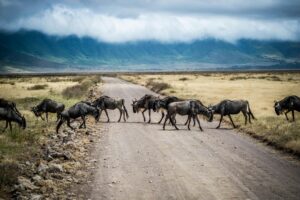
ngoro Crater is a globally renowned safari destination, offering travelers an unparalleled opportunity to observe Africa’s wildlife within one of the most dramatic natural landscapes on Earth. Unlike other safari areas, the crater’s unique geological formation creates a self-contained ecosystem, allowing for exceptional wildlife density and biodiversity within a relatively small area. This makes it one of the most accessible and rewarding safari destinations in Tanzania and the entire African continent.
Game Drives and Wildlife Viewing
One of the primary activities for tourists in the Ngorongoro Crater is the game drive, which allows visitors to explore the crater floor in search of its iconic wildlife. The enclosed nature of the crater ensures that animals remain concentrated, significantly increasing the likelihood of sightings. Professional guides provide expert commentary, educating visitors about species behaviors, predator-prey relationships, and ecological patterns. For photographers and wildlife enthusiasts, this creates unparalleled opportunities to capture high-quality images of lions, elephants, zebras, rhinos, and a variety of bird species.
Game drives are typically conducted in specially adapted 4×4 vehicles, which navigate the crater’s network of dirt roads. Most tours begin early in the morning to take advantage of optimal lighting conditions and animal activity patterns. Sunrise game drives are particularly popular, as the low-angle light enhances the visual spectacle of wildlife against the dramatic backdrop of the crater walls.
Bird Watching and Nature Walks
Beyond the large mammals, the Ngorongoro Crater is a haven for bird watchers. With over 500 recorded bird species, including flamingos that gather seasonally around soda lakes, the crater offers year-round avian diversity. Guided walking safaris allow tourists to experience the smaller ecological wonders of the crater, including endemic plants, insects, and reptiles. These guided nature walks emphasize the interconnectedness of species and habitats, offering an educational complement to traditional game drives.
Cultural Tourism Integration
Safari experiences are often combined with cultural tourism, allowing visitors to engage with the Maasai communities living within the Ngorongoro Conservation Area. Tour operators offer guided visits to Maasai villages, where tourists can learn about pastoral traditions, beadwork, and daily life. This combination of wildlife and cultural experiences enriches the overall safari, providing a multi-layered perspective of the crater as both a natural and human-influenced landscape.
Guided Tours and Expert Knowledge
Professional guides are essential to the safari experience in Ngorongoro Crater. They not only locate wildlife but also provide insight into animal behavior, ecosystem dynamics, and conservation issues. Many guides hold certifications in wildlife management and ecology, ensuring that tourists receive accurate and engaging information. This educational aspect distinguishes Ngorongoro safaris from purely recreational wildlife viewing and contributes to sustainable tourism practices.
Photography Safaris
The crater’s dramatic scenery, combined with the density of wildlife, makes it a premier destination for photography enthusiasts. Photography safaris often include extended game drives, specialized vehicles, and guidance on lighting, composition, and ethical wildlife interaction. Sunrise and sunset provide optimal lighting conditions, highlighting the vibrant colors of the grasslands, crater walls, and animal coats. Professional photographers and amateurs alike benefit from the unparalleled photographic opportunities within the Ngorongoro Crater.
Eco-Tourism and Conservation Safaris
Eco-tourism is a growing focus in the crater, with tours emphasizing sustainability and environmental responsibility. Visitors are encouraged to follow strict guidelines regarding waste management, vehicle movement, and wildlife interaction. Conservation-focused safaris often include educational components about anti-poaching measures, habitat preservation, and species monitoring efforts conducted by the Ngorongoro Conservation Area Authority (NCAA). This approach ensures that tourism contributes positively to conservation goals while providing meaningful experiences for visitors.
Lodges and Accommodation Options
Tourism infrastructure in and around the Ngorongoro Crater is designed to enhance the safari experience without disrupting the ecosystem. Luxury lodges, tented camps, and mid-range accommodations are strategically located along the crater rim and nearby highlands, offering spectacular views and easy access to safari entry points. Many lodges incorporate sustainable practices such as solar energy, water conservation, and community partnerships, reflecting a commitment to eco-friendly tourism. Staying within or near the crater allows tourists to maximize their time on game drives and enjoy scenic sunsets and sunrises over the crater walls.
Specialized Safari Activities
In addition to traditional game drives, the Ngorongoro Crater offers several specialized activities:
-
Guided walking safaris: Small-group excursions emphasizing flora, smaller fauna, and ecological education.
-
Birding tours: Expert-led trips focusing on endemic and migratory bird species.
-
Night drives: Occasionally available in surrounding areas for nocturnal wildlife observation.
-
Photography workshops: On-location training with professional wildlife photographers.
Each activity is designed to enhance the visitor experience while minimizing environmental impact, supporting both conservation and sustainable tourism development.
Tourism Seasons and Planning
The Ngorongoro Crater is accessible year-round, though different seasons affect wildlife visibility and activity. The dry season, from June to October, concentrates animals near water sources, offering the highest probability of predator-prey sightings. The wet season, November to May, brings lush green landscapes and calving season for many herbivores, attracting migratory birds and creating dramatic photographic opportunities. Proper planning and guidance are essential for maximizing safari experiences, particularly for first-time visitors.
Educational and Family-Friendly Experiences
Safari tours in the Ngorongoro Crater are suitable for a wide range of travelers, including families and educational groups. Guides provide age-appropriate interpretation and ensure safety while fostering curiosity about wildlife, ecosystems, and conservation. Many operators offer multi-day safari packages, integrating cultural visits, crater rim hikes, and extended wildlife observation to create comprehensive learning experiences.
Impact of Tourism on Conservation
Tourism in the Ngorongoro Crater is carefully managed to balance economic benefits with ecological preservation. Visitor fees contribute directly to conservation efforts, anti-poaching programs, and local community development. By combining exceptional safari experiences with sustainable practices, the crater serves as a global model for responsible tourism that supports both wildlife protection and cultural preservation.
In conclusion, the Ngorongoro Crater offers a safari experience unlike any other, combining high-density wildlife viewing, educational opportunities, cultural engagement, and eco-friendly practices. Its natural beauty, ecological richness, and well-managed tourism infrastructure ensure that visitors enjoy unforgettable encounters while supporting the long-term sustainability of this extraordinary natural wonder.
Trusted External References
5. Conservation, Challenges, and the Future of Ngorongoro Crater
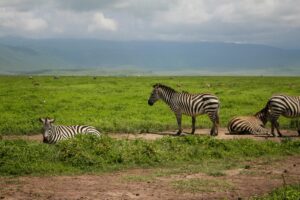
The Ngorongoro Crater is one of Africa’s most iconic natural wonders, but maintaining its ecological integrity and cultural heritage requires ongoing conservation efforts. As both a UNESCO World Heritage Site and a living ecosystem supporting wildlife and human communities, the crater faces unique challenges. Conservation strategies, sustainable tourism practices, and community engagement are central to protecting this global treasure for future generations while ensuring that tourism remains a positive force in the region.
Ecological Significance and Conservation Efforts
The Ngorongoro Crater functions as a self-contained ecosystem, supporting over 25,000 large mammals and hundreds of bird species. Its conservation is crucial not only for local biodiversity but also for global ecological research. The Ngorongoro Conservation Area Authority (NCAA) manages the site, implementing policies that balance human habitation, livestock grazing, and wildlife protection. The crater operates under a multiple-use model that differs from traditional national parks, permitting Maasai pastoralist activities while enforcing strict anti-poaching measures and habitat preservation programs.
Several conservation initiatives focus on endangered species, such as black rhinoceros and lions, ensuring that predator-prey dynamics remain stable. Researchers continuously monitor populations, track migration patterns, and study the impact of climate change and human activity on the ecosystem. These efforts contribute to informed management decisions that safeguard both biodiversity and the livelihoods of local communities.
Community Engagement and Sustainable Practices
Sustainable conservation in Ngorongoro is intrinsically linked to the well-being of local Maasai communities. Collaborative programs ensure that the benefits of tourism support education, healthcare, and cultural preservation. Community engagement initiatives include training Maasai guides, employing local staff in lodges and camps, and funding infrastructure projects that benefit residents without compromising the environment.
Tourism is structured to minimize ecological footprints. Visitor numbers are regulated, roads and game tracks are managed to reduce soil erosion, and lodges follow eco-friendly practices such as solar energy, water recycling, and waste management. Through these measures, the Ngorongoro Crater serves as a model of how conservation and tourism can coexist effectively.
Challenges Facing the Crater
Despite effective management, the Ngorongoro Crater faces several ongoing challenges:
-
Human-Wildlife Conflict: The coexistence of livestock and wildlife sometimes leads to predation on cattle, generating tension between Maasai herders and conservation authorities. Compensation schemes and education programs help mitigate these conflicts.
-
Overtourism: High visitor numbers during peak seasons can strain infrastructure, disrupt wildlife, and cause habitat degradation. Managing visitor flow is critical to sustainable tourism.
-
Climate Change: Changing rainfall patterns affect water availability, vegetation growth, and animal behavior. Droughts or unseasonal rains can destabilize the ecosystem and affect both wildlife and pastoralist livelihoods.
-
Poaching and Illegal Activities: Although the crater is heavily monitored, poaching remains a potential threat to endangered species, requiring continuous vigilance and enforcement.
-
Land Use Pressures: Population growth and agricultural expansion in surrounding highlands can encroach on wildlife corridors, threatening long-term ecological balance.
Addressing these challenges requires adaptive management strategies that integrate scientific research, community participation, and international support.
Role of International Support and Research
International organizations such as UNESCO, WWF, and African conservation networks provide technical expertise, funding, and research partnerships to support Ngorongoro Crater conservation. Long-term ecological studies conducted by universities and research institutions have helped develop sustainable grazing models, anti-poaching strategies, and habitat restoration programs. Tourism revenue is often reinvested into these programs, creating a positive feedback loop between economic development and conservation.
Educational tourism also plays a role in global awareness. Visitors gain firsthand understanding of ecosystem dynamics, conservation challenges, and the importance of ethical tourism practices. By engaging tourists in learning, the Ngorongoro Crater promotes environmental stewardship on a global scale.
Future Prospects and Sustainable Development
The future of the Ngorongoro Crater depends on maintaining the delicate balance between wildlife, human communities, and tourism. Key strategies for long-term sustainability include:
-
Strengthening Conservation Programs: Continuous monitoring, anti-poaching patrols, and habitat restoration ensure ecosystem resilience.
-
Enhancing Community Benefits: Expanding education, healthcare, and employment opportunities for Maasai communities strengthens local support for conservation.
-
Promoting Responsible Tourism: Regulating visitor numbers, providing eco-friendly accommodation, and enforcing ethical wildlife viewing practices reduce negative impacts.
-
Climate Adaptation: Implementing water management, grazing rotation, and habitat rehabilitation can help mitigate the effects of climate change.
By adopting these strategies, the Ngorongoro Crater can remain both a thriving ecosystem and a world-class tourism destination.
Integrating Cultural and Ecological Conservation
The Ngorongoro Crater exemplifies the integration of cultural and ecological conservation. Protecting Maasai traditions alongside wildlife habitats ensures a holistic approach to sustainability. By supporting both human and natural communities, the crater serves as a model for global conservation practices, demonstrating that economic development and environmental stewardship are not mutually exclusive.
Tourists contribute to this effort through responsible travel. Choosing guided tours that respect local culture, supporting community-based lodges, and adhering to park regulations ensures that tourism enhances conservation rather than undermines it.
Conclusion
In conclusion, the Ngorongoro Crater is more than a spectacular natural wonder; it is a symbol of the intricate balance between nature, culture, and sustainable development. Its ongoing conservation efforts, community engagement, and responsible tourism practices provide a roadmap for preserving global heritage sites in the 21st century. Visitors not only witness the beauty of one of the world’s most biodiverse landscapes but also contribute to its protection, ensuring that future generations can experience the magic of the Ngorongoro Crater just as profoundly as travelers do today.
Through careful stewardship, scientific research, and collaboration with local communities, the Ngorongoro Crater will continue to thrive as a sanctuary for wildlife, a home for the Maasai people, and a beacon of sustainable tourism excellence.