
Explore the Tanzania Economy Overview in 2026. Learn key insights, travel impacts & opportunities. Read now to plan your adventure!.
Tanzania Economy Overview: What Every Traveler Should Know in 2026
When planning your journey to Tanzania, it’s natural to wonder not just about the breathtaking landscapes, wildlife, and adventure activities, but also about the economic environment you’ll be stepping into. How does Tanzania’s economy shape tourism, local experiences, and your travel spending? This Tanzania Economy Overview aims to answer exactly that.
As a traveler, understanding the economic dynamics helps you plan better, identify value experiences, and appreciate how your visit contributes to local communities. From bustling cities like Dar es Salaam to the pristine wilderness of the Serengeti and Kilimanjaro, Tanzania’s economy influences infrastructure, hospitality services, and even cultural preservation.
In recent years, Tanzania has shown remarkable economic resilience. Despite global challenges, sectors like tourism, agriculture, and mining continue to grow steadily. For tourists, this means better accessibility, improved accommodations, and more opportunities to enjoy unique experiences without breaking the bank.
This guide will provide:
-
Insights into Tanzania’s GDP growth and sector contributions
-
How tourism impacts the local economy
-
Opportunities for sustainable travel and community engagement
-
Practical tips for travelers to navigate the economic landscape efficiently
Whether you’re trekking Mount Kilimanjaro, exploring Zanzibar, or embarking on a safari with Kili2sere Adventure, understanding Tanzania’s economy will enrich your journey and help you travel smarter.
Tanzania Economy Overview: Key Insights for 2026
Tanzania’s economy is among the fastest-growing in Africa, with consistent GDP growth averaging around 5–6% over the last decade. Here’s what every traveler and investor should know:
1. GDP and Sector Contributions
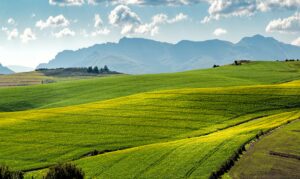
Tanzania’s economy is diversified across several sectors:
-
Agriculture: Accounts for over 25% of GDP and employs about 65% of the workforce. Key exports include coffee, tea, cashew nuts, and tobacco.
-
Tourism: Contributes approximately 17% of GDP indirectly through related services. Wildlife safaris, adventure tourism, and cultural experiences are major revenue sources.
-
Mining: Tanzania is rich in gold, diamonds, and tanzanite, providing significant export earnings.
-
Manufacturing: Slowly growing, particularly in agro-processing, textiles, and cement production.
-
Services: Banking, telecommunications, and transport are expanding rapidly, especially in urban centers.
For travelers, this means improved infrastructure, safer travel routes, and more luxurious accommodations, particularly in tourism hotspots.
2. Currency and Inflation
-
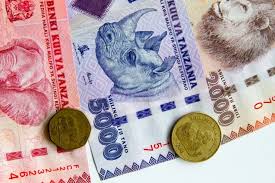
The Tanzanian Shilling (TZS) remains relatively stable, making travel predictable for budgeting purposes.
-
Annual inflation averages around 3–4%, slightly higher for food and fuel, affecting daily expenses.
Tip: Always check real-time rates and carry a mix of cash and card payments, especially for rural or safari trips.
3. Tourism and Its Economic Impact
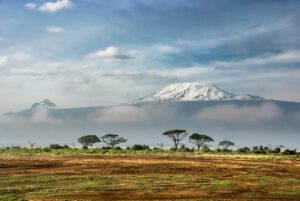
Tourism is a cornerstone of Tanzania’s economy. Iconic destinations like:
-
Ngorongoro Crater
…generate foreign exchange, create jobs, and fund conservation initiatives. For example, over 1.5 million international tourists visited Tanzania in 2023, injecting billions of dollars into local communities.
External insights: World Bank Tanzania Data | UNWTO Tourism Statistics
Tour operators like Kili2sere Adventure ensure sustainable tourism, where visitors’ spending supports local communities while protecting wildlife and ecosystems.
4. Infrastructure Development

Tanzania has invested heavily in infrastructure to support economic growth and tourism:
-
Upgraded airports (Julius Nyerere International Airport in Dar es Salaam)
-
Road improvements connecting major national parks
-
Expansion of mobile internet and banking networks
For tourists, these upgrades mean smoother logistics, better communication, and enhanced safety while exploring remote areas.
5. Employment and Local Opportunities
Tourism supports tens of thousands of jobs directly and indirectly. Opportunities include:
-
Safari guides and park rangers
-
Hotel and lodge staff
-
Local artisans and cultural performers
-
Transport and logistics providers
Visiting Tanzania responsibly allows tourists to contribute positively to these sectors.
6. Investment Opportunities
Foreign and local investors see Tanzania as a land of potential. Key sectors include:
-
Eco-tourism and sustainable lodges
-
Renewable energy
-
Agribusiness innovations
-
Mineral processing and export
Understanding these opportunities gives travelers insight into how tourism revenue circulates and supports national development.
7. Challenges and Risks
Despite robust growth, Tanzania faces economic challenges:
-
Dependence on agriculture makes the economy vulnerable to climate change
-
Infrastructure gaps in rural areas
-
Regulatory and bureaucratic hurdles for investment
Tourists should stay informed on travel advisories and local guidelines for safe and responsible travel.
Traveler’s Tips for Navigating the Tanzanian Economy
-
Budget Wisely: Accommodation, safari packages, and local experiences can vary widely. Use a mix of pre-booked tours and on-site spending.
-
Support Local Businesses: Purchase crafts directly from artisans, eat at local eateries, and hire certified guides.
-
Currency Exchange: Use authorized exchanges and ATMs for fair rates.
-
Plan Ahead: Major national parks may have seasonal pricing—book early to save.
-
Understand Local Costs: Fuel, transport, and food prices fluctuate. Research before traveling.
FAQs: Tanzania Economy Overview
Q1: How does Tanzania’s economy affect tourism prices?
A: Stable economic growth and infrastructure improvements help keep safari and accommodation prices relatively predictable, though peak seasons may see price surges.
Q2: Is Tanzania expensive for travelers in 2026?
A: Tanzania offers options for all budgets. Luxury safaris are pricier, but local lodges, guesthouses, and street food provide affordable alternatives.
Q3: Which sectors benefit most from tourism?
A: Lodging, transport, wildlife conservation, local crafts, and cultural tours are the primary beneficiaries.
Q4: Can tourists invest in Tanzania?
A: Yes, through regulated avenues in tourism, agriculture, and renewable energy. Foreign investors must comply with Tanzanian investment laws.
Q5: Is it safe to travel to Tanzania economically?
A: Tanzania is generally safe for travelers, but staying updated on travel advisories and budgeting for emergencies is recommended.
Conclusion
Understanding the Tanzania Economy Overview enriches your travel experience beyond sightseeing. Economic awareness allows you to appreciate local culture, support communities, and plan smartly. From bustling city markets to serene wildlife reserves, your journey with Kili2sere Adventure becomes more than a vacation—it’s a meaningful interaction with a growing economy.
Tanzania’s resilience, strategic development, and vibrant tourism sector make it a top destination for travelers seeking adventure, culture, and sustainable experiences. By understanding the economic context, you can maximize value, respect local systems, and contribute positively to the country’s development while enjoying your adventure.
Plan your 2026 trip today, explore Tanzania confidently, and experience firsthand how tourism intertwines with economic growth.