
Discover the magic of Calving Season in Tanzania, from the Serengeti to Ngorongoro. Witness newborn wildlife, explore top safari destinations, and enjoy sustainable eco-tourism experiences.
🐄 Introduction to Calving Season in Tanzania
https://kili2sereadventure.com/latest-blogs/
Tanzania is globally renowned for its rich wildlife and vast landscapes, but one of the most awe-inspiring phenomena that attracts tourists year after year is the Calving Season in Tanzania. Unlike ordinary safari experiences, calving season offers travelers the unique opportunity to witness newborn wildlife navigating their first moments in the wild, an intimate glimpse into the cycle of life that has sustained ecosystems for millennia. This period, most notably in the Serengeti and Ngorongoro Crater, is characterized by thousands of wildebeest, zebras, and gazelles giving birth, offering a spectacle of survival, adaptation, and natural beauty that cannot be replicated in other seasons.
The Serengeti National Park, often called the “wilderness paradise of Africa,” is the epicenter of this annual event. Between January and March, over 500,000 wildebeest calves are born across the park’s plains, coinciding with abundant grass growth following seasonal rains. The timing of the calving period is no coincidence; evolutionary patterns have synchronized birth with optimal food availability and reduced predator pressure to ensure maximum survival rates for newborns. Observing the Serengeti during calving season allows tourists to witness herds in their most dynamic form, from the chaos of migration to the protective strategies of mothers defending vulnerable calves from predators. According to National Geographic, the Serengeti calving season is “one of the most significant wildlife events on the planet” (National Geographic Travel).
Beyond the Serengeti, the Ngorongoro Conservation Area presents another prime location to experience Calving Season in Tanzania. The Ngorongoro Crater, often described as an “Eden-like caldera,” hosts a concentration of wildlife that makes observing newborn animals intimate and accessible. Here, tourists can see zebras and wildebeest calves taking their first steps on the fertile crater floor, closely monitored by vigilant mothers. The crater’s natural enclosure provides a unique vantage point for both safari-goers and photographers, enabling closer observation without disturbing the natural behavior of the animals. This blend of accessibility and ecological integrity makes Ngorongoro a key component of Tanzania’s calving season tourism (UN World Tourism Organization – Ecotourism).
Selous Game Reserve, one of the largest protected areas in Africa, offers a different but equally compelling calving experience. While the scale of herds may not match the Serengeti, Selous provides a more secluded and diverse ecosystem where elephants, antelopes, and wild dogs participate in seasonal births. Visitors can enjoy guided safaris that emphasize conservation awareness, highlighting predator-prey interactions and the critical role of calving periods in maintaining ecological balance. Tour operators in Selous integrate education about local biodiversity, the importance of protecting natural habitats, and the economic benefits of eco-tourism during peak calving periods (WWF Tanzania).
Tarangire National Park is another highlight for witnessing calving events, particularly for elephant calves. The park’s floodplains and river systems attract large herds during the wet season, coinciding with the birth of young elephants, zebras, and other herbivores. Unlike other regions, Tarangire offers opportunities to observe maternal care up close, as well as interactions among herd members that demonstrate complex social structures. Safari tours during calving season are designed to maximize observation while minimizing disturbance, with experienced guides educating travelers on animal behavior, seasonal patterns, and the conservation importance of these young animals.
The appeal of Calving Season in Tanzania goes beyond mere observation. It offers tourists an educational and emotional journey, highlighting the delicate interplay between life and survival. Visitors gain insight into herd dynamics, predator strategies, and the resilience of species in the wild. Wildlife guides often explain evolutionary adaptations, such as synchronized births, which reduce predation risk and increase calf survival rates. These lessons foster deeper appreciation for conservation and the fragility of natural ecosystems.
Eco-tourism during calving season also contributes significantly to local economies. Lodges, safari operators, transport services, and cultural centers experience heightened demand, providing employment opportunities and generating revenue that can be reinvested in conservation initiatives. Many local communities collaborate with national parks to offer cultural tours, crafts, and cuisine, creating a holistic tourism experience that benefits both wildlife and human populations. The integration of local communities ensures that calving season tourism supports sustainable development, aligning with global standards of responsible tourism (UNWTO – Sustainable Tourism).
Photographers and wildlife enthusiasts particularly favor calving season in Tanzania because of the vivid opportunities for capturing dramatic, life-affirming moments. From wildebeest calves struggling to stand, to zebras’ first tentative steps, and the cautious approach of predators in pursuit, every moment tells a story of survival and ecological balance. Ethical photography guidelines emphasize maintaining distance, minimizing noise, and respecting animal behavior, ensuring that observation does not interfere with the natural cycle. Many tour operators include photography workshops, teaching visitors how to document calving season responsibly and effectively.
Timing is essential when planning a visit. The calving season in Tanzania generally peaks between late January and early March, depending on rainfall patterns and specific wildlife populations. Travelers are encouraged to plan safari itineraries around these months to maximize opportunities for observation. Pre-booking with certified safari operators ensures guided tours are conducted ethically, with appropriate transportation, lodging, and expert interpretation, enhancing both the safety and quality of the visitor experience.
In conclusion, Calving Season in Tanzania represents a unique intersection of natural spectacle, ecological education, and responsible tourism. From the iconic Serengeti plains to the enclosed beauty of Ngorongoro, the wild expanses of Selous, and the floodplains of Tarangire, travelers have access to some of the world’s most impressive wildlife birth events. Observing newborn animals, understanding predator-prey dynamics, and learning about herd behavior provides an immersive experience that transcends conventional safari tourism. By participating in calving season tours, visitors not only witness a remarkable natural phenomenon but also support conservation initiatives, sustainable community development, and the continued protection of Tanzania’s extraordinary biodiversity.
🌍 Top Calving Season Destinations in Tanzania
Tanzania is home to some of the most spectacular wildlife habitats in the world, making it the ideal destination to witness the Calving Season in Tanzania. From expansive savannahs to fertile crater floors, the country offers diverse ecosystems where wildlife births occur annually, attracting tourists, photographers, and eco-enthusiasts. By focusing on the key destinations where calving peaks, visitors can maximize their chances of seeing newborn animals while experiencing the richness of Tanzania’s natural landscapes.
Serengeti National Park: The Epicenter of Calving
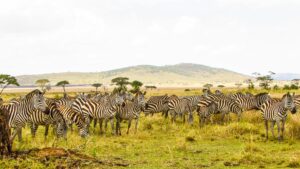
The Serengeti National Park is the most famous location for witnessing Calving Season in Tanzania. Each year, between late January and March, over 500,000 wildebeest give birth across the park’s plains, coinciding with the onset of the short rainy season. This timing ensures ample fresh grass, improving survival rates for the newborn calves. The synchronized calving not only supports herd survival but also attracts predators such as lions, cheetahs, and hyenas, offering tourists a dramatic glimpse into the natural predator-prey dynamics. According to National Geographic, the Serengeti calving season is considered “one of the most significant wildlife spectacles on Earth” (National Geographic Travel).
Safari operators in the Serengeti provide guided tours tailored to the calving period, emphasizing responsible observation and minimal disruption to wildlife. Vehicles follow strict distance guidelines to protect newborns and mothers, ensuring that tourists enjoy the spectacle ethically. Visitors often witness calves standing for the first time, mothers shielding their young, and herds moving in coordinated patterns across the vast savannah. The Serengeti’s open landscape and high density of wildlife make it the pinnacle destination for calving season tours.
Ngorongoro Crater: Intimate Wildlife Observation
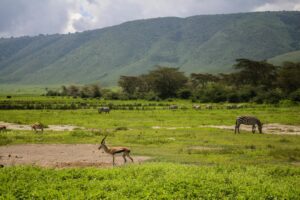
The Ngorongoro Conservation Area, with its iconic volcanic crater, is another top destination for Calving Season in Tanzania. Unlike the Serengeti, the crater provides a more enclosed environment, allowing closer observation of zebras, wildebeest, and gazelle calves. Visitors can watch young animals taking their first steps on fertile grasslands while mothers display vigilant protective behaviors. The crater’s natural enclosure ensures accessibility for tourists without compromising the animals’ natural routines.
Ngorongoro also offers cultural insights, as the Maasai communities living around the crater integrate sustainable livestock practices with wildlife conservation. Guided tours often combine wildlife observation with educational sessions about ecosystem management, herd behavior, and conservation efforts. The crater’s unique geography and concentrated wildlife make it a must-visit destination during calving season (UN World Tourism Organization – Ecotourism).
Tarangire National Park: Elephant and Herbivore Calving
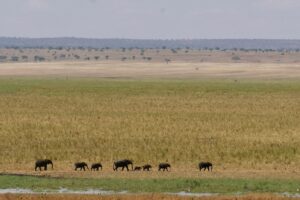
Tarangire National Park, located in northern Tanzania, provides a different but equally compelling calving season experience. Known for its large elephant herds and diverse herbivore populations, Tarangire sees significant calving activity during the wet season. Elephant calves, zebras, and antelopes are born when resources are abundant, and visitors can observe maternal care, herd interactions, and social behaviors unique to the park. Unlike the vast Serengeti plains, Tarangire’s landscapes of riverine forests and baobab-studded savannahs offer a more intimate viewing experience.
Tour operators in Tarangire prioritize sustainable tourism, ensuring that visitors maintain safe distances and follow ethical guidelines. Educational programs help tourists understand elephant social structures, herd protection strategies, and the importance of calving season in maintaining population stability. Tarangire’s combination of accessible wildlife and ecological diversity makes it an essential stop for travelers interested in Calving Season in Tanzania (WWF Tanzania).
Selous Game Reserve: Secluded and Diverse Calving
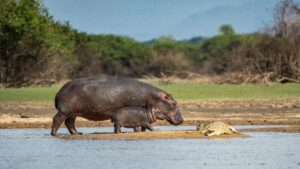
The Selous Game Reserve, one of Africa’s largest protected areas, offers a more secluded calving experience. While wildebeest herds are smaller compared to the Serengeti, Selous provides opportunities to observe elephants, wild dogs, and other herbivores giving birth. The reserve’s waterways, forests, and floodplains create a varied environment for calving, allowing visitors to witness unique behaviors in different habitats.
Guided tours in Selous are designed to educate visitors on predator-prey dynamics, seasonal migration, and conservation challenges. The reserve is less crowded, making it ideal for travelers seeking quiet observation and close connection with nature. Calving season here emphasizes the resilience of wildlife and the critical role of protected areas in safeguarding Tanzania’s biodiversity.
Best Practices for Visiting Calving Season Destinations
Observing Calving Season in Tanzania requires careful planning and adherence to responsible tourism practices. Peak calving months vary slightly depending on the destination and annual rainfall patterns, but January through March is generally considered optimal. Booking with certified safari operators ensures ethical viewing, knowledgeable guides, and access to eco-friendly lodges and camps.
Visitors should respect wildlife by maintaining safe distances, minimizing noise, and avoiding interference with animal behavior. Photography tours should prioritize ethical practices, using zoom lenses to capture close-up moments without disturbing calves or mothers. Combining wildlife observation with cultural and educational activities enhances the overall experience while supporting local communities and conservation initiatives (UNWTO – Sustainable Tourism).
Conclusion
Tanzania’s diverse ecosystems provide unparalleled opportunities to experience Calving Season. From the iconic Serengeti plains to the Ngorongoro Crater, Tarangire National Park, and Selous Game Reserve, each destination offers unique wildlife spectacles and educational experiences. Tourists can witness newborn calves navigating their first moments in the wild, understand herd dynamics and predator-prey interactions, and support conservation and local community development. By choosing responsible and well-managed tours, travelers ensure that Calving Season in Tanzania remains both an unforgettable experience and a sustainable form of eco-tourism.
🐾 Wildlife Behavior and Predator-Prey Dynamics During Calving Season in Tanzania
One of the most captivating aspects of Calving Season in Tanzania is observing the intricate behaviors of wildlife, particularly the interactions between newborn calves, their mothers, and the predators that inhabit the same ecosystems. Understanding these dynamics adds depth to a safari experience, transforming it from simple observation into a profound insight into the rhythm of life on the Tanzanian plains. From the vast Serengeti to the Ngorongoro Crater and Tarangire National Park, each ecosystem demonstrates unique behavioral patterns during the calving season, providing tourists with a once-in-a-lifetime wildlife spectacle.
Maternal Care in Tanzanian Wildlife
Maternal instincts are at the forefront of calving season in Tanzania. Female wildebeest, zebras, and antelopes display heightened vigilance and protective behavior immediately after giving birth. In the Serengeti, mothers remain close to their calves, often forming protective clusters to shield them from predators. This maternal care includes grooming, feeding, and guiding calves through the initial steps of mobility, which is critical for their survival. Newborn wildebeest, for instance, must stand and begin grazing within hours of birth to avoid vulnerability to predators such as lions, hyenas, and cheetahs (National Geographic).
Zebra mothers, on the other hand, exhibit a “guarding” strategy, often positioning themselves between their newborns and potential threats. Observing this behavior in the Ngorongoro Crater provides an intimate view of the delicate balance between vulnerability and survival. Tour guides explain how synchronized calving helps reduce predation risk: when hundreds of calves are born in a short period, predators cannot possibly hunt all newborns, increasing the overall survival rate of the herd. This strategy has evolved over millennia, highlighting the remarkable adaptability of wildlife in Tanzania.
Herd Dynamics and Calf Protection
Beyond individual maternal care, herd dynamics play a crucial role during Calving Season in Tanzania. Wildebeest and zebra herds form tightly-knit groups during the calving period, creating natural protective barriers against predators. Newborns often remain in the center of the herd, shielded by adults who act as sentinels. In Tarangire and Selous, similar patterns are observed among elephants and antelopes. Matriarchal elephants guide young calves through safe routes near water sources, ensuring hydration, nutrition, and protection from predators.
Herd cohesion also affects predator-prey interactions. Large groups of synchronized births overwhelm predators, allowing many calves to survive. Tourists observing these dynamics gain an appreciation for the strategic behaviors that have evolved to maximize offspring survival. Guides often provide commentary on herd formations, movement patterns, and the communication signals animals use to warn of danger, enriching the safari experience (WWF Tanzania).
Predator Strategies During Calving Season
While maternal care and herd strategies aim to protect calves, predators adjust their hunting tactics to the influx of newborns. Lions in the Serengeti, for instance, capitalize on the concentration of vulnerable calves during calving season, hunting in coordinated prides to maximize success. Cheetahs often employ stealth and speed, targeting solitary calves that stray from the herd, while hyenas use scavenging and opportunistic tactics to supplement their diet. Understanding predator behavior is crucial for appreciating the full complexity of calving season ecosystems.
Observation of predator-prey interactions is a highlight for many visitors, offering dramatic and educational experiences. Tour operators emphasize ethical viewing, maintaining safe distances while explaining the ecological significance of hunting during calving season. Predation is not viewed as cruelty but as a natural process that sustains ecosystem balance. For instance, predators often select the weakest or slowest calves, strengthening herd genetics over generations. Witnessing this process provides visitors with a comprehensive understanding of wildlife survival strategies in Tanzania (National Park Service – Wildlife).
Adaptations of Newborns
Newborn animals in Tanzania exhibit remarkable adaptations during calving season. Wildebeest calves, for example, can stand within minutes of birth and run within hours, an essential skill for avoiding predators. Zebra foals also develop strong bonding behaviors with their mothers, following protective cues and mimicking adult movements to learn survival skills. Elephant calves in Tarangire rely heavily on matriarchs and older females to guide them through water sources, predator zones, and safe resting areas.
These adaptations are not only vital for survival but also provide unique educational insights for safari-goers. Guides often highlight how environmental pressures, seasonal changes, and predator presence influence newborn behavior. By observing these adaptations firsthand, tourists develop a deeper understanding of the resilience and intelligence of Tanzania’s wildlife.
Human Observation and Ethical Guidelines
Tourists visiting Tanzania during calving season must follow strict ethical guidelines to ensure minimal disruption to wildlife. Vehicles are required to maintain safe distances, avoid encroaching on vulnerable herds, and minimize noise. Photography should use zoom lenses to capture close-up shots without stressing animals. Most safari operators provide training on wildlife etiquette, emphasizing that responsible observation supports conservation efforts while delivering a memorable and educational experience (UNWTO – Sustainable Tourism).
Educational programs offered during safaris explain predator-prey dynamics, herd cohesion, and maternal care strategies, enhancing the learning aspect of calving season tourism. Visitors gain appreciation for the delicate balance that sustains ecosystems and the role of humans in preserving these natural processes. This holistic approach ensures that Calving Season in Tanzania remains an enriching, responsible, and sustainable wildlife experience.
Conclusion
Wildlife behavior and predator-prey interactions during Calving Season in Tanzania are among the most fascinating phenomena in eco-tourism. Maternal care, herd strategies, predator adaptations, and newborn resilience combine to create a dynamic and educational spectacle. From the Serengeti plains to the Ngorongoro Crater and Tarangire National Park, tourists witness not only the miracle of birth but also the intricate survival strategies that have evolved over millennia. Ethical observation and guided tours ensure that visitors experience these events responsibly, supporting conservation initiatives while gaining unforgettable insights into Tanzania’s extraordinary wildlife.
🗓️ Best Time to Visit and Safari Planning for Calving Season in Tanzania
Experiencing Calving Season in Tanzania is a bucket-list event for wildlife enthusiasts, photographers, and eco-tourists alike. To make the most of this extraordinary experience, careful planning is essential. Timing, location, safari logistics, and understanding wildlife behavior all contribute to a successful trip. This section will provide a comprehensive guide on the best times to visit, practical safari planning tips, accommodation options, and preparation strategies to ensure an unforgettable and responsible calving season safari in Tanzania.
Timing Your Visit: Peak Calving Months
The optimal time to witness Calving Season in Tanzania largely depends on the region and the migratory patterns of wildlife. In the Serengeti, the peak of wildebeest calving occurs between late January and early March, coinciding with the short rainy season. This timing ensures lush grass availability, increasing survival rates for calves and supporting predator-prey interactions that are vital to the ecosystem. Tourists visiting during this period have the highest likelihood of observing large herds, newborn calves, and the dynamic behaviors of predators.
In the Ngorongoro Crater, calving is slightly more spread out due to the crater’s enclosed environment, but January through March remains the best window to witness zebras, wildebeest, and gazelle calves taking their first steps. Tarangire National Park, known for its elephants and mixed herbivore populations, also sees calving activity during the wet season, making late January to March ideal for observing elephant calves alongside other herbivores.
Planning your trip outside these peak months may still allow wildlife viewing, but tourists may miss the synchronized calving spectacle that makes Tanzania unique. For photographers and wildlife enthusiasts, timing is particularly important to capture dramatic moments of maternal care, herd behavior, and predator-prey interactions in natural light conditions.
Safari Logistics and Guided Tours
To experience Calving Season in Tanzania safely and responsibly, booking with certified safari operators is highly recommended. Guided tours provide expert knowledge about wildlife behavior, seasonal movements, and the safest viewing practices. Experienced guides know the best vantage points for observing newborn calves and understanding herd dynamics without disturbing the animals.
Safari logistics include choosing between mobile camps, lodges, or luxury tented accommodations. In the Serengeti, many operators provide mobile camps that move with the herds, allowing tourists to be at the forefront of the calving spectacle. Lodges in Ngorongoro and Tarangire offer more stationary accommodations with easy access to observation points. All options are designed to minimize environmental impact while maximizing the visitor experience (Tanzania National Parks).
Tour operators also coordinate transportation, including 4×4 vehicles capable of traversing rugged terrains and expert drivers who understand wildlife safety protocols. Vehicles maintain safe distances, and operators often limit the number of guests per safari to reduce stress on wildlife. Combining multiple parks in a single itinerary allows visitors to experience diverse ecosystems and a range of species during the calving season.
Accommodation Options
Accommodation during Calving Season in Tanzania varies based on comfort preferences, budget, and proximity to wildlife hotspots. Options include:
-
Luxury lodges: High-end lodges in Serengeti, Ngorongoro, and Tarangire offer premium services, fine dining, and guided tours. Many have private viewing decks or observation areas ideal for photography.
-
Tented camps: Mobile or semi-permanent tented camps immerse visitors in the wilderness while maintaining eco-friendly practices. These camps often follow the herds, placing tourists at the heart of the calving action.
-
Budget lodges and campsites: For travelers seeking affordability, campsites and budget lodges near park entrances provide safe accommodation with essential amenities. These options still allow access to prime calving areas while supporting local communities economically.
Booking in advance is crucial, especially during peak calving months, as accommodations fill quickly due to high tourist demand.
Essential Safari Preparation
Proper preparation enhances the calving season experience while ensuring safety and comfort. Key considerations include:
-
Clothing and gear: Lightweight, neutral-colored clothing, hats, and sunscreen protect against sun exposure. Waterproof jackets are essential during the short rainy season. Comfortable walking shoes or boots are recommended for excursions.
-
Photography equipment: Telephoto lenses are vital for capturing newborn calves and predator interactions without disturbing wildlife. Binoculars improve distant viewing, while cameras with fast shutter speeds are ideal for action shots.
-
Health and safety: Vaccinations, insect repellent, and basic first aid kits are essential. Travel insurance is highly recommended.
-
Guidelines and etiquette: Respect wildlife by keeping distance, minimizing noise, and following your guide’s instructions. Ethical observation ensures that calving season remains sustainable and enjoyable for both tourists and animals.
Combining Wildlife Observation with Cultural Experiences
Many tours during Calving Season in Tanzania also integrate cultural experiences. Visitors can engage with Maasai communities near the Ngorongoro Conservation Area or local villages around Tarangire. Cultural tours include traditional dance performances, craft demonstrations, and livestock management insights, providing a holistic understanding of human-wildlife coexistence. These interactions support community development and reinforce the conservation value of eco-tourism.
Transportation and Access
Accessing calving season destinations in Tanzania is generally via Arusha (gateway to northern circuit parks) or Dar es Salaam (for southern parks like Selous). Domestic flights, 4×4 drives, and park entrance arrangements are coordinated by safari operators. Understanding travel times and park logistics ensures tourists can maximize their time observing newborn wildlife while minimizing transit fatigue.
Conclusion
Planning a safari during Calving Season in Tanzania requires attention to timing, logistics, accommodations, and ethical wildlife observation. Late January to early March represents the peak window for witnessing newborn wildebeest, zebras, elephants, and other herbivores across iconic parks like Serengeti, Ngorongoro, Tarangire, and Selous. Combining guided tours, responsible viewing, and cultural integration provides an immersive and memorable experience while supporting conservation and local communities. Proper preparation, from clothing and gear to photography and safety measures, enhances the journey, ensuring that tourists fully enjoy the miracle of life on the Tanzanian plains during calving season (UNWTO – Sustainable Tourism).
🌱 Conservation Impact and the Future of Calving Season Tourism in Tanzania
The Calving Season in Tanzania is not only a breathtaking natural phenomenon but also a vital component of wildlife conservation, eco-tourism, and sustainable community development. The surge of wildlife births during this period creates ecological, educational, and economic opportunities that, if managed responsibly, can ensure the long-term preservation of Tanzania’s rich biodiversity. Understanding the conservation impact, challenges, and sustainable practices associated with calving season is essential for tourists, safari operators, and policymakers alike.
Conservation Benefits of Calving Season Tourism
Calving season attracts thousands of tourists annually, providing a steady stream of revenue that supports national parks, wildlife reserves, and local communities. Entrance fees, guided safari tours, and accommodation charges generate funds that are reinvested into conservation programs. These programs include anti-poaching patrols, habitat restoration, research on predator-prey dynamics, and wildlife monitoring initiatives. For example, the Serengeti National Park and Ngorongoro Conservation Area allocate a portion of tourism revenue to scientific studies that track wildebeest and zebra populations, ensuring that calving season remains sustainable for future generations (Tanzania National Parks).
Additionally, calving season promotes awareness of ecological balance. Tourists witnessing the predator-prey interactions during this time gain a deeper understanding of how each species contributes to the ecosystem. Educated visitors are more likely to support conservation efforts, adopt responsible travel behaviors, and advocate for wildlife protection globally. Safari guides often provide interpretive talks, explaining the importance of synchronized births, herd dynamics, and predator strategies, helping tourists connect with Tanzania’s natural heritage on a personal level.
Supporting Local Communities
Calving season tourism has significant socioeconomic benefits. Communities living near wildlife areas, such as the Maasai around Ngorongoro or villages near Tarangire, participate in eco-tourism through lodging, cultural experiences, craft sales, and guided tours. This integration of community-based tourism ensures that local populations benefit economically while actively contributing to conservation. It also incentivizes sustainable livestock management, land protection, and conflict mitigation between humans and wildlife (UNWTO – Sustainable Tourism).
Community engagement programs often teach locals about the ecological significance of calving season and how tourism can coexist with wildlife preservation. By providing alternative income streams, such initiatives reduce the reliance on poaching or unsustainable land use, aligning economic development with environmental stewardship.
Challenges to Conservation During Calving Season
Despite the benefits, calving season tourism faces challenges that require careful management. Overcrowding in popular areas like the Serengeti can disturb newborn calves and adult herds, while poorly regulated tours may lead to habitat degradation. Increased vehicle traffic, noise pollution, and human presence near sensitive calving sites can alter animal behavior and increase predation vulnerability.
Climate change also poses a growing threat. Altered rainfall patterns may shift the timing of calving, affecting food availability, herd movements, and predator-prey balance. Conservationists monitor these changes to adapt management strategies, ensuring that parks remain resilient to environmental pressures. Sustainable tourism practices, including controlled visitor numbers, strict adherence to park rules, and ongoing research, help mitigate these risks and safeguard the calving season phenomenon.
Future of Calving Season Tourism
The future of Calving Season in Tanzania relies on integrating tourism, conservation, and education. Innovative approaches, such as eco-lodges powered by renewable energy, mobile camps that follow herds with minimal environmental impact, and virtual wildlife experiences for global audiences, are being explored to expand accessibility while reducing ecological footprints.
Research initiatives are also critical. By studying herd health, predator-prey ratios, and the impact of climate change, scientists can inform policy and guide responsible tourism practices. International collaborations between conservation organizations, local authorities, and tourism operators strengthen protective measures and ensure that calving season remains a sustainable attraction.
Sustainable Travel Tips for Visitors
Tourists play a key role in preserving calving season ecosystems. Ethical safari practices include:
-
Booking with certified operators committed to responsible tourism.
-
Maintaining safe distances from wildlife, especially newborn calves.
-
Minimizing noise and avoiding flash photography that may disturb animals.
-
Respecting local communities and supporting community-based tourism initiatives.
-
Reducing plastic use, conserving water, and adhering to park environmental guidelines (WWF Tanzania).
By following these practices, visitors not only enhance their experience but also contribute to the longevity and sustainability of calving season tourism.
Conclusion
The Calving Season in Tanzania represents a harmonious intersection of wildlife wonder, ecological education, and sustainable tourism. It provides a platform for observing natural processes, understanding predator-prey interactions, and appreciating the resilience of newborn animals. Simultaneously, it generates economic benefits for local communities, funds conservation programs, and fosters global awareness of Tanzania’s unique ecosystems.
Looking forward, the success of calving season tourism will depend on maintaining ethical observation standards, promoting community engagement, and addressing environmental challenges such as climate change and habitat degradation. By traveling responsibly, supporting conservation initiatives, and immersing themselves in the natural and cultural richness of Tanzania, tourists can ensure that Calving Season in Tanzania continues to inspire awe and protect biodiversity for generations to come.