
Explore the Tanzania economy: agriculture, industry, services, trade, and growth opportunities shaping East Africa’s dynamic economic landscape.
Overview of Tanzania Economy
https://kili2sereadventure.com/latest-blogs/
The Tanzania economy is one of the most diverse and dynamic in East Africa, marked by a combination of agricultural production, industrial expansion, and burgeoning services sectors. Over the last few decades, Tanzania has experienced steady economic growth, averaging around 6-7% annually, which has positioned the country as a key player in regional trade and investment. The foundation of the Tanzania economy remains agriculture, with nearly 65% of the population engaged in smallholder farming. Crops such as maize, rice, coffee, and cashew nuts not only feed local communities but also contribute substantially to export revenue. The agricultural sector, while robust, faces challenges including climate variability, limited access to modern technology, and fluctuating global commodity prices. Nevertheless, the government has implemented numerous policies to support agricultural modernization, enhance irrigation schemes, and expand agro-processing industries, which together aim to increase productivity and generate higher value-added outputs.
Beyond agriculture, the Tanzania economy has seen significant growth in the industrial and manufacturing sectors. Manufacturing activities have expanded to include textiles, leather processing, cement production, and food processing industries. The government’s efforts to establish industrial parks and special economic zones have attracted both domestic and foreign investments, providing a conducive environment for industrialization. For instance, the Bagamoyo Special Economic Zone is poised to become a major hub for trade, logistics, and manufacturing, reflecting Tanzania’s long-term vision for economic diversification. Furthermore, investments in infrastructure, including road networks, railways, and energy generation projects, are strengthening the industrial base of the Tanzania economy by facilitating smoother supply chains, reducing transportation costs, and improving connectivity to international markets.
The services sector has also emerged as a significant contributor to the Tanzania economy, particularly tourism, banking, telecommunications, and financial services. Tourism alone accounts for a considerable share of GDP, leveraging the country’s natural assets such as Serengeti National Park, Mount Kilimanjaro, and Zanzibar’s pristine beaches. According to the World Travel & Tourism Council, tourism supports hundreds of thousands of jobs directly and indirectly, boosting local businesses and generating foreign exchange. Financial inclusion is improving, with mobile banking platforms like M-Pesa and other fintech innovations enabling wider access to financial services. This expansion of services strengthens domestic consumption, creates employment opportunities, and fosters entrepreneurship, all of which contribute to the overall resilience of the Tanzania economy.
Trade and investment are also central pillars supporting the Tanzania economy. The country’s strategic location along the Indian Ocean allows it to serve as a trade gateway to landlocked neighboring countries such as Uganda, Rwanda, and Burundi. Ports such as Dar es Salaam and Tanga facilitate imports and exports, connecting Tanzanian businesses to global markets. Additionally, Tanzania’s membership in regional trade blocs like the East African Community (EAC) and the Southern African Development Community (SADC) provides opportunities for tariff-free trade, regional integration, and economic cooperation. Foreign direct investment (FDI) has increased in sectors like mining, energy, and telecommunications, signaling investor confidence in the long-term prospects of the Tanzania economy. Key mining activities include gold, diamond, and tanzanite extraction, which are vital for export revenues and industrial input.
Despite these positive developments, the Tanzania economy faces several challenges that require careful policy intervention. High levels of youth unemployment, income inequality, and limited access to quality education remain pressing issues. The informal economy dominates, with many small businesses operating without formal registration, limiting tax revenue collection and regulatory oversight. Infrastructure gaps, particularly in rural areas, impede equitable economic development, while vulnerability to global economic shocks, such as fluctuating commodity prices or geopolitical tensions, can affect growth stability. The Tanzanian government, in collaboration with international organizations like the International Monetary Fund (IMF) and the World Bank, has implemented reforms targeting macroeconomic stability, fiscal discipline, and investment climate improvement to address these challenges. By continuing to diversify its economy, strengthen governance, and invest in human capital, Tanzania aims to sustain inclusive growth and elevate its position in the global economic landscape.
The Tanzania economy is also increasingly embracing technology and innovation as catalysts for growth. The government has launched initiatives to support digital entrepreneurship, e-commerce platforms, and technology hubs, which are fostering new business models and expanding market access. This digital transformation complements traditional sectors such as agriculture and manufacturing by introducing precision agriculture, digital payment systems, and automated production techniques. Education and skills development programs targeting technology and vocational skills are also critical for ensuring that the workforce can meet the demands of a modernizing economy. By integrating technology-driven solutions into core economic activities, the Tanzania economy positions itself for sustainable growth and resilience in a rapidly evolving global market.
In summary, the Tanzania economy represents a blend of traditional strengths and modern opportunities. Agriculture, industry, services, trade, and investment form the backbone of the country’s economic structure, while strategic reforms, infrastructure development, and technology adoption drive growth and diversification. Challenges remain, including unemployment, inequality, and infrastructure deficits, but proactive policies and strategic partnerships offer pathways toward sustainable development. As Tanzania continues to integrate into regional and global markets, its economic prospects are increasingly promising, reflecting a nation that balances heritage and innovation, local entrepreneurship, and international investment. Understanding the Tanzania economy is essential for policymakers, investors, and scholars seeking to engage with one of Africa’s most dynamic economic landscapes, as it illustrates the intricate interplay between resources, policy, and human capital in shaping national prosperity.
Agriculture and Natural Resources in Tanzania Economy
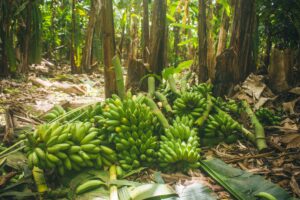
Agriculture and natural resources remain the backbone of the Tanzania economy, providing employment, income, and sustenance for a significant portion of the population. More than 65% of Tanzanians depend on smallholder farming for their livelihoods, making agriculture the primary engine for both rural development and national economic growth. The sector contributes approximately 25-30% of the country’s Gross Domestic Product (GDP) and supports downstream industries such as food processing, export commodities, and agro-based manufacturing. Staple crops like maize, rice, sorghum, and cassava form the foundation of food security, while cash crops such as coffee, tea, cashew nuts, tobacco, and cotton generate significant export revenues. For instance, coffee and tea exports not only bring in foreign exchange but also position Tanzania among East Africa’s leading producers of these commodities. This integration of agriculture into the Tanzania economy highlights the sector’s strategic importance for sustainable economic development, poverty alleviation, and employment creation.
Natural resources, including minerals, forests, water bodies, and fisheries, further strengthen the Tanzania economy by providing critical inputs for industry, trade, and energy production. Tanzania is endowed with abundant mineral resources such as gold, diamonds, tanzanite, nickel, and natural gas. Gold mining alone accounts for a substantial share of foreign exchange earnings, making Tanzania one of Africa’s largest gold producers. The mining sector’s growth has attracted both local and international investors, contributing to infrastructure development, job creation, and technology transfer. Beyond minerals, Tanzania’s forests, lakes, and rivers supply timber, fish, and freshwater essential for both domestic consumption and export-oriented industries. For example, Lake Victoria, Africa’s largest lake, supports one of the most productive freshwater fisheries on the continent, generating income for thousands of fishermen and contributing to the Tanzania economy through fish exports.
The integration of agriculture and natural resources into industrial processes has become increasingly important for the Tanzania economy. Agro-processing industries, such as sugar refining, cotton ginning, cashew nut processing, and meat packaging, convert raw agricultural products into higher value-added commodities. This not only increases income for farmers but also stimulates job creation and encourages local entrepreneurship. Similarly, mineral processing and beneficiation initiatives, particularly in gold and tanzanite, enhance export values, strengthen local supply chains, and attract foreign investment. Government initiatives such as the Southern Agricultural Growth Corridor of Tanzania (SAGCOT) aim to modernize agriculture, promote agribusiness, and connect farmers to global markets. Through these programs, the Tanzania economy is progressively transitioning from reliance on raw exports to generating higher value from both agriculture and natural resources, fostering long-term economic resilience.
Sustainable management of natural resources is critical to ensuring that the Tanzania economy maintains growth without compromising environmental integrity. Challenges such as deforestation, overfishing, land degradation, and water scarcity pose significant threats to long-term economic stability. The government, in collaboration with international organizations like the Food and Agriculture Organization (FAO) and the United Nations Development Programme (UNDP), has implemented initiatives to promote sustainable land use, reforestation, and conservation practices. For instance, community-based forest management programs engage local populations in protecting forests while providing economic benefits through eco-tourism and sustainable timber production. Similarly, modern irrigation schemes and climate-smart agriculture practices enhance crop yields, reduce vulnerability to droughts, and ensure that the agriculture sector continues to drive growth in the Tanzania economy.
The role of technology and innovation in agriculture and natural resource management cannot be overstated. Precision agriculture tools, mobile-based extension services, and modern irrigation techniques are increasingly being adopted by farmers to improve productivity and efficiency. Platforms such as M-Farm Tanzania enable farmers to access real-time market information, connect with buyers, and increase profitability. Additionally, drone mapping, soil testing technologies, and digital weather forecasting help optimize land use, reduce crop losses, and enhance food security. By embracing these innovations, the Tanzania economy benefits from increased agricultural output, reduced environmental impact, and stronger integration into global value chains.
Trade in agricultural products and natural resources is another vital component of the Tanzania economy. Agricultural exports, including coffee, tea, cashew nuts, tobacco, and horticultural produce, generate foreign exchange and create market linkages with international buyers. Mineral exports, particularly gold and tanzanite, attract foreign investment and contribute to fiscal revenues that support national development initiatives. Tanzania’s strategic position along the Indian Ocean also enables access to major shipping routes, facilitating exports to Europe, Asia, and the Middle East. Participation in regional economic blocs such as the East African Community (EAC) and the Southern African Development Community (SADC) enhances market access for agricultural and mineral products, providing tariff benefits and encouraging regional trade integration. These trade dynamics underscore how agriculture and natural resources are central to the Tanzania economy, influencing policy, investment, and economic growth.
Despite these opportunities, the agriculture and natural resource sectors face several challenges that could impact the Tanzania economy if not properly addressed. Climate change, recurrent droughts, soil degradation, and pests threaten crop yields and food security. In the mining sector, issues such as illegal mining, limited technology, and environmental degradation pose risks to sustainable growth. Access to finance remains a constraint for smallholder farmers and artisanal miners, limiting their ability to adopt modern techniques or scale operations. The informal nature of much of the agriculture and resource extraction activities also complicates taxation and regulatory oversight, affecting government revenue. Addressing these challenges requires targeted policies, investment in research and development, infrastructure improvements, and capacity building to ensure that agriculture and natural resources continue to drive inclusive growth in the Tanzania economy.
Education and human capital development are equally critical for sustaining growth in agriculture and natural resources. Training programs for farmers, extension officers, and resource managers enhance technical skills, improve productivity, and promote sustainable practices. Vocational training centers, agricultural colleges, and mining institutes are producing skilled professionals who can innovate and improve operational efficiency in both sectors. By equipping the workforce with the knowledge and skills required to optimize the use of natural resources, the Tanzania economy becomes more resilient, competitive, and capable of adapting to global market trends. Investments in human capital complement infrastructure and technology initiatives, ensuring that economic growth is sustainable, inclusive, and environmentally responsible.
In conclusion, agriculture and natural resources form the foundation of the Tanzania economy, shaping employment, income generation, industrial development, and international trade. The integration of modern technology, sustainable resource management, and value addition through agro-processing and mineral beneficiation strengthens economic resilience and growth potential. While challenges such as climate change, infrastructure gaps, and access to finance persist, strategic policies, investments, and human capital development are enabling Tanzania to harness the full potential of its agricultural and natural resource sectors. As these sectors continue to evolve, they will remain pivotal drivers of the Tanzania economy, supporting broader national development goals and positioning the country as a key player in East Africa’s economic landscape.
Industrial Growth and Manufacturing in Tanzania Economy
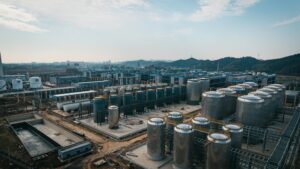
Industrial growth and manufacturing have emerged as critical pillars of the Tanzania economy, complementing traditional sectors such as agriculture and natural resources. Over the past two decades, Tanzania has sought to diversify its economy through industrialization, recognizing that sustainable economic growth requires moving beyond primary commodity exports toward value-added production. The government’s strategic plans, including the National Industrialization Policy and the Tanzania Development Vision 2025, emphasize the expansion of manufacturing, industrial parks, and special economic zones as a pathway to enhance productivity, create employment, and strengthen the Tanzania economy’s global competitiveness. Industrial growth in Tanzania spans multiple sectors, including food processing, textiles, leather, cement production, construction materials, chemicals, and more recently, technology-driven industries. By fostering industrial development, the Tanzania economy aims to reduce dependence on raw commodity exports and accelerate the nation’s transition to a middle-income economy.
The manufacturing sector in Tanzania is characterized by a mix of small, medium, and large-scale enterprises, with the majority of factories concentrated in urban centers such as Dar es Salaam, Mwanza, Arusha, and Dodoma. Food processing remains the largest sub-sector, leveraging the abundant agricultural produce from rural areas. Processing maize into flour, cashew nut roasting, coffee grinding, sugar refining, and fruit and vegetable packaging are key activities that add value to raw agricultural commodities, generate income for farmers, and create employment opportunities for thousands of Tanzanians. Textile and garment manufacturing is another critical component of industrial growth in the Tanzania economy. With a rich cotton production base, Tanzania has developed a small but growing textile industry that supplies local markets and exports finished garments regionally. Government incentives, including tax breaks, access to low-interest loans, and streamlined regulatory processes, have been designed to encourage both local entrepreneurs and foreign investors to participate in these sectors.
Special economic zones (SEZs) and industrial parks are central to Tanzania’s industrialization strategy, aiming to attract investment, stimulate technology transfer, and provide modern infrastructure for manufacturing operations. The Bagamoyo Special Economic Zone, once fully operational, is expected to become one of Africa’s largest industrial hubs, facilitating trade, logistics, and value-added production for both domestic consumption and export markets. Other industrial parks, such as those in Tanga, Dar es Salaam, and Morogoro, provide incentives for investors, including access to utilities, land, and regulatory support. By creating concentrated industrial clusters, the Tanzania economy benefits from economies of scale, reduced production costs, and enhanced competitiveness, positioning the country as a regional manufacturing leader. For more information, visit the Tanzania Investment Centre.
The Tanzania economy’s industrial growth is closely linked to infrastructure development. Reliable electricity, improved road networks, efficient ports, and modern railways are essential to ensuring that factories operate smoothly, goods are transported efficiently, and exports reach international markets on time. Over the past decade, Tanzania has invested heavily in infrastructure projects such as the Standard Gauge Railway (SGR), the Julius Nyerere Hydropower Plant, and port expansions in Dar es Salaam and Tanga. These investments not only enhance industrial efficiency but also reduce operational costs, increase competitiveness, and encourage foreign direct investment (FDI). Reliable infrastructure also allows rural producers to connect with urban markets, facilitating the supply of raw materials to factories and supporting agro-industrial integration, which is a key driver of the Tanzania economy.
The Tanzania economy has also prioritized technology and innovation within its industrial sectors. Modern manufacturing techniques, automation, and digitalization are being gradually adopted by factories to increase productivity and reduce waste. For example, cement and chemical factories are integrating energy-efficient processes and waste management systems, while food processing plants implement quality control measures to meet international export standards. Startups and tech incubators are emerging within industrial hubs, focusing on areas such as renewable energy, robotics, and industrial software, which contribute to long-term modernization of manufacturing. These technological advancements not only improve operational efficiency but also enhance the Tanzania economy’s ability to compete in global value chains, attract foreign investors, and create high-skilled employment opportunities.
Industrial growth also has a significant impact on employment in the Tanzania economy. Manufacturing and related industries employ millions of Tanzanians, ranging from factory workers and technicians to engineers and managers. Job creation in industrial sectors reduces unemployment, increases household income, and stimulates domestic consumption, which in turn supports service industries and the broader economy. Women and youth employment is a particular focus, with programs aimed at providing technical training, entrepreneurship support, and access to finance to ensure that industrial growth is inclusive. By generating employment and fostering skills development, the Tanzania economy strengthens human capital while reducing poverty and promoting social stability.
Exports from the manufacturing sector are becoming increasingly important to the Tanzania economy, providing foreign exchange and enhancing the country’s global economic footprint. Processed agricultural products, textiles, leather goods, cement, and chemicals are among the leading manufactured exports. The government is actively promoting export-oriented industrialization by negotiating trade agreements, offering tax incentives, and supporting participation in international trade fairs. Membership in regional blocs such as the East African Community (EAC) and the Southern African Development Community (SADC) facilitates access to larger markets, reduces trade barriers, and encourages cross-border investment in manufacturing. By increasing the competitiveness of Tanzanian manufactured goods, industrial growth contributes directly to the Tanzania economy’s resilience and long-term prosperity.
Despite these positive developments, the industrial and manufacturing sectors face several challenges that could limit their contribution to the Tanzania economy if not addressed. Limited access to affordable finance, high energy costs, skill shortages, and bureaucratic hurdles are common constraints for industrial entrepreneurs. Competition from imported goods, especially from Asia, also pressures local manufacturers to improve quality and reduce costs. Environmental concerns, including industrial pollution and sustainable resource use, require careful policy oversight and investment in cleaner production techniques. The government, in collaboration with organizations such as the United Nations Industrial Development Organization (UNIDO), has introduced programs to improve industrial competitiveness, promote technology transfer, and enhance environmental sustainability. Addressing these challenges is essential for ensuring that industrial growth continues to be a major driver of the Tanzania economy.
In conclusion, industrial growth and manufacturing are vital components of the Tanzania economy, supporting employment, GDP growth, exports, and technological advancement. Strategic investments in industrial parks, infrastructure, technology adoption, and human capital are enabling Tanzania to transition from a commodity-based economy toward a more diversified, value-added industrial base. While challenges such as skill gaps, energy constraints, and competition remain, targeted policies, investor incentives, and global market integration are creating a promising path for sustainable industrial growth. By leveraging its natural resources, strategic location, and young workforce, the Tanzania economy is positioning itself as a regional industrial hub, contributing to long-term economic development, resilience, and global competitiveness.
Tourism and Service Sectors Driving Tanzania Economy
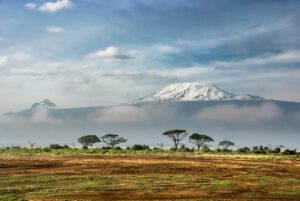
Tourism and the service sectors are critical components of the Tanzania economy, significantly contributing to GDP, foreign exchange earnings, and employment creation. Tanzania is widely recognized for its abundant natural and cultural assets, including the Serengeti National Park, Ngorongoro Crater, Mount Kilimanjaro, Zanzibar’s pristine beaches, and the Selous Game Reserve, among others. These attractions draw millions of international tourists annually, making tourism one of the fastest-growing industries in the country. According to the World Travel & Tourism Council, the tourism sector directly contributes over 10% of Tanzania’s GDP and supports nearly one million jobs, with indirect employment extending to hospitality, transportation, retail, and local handicraft industries. The Tanzania economy benefits from the sector not only through revenue generation but also via infrastructure development, cultural preservation, and promotion of sustainable environmental practices.
Beyond natural attractions, Tanzania’s rich cultural heritage enhances the tourism industry and the broader service sector. Communities engage in cultural tourism, offering traditional performances, local cuisine experiences, and craft markets that enrich visitor experiences while generating income for local populations. Ecotourism initiatives, particularly in wildlife conservation areas and marine reserves, combine environmental protection with economic benefits, ensuring that natural resources are sustainably managed while contributing to the Tanzania economy. Organizations like Tanzania National Parks Authority (TANAPA) oversee park management, infrastructure, and tourism promotion, ensuring that the sector continues to grow sustainably and remain a key pillar of economic development.
The hospitality sector, including hotels, lodges, resorts, and restaurants, forms an essential component of the service industry in the Tanzania economy. Cities like Dar es Salaam, Arusha, and Zanzibar host a wide range of accommodations that cater to international tourists, business travelers, and domestic visitors. Investment in high-quality hospitality infrastructure has attracted global hotel chains and independent operators, creating employment opportunities and fostering skill development among Tanzanian workers. Additionally, the service sector extends beyond tourism into banking, telecommunications, education, health services, and retail, all of which support urbanization, entrepreneurship, and consumer spending. For example, mobile banking platforms such as M-Pesa facilitate transactions across urban and rural areas, enhancing financial inclusion and supporting small businesses, which in turn strengthens the Tanzania economy.
Transport and logistics services are also integral to the tourism and service sectors in Tanzania. Efficient air, road, and maritime transport networks are necessary to connect tourist destinations with international and domestic markets. Tanzania’s main international airports in Dar es Salaam, Kilimanjaro, and Zanzibar handle millions of passengers annually, providing critical links for business, leisure, and cargo services. Similarly, road infrastructure, railway systems, and ports such as Dar es Salaam and Tanga support the movement of goods, services, and people, creating a symbiotic relationship between transport and the broader service sector. Improvements in transport infrastructure not only facilitate tourism growth but also enhance trade, industrial expansion, and regional integration, all of which are vital to the Tanzania economy.
Education and training within the service sector are equally important for sustainable economic development. Tourism and hospitality training institutions, vocational colleges, and university programs equip Tanzanians with the skills needed to meet international standards in service delivery. Language proficiency, cultural awareness, customer service skills, and management expertise are essential for enhancing the quality of the tourism experience and ensuring that the sector remains competitive globally. Human capital development in services thus directly contributes to the Tanzania economy by creating employment opportunities, improving productivity, and fostering entrepreneurship, particularly among youth and women.
Technology and digitalization are transforming tourism and services in Tanzania, further driving economic growth. Online booking platforms, mobile payment systems, digital marketing, and virtual tours are increasingly being adopted by hotels, tour operators, and service providers to reach global audiences. Platforms such as Tanzania Tourism Board promote destinations, facilitate travel planning, and connect local operators with international clients. Similarly, fintech solutions enhance financial accessibility for small and medium-sized enterprises (SMEs), enabling them to participate actively in the service economy. By integrating technology, the Tanzania economy strengthens service delivery, expands market reach, and enhances competitiveness in the global tourism and services landscape.
Tourism and services also have significant multiplier effects on the Tanzania economy. Revenues generated from tourism contribute to infrastructure projects, such as road construction, electricity expansion, and communication networks, which in turn support other sectors like manufacturing and trade. Local communities benefit through job creation, increased business opportunities, and the preservation of cultural heritage. The promotion of sustainable practices, including eco-tourism, wildlife conservation, and responsible hospitality, ensures that growth in tourism and services does not compromise environmental integrity, further supporting long-term economic sustainability. In this way, tourism and services act as catalysts for inclusive growth, diversification, and resilience within the Tanzania economy.
Challenges in the tourism and service sectors, however, can affect their contribution to the Tanzania economy if not addressed. Issues such as inadequate infrastructure in remote tourist areas, limited marketing reach, seasonal fluctuations in visitor numbers, and vulnerability to global economic shocks can reduce sectoral revenues. The COVID-19 pandemic illustrated the sensitivity of tourism-dependent economies, with travel restrictions significantly impacting revenue and employment. To mitigate such risks, the Tanzanian government, in partnership with international organizations like the UN World Tourism Organization (UNWTO), has invested in capacity building, crisis management frameworks, and destination diversification strategies. Improving infrastructure, expanding human capital development, and leveraging technology remain critical for ensuring that tourism and services continue to drive growth in the Tanzania economy.
In conclusion, tourism and service sectors are central to the Tanzania economy, creating jobs, generating foreign exchange, promoting sustainable development, and supporting wider economic diversification. The combination of natural beauty, cultural heritage, modern hospitality infrastructure, and technological innovation enables Tanzania to compete globally while fostering inclusive growth. While challenges such as infrastructure gaps, global shocks, and workforce training remain, strategic investments, policy interventions, and human capital development ensure that tourism and services continue to be a major engine of economic development. By leveraging these sectors, the Tanzania economy strengthens its resilience, diversifies its revenue base, and positions itself as a leading destination and service provider in East Africa’s dynamic economic landscape.
Trade, Investment, and Future Prospects of Tanzania Economy
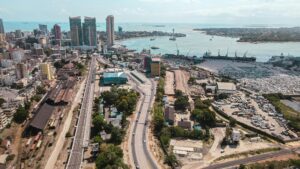
Trade and investment play a pivotal role in shaping the Tanzania economy, driving growth, diversification, and integration into global markets. Tanzania’s strategic location along the Indian Ocean provides the country with a competitive advantage as a regional trade hub, connecting East African nations to international shipping routes. The Port of Dar es Salaam, one of Africa’s busiest ports, facilitates exports and imports, while the Tanga and Mtwara ports complement trade logistics for northern and southern corridors. By efficiently linking domestic production to international markets, trade infrastructure supports industrial expansion, agricultural commercialization, and tourism, thereby enhancing the Tanzania economy’s overall resilience and competitiveness. The government’s commitment to improving transport, customs efficiency, and regional integration ensures that Tanzania remains a vital player in East African trade networks.
Foreign direct investment (FDI) has become increasingly important to the Tanzania economy, attracting capital, technology, and expertise across key sectors such as energy, mining, manufacturing, telecommunications, and financial services. International investors recognize Tanzania’s stable macroeconomic environment, large labor force, abundant natural resources, and policy reforms aimed at improving the investment climate. For instance, the Tanzania Investment Centre (TIC) provides a one-stop facilitation service for investors, streamlining licensing, permits, and regulatory compliance to encourage domestic and international investment. FDI not only contributes to capital formation but also creates employment opportunities, improves productivity, and facilitates technology transfer, reinforcing Tanzania’s long-term economic growth potential. By attracting strategic investments, the Tanzania economy strengthens its industrial base, enhances export capacity, and increases integration into global value chains.
Trade policy reforms and participation in regional and international trade agreements have further enhanced the Tanzania economy’s growth prospects. Membership in the East African Community (EAC) enables Tanzania to benefit from tariff-free trade with neighboring countries, access larger markets, and attract cross-border investments. Similarly, Tanzania’s engagement with the Southern African Development Community (SADC) and compliance with World Trade Organization (WTO) standards promote trade liberalization, reduce barriers, and enhance investor confidence. Export diversification is a critical strategy, with the government encouraging the expansion of non-traditional exports such as processed agricultural products, manufactured goods, and technology services. By broadening its trade portfolio, the Tanzania economy reduces vulnerability to global commodity price fluctuations and strengthens its ability to compete internationally.
Investment in infrastructure continues to be a major driver for trade and economic growth in Tanzania. Projects such as the Standard Gauge Railway (SGR), new highways, airports, and energy generation facilities improve the efficiency of goods movement, reduce production costs, and attract investors. Reliable electricity supply, modern telecommunications, and improved logistics are essential for both domestic businesses and international companies operating in Tanzania. Infrastructure development not only supports industrialization but also facilitates regional integration, enabling Tanzania to serve as a gateway for landlocked countries such as Uganda, Rwanda, Burundi, and the Democratic Republic of Congo. The strategic alignment of trade, investment, and infrastructure development underscores the centrality of these elements in sustaining a robust Tanzania economy.
Entrepreneurship and private sector development are increasingly critical for long-term growth and diversification of the Tanzania economy. Small and medium-sized enterprises (SMEs) contribute significantly to employment, innovation, and domestic value creation. Access to finance, business development services, and market information are vital for SMEs to thrive, particularly in agriculture, manufacturing, tourism, and technology sectors. Mobile banking and fintech platforms such as M-Pesa and local digital payment solutions enhance financial inclusion, enabling entrepreneurs to participate actively in economic activities. By fostering a dynamic private sector, the Tanzania economy increases resilience to external shocks, stimulates domestic consumption, and creates opportunities for wealth creation across different regions and communities.
Sustainability and green growth are central to Tanzania’s future economic prospects. Environmental conservation, climate-smart agriculture, renewable energy adoption, and sustainable tourism practices ensure that economic growth does not compromise natural resources or long-term development goals. Initiatives such as solar energy expansion, wind farms, and community-based conservation programs illustrate how the Tanzania economy is aligning development with sustainability principles. International partnerships with organizations such as the United Nations Development Programme (UNDP) and the World Bank support projects that balance economic growth with environmental stewardship, enhancing the country’s attractiveness to environmentally conscious investors and global markets.
Human capital development is equally critical for ensuring that trade, investment, and industrial expansion translate into sustainable economic growth. Tanzania continues to invest in education, vocational training, and skills development programs to equip its workforce for modern economic demands. Special attention is given to science, technology, engineering, and mathematics (STEM) education, as well as entrepreneurial and managerial skills, to support industrialization, digital services, and international trade. By building a skilled workforce, Tanzania enhances productivity, innovation, and competitiveness, strengthening the Tanzania economy’s long-term growth trajectory.
Looking ahead, the future prospects of the Tanzania economy appear promising but require continued strategic policy implementation and investment. Economic diversification, industrialization, enhanced trade facilitation, foreign investment attraction, and human capital development are central to achieving sustainable growth. Challenges such as global market volatility, climate change, infrastructure gaps, and income inequality must be addressed through sound governance, targeted reforms, and inclusive policies. The integration of technology, innovation, and sustainable practices into economic planning positions Tanzania as a potential regional leader in manufacturing, trade, tourism, and services. By leveraging its geographic location, natural resources, and demographic advantages, the Tanzania economy is well-positioned to achieve inclusive, resilient, and long-term economic prosperity.
In conclusion, trade, investment, and future economic prospects form the backbone of Tanzania’s vision for sustainable growth and development. Strategic infrastructure projects, FDI promotion, regional integration, SME development, and sustainable practices collectively strengthen the Tanzania economy’s resilience and global competitiveness. By capitalizing on its natural resources, human capital, and strategic location, Tanzania is poised to become a regional economic hub in East Africa, demonstrating the power of coordinated economic planning, inclusive growth strategies, and long-term investment in shaping a nation’s economic future. Understanding these dynamics is essential for policymakers, investors, and development partners seeking to engage with Tanzania’s evolving economic landscape.