
Discover the rare animals to see in Tanzania, from elusive wild dogs to the endangered black rhino. Explore unique wildlife habitats and plan an unforgettable safari with Kili2Sere Adventure.
Quick Summary
Tanzania is home to some of Africa’s most extraordinary wildlife. While many travelers visit to see lions, elephants, and zebras, the country also shelters several rare species that are difficult to find elsewhere. From the endangered black rhinoceros in the Ngorongoro Conservation Area to African wild dogs in remote reserves, Tanzania offers exceptional opportunities for wildlife enthusiasts seeking uncommon sightings. This guide explores the most fascinating rare animals to see in Tanzania, where to find them, and why they play a critical role in the country’s biodiversity.
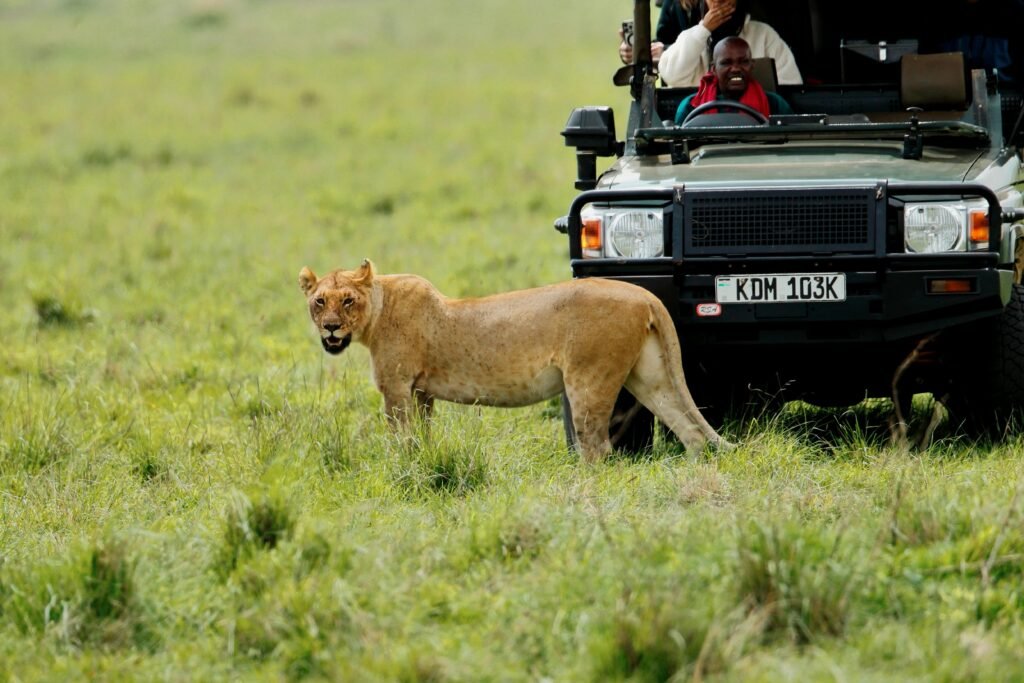
Rare Animals to See in Tanzania: Why Tanzania Is a Paradise for Unique Wildlife
When people think about an African safari, they usually imagine the Big Five. However, the true magic of Tanzania lies beyond these famous animals. The country hosts some of the most remarkable and rare animals to see in Tanzania, making it one of the world’s leading destinations for wildlife tourism.
Tanzania covers a vast range of ecosystems, including savannahs, wetlands, forests, mountains, and coastal habitats. These diverse environments support species that have become increasingly rare across Africa. For wildlife photographers, conservation enthusiasts, and adventurous travelers, searching for rare animals to see in Tanzania adds a completely different dimension to a safari experience.
Unlike many destinations where wildlife populations have declined significantly, Tanzania has maintained large protected areas that provide refuge for endangered species. National parks, game reserves, and conservation areas help preserve habitats that allow these unique creatures to survive and reproduce.
Some rare animals to see in Tanzania are active during the day, while others remain elusive and difficult to spot. Their rarity often makes every sighting feel like a special achievement. Experienced safari guides understand animal behavior and know the best locations to increase your chances of seeing these incredible species.
Whether you explore the Serengeti, Ruaha National Park, Nyerere National Park, or the Ngorongoro Conservation Area, opportunities to encounter rare wildlife are abundant. The combination of expert guiding and carefully planned safari routes can greatly improve your chances of witnessing these extraordinary animals in their natural environment.
For travelers seeking authentic wildlife encounters, focusing on rare animals to see in Tanzania creates a deeper appreciation of conservation efforts and the importance of protecting vulnerable species.
What Makes an Animal Rare in Tanzania?
Not every uncommon animal qualifies as rare. Wildlife experts typically classify species as rare based on population size, habitat restrictions, conservation status, and the likelihood of sightings in the wild.
Several factors contribute to the rarity of wildlife species:
- Habitat loss
- Human-wildlife conflict
- Climate change
- Illegal poaching
- Low reproductive rates
- Geographic isolation
- Disease outbreaks
As a result, many rare animals to see in Tanzania require specialized conservation programs to ensure their survival.
Visitors often underestimate the significance of spotting these species. A single sighting may represent one of only a few thousand individuals remaining in the wild. This reality makes wildlife tourism an important contributor to conservation funding throughout Tanzania.
The country’s protected areas create safe environments where threatened species can recover. Anti-poaching initiatives, scientific monitoring, and community-based conservation programs have played major roles in preserving populations of several endangered animals.
Travelers who prioritize responsible tourism help support these efforts. Every safari booking contributes to conservation activities that protect rare animals to see in Tanzania for future generations.
Top Destinations for Spotting Rare Animals in Tanzania
Different regions of Tanzania offer opportunities to see different species. Understanding where to travel is essential when planning a wildlife-focused safari.
Serengeti National Park
The Serengeti is globally famous for the Great Migration, but it is also one of the best places to encounter several rare animals to see in Tanzania. Certain regions provide opportunities to spot African wild dogs, serval cats, and other elusive predators.
Ngorongoro Conservation Area
The Ngorongoro Crater hosts one of the strongest remaining populations of black rhinos in East Africa. This makes it a premier destination for travelers interested in endangered wildlife conservation.
Ruaha National Park
Ruaha offers one of the best chances to observe African wild dogs. The park’s remote location helps protect important habitats for predators and other vulnerable species.
Nyerere National Park
Formerly part of the Selous Game Reserve, Nyerere National Park supports diverse ecosystems where visitors can search for uncommon wildlife away from crowded safari routes.
Mahale Mountains National Park
Although best known for chimpanzees, Mahale protects unique forest ecosystems that support some of the rare animals to see in Tanzania and contribute significantly to biodiversity conservation.
Why Rare Wildlife Encounters Create Unforgettable Safaris
Many travelers spend years dreaming about seeing a lion or elephant. However, seasoned safari enthusiasts often find the greatest excitement in discovering species that few people ever encounter.
The search for rare animals to see in Tanzania transforms a safari into an adventure filled with anticipation and discovery. Every game drive becomes an opportunity to witness something extraordinary.
Rare wildlife sightings often involve patience, expert tracking, and a bit of luck. This combination creates memorable experiences that stay with travelers long after they return home.
Wildlife photographers especially value these encounters because rare species provide unique photographic opportunities. Capturing images of endangered animals contributes to awareness and inspires conservation support around the world.
At Kili2Serengeti Adventure, carefully designed safari itineraries help guests maximize their opportunities to observe rare animals while supporting sustainable tourism practices. Professional guides understand seasonal wildlife movements and can recommend the best locations for exceptional sightings.
In the next section, we will explore the most fascinating rare animals to see in Tanzania, including black rhinos, African wild dogs, serval cats, and other remarkable species that make Tanzania one of Africa’s greatest wildlife destinations.
The Most Fascinating Rare Animals to See in Tanzania
Black Rhinoceros: Tanzania’s Most Iconic Endangered Species
Among all the rare species found across East Africa, the black rhinoceros stands out as one of the most sought-after wildlife sightings. For travelers searching for rare animals to see in Tanzania, spotting a black rhino is often considered a once-in-a-lifetime experience.
Black rhinos once roamed widely across many parts of Africa, but decades of poaching caused severe population declines. Today, conservation efforts have helped protect small populations in carefully managed areas. The best location to see black rhinos is the Ngorongoro Conservation Area, where strict protection measures have allowed the species to survive.
Unlike white rhinos, black rhinos are more solitary and can be difficult to approach. Their sharp senses and cautious behavior make sightings particularly exciting. Safari guides often use spotting scopes to help visitors observe these animals from a respectful distance.
Interesting facts about black rhinos:
- They can weigh more than 1,300 kilograms.
- Their upper lip is adapted for browsing shrubs.
- They have poor eyesight but excellent hearing.
- They can run surprisingly fast despite their size.
- They are classified as critically endangered.
A successful black rhino sighting is one of the highlights for anyone interested in rare animals to see in Tanzania.
African Wild Dog: The Ultimate Predator Experience
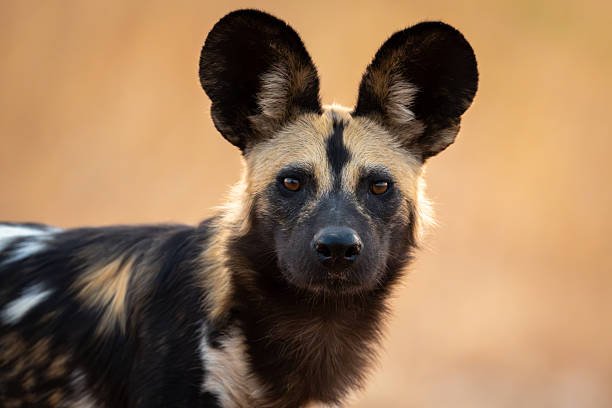
The African wild dog is another extraordinary species that attracts wildlife enthusiasts from around the world. These highly intelligent predators are among the most endangered carnivores on the continent.
African wild dogs live in coordinated packs and are known for their remarkable hunting efficiency. Unlike many predators, they rely heavily on teamwork rather than brute strength. Watching a pack communicate and move together offers one of the most fascinating wildlife experiences available in Africa.
Ruaha National Park and Nyerere National Park provide some of the best opportunities to encounter African wild dogs. These remote wilderness areas support healthy predator populations and offer fewer crowds compared to more famous safari destinations.
Reasons why wildlife lovers seek African wild dogs:
- They are rarely seen in many safari destinations.
- Their social behavior is unique among predators.
- They have one of the highest hunting success rates in Africa.
- Their colorful coat patterns are different on every individual.
- Their populations remain vulnerable despite conservation efforts.
Because sightings are never guaranteed, finding African wild dogs ranks among the most rewarding rare animals to see in Tanzania experiences.
Serval Cat: The Secretive Hunter of the Grasslands
Many safari visitors never realize that serval cats exist until they encounter one unexpectedly. This medium-sized wild cat is famous for its long legs, large ears, and impressive hunting skills.
Servals prefer grasslands where they can use their exceptional hearing to detect rodents hidden beneath vegetation. They are capable of making powerful vertical leaps to capture prey and are among Africa’s most efficient small predators.
The Serengeti ecosystem provides excellent habitat for servals, although patience is often required. Early morning and late afternoon game drives generally offer the best opportunities for sightings.
Key characteristics of servals include:
- Distinctive spotted coat patterns.
- Long legs adapted for tall grass.
- Exceptional hearing abilities.
- Powerful jumping skills.
- Solitary and elusive behavior.
For photographers seeking uncommon subjects, servals represent one of the most photogenic rare animals to see in Tanzania.
Pangolin: The Most Elusive Mammal in Tanzania
Few wildlife encounters generate as much excitement as finding a pangolin. These unusual mammals are covered with protective scales and spend much of their lives avoiding predators.
Pangolins are primarily nocturnal, making sightings extremely rare. They feed mainly on ants and termites using long sticky tongues specially adapted for insect hunting.
Unfortunately, pangolins face serious threats from illegal wildlife trafficking. Conservation organizations continue to work tirelessly to protect remaining populations throughout Africa.
Why pangolins are remarkable:
- They are covered in scales instead of fur.
- They curl into a protective ball when threatened.
- They consume thousands of insects daily.
- They are among the most trafficked mammals globally.
- Sightings are considered exceptionally rare.
Many experienced safari travelers spend years searching for pangolins without success, which makes them one of the most extraordinary rare animals to see in Tanzania.
Colobus Monkeys: Unique Primates of Tanzania’s Forests
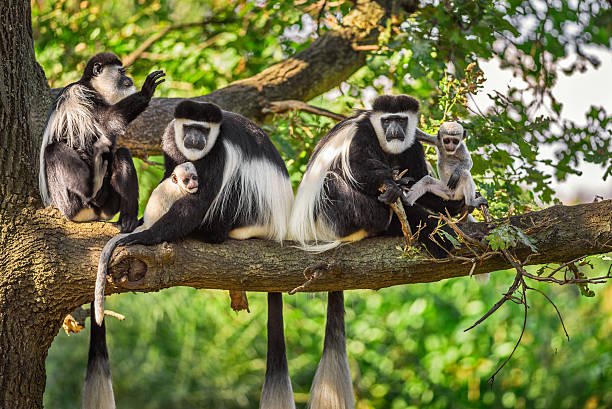
While most safari visitors focus on large mammals, Tanzania also supports several fascinating primate species. Among them, black-and-white colobus monkeys are especially striking.
These monkeys are easily recognized by their dramatic black fur and long white tails. They spend most of their time in forest canopies and move gracefully between trees.
Areas such as Arusha National Park and the forests near Mount Kilimanjaro offer excellent opportunities to observe these beautiful primates. Their social interactions and agile movements provide a different perspective on Tanzania’s wildlife diversity.
Notable traits include:
- Long flowing tails used for balance.
- Leaf-based diets.
- Strong social group structures.
- Excellent climbing abilities.
- Distinctive black-and-white coloration.
For visitors interested in forest wildlife, colobus monkeys deserve a place on every wildlife checklist.
Why These Species Matter for Conservation
Protecting endangered wildlife is about more than preserving individual species. Every animal plays an important role within its ecosystem. When populations decline, ecological balance can be affected in ways that influence entire habitats.
The rare animals to see in Tanzania contribute to healthy ecosystems through predator-prey relationships, seed dispersal, vegetation management, and biodiversity maintenance. Their survival supports the long-term sustainability of Tanzania’s natural heritage.
Conservation initiatives involving local communities, wildlife authorities, researchers, and responsible tourism operators continue to make a positive difference. Travelers who choose ethical safari experiences help generate revenue that supports these important programs.
As interest in sustainable tourism grows, awareness of rare species becomes increasingly important. Learning about these animals encourages visitors to appreciate the value of wildlife protection and responsible travel practices.