Discover the best time to witness Great Migration in Tanzania. Learn about Serengeti migration seasons, river crossings, calving, locations, and safari tips.
Discover the Best Time to Witness Great Migration in Tanzania
The Great Migration is one of the most spectacular natural events on Earth and one of the main reasons travelers dream of visiting Tanzania. Every year, more than one million wildebeest, accompanied by hundreds of thousands of zebras and gazelles, move across the vast plains of the Serengeti ecosystem in search of fresh grass, water, and better survival opportunities. This extraordinary journey creates some of the most unforgettable wildlife experiences in Africa, from dramatic river crossings to the incredible sight of thousands of animals moving together across endless savannah landscapes.
For many travelers planning an African safari, the biggest question is: What is the best time to witness Great Migration in Tanzania? The answer depends on the specific experience you want to see. Some visitors want to witness the exciting Mara River crossings, while others prefer the breathtaking calving season when thousands of newborn animals enter the world. Understanding the migration cycle is essential because the movement of wildlife follows rainfall patterns, food availability, and natural instincts rather than fixed dates on a calendar.
At Kili2Sere Adventure, we believe that a successful Great Migration safari is not only about visiting Tanzania—it is about being in the right place at the right time. Our local safari experts carefully follow seasonal wildlife movements to design journeys that maximize your chances of witnessing this incredible natural phenomenon.
What Is the Great Migration in Tanzania?
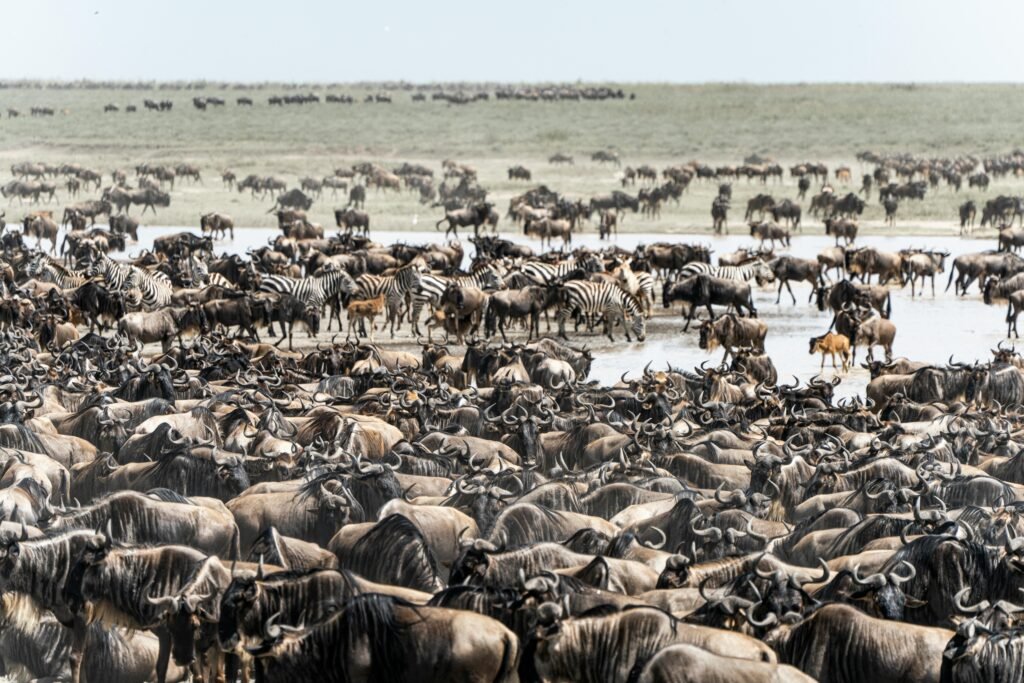
The Great Migration is an annual circular movement of approximately 1.5 million wildebeest, hundreds of thousands of zebras, and large numbers of gazelles throughout the Serengeti ecosystem. It is often described as the largest terrestrial wildlife migration on the planet.
Unlike a traditional migration where animals move from one destination to another and stay there, the Great Migration is a continuous year-round cycle. The herds are constantly moving through different areas of Tanzania and Kenya depending on rainfall and the availability of fresh grazing.
The migration follows a general pattern:
- Southern Serengeti – Calving Season
- January to March
- Thousands of wildebeest give birth
- High predator activity
- Central and Western Serengeti Movement
- April to June
- Herds begin moving north
- Large animal concentrations
- Northern Serengeti – River Crossing Season
- July to October
- Dramatic Mara River crossings
- One of the most famous safari moments
- Return Journey South
- November to December
- Herds follow fresh grass after seasonal rains
Because the migration covers such a large ecosystem, the best time to witness Great Migration in Tanzania depends on which stage of this journey you want to experience.
Why Tanzania Is the Best Destination for the Great Migration
Although the migration extends into Kenya’s Masai Mara ecosystem, Tanzania remains the heart of this incredible wildlife event. The majority of the migration cycle happens inside Tanzania, particularly within Serengeti National Park and the surrounding conservation areas.
There are several reasons why Tanzania offers an exceptional Great Migration safari experience:
1. The Serengeti Has the Largest Wildlife Ecosystem in Africa
The Serengeti ecosystem covers approximately 30,000 square kilometers, creating the perfect environment for millions of grazing animals. The endless grasslands provide food, shelter, and migration routes that have existed for thousands of years.
The ecosystem includes:
- Serengeti National Park
- Ngorongoro Conservation Area
- Maswa Game Reserve
- Grumeti Game Reserve
- Ikorongo Game Reserve
This protected landscape allows wildlife to continue following ancient migration patterns.
2. Tanzania Offers Multiple Migration Experiences
One of the biggest advantages of choosing Tanzania is that visitors can experience different stages of the migration throughout the year.
Unlike travelers who only focus on river crossings, Tanzania provides opportunities to witness:
- Newborn wildebeest calves taking their first steps
- Predator hunting activity
- Massive herds crossing open plains
- River crossings involving crocodiles and strong currents
- Thousands of animals gathering across the Serengeti
This makes Tanzania suitable for different types of travelers, including photographers, families, honeymoon couples, and first-time safari visitors.
Why Timing Matters When Planning a Great Migration Safari
Choosing the correct travel period can completely change your safari experience. The Great Migration is a natural event, meaning wildlife movements cannot be guaranteed on exact dates. However, understanding seasonal patterns greatly increases your chances of witnessing specific events.
For example:
A traveler visiting Tanzania in February may experience the incredible sight of thousands of newborn wildebeest calves in the southern Serengeti. During this period, predators such as lions, cheetahs, and hyenas are highly active because young animals provide easier hunting opportunities.
On the other hand, a visitor traveling between July and September may have the opportunity to witness one of nature’s most dramatic scenes—the Serengeti river crossings, where thousands of wildebeest attempt to cross rivers while facing powerful currents and waiting crocodiles.
Therefore, the best time to witness Great Migration in Tanzania depends on your personal safari goals.
Quick Summary: Great Migration Safari Seasons
| Migration Period | Months | Location | Main Experience |
|---|---|---|---|
| Calving Season | January – March | Southern Serengeti | Birth of thousands of wildebeest calves |
| Green Season Movement | April – June | Central & Western Serengeti | Large herds moving north |
| River Crossing Season | July – October | Northern Serengeti | Mara River crossings |
| Return Migration | November – December | Central & Southern Serengeti | Herds returning south |
Expert Safari Insight: Choosing the Right Migration Experience
According to experienced safari planners, there is no single month that guarantees the “perfect” Great Migration experience. The ideal timing depends on what type of adventure you want.
For Wildlife Photographers:
The best periods are usually:
- January to March for dramatic predator interactions and newborn animals
- July to September for river crossing photography
For First-Time Safari Travelers:
The dry season between June and October is often recommended because:
- Wildlife is easier to locate
- Weather conditions are comfortable
- Roads are generally excellent
- Multiple parks can be combined easily
For Travelers Seeking Fewer Crowds:
Consider:
- January
- March
- November
These periods can provide excellent wildlife viewing with a more peaceful safari atmosphere.
Experience the Great Migration with Kili2Sere Adventure
Witnessing the Great Migration is more than simply booking a safari—it is about understanding wildlife behavior, seasonal movements, and choosing the right locations at the right time.
At Kili2Sere Adventure, we specialize in creating personalized Tanzania safari experiences designed around your travel dreams. Our knowledgeable local guides understand the Serengeti ecosystem and help travelers discover the most rewarding migration moments.
Whether your goal is watching wildebeest cross the Mara River, photographing predators during calving season, or exploring Tanzania’s iconic national parks, our team will help you plan a safari that matches your expectations.
A well-planned Great Migration safari creates memories that last a lifetime. With expert guidance, the right timing, and a carefully designed itinerary, you can experience one of the world’s greatest wildlife spectacles in the heart of Tanzania.
Month-by-Month Guide – The Best Time to Witness Great Migration in Tanzania
Understanding the movement of wildlife throughout the year is the most important factor when planning a successful safari. The best time to witness Great Migration in Tanzania depends on which stage of the migration you want to experience because the herds follow seasonal rainfall patterns, fresh grazing areas, and natural survival instincts.
Unlike a scheduled event with fixed dates, the Great Migration is a continuous natural cycle. Weather conditions can slightly change the exact location of the animals every year, but experienced safari operators can predict the general movement patterns and recommend the best areas to visit.
At Kili2Sere Adventure, we monitor migration trends and seasonal conditions to help travelers choose the right safari dates. Whether you want to witness thousands of wildebeest giving birth, observe predators hunting on the plains, or experience the dramatic Serengeti river crossings, selecting the correct month can transform your safari into a once-in-a-lifetime adventure.
January to March: The Great Migration Calving Season in Southern Serengeti
For travelers interested in newborn wildlife and dramatic predator action, January to March is considered one of the most rewarding periods of the year.
During these months, massive herds gather in the southern Serengeti plains, especially around the Ndutu region within the Ngorongoro Conservation Area. The landscape becomes a nursery as approximately half a million wildebeest calves are born within a short period.
This extraordinary event is one of the strongest reasons why many wildlife enthusiasts consider this period the best time to witness Great Migration in Tanzania.
The abundance of young animals attracts some of Africa’s most famous predators, creating incredible wildlife interactions.
Visitors may witness:
- Lions stalking young wildebeest
- Cheetahs hunting across open grasslands
- Hyenas searching for opportunities
- Large herds of zebras and gazelles
- Thousands of newborn calves learning to walk
The green landscape, dramatic skies, and active wildlife also make this season exceptional for photographers.
Best For:
✅ Wildlife photographers
✅ Families interested in animal behavior
✅ Travelers seeking fewer crowds
✅ Visitors interested in predator sightings
April to June: Migration Movement Through Central and Western Serengeti
From April onwards, the wildebeest herds begin moving northward after exhausting the southern grazing areas.
This period marks a transitional phase of the Great Migration. The animals pass through the central Serengeti before reaching the western corridor near the Grumeti River.
Although some travelers focus only on the famous river crossings, April to June offers a more peaceful and authentic migration experience.
During this period, visitors can enjoy:
- Massive herds moving across the Serengeti plains
- Excellent predator sightings
- Beautiful green landscapes
- Fewer safari vehicles compared with peak season
The western Serengeti becomes especially important as thousands of wildebeest approach the Grumeti River. Here, visitors may witness challenging river crossings where animals face strong currents and large crocodiles.
However, travelers should understand that river crossings are natural events and cannot be guaranteed on specific days.
Weather During April to June
April and May usually receive more rainfall, creating lush scenery and excellent photography conditions. By June, the weather becomes cooler and drier, making it a comfortable time for safari.
Best For:
✅ Travelers looking for fewer crowds
✅ Photography enthusiasts
✅ Budget-conscious safari visitors
✅ Visitors wanting a quieter migration experience
July to October: The Famous Serengeti River Crossing Season
When travelers search for the best time to witness Great Migration in Tanzania, July to October is often the most popular answer because this period offers opportunities to see the famous Mara River crossings.
During these months, the migrating herds reach northern Serengeti as they continue toward Kenya’s Masai Mara ecosystem.
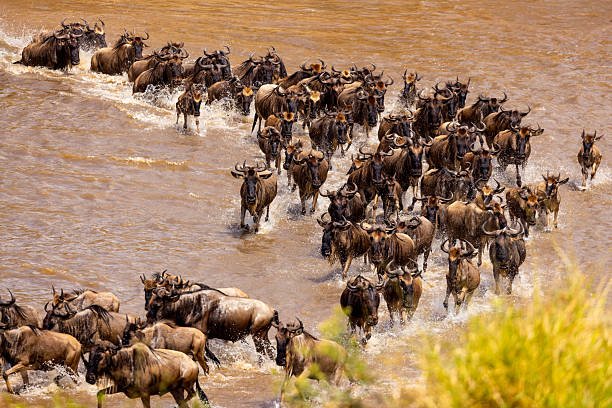
The river crossings are among the most dramatic wildlife spectacles in the world. Thousands of wildebeest gather along the riverbanks before making their dangerous journey across the water.
These moments involve:
- Powerful river currents
- Waiting crocodiles
- Thousands of animals moving together
- Dust-filled landscapes
- Intense survival struggles
However, witnessing a river crossing requires patience. Wildlife does not follow human schedules. A herd may gather near the river for hours or even days before deciding to cross.
This is why choosing an experienced safari company is important. Local guides understand animal behavior and know the best locations for maximizing viewing opportunities.
Why July to October Is Highly Recommended
The dry season provides excellent safari conditions:
- Wildlife gathers around water sources
- Vegetation becomes thinner
- Roads are easier to navigate
- Weather is comfortable
- Photography conditions are excellent
Best For:
✅ First-time safari visitors
✅ Great Migration enthusiasts
✅ Luxury safari travelers
✅ Wildlife photographers
November to December: The Return Journey to Southern Serengeti
After the northern migration period, seasonal rains begin across Tanzania, encouraging the herds to start moving south again.
November and December mark the beginning of the migration return journey toward the southern Serengeti plains.
This period is often overlooked, but it provides unique advantages for travelers who prefer a quieter safari experience.
The short rains transform the landscape into a beautiful green paradise, attracting migratory birds and refreshing the grasslands.
Visitors can enjoy:
- Green landscapes
- Excellent birdwatching
- Fewer tourists
- Beautiful photography opportunities
- Early migration movement
For travelers who want an authentic safari without peak-season crowds, November and December can be an excellent choice.
Best For:
✅ Birdwatchers
✅ Photographers
✅ Travelers seeking value
✅ Visitors avoiding high-season crowds
Great Migration Tanzania Calendar Comparison Table
| Month | Migration Location | Main Highlight | Visitor Experience |
|---|---|---|---|
| January | Southern Serengeti | Herd gathering | Excellent wildlife viewing |
| February | Ndutu Area | Wildebeest calving | Predator action and newborn animals |
| March | Southern Serengeti | End of calving season | Beautiful landscapes |
| April | Central Serengeti | Migration movement | Fewer crowds |
| May | Western Serengeti | Grumeti River area | Green scenery and wildlife |
| June | Western Serengeti | Herds moving north | Great transition period |
| July | Northern Serengeti | River crossing preparation | Peak migration season |
| August | Northern Serengeti | Mara River crossings | Iconic wildlife spectacle |
| September | Northern Serengeti | Continued crossings | Excellent safari conditions |
| October | Northern Serengeti | Late dry season viewing | Great wildlife concentration |
| November | Central Serengeti | Migration begins south | Quiet safari experience |
| December | Southern Serengeti | Herd return | Green season begins |
What Is the Overall Best Month to Witness Great Migration in Tanzania?
There is no single perfect month because every traveler has different expectations. However, based on the type of experience you want:
| Safari Goal | Recommended Period |
|---|---|
| Wildebeest births and predator action | January – March |
| Serengeti river crossings | July – September |
| Best overall wildlife viewing | June – October |
| Fewer crowds | January, March, November |
| Photography safari | January – March and July – October |
| Budget-friendly migration safari | April – May and November |
The best time to witness Great Migration in Tanzania ultimately depends on whether you want to see birth, survival, movement, or dramatic river crossings.
Expert Advice from Kili2Sere Adventure
Planning a Great Migration safari requires more than selecting a month. It requires understanding animal movements, park conditions, accommodation availability, and your personal travel expectations.
A professional safari planner can help you choose:
- The correct Serengeti region
- The best travel dates
- Suitable accommodation
- The right safari duration
- The best photography opportunities
At Kili2Sere Adventure, we design personalized Tanzania safari experiences based on real seasonal knowledge. Our goal is to place travelers in the right destination at the right time to increase their chances of experiencing the incredible Great Migration.
Whether your dream is watching thousands of wildebeest cross the Mara River or witnessing newborn calves running across the Serengeti plains, proper timing is the foundation of an unforgettable safari.
Where Is the Best Place to Witness Great Migration in Tanzania?
Knowing the best time to witness Great Migration in Tanzania is only one part of planning a successful safari. The next important decision is choosing the right location. Since the Great Migration follows a continuous circular route across the Serengeti ecosystem, different regions provide completely different wildlife experiences throughout the year.
Many travelers search for the perfect month to visit Tanzania, but the location you choose can be equally important. A visitor traveling during the right season but staying in the wrong area may miss the incredible moments they hoped to experience.
The best time to witness Great Migration in Tanzania depends heavily on understanding where the herds are located during each stage of their journey. From the southern Serengeti plains where thousands of calves are born, to the northern Serengeti where dramatic river crossings take place, every region offers a unique perspective of this natural wonder.
At Kili2Sere Adventure, our safari planning approach combines seasonal knowledge, wildlife behavior, and local expertise to ensure travelers are positioned in the best possible locations at the right time.
1. Southern Serengeti and Ndutu Area – Best for Calving Season
For travelers searching for the best time to witness Great Migration in Tanzania with newborn wildlife experiences, the southern Serengeti and Ndutu region is one of the most rewarding destinations.
Between January and March, the plains of Ndutu become the center of the Great Migration. During this period, approximately half a million wildebeest calves are born within a short window, creating one of nature’s most impressive survival events.
The open grasslands provide perfect conditions for young animals, while predators gather in large numbers because of the increased availability of vulnerable prey.
Visitors during the calving season can expect:
- Thousands of newborn wildebeest calves
- Large zebra herds
- Active lion prides
- Cheetah hunting opportunities
- Hyena activity
- Beautiful green landscapes
This period is especially popular among wildlife photographers because the combination of young animals, predator interactions, and dramatic skies creates incredible photographic opportunities.
Why Choose Southern Serengeti?
The main advantage of this area is proximity to the migration herds during one of the most important stages of their journey.
For travelers who want emotional wildlife moments rather than only dramatic crossings, the southern Serengeti provides an unforgettable experience.
2. Central Serengeti – The Heart of the Migration Experience
Central Serengeti, especially the Seronera area, is one of the most accessible and popular safari regions in Tanzania.
Because of its permanent water sources and diverse habitats, Central Serengeti supports wildlife throughout the year. This makes it an excellent destination regardless of when you plan your safari.
For travelers researching the best time to witness Great Migration in Tanzania, Central Serengeti is often recommended because it offers flexibility.
Depending on the season, visitors may experience:
- Migrating wildebeest herds
- Large numbers of zebras
- Excellent lion sightings
- Leopard encounters
- Elephant sightings
- Beautiful savannah scenery
Central Serengeti is particularly valuable for travelers who want to combine the Great Migration with classic Big Five safari experiences.
Best Months for Central Serengeti:
- April to June: Migration movement through the region
- November to December: Herds returning south
- June to October: Excellent general wildlife viewing
3. Western Serengeti and Grumeti River – The First Major River Challenge
The western corridor is one of the most fascinating areas for travelers interested in the best time to witness Great Migration in Tanzania.
Around May and June, migrating wildebeest begin moving through this region toward the northern Serengeti.
The highlight of this area is the Grumeti River crossing. Similar to the famous Mara River crossings, this event involves thousands of animals attempting to cross dangerous waters.
The Western Serengeti offers:
- Large migrating herds
- Fewer tourists compared with northern areas
- Dramatic river landscapes
- Excellent predator sightings
One advantage of choosing the western corridor is the more exclusive atmosphere. Travelers can often enjoy incredible wildlife encounters without the large crowds experienced during peak migration months.
Best Time to Visit Western Serengeti:
May to July
This period offers the highest chance of witnessing migration movement through the region.
4. Northern Serengeti – The Best Location for River Crossings
When most people search for the best time to witness Great Migration in Tanzania, they are usually dreaming about one iconic moment: thousands of wildebeest crossing the Mara River.
Northern Serengeti is the destination where this dramatic event occurs.
Between July and October, migrating herds gather in northern Serengeti before crossing into Kenya’s Masai Mara.
The river crossing experience includes:
- Thousands of wildebeest moving together
- Powerful river currents
- Crocodiles waiting in the water
- Dust-filled landscapes
- Intense survival moments
However, travelers should understand that river crossings are unpredictable. Animals may wait for hours or days before crossing, and no responsible safari company can guarantee an exact crossing date.
Experienced guides increase the chances of success by monitoring herd movements and positioning vehicles in strategic viewing areas.
Best Months for Northern Serengeti:
- July
- August
- September
- October
These months are considered peak season for Great Migration safari experiences.
5. Ngorongoro Conservation Area – A Perfect Addition to Migration Safaris
Although the Ngorongoro Conservation Area is not the main migration location, it plays an important role in many Tanzania safari itineraries.
Many travelers combine Serengeti migration safaris with Ngorongoro because the area offers incredible year-round wildlife viewing.
The Ngorongoro Crater provides opportunities to see:
- Lions
- Black rhinos
- Elephants
- Buffaloes
- Hippos
- Flamingos
For visitors planning the best time to witness Great Migration in Tanzania, adding Ngorongoro creates a complete northern Tanzania safari experience.
Great Migration Location Comparison Table
| Location | Best Months | Main Experience | Recommended For |
|---|---|---|---|
| Southern Serengeti / Ndutu | January – March | Wildebeest calving | Photographers, families |
| Central Serengeti | April – June & November – December | Migration movement | First-time visitors |
| Western Serengeti | May – July | Grumeti River | Exclusive safari lovers |
| Northern Serengeti | July – October | Mara River crossings | Migration enthusiasts |
| Ngorongoro | Year-round | Big Five wildlife | Complete Tanzania safari |
Expert Safari Advice: Location Matters as Much as Timing
The best time to witness Great Migration in Tanzania is not only about choosing the right month. It is also about selecting the correct location based on your expectations.
A traveler interested in newborn animals should focus on Southern Serengeti. Someone dreaming about dramatic river crossings should choose Northern Serengeti. Visitors wanting flexibility and year-round wildlife should consider Central Serengeti.
This is why working with an experienced local safari company makes a significant difference.
At Kili2Sere Adventure, our safari experts understand the relationship between migration patterns, seasonal weather, and wildlife behavior. We help travelers choose the right Serengeti region to maximize their chances of experiencing unforgettable moments.
Whether you want to witness the first steps of newborn wildebeest calves or the powerful spectacle of a Serengeti river crossing, proper planning ensures your safari becomes more than a holiday—it becomes a lifelong memory.
Start Your Great Migration Safari with Local Experts
Choosing the best time to witness Great Migration in Tanzania is the first step toward experiencing one of the world’s most incredible wildlife spectacles. However, timing alone is not enough. A successful Great Migration Tanzania safari requires expert planning, the right destination, experienced guides, and a carefully designed itinerary that follows the movement of wildlife.
The Great Migration is a natural event influenced by rainfall, grazing conditions, and animal behavior. This means professional knowledge and local experience play a major role in helping travelers reach the best locations at the right moments.
At Kili2Sere Adventure, we specialize in creating unforgettable Tanzania safari experiences by combining local expertise, personalized service, and deep knowledge of the Serengeti ecosystem. Whether you want to witness the dramatic Serengeti river crossings, explore the southern Serengeti during calving season, or enjoy a private luxury safari, our team helps you plan every detail of your journey.
The best time to witness Great Migration in Tanzania depends on your travel goals, and our safari experts help you choose the ideal season, route, and accommodation based on your expectations.
Why Choose Kili2Sere Adventure for Your Great Migration Safari?
Planning a Great Migration safari independently can be challenging because wildlife movements change throughout the year. Choosing the right area, selecting suitable accommodation, and understanding seasonal patterns require professional experience.
Kili2Sere Adventure provides:
Experienced Local Safari Guides
Our professional guides have extensive knowledge of Tanzania’s national parks, wildlife behavior, and seasonal migration patterns. They understand where animals are likely to move and how to maximize your safari experience.
Customized Safari Itineraries
Every traveler has different expectations. Some guests dream of witnessing wildebeest crossing the Mara River, while others prefer photographing newborn animals during the calving season.
We design personalized itineraries based on:
- Your travel dates
- Your budget
- Your preferred safari style
- Wildlife interests
- Accommodation preferences
Authentic Tanzania Wildlife Experiences
Our goal is not only to show you animals but to help you understand the ecosystem, conservation efforts, and cultural heritage behind Tanzania’s incredible landscapes.
What to Consider Before Booking a Great Migration Safari
Understanding the best time to witness Great Migration in Tanzania helps you prepare for your adventure, but several other factors should also be considered.
1. Choose Your Travel Season Carefully
Your preferred experience determines your ideal travel period.
January to March:
Best for:
- Wildebeest calving season
- Predator action
- Photography
- Green landscapes
July to October:
Best for:
- Mara River crossings
- Dry season wildlife viewing
- First-time safari travelers
November to December:
Best for:
- Fewer crowds
- Birdwatching
- Green season photography
2. Book Early During Peak Migration Months
The best time to witness Great Migration in Tanzania often falls during high-demand periods, especially July, August, and September.
During these months:
- Safari lodges fill quickly
- Luxury camps have limited availability
- Popular routes become busy
Booking early allows travelers to access better accommodation options and preferred safari schedules.
3. Choose the Right Safari Style
Every traveler has a different vision of the perfect Great Migration experience.
Luxury Migration Safari
Ideal for travelers seeking:
- Premium lodges
- Private vehicles
- Exclusive experiences
- Personalized service
Mid-Range Safari
Perfect for travelers wanting:
- Comfort
- Excellent wildlife viewing
- Good value
Budget Camping Safari
Suitable for adventurers who want:
- Authentic outdoor experiences
- Affordable Tanzania safari options
Kili2Sere Adventure can organize different safari styles depending on your preferences.
What to Pack for a Great Migration Safari in Tanzania
Preparing correctly improves your safari comfort.
Recommended items include:
- Lightweight neutral-colored clothing
- Comfortable walking shoes
- Sunglasses
- Sunscreen
- Hat
- Camera equipment
- Binoculars
- Light jacket for cool mornings
- Insect repellent
- Personal medication
During dry season months, mornings and evenings can be surprisingly cool, especially in areas such as Ngorongoro Highlands.
Quick Summary: Best Time to Witness Great Migration in Tanzania
| Experience | Best Time |
|---|---|
| Wildebeest calving season | January – March |
| Predator encounters | January – March |
| Grumeti River movement | May – June |
| Mara River crossings | July – September |
| Best overall safari weather | June – October |
| Fewer tourists | November and March |
| Photography safari | January – March & July – October |
Frequently Asked Questions About the Best Time to Witness Great Migration in Tanzania
What is the best time to witness Great Migration in Tanzania?
The best time to witness Great Migration in Tanzania depends on the experience you want. July to September is ideal for dramatic river crossings, while January to March is perfect for witnessing the wildebeest calving season in southern Serengeti.
Is the Great Migration guaranteed during a Tanzania safari?
The Great Migration follows natural weather patterns, so exact locations and dates cannot be guaranteed. However, experienced safari operators like Kili2Sere Adventure use seasonal knowledge and local updates to increase the chances of excellent wildlife sightings.
How many days do I need for a Great Migration safari?
A Great Migration safari usually requires between 5 and 8 days depending on the locations you want to visit. Longer itineraries provide better opportunities because wildlife movements can change daily.
Which part of Serengeti is best for the Great Migration?
The best area depends on the season. Southern Serengeti is best during calving season, while Northern Serengeti is the preferred destination for Mara River crossings.
Can I combine the Great Migration with Zanzibar?
Yes. Many travelers combine a Serengeti Migration safari with a relaxing Zanzibar beach holiday. This creates a complete Tanzania experience combining wildlife adventures and tropical beaches.
Final Thoughts: Choose the Right Time for Your Great Migration Adventure
The best time to witness Great Migration in Tanzania depends on the type of experience you want to remember forever. Whether you dream of seeing thousands of wildebeest crossing powerful rivers, watching newborn calves take their first steps, or photographing Africa’s legendary predators, Tanzania offers incredible opportunities throughout the year.
The secret to a successful Great Migration safari is choosing the right season, the right location, and the right safari partner.
With Kili2Sere Adventure, you are not simply booking a trip—you are planning a carefully designed wildlife experience guided by local knowledge and passion for Tanzania.
Our team is ready to help you discover the magic of Serengeti, experience the Great Migration, and create memories that will last a lifetime.
Contact Kili2Sere Adventure today and let us help you plan your perfect Great Migration safari in Tanzania.
Your unforgettable Serengeti adventure begins here.