About Mount Kilimanjaro
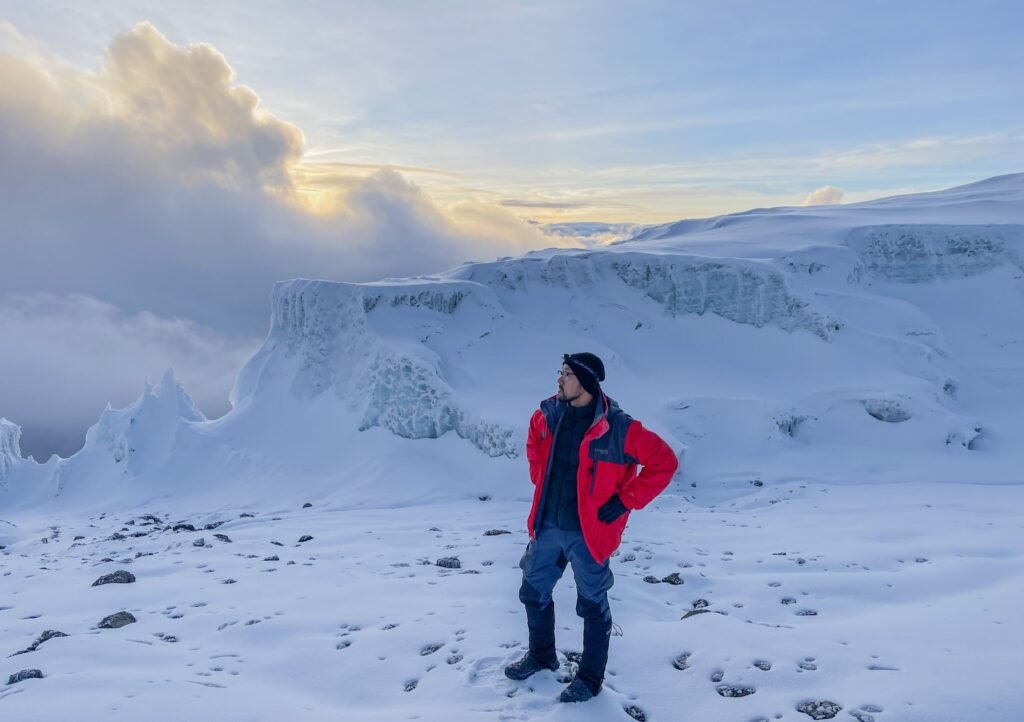
Mount Kilimanjaro is Africa’s highest mountain standing at 5,895m. It offers a once-in-a-lifetime trekking experience through rainforest, alpine desert and icy summit zones.
- Highest peak in Africa
- UNESCO World Heritage Site
- 5+ trekking routes
- Year-round climbing destination
Mount Kilimanjaro offers several trekking routes including Machame, Marangu, Lemosho and Rongai, each providing unique scenery, different difficulty levels and unforgettable experiences leading to the Uhuru Peak summit.
The Lemosho Route is widely regarded as the best all-around route on Mount Kilimanjaro, combining spectacular scenery, excellent acclimatization, and one of the highest summit success rates on the mountain. Beginning on the remote western side of Kilimanjaro, the route offers a peaceful start through lush rainforest before crossing the stunning Shira Plateau and joining the southern circuit.
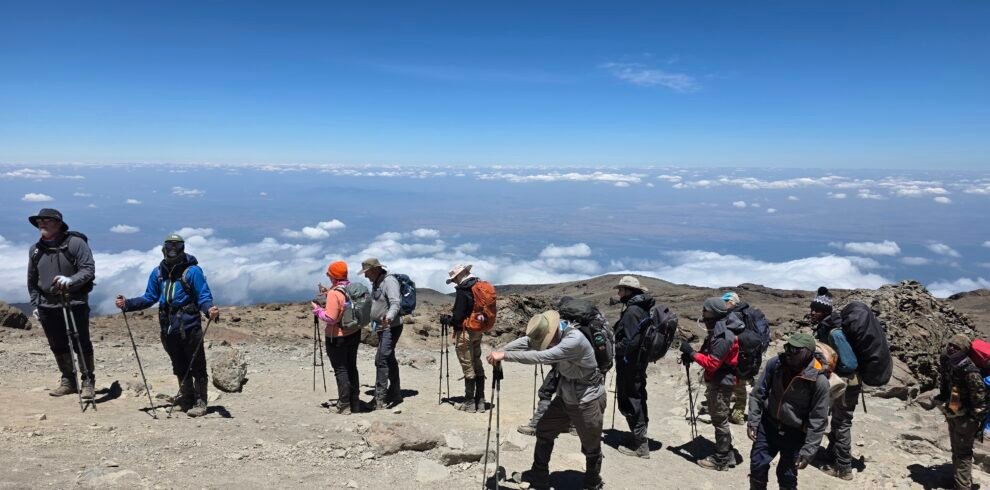
Trekkers on the Lemosho Route experience a remarkable variety of landscapes, including dense forests, open moorlands, alpine deserts, dramatic valleys, and breathtaking mountain vistas. The longer itinerary allows climbers to adapt gradually to the increasing altitude, significantly improving the chances of reaching Uhuru Peak successfully.
Unlike some of the shorter routes, Lemosho provides a more relaxed pace and fewer crowds during the first days of the trek, creating a more authentic wilderness experience. The route eventually joins the Machame Route near Shira Plateau, passing iconic landmarks such as Lava Tower, Barranco Wall, and Karanga Valley before the final summit push.
Route Highlights
- Duration: 7–8 Days
- Difficulty Level: Moderate
- Accommodation: Camping (Tents)
- Summit Success Rate: Very High
- Starting Point: Western Side of Mount Kilimanjaro
- Best For: First-time climbers and experienced trekkers
- Scenic Rating: ★★★★★
Why Choose Lemosho Route?
Lemosho Route is ideal for climbers seeking the perfect balance between adventure, comfort, scenery, and summit success. It offers some of the most breathtaking views on Kilimanjaro while providing ample time for acclimatization, making it one of the safest and most rewarding routes to the Roof of Africa.
🟢 Machame Route – The Most Popular Route
Known as the “Whiskey Route,” Machame Route is the most popular climbing route on Mount Kilimanjaro. It is famous for its diverse scenery, adventurous trekking experience, and strong summit success rate. Starting from the southwestern side of the mountain, climbers pass through rainforest, moorland, alpine desert, and arctic summit zones.
The route follows a “climb high, sleep low” acclimatization profile, helping trekkers adjust to the altitude while enjoying some of Kilimanjaro’s most famous landmarks, including Lava Tower and Barranco Wall.
Route Highlights
- Duration: 6–7 Days
- Difficulty Level: Moderate to Challenging
- Accommodation: Camping (Tents)
- Summit Success Rate: High
- Best For: Adventure seekers and scenic lovers
- Scenic Rating: ★★★★★
Why Choose Machame Route?
Machame Route is perfect for climbers who want an exciting and scenic trekking experience with a high probability of reaching the summit.
🔵 Marangu Route – The Most Comfortable Route
Marangu Route is the oldest and most established route on Mount Kilimanjaro. Popularly known as the “Coca-Cola Route,” it is the only route that offers overnight accommodation in mountain huts rather than tents.
The route follows a direct path to the summit and is often chosen by climbers seeking a more comfortable trekking experience. While it provides fewer acclimatization days than other routes, it remains one of the most accessible options on the mountain.
Route Highlights
- Duration: 5–6 Days
- Difficulty Level: Moderate
- Accommodation: Mountain Huts
- Summit Success Rate: Moderate
- Best For: Comfort-focused climbers
- Scenic Rating: ★★★★☆
Why Choose Marangu Route?
Marangu Route is best for travelers who prefer sleeping in huts and want a shorter, more straightforward climb to the summit.
🔴 Rongai Route – The Quiet Northern Route
Rongai Route is the only route that approaches Mount Kilimanjaro from the northern side near the Kenyan border. It is known for its peaceful trails, lower rainfall, and fewer crowds compared to the southern routes.
The gradual ascent profile makes the route relatively comfortable, while its unique location provides a different perspective of the mountain and opportunities to spot wildlife in the lower forest zones.
Route Highlights
- Duration: 6–7 Days
- Difficulty Level: Moderate
- Accommodation: Camping (Tents)
- Summit Success Rate: High
- Best For: Quiet trekking experiences
- Scenic Rating: ★★★★☆
Why Choose Rongai Route?
Rongai Route is ideal for climbers seeking solitude, dry conditions, and a less crowded path to the summit.
🟣 Northern Circuit Route – Highest Summit Success Rate
The Northern Circuit Route is the longest route on Mount Kilimanjaro and offers the highest summit success rate of all routes. It circles around the remote northern slopes of the mountain, providing unmatched panoramic views and a true wilderness experience.
Its extended itinerary allows climbers to acclimatize exceptionally well, making it one of the safest options for reaching Uhuru Peak.
Route Highlights
- Duration: 8–9 Days
- Difficulty Level: Moderate
- Accommodation: Camping (Tents)
- Summit Success Rate: Highest
- Best For: Maximum acclimatization and summit success
- Scenic Rating: ★★★★★
Why Choose Northern Circuit Route?
Northern Circuit is perfect for climbers with extra time who want the highest chance of successfully reaching the summit.
🟠 Shira Route – The Scenic Plateau Route
Shira Route begins on the western side of Kilimanjaro and starts at a higher altitude than most routes. It traverses the beautiful Shira Plateau, one of the largest high-altitude plateaus in the world, before merging with the Lemosho Route.
The route offers spectacular scenery from the very beginning and is ideal for trekkers looking for unique landscapes and fewer crowds.
Route Highlights
- Duration: 6–8 Days
- Difficulty Level: Moderate to Challenging
- Accommodation: Camping (Tents)
- Summit Success Rate: High
- Best For: Scenic mountain views
- Scenic Rating: ★★★★★
Why Choose Shira Route?
Shira Route is an excellent choice for climbers seeking dramatic scenery and a less conventional Kilimanjaro experience.
🟤 Umbwe Route – The Most Challenging Route
Umbwe Route is the steepest and most demanding route on Mount Kilimanjaro. It offers a direct ascent through dense rainforest and rugged terrain, making it suitable only for experienced trekkers.
The route is known for its low traffic and adventurous nature but provides limited time for acclimatization.
Route Highlights
- Duration: 5–7 Days
- Difficulty Level: Challenging
- Accommodation: Camping (Tents)
- Summit Success Rate: Moderate
- Best For: Experienced climbers
- Scenic Rating: ★★★★☆
Why Choose Umbwe Route?
Umbwe Route is ideal for adventurous climbers seeking a physically demanding and less crowded Kilimanjaro challenge.
Route Comparison
| Route | Duration | Difficulty | Accommodation | Best Feature |
|---|---|---|---|---|
| Lemosho | 7–8 Days | Moderate | Camping | Best Overall |
| Machame | 6–7 Days | Moderate–Challenging | Camping | Most Popular |
| Marangu | 5–6 Days | Moderate | Huts | Most Comfortable |
| Rongai | 6–7 Days | Moderate | Camping | Quietest Route |
| Northern Circuit | 8–9 Days | Moderate | Camping | Highest Success Rate |
| Shira | 6–8 Days | Moderate–Challenging | Camping | Scenic Plateau |
| Umbwe | 5–7 Days | Challenging | Camping | Most Challenging |
Our Route Recommendations
🏆 Lemosho Route – Best Overall Experience
🔥 Machame Route – Most Popular Choice
🏠 Marangu Route – Best Comfort Option
🌿 Rongai Route – Best for Solitude
👑 Northern Circuit Route – Highest Summit Success Rate
🌄 Shira Route – Best Scenic Plateau Views
⛰️ Umbwe Route – Best for Experienced Climbers Only
Why Climb Mount Kilimanjaro?
Stand on the Highest Point in Africa
Climbing Kilimanjaro gives you the chance to reach Uhuru Peak (5,895m) — the highest point in Africa.
It’s not just a hike; it’s a proud moment where you literally stand on the “Roof of Africa.”
No Technical Climbing Required
Unlike many other big mountains in the world:
- No ropes or technical climbing skills are needed
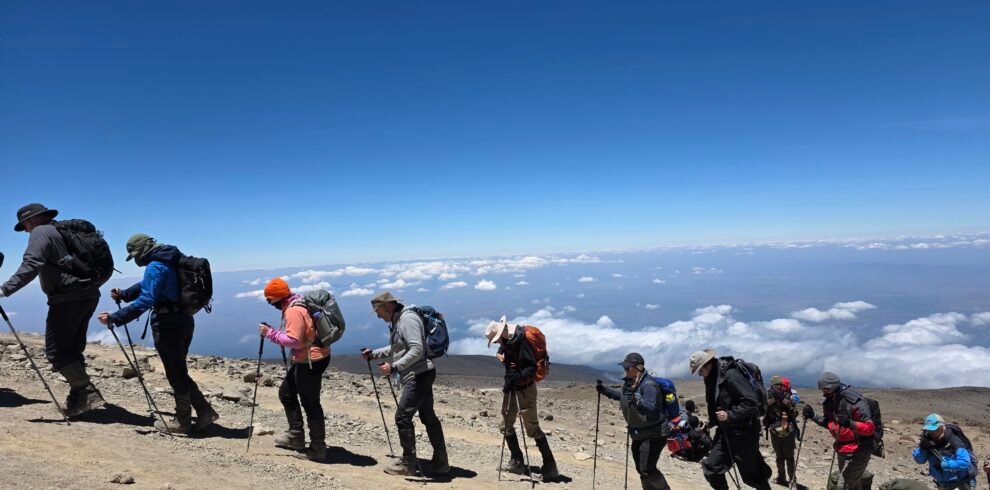
- It’s mainly a walking trek
- Suitable for people with average fitness and determination
This makes it one of the most accessible “big mountain” adventures in the world.
Experience 5 Different Climate Zones
In one journey, you pass through five unique ecosystems:
- Rainforest (lush green jungle)
- Moorland (heather zone)
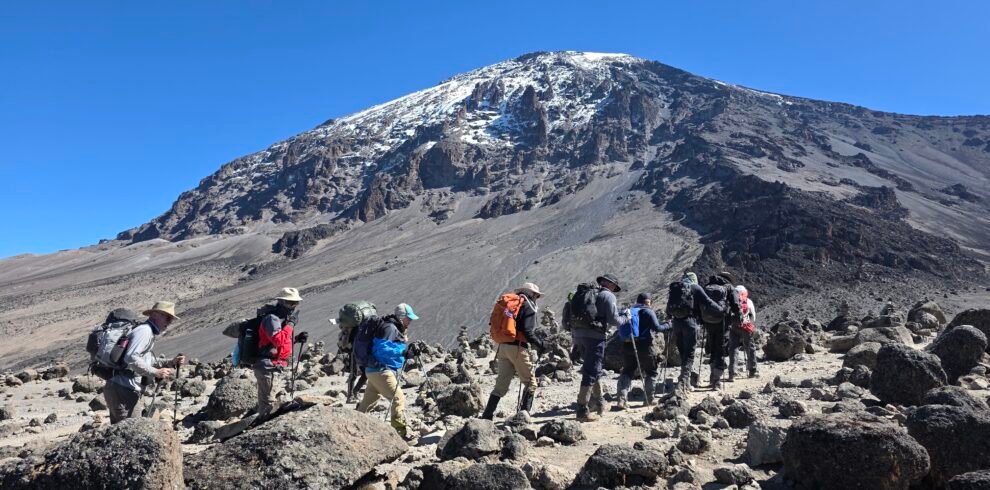
- Alpine desert (rocky, Mars-like landscape)
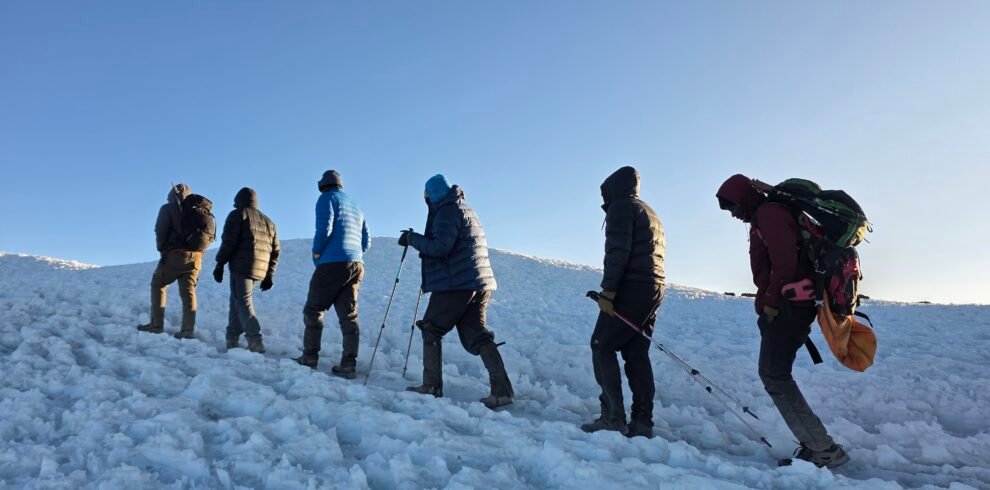
- Arctic zone (ice and snow)
- Summit zone (glaciers and extreme cold)
It feels like traveling through multiple continents in just a few days.
Unforgettable Sunrise at Uhuru Peak
Reaching the summit before sunrise rewards you with one of the most magical views on Earth:
- A sunrise rising above the clouds
- Golden light spreading over Africa
- Silence, cold air, and pure emotion at the top
It’s a once-in-a-lifetime moment that stays forever in memory.
Personal Achievement / Bucket List Adventure
Climbing Kilimanjaro is more than a trek:
- A mental and physical challenge
- A test of endurance and determination
- A major “bucket list” achievement for travelers worldwide
You don’t just return with photos — you return with a personal victory story.
By Summary
“Climbing Mount Kilimanjaro is not just a journey — it’s a transformation, a challenge, and a lifetime achievement above the clouds.”
Our Kilimanjaro Climbing Packages
Best Time To Climb Mount Kilimanjaro
Dry Season (Best Time)
Months: January – March & June – October Why it’s the best: Clear skies and stunning views Lower chance of rain or snow storms Better trail conditions Higher summit success rate. This is the most recommended time for climbing.
Green Season (Fewer Crowds)
Months: November & early December What to expect: Light rains but still climbable Fewer tourists on the mountain Lush green scenery and beautiful landscapes Slightly cheaper packages in some cases. Good option for travelers who prefer quiet trails.
🌧️ Rainy Seasons (Less Recommended / Discounted)
Months: April – May (long rains) What to expect: Heavy rainfall and muddy trails Poor visibility on some days More challenging trekking conditions Lower crowd levels and discounted prices 👉 Not ideal, but still possible for experienced trekkers.
Final Planning Tip
“For the best Mount Kilimanjaro experience, choose the dry season for clear skies, safer trekking conditions, and significantly higher summit success rates. During this period, the trails are more stable, visibility is excellent, and the overall climbing experience is more enjoyable and less physically demanding compared to the rainy seasons.”
How Much Does It Cost to Climb Kilimanjaro?
Climbing Kilimanjaro is a premium adventure experience and the cost depends on the route, number of days and level of service chosen.
> From $1,800 – $5,000+ depending on route and operator
What's the Cost Includes
Park Fees
- Entry fees to Kilimanjaro National Park
- Camping or hut fees
- Rescue and conservation fees
Guide & Porter Fees
- Professional mountain guides (mandatory)
- Porters who carry equipment and supplies
- Safety monitoring throughout the climb
Accommodation
- Mountain campsites (or huts for Marangu route)
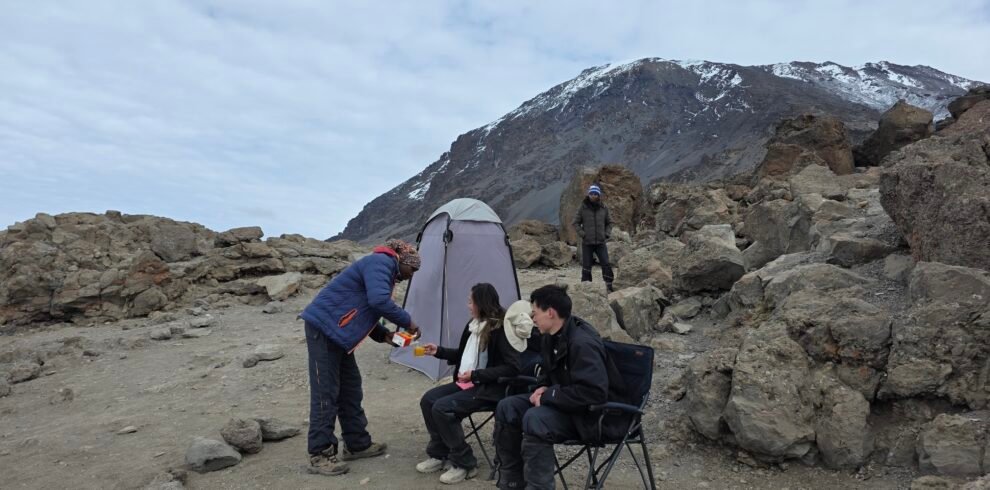
- Tents, sleeping arrangements, and dining setup
- Meals prepared during the trek
Equipment Rental (if needed)
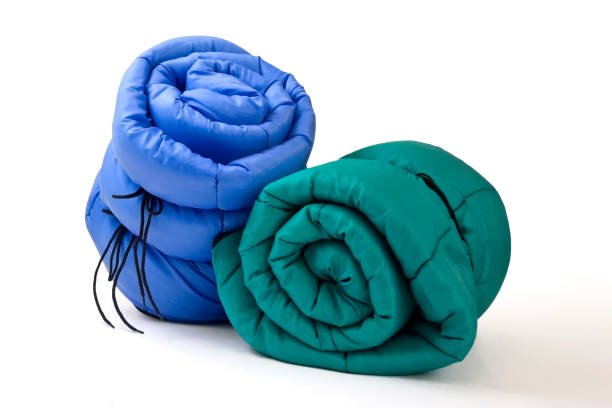
- Sleeping bags (cold-weather rated)
- Hiking gear (if traveler does not have own)
- Trekking essentials like poles and jackets
Why Prices Vary
- Route length (5–9 days)
- Level of comfort (budget vs luxury climb)
- Group vs private trek
- Quality of operator and services
“A higher-quality Kilimanjaro experience is not just about reaching the summit, but about safety, comfort, and professional support throughout your journey.”
What's the Cost Excludes
- Flights
- Tips
- Personal gear
- Travel insurance
Safety & Altitude Infomartion
Climbing Mount Kilimanjaro (5,895m) is classified as a high-altitude trekking expedition, not a technical climb. From a professional mountaineering perspective, the primary limiting factor is not fitness or terrain—it is physiological adaptation to altitude (hypoxia).
Understanding altitude risk management, prevention protocols, and emergency response procedures is essential for a safe and successful ascent.
High Altitude Physiology & Risk Profile
At elevations above 2,500m, atmospheric oxygen pressure decreases significantly. On Kilimanjaro’s summit zone (~5,895m), oxygen availability is approximately 50% of sea level conditions.
Physiological Effects:
- Reduced oxygen saturation (SpO₂ drop)
- Increased respiratory rate (tachypnea)
- Elevated heart rate (tachycardia)
- Decreased physical performance capacity
- Sleep disturbance (periodic breathing)
These responses are normal adaptations; however, failure to acclimatize leads to Altitude Illness Spectrum Disorders.
Altitude Illness Classification (Clinical Overview)
🟡 A. Acute Mountain Sickness (AMS)
Most common altitude-related condition.
Diagnostic Criteria:
- Persistent headache (primary symptom)
- Nausea or vomiting
- Dizziness or lightheadedness
- Fatigue disproportionate to exertion
- Sleep disturbance
AMS is a warning condition, not an emergency, but requires monitoring and controlled management.
🔴 B. High Altitude Cerebral Edema (HACE)
Severe neurological emergency.
Clinical Indicators:
- Severe headache unresponsive to medication
- Ataxia (loss of coordination)
- Confusion or altered mental state
- Behavioral changes
➡️ Requires immediate descent without delay.
🔴 C. High Altitude Pulmonary Edema (HAPE)
Life-threatening respiratory condition.
Clinical Indicators:
- Severe shortness of breath at rest
- Persistent cough (possibly frothy sputum)
- Reduced oxygen saturation
- Cyanosis (bluish lips/fingertips)
- Extreme fatigue
➡️ Medical emergency requiring urgent descent and oxygen support.
Professional Prevention Strategy (Standard Expedition Protocol)
🟢 A. Route Selection (Critical Risk Control Factor)
Longer itineraries significantly reduce AMS risk by improving acclimatization.
Recommended High-Safety Routes:
- 🟢 Northern Circuit Route (Highest acclimatization profile)
- 🟢 Lemosho Route (Best balance of safety + scenery)
- 🟢 Machame Route (Strong acclimatization structure)
Short routes increase risk due to rapid ascent profiles.
🟢 B. Gradual Ascent Strategy (“Staged Acclimatization”)
Professional expeditions follow strict ascent control:
- Gain altitude progressively
- Avoid rapid elevation jumps (>1,000m/day sleeping gain)
- Include acclimatization hikes (“climb high, sleep low” principle)
🟢 C. Controlled Trekking Pace (“Pole Pole Protocol”)
In expedition medicine, pacing is a major safety determinant.
- Slow, rhythmic walking reduces oxygen demand
- Prevents overexertion-induced hypoxia
- Improves respiratory efficiency
💧 D. Hydration & Metabolic Stability
Altitude increases fluid loss via respiration and diuresis.
Standard Requirement:
- 3–4 liters water/day minimum
- Electrolyte balance maintenance
Dehydration significantly worsens AMS susceptibility.
🍽️ E. Nutritional Support
At altitude, appetite suppression is common.
Recommended intake:
- High-carbohydrate diet (primary energy source)
- Frequent small meals
- Avoid heavy fats at high altitude
Carbohydrates improve oxygen utilization efficiency.
💊 F. Pharmacological Prevention (Medical Use Only)
Acetazolamide (Diamox)
- Enhances acclimatization by acid-base adjustment
- Reduces AMS incidence when properly used
⚠️ Must be prescribed and guided by a medical professional prior to expedition.
Expedition Safety Management System
Professional Kilimanjaro operations implement structured safety systems:
🧑⚕️ A. Daily Medical Monitoring
- Oxygen saturation (SpO₂ measurement)
- Heart rate tracking
- Symptom evaluation scoring system (Lake Louise Score)
Early detection is critical for prevention of severe outcomes.
🧭 B. Guide Authority Protocol
Licensed mountain guides have final authority over:
- Pace regulation
- Rest scheduling
- Turnaround decisions
- Emergency descent initiation
👉 Summit success is secondary to climber safety.
🏕️ C. Emergency Response Procedures
In case of deterioration:
- Immediate cessation of ascent
- Controlled descent (primary treatment)
- Oxygen administration (temporary stabilization)
- Evacuation coordination if required
⚠️ The only definitive treatment for severe altitude illness is descent.
❄️ D. Environmental Risk Control
Kilimanjaro presents extreme microclimate variation:
- Rainforest humidity (lower zones)
- Sub-zero temperatures (summit zone)
- High wind exposure near crater rim
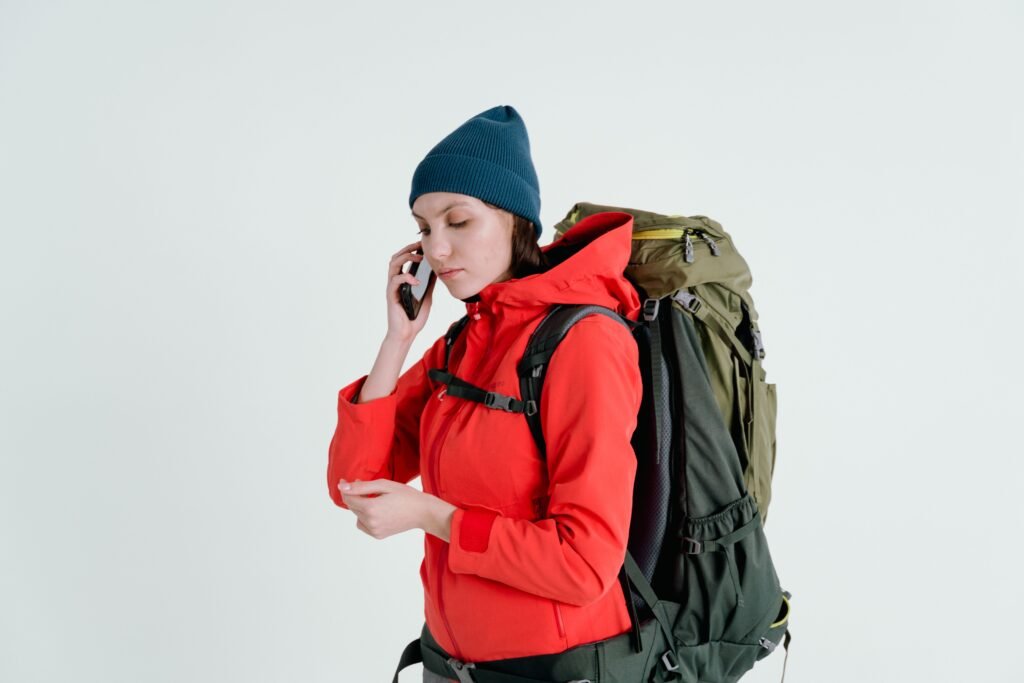
Proper layered clothing system is mandatory:
- Base layer (thermal regulation)
- Insulation layer (heat retention)
- Outer shell (wind/water protection)
Risk Stratification by Route (Professional Assessment)
| Route | Acclimatization Quality | Safety Rating | Risk Level |
|---|---|---|---|
| Northern Circuit | Excellent | ⭐⭐⭐⭐⭐ | Very Low |
| Lemosho | Excellent | ⭐⭐⭐⭐⭐ | Low |
| Machame | Very Good | ⭐⭐⭐⭐ | Moderate |
| Rongai | Good | ⭐⭐⭐⭐ | Moderate |
| Marangu | Limited | ⭐⭐⭐ | Higher AMS risk |
| Umbwe | Poor (rapid ascent) | ⭐⭐ | High Risk |
Professional Conclusion
From a mountaineering and expedition medicine perspective, Kilimanjaro safety is determined by:
- Route selection (most important factor)
- Controlled ascent profile
- Strict adherence to acclimatization principles
- Continuous medical monitoring
- Immediate response to altitude symptoms
👉 The summit is achievable for most climbers, but only when physiological limits are respected and expedition protocols are strictly followed.
A successful Kilimanjaro expedition is defined not by speed, but by controlled adaptation, disciplined pacing, and intelligent decision-making under altitude stress. 🏔️✨
Kilimanjaro Packing List/Gear
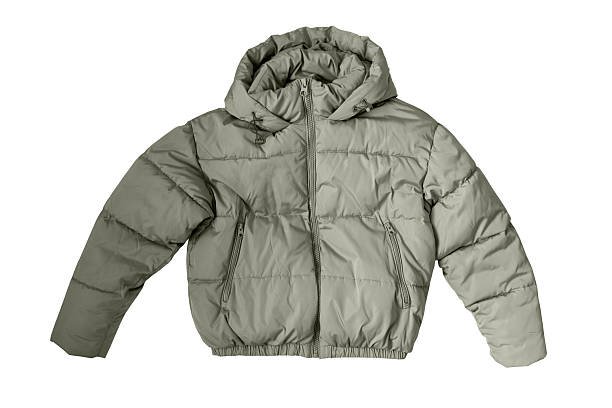
Warm jacket
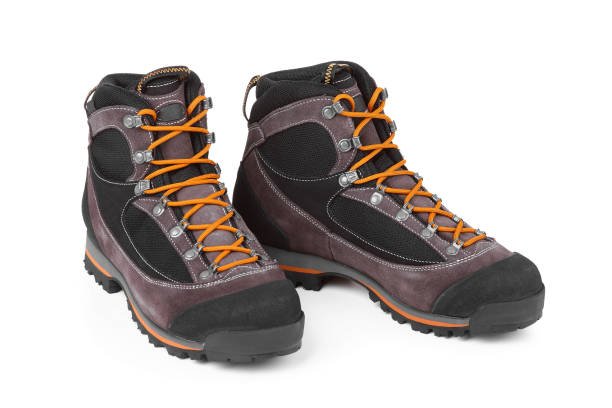
Hiking boots
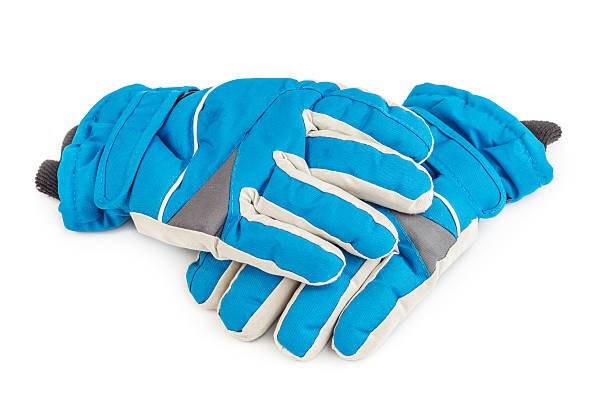
Gloves
Sleeping bag
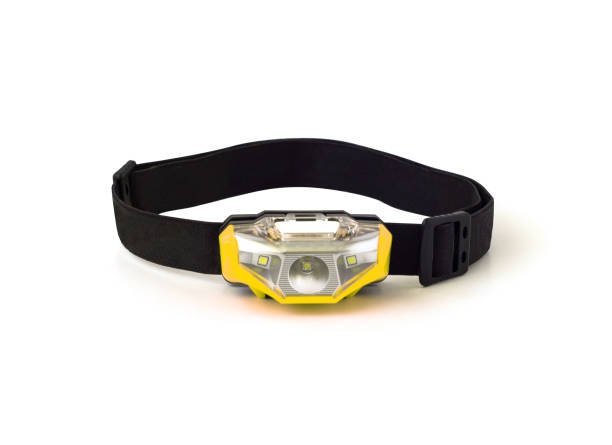
Headlamp
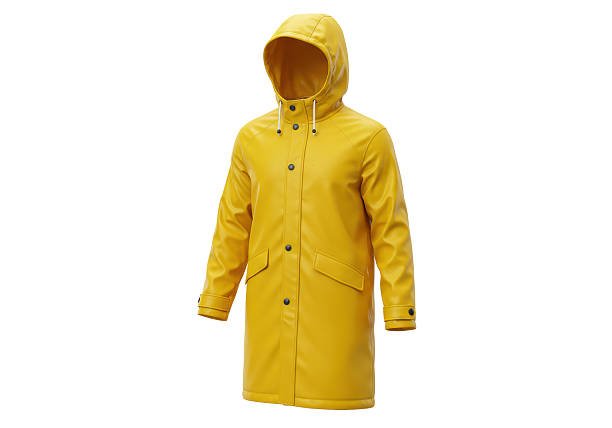
waterproof jacket
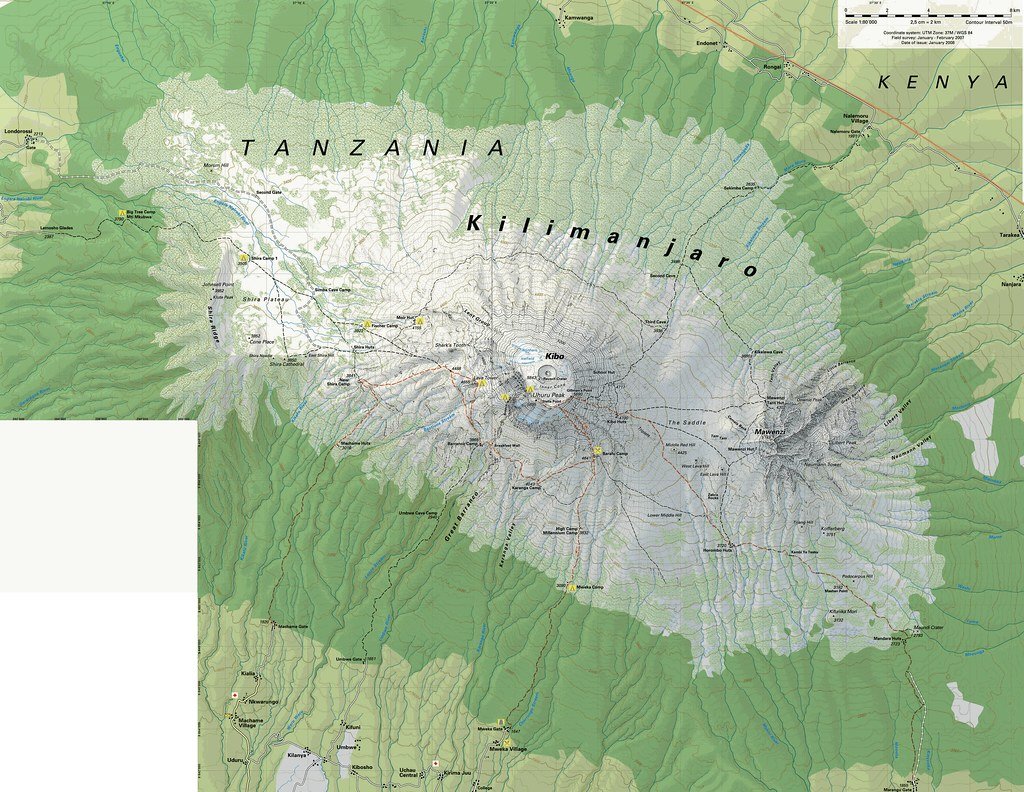
Kilimanjaro Map
Uhuru Peak (5,895m)
The highest point in Africa and the ultimate goal of every Kilimanjaro trek. From the summit, climbers enjoy breathtaking views of glaciers, clouds, and the vast landscapes of Tanzania below.
Stella Point (5,756m)
A major landmark on the crater rim of Kibo Peak. Most climbers reach Stella Point before continuing the final stretch to Uhuru Peak.
Gilman’s Point (5,685m)
Located on the eastern rim of Kibo Crater, Gilman’s Point is one of the first summit markers reached during the final ascent and offers spectacular sunrise views.
Londorossi Gate
The main starting point for the Lemosho Route and some Shira Route treks. Registration, permit checks, and trek preparations take place here before entering Kilimanjaro National Park.
Mweka Gate
The most common exit gate for climbers descending via the Machame, Lemosho, and Umbwe Routes. Trekkers often receive their summit certificates here after completing the climb.
Machame Gate
The starting point of the famous Machame Route, known for its stunning scenery, diverse landscapes, and excellent summit success rates.
Marangu Gate
The entrance to the Marangu Route, the only Kilimanjaro route that offers mountain hut accommodations instead of camping.
Rongai Gate
Located on the northern side of the mountain near the Kenyan border, Rongai Gate provides access to the quieter and less crowded Rongai Route.
Kilimanjaro Camps
Machame Camp (≈3,000m)
The first overnight camp on the Machame Route, surrounded by heath and moorland vegetation with impressive mountain views.
Shira Camp (≈3,850m)
Situated on the expansive Shira Plateau, this camp offers panoramic views of Kibo Peak and the surrounding high-altitude landscape.
Barranco Camp (≈3,960m)
One of Kilimanjaro’s most scenic camps, famous for its dramatic setting beneath the Barranco Wall and excellent acclimatization opportunities.
Karanga Camp (≈4,035m)
An important acclimatization camp located in the Karanga Valley, serving as a resting point before the climb to Barafu Camp.
Barafu Camp (≈4,673m)
The primary base camp for summit attempts on the southern routes. Climbers typically begin their midnight ascent to Uhuru Peak from here.
Kibo Hut (≈4,700m)
The final overnight stop for climbers on the Marangu and Rongai Routes before the summit push.
Horombo Hut (≈3,720m)
A popular acclimatization and overnight stop on the Marangu Route, offering magnificent views of Mawenzi Peak.
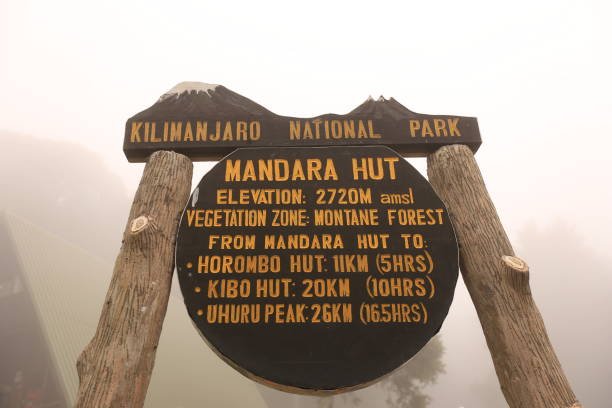
Mandara Hut (≈2,700m)
The first overnight stop on the Marangu Route, located within the lush rainforest zone rich in wildlife and birdlife.
Mawenzi Tarn Hut (≈4,330m)
A remote camp nestled beneath the rugged spires of Mawenzi Peak, known for its dramatic alpine scenery.
School Hut (≈4,800m)
A high-altitude camp primarily used by Northern Circuit climbers before their final ascent to the summit.
Millennium Camp (≈3,820m)
A descent camp used after summit day, providing a comfortable resting point before exiting the mountain.
Ecological Zones
Rainforest Zone (800m–2,800m)
A lush tropical forest characterized by dense vegetation, towering trees, colorful bird species, and abundant wildlife.
Heath and Moorland Zone (2,800m–4,000m)
A unique ecosystem featuring giant groundsels, heathers, and open landscapes found only on a few high mountains in East Africa.
Alpine Desert Zone (4,000m–5,000m)
A harsh environment with strong winds, low humidity, intense sunlight, and significant temperature changes between day and night.
Arctic Summit Zone (5,000m–5,895m)
The highest and most challenging zone on Kilimanjaro, marked by thin air, freezing temperatures, glaciers, and permanent ice fields.
Glaciers
Ancient ice formations near the summit that have become one of Kilimanjaro’s most iconic features and a reminder of the mountain’s changing climate.
These descriptions are ideal for an interactive route map, hover tooltips, location markers, infographics, and a premium Mount Kilimanjaro page on your Kili2sere Adventure website.
Frequently Asked Questions (FAQ)
Do I Need Previous Climbing Experience?
What Is the Summit Success Rate?
How Many Days Are Recommended?
How Fit Do I Need to Be?
Is Altitude Dangerous?
What Is the Best Time to Climb Kilimanjaro?
Our Customers reviews
Godfrey Mollel The best tour operator in Tanzania Kili2Sere Adventure is one of the best tour operators in Tanzania! 🏔️ I just completed the 8-days Lemosho Route hike up Kilimanjaro with them, and it was an experience of a lifetime. The food was surprisingly delicious and nutritious, with a great variety of local and international dishes. The cooks were talented and accommodating, ensuring everyone had enough to eat and enjoyed their meals. Even at high camps, the food was hot and filling, which made a huge difference in our energy levels. What really stood out was Kili2Sere's commitment to empowering local communities. The guides, porters, and support staff were all from nearby villages, and it was clear they were invested in their work and the community. They employed best practices for fair treatment and wages, and even supported local projects, like school renovations and health initiatives. The Lemosho Route was perfect – gradual ascent, fewer crowds, and breathtaking views. The team's expertise and care made the climb manageable, even for a beginner like me. Reaching Uhuru Peak at sunrise was a surreal moment, and the team's celebration made it even sweeter. If you're looking for a responsible and professional tour operator, Kili2Sere Adventure is the way to go. They'll make your Kilimanjaro dream a reality while supporting local communities. Baraka Kaaya Kili2Sere Adventure, you're the real MVPs! I just got back from the most epic 8-days Lemosho hike up Kilimanjaro and I'm still buzzing. The scenery was insane, the team was top-notch, and the vibes were immaculate. What really struck me, though, was the way Kili2Sere Adventure company empowers local communities 🙌. From the get-go, they emphasized their commitment to responsible tourism and supporting local guides and porters. It was clear that every dollar counts towards making a difference in the region. Their team took care of us like family, and the food? Chef mwenye kazi! 🍴 The accommodations were solid, and the camping gear was 🔥. But honestly, it was the people that made the experience truly unforgettable. If you're looking for an adventure that'll push you to new heights (literally 😉) and support a great cause, Kili2Sere is your go-to. Can't wait to plan my next adventure with them! 💪 5 stars isn't enough – I'd give 'em 10! Tegemea Mamuya Unforgettable 7 Days Lemosho Route with Kili2Sere Adventure Company We had an incredible experience climbing Mount Kilimanjaro via the 7-day Lemosho Route with Kili2Sere Adventure Company. From the first day to the summit and back down, everything was perfectly organized and professional. The Lemosho Route is absolutely beautiful stunning landscapes, peaceful trails, and amazing views every single day. The gradual ascent really helped with acclimatization, and we felt well prepared for summit night. The guides were outstanding , experienced, knowledgeable, and always encouraging. They carefully monitored our health, checked our oxygen levels daily, and made sure we were safe and comfortable at all times. Their motivation during summit night made all the difference. We truly felt supported like family. The porters and cook were also amazing. The food was fresh, delicious, and gave us the energy we needed for the climb. The team worked so hard and always had smiles on their faces. Reaching Uhuru Peak was an emotional and unforgettable moment, and we couldn’t have done it without the Kili2Sere team. If you are planning to climb Kilimanjaro, we highly recommend Kili2Sere Adventure Company. They are professional, reliable, and truly care about their clients. Thank you for making our dream come true! Timothy Mbise Five star ⭐⭐ safari We had unforgettable safari with Kili2Sere Adventure , everything it was amazing out of our expectation, our Amis was very knowledgeable about wildlife and Tanzania histories, accommodation was very nice and food is very delicious, High recommendation to this local company for any activities in Tanzania, we're planning to come back after two years for hiking mount Kilimanjaro with them again. Rachael Bertholino I had the privilege of climbing both Mt Kilimanjaro (8 days Lemosho route) and Mt Meru (3 days) with Kili2Sere Adventure. Rest assured their top priorities are your safety and happiness. I had the best time on all the excursions! After Kilimanjaro I just had to go back for a second trip for Meru. While I was in Arusha to climb Meru we also visited Chemka Hot Springs and Lake Duluti. While on the mountain and for your safety they check in on your health daily and make sure you aren’t suffering from altitude sickness. They are also prepared to make critical decisions for your safety and health if you need it. They are always available for any questions, fears, or doubts, and provide excellent advice. Both trips felt like I was camping in luxury with toilets, complete and delicious meals, and excellent company. For Mt Meru I was the only client and trusted Kili2Sere with my safety completely. With over 10 years of experience you can trust Kili2Sere to bring to reality your dreams and having the best time of your life! Geukeni Kaaya "Breathtaking Climb up Kilimanjaro with Kili2Sere Adventure!" We just finished our 7-day Machame route adventure on Kilimanjaro with Kili2Sere Adventure, and it was an experience of a lifetime! Our guide, Amir, was fantastic - knowledgeable, supportive, and always encouraging us with "pole pole" to help with the altitude. The porters were heroes, carrying heavy loads with endless smiles. The food was delicious and hearty, with our cook, Rahim, serving up tasty meals every day. Our waiter, Aman, was kind and warm, making each mealtime feel cozy and cared for. The accommodations were comfortable, and the scenery was breathtaking. The journey was both physical and emotional, testing our patience, strength, and focus. But with Kili2Sere Adventure's expert guides and support team, we felt safe and confident throughout. We will never forget the sound of our boots crunching on frozen ground before dawn, or the way the sun slowly illuminated the clouds below us. We highly recommend Kili2Sere Adventure for their professionalism, organization, and commitment to providing an unforgettable experience. Five stars isn't enough - we'd give them ten stars if we could! Upendo Kaaya "Unforgettable Safari Experience with Kili2Sere Adventure!" 4-days safari it was truly an experience of a lifetime! Our guide, Amour, was knowledgeable, friendly, and passionate about sharing the wonders of Tanzania's wildlife with us. The highlight of our trip was witnessing the majestic wildebeest migration. Seeing thousands of wildebeests, zebras, and antelopes roaming the savannah was breathtaking. We were lucky to witness a dramatic river crossing, and our guide's expertise and patience ensured we got up close and personal with the action. Kili2Sere Adventure's commitment to sustainable tourism and community development is evident in their operations. They truly care about the well-being of their clients and the environment. The accommodations were comfortable, and the food was delicious. We highly recommend Kili2Sere Adventure for their exceptional service, expertise, and passion for Tanzania's wildlife. If you're looking for an unforgettable safari experience, look no further!Verified by TrustindexTrustindex verified badge is the Universal Symbol of Trust. Only the greatest companies can get the verified badge who has a review score above 4.5, based on customer reviews over the past 12 months. Read more