Best Time to Vist Tanzania

TANZANIA TRAVEL GUIDE

Discover the Best Time to Visit Tanzania Throughout the Year

Tanzania is an extraordinary year-round destination, offering remarkable travel experiences in every season. From witnessing the Great Wildebeest Migration across the Serengeti plains to climbing the spectacular Mount Kilimanjaro, the country presents different opportunities depending on when you choose to visit. Its diverse landscapes, tropical climate and varying elevations create unique conditions for wildlife adventures, mountain trekking and cultural experiences throughout the year.

Understanding Tanzania's seasons is essential when planning your journey. The country generally experiences a long dry season, a short rainy season and a longer rainy period, although rainfall patterns differ between regions. June to October is widely recognised for its dry weather, while January and February offer another relatively dry period in much of northern Tanzania. November and December bring shorter rains, whereas March to May generally marks the long rainy season. Each period offers its own advantages, depending on whether your priority is wildlife viewing, mountain climbing, photography or exploring Tanzania's natural beauty.

Tanzania Month by Month: What to Expect

Explore all twelve months of the year and understand the general weather conditions, seasonal changes and travel opportunities that make each period unique.

01 / JANUARY

January

January is generally warm, with relatively dry conditions in northern Tanzania. The southern Serengeti and Ndutu plains become important destinations as the wildebeest calving season begins. It is also a popular period for mountain adventures.

Calving Season
02 / FEBRUARY

February

February is typically warm and relatively dry in northern Tanzania. The Serengeti's southern plains offer excellent opportunities to witness newborn wildebeest and predator activity. Mountain trekking is also popular.

Dry Period
03 / MARCH

March

March marks the transition towards the long rainy season. The landscapes remain green, wildlife is active and the final part of the wildebeest calving season may still be enjoyed. Rainfall generally increases towards the end of the month.

Green Season
04 / APRIL

April

April is generally one of Tanzania's wettest months, especially across the northern highlands. The countryside becomes lush and beautiful, although heavy rainfall can affect road conditions and some outdoor activities.

Long Rains
05 / MAY

May

May continues the long rainy season, with green landscapes and fewer visitors in many destinations. It can be an attractive period for travellers seeking quieter experiences, although wet conditions may affect travel arrangements.

Long Rains
06 / JUNE

June

June generally marks the beginning of the main dry season. Temperatures become cooler, skies are often clearer and wildlife viewing conditions improve across many national parks. It is also a popular time to begin a Kilimanjaro adventure.

Dry Season
07 / JULY

July

July offers excellent dry-season conditions for exploring Tanzania. The Serengeti becomes a major attraction as migration herds move towards the northern plains. Mountain trekking and wildlife photography are particularly popular.

Peak Season
08 / AUGUST

August

August is one of the most popular months for visiting Tanzania. Dry conditions support excellent wildlife viewing, while the northern Serengeti may offer opportunities to witness dramatic wildebeest river crossings. Kilimanjaro also attracts many climbers.

Peak Season
09 / SEPTEMBER

September

September continues the dry season, providing favourable conditions for game drives and outdoor adventures. Wildlife remains concentrated around available water sources, while the northern Serengeti can still offer migration sightings.

Dry Season
10 / OCTOBER

October

October is generally warm and relatively dry, making it another excellent month for wildlife viewing and mountain trekking. Towards the end of the month, occasional short rains may begin in some regions.

Dry Season
11 / NOVEMBER

November

November brings the short rainy season to many northern and eastern regions. Landscapes begin turning green, migratory birds arrive and wildlife viewing remains rewarding in many national parks.

Short Rains
12 / DECEMBER

December

December offers warm weather, refreshed landscapes and beautiful scenery. Short showers may occur, while the Serengeti's migrating herds gradually move towards the southern plains. It is also a popular festive holiday period.

Short Rains

Important Travel Note: These monthly descriptions provide a general seasonal guide rather than a fixed weather forecast. Actual conditions can vary depending on location, altitude and annual rainfall patterns. Wildlife movements, particularly the Great Wildebeest Migration, also depend on natural rainfall and grazing conditions. Choosing the right travel dates should therefore take your preferred destinations and activities into consideration.

MOUNT KILIMANJARO TRAVEL GUIDE

Best Time to Climb Mount Kilimanjaro

Mount Kilimanjaro snow-capped summit rising above the Tanzanian savannah

Mount Kilimanjaro, rising to 5,895 metres above sea level, is Africa's highest mountain and one of Tanzania's most remarkable natural attractions. Climbing this magnificent mountain is a journey through several ecological zones, from tropical rainforest and beautiful moorlands to alpine desert and the snow-covered summit of Uhuru Peak. Choosing the right time to climb is an important part of planning your adventure because seasonal weather influences trail conditions, mountain visibility, rainfall and the overall trekking experience.

Kilimanjaro can be climbed throughout the year, but the generally preferred periods are January to early March and June to October, when conditions are usually drier and mountain views are often clearer. April and May bring the long rainy season, while November experiences shorter rains that can make some trails wet and visibility less predictable. Temperatures also change considerably with altitude, meaning climbers should be prepared for warm conditions on the lower slopes and extremely cold temperatures near the summit. At Kili2sere Adventure, we help travellers understand these seasonal differences and choose suitable travel dates for their preferred route and trekking experience.

Mount Kilimanjaro Month-by-Month Guide

Every month brings different mountain conditions. Explore the guide below to understand what to expect throughout the year before planning your climb.

01 / JANUARY

January

January is generally a favourable climbing month, with relatively dry conditions, warm lower slopes and good opportunities for mountain views. Nights at higher elevations remain very cold.

Excellent Period
02 / FEBRUARY

February

February often offers clear skies and favourable trekking conditions. It is a popular choice for climbers seeking relatively stable weather and beautiful views of the mountain.

Excellent Period
03 / MARCH

March

Early March can provide good climbing conditions, although rainfall and cloud cover generally increase as the month progresses. Weather becomes less predictable towards late March.

Transitional Period
04 / APRIL

April

April is part of the main rainy season. Frequent rainfall, muddy forest trails and cloud-covered mountain views can make trekking more challenging.

Long Rains
05 / MAY

May

May continues the long rainy season. Wet trails and changing weather conditions are common, making this a less favourable period for most climbers.

Long Rains
06 / JUNE

June

June marks the beginning of the main dry season. Conditions generally improve as rainfall decreases, although some lower mountain trails may remain wet early in the month.

Improving Conditions
07 / JULY

July

July is one of the most popular climbing months. Generally dry weather, clearer mountain views and firm trails make it an excellent period for trekking.

Peak Season
08 / AUGUST

August

August offers generally dry conditions and excellent opportunities for clear mountain views. It is a busy period, so advance trip planning is recommended.

Peak Season
09 / SEPTEMBER

September

September is generally one of the most favourable months for climbing, combining relatively dry weather with good visibility and slightly easing crowds after August.

Excellent Period
10 / OCTOBER

October

October usually provides good climbing opportunities, particularly earlier in the month. Towards the end, occasional short rains may begin in some areas.

Very Good Period
11 / NOVEMBER

November

November brings the short rainy season. Showers, wet trails and changing visibility are possible, although climbing remains possible with suitable preparation.

Short Rains
12 / DECEMBER

December

December offers mixed conditions as the short rains gradually ease in many periods. The second half of the month can provide increasingly favourable climbing opportunities.

Variable Conditions

Planning Tip: The conditions described above are general seasonal patterns, not guaranteed forecasts. Weather changes with altitude and can be unpredictable. A suitable itinerary, proper acclimatisation, experienced guides and appropriate mountain equipment are important throughout the year.

Planning to Climb Mount Kilimanjaro?

Discover our complete guide to the best climbing seasons, monthly weather conditions, route recommendations and helpful planning advice for your Mount Kilimanjaro adventure.

Explore Full Kilimanjaro Guide →
Plan Your Tanzania Safari

Best Time to Visit Tanzania for Safari

Tanzania is one of Africa's most remarkable safari destinations, offering incredible wildlife encounters, vast open plains, beautiful landscapes and diverse national parks throughout the year. From the endless savannahs of Serengeti National Park to the wildlife-rich Ngorongoro Crater, the elephant-filled landscapes of Tarangire and the beautiful scenery of Lake Manyara, every season brings a different safari experience. The best time to visit Tanzania depends on the animals you hope to see, the parks you want to explore and the kind of adventure you are looking for.

Tanzania experiences different rainfall patterns that influence vegetation, water availability and wildlife movements. The dry months generally make animals easier to spot as they gather around permanent water sources, while the green months create beautiful scenery, excellent birdwatching opportunities and important wildlife events such as the Great Wildebeest Migration calving season. Whether you are interested in seeing the Big Five, photographing big cats, watching elephant herds or following the annual migration, choosing the right travel period can make your safari even more rewarding.

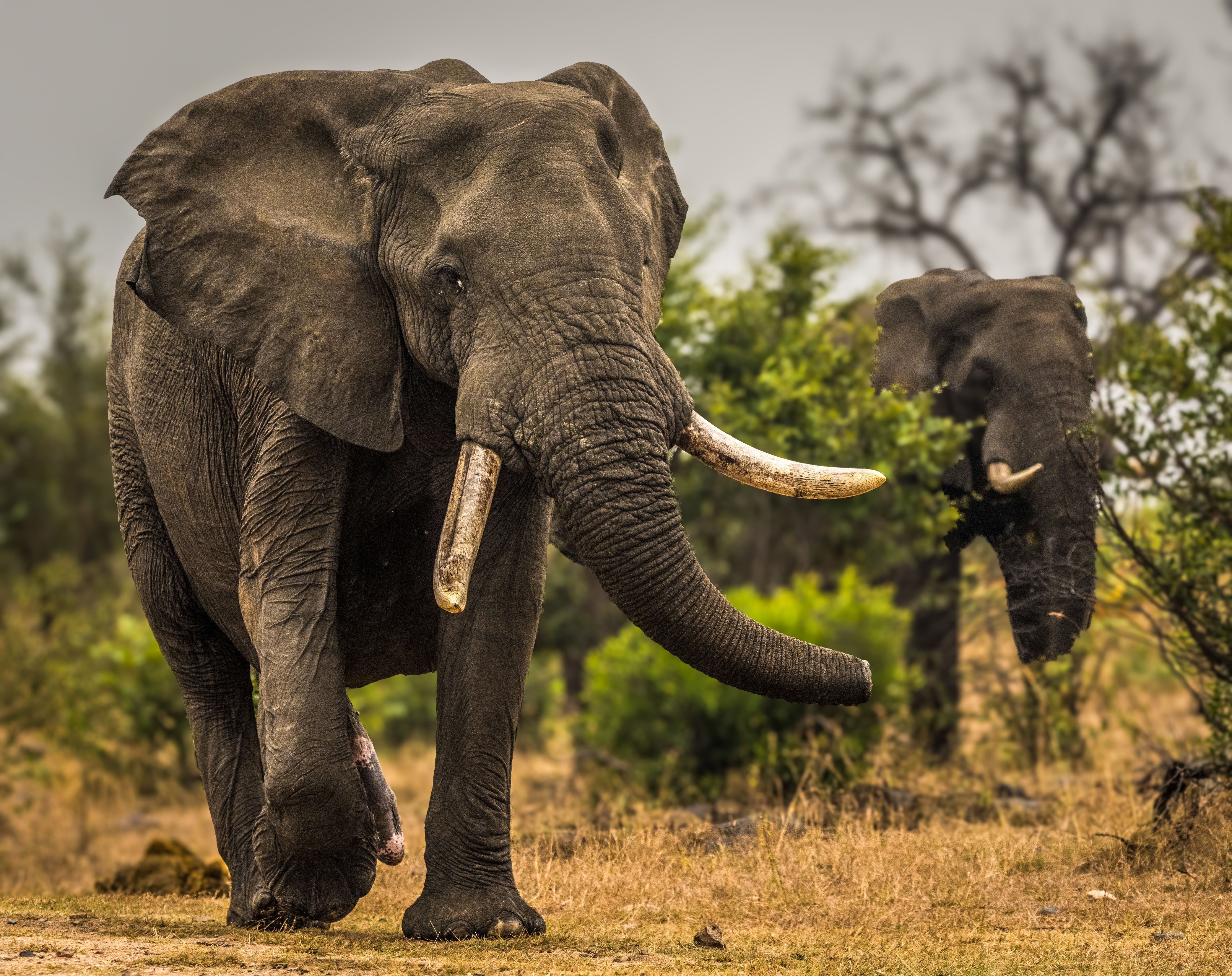
African elephants and wildlife in Tanzania safari landscape
Understand the Seasons

Understanding Tanzania's Safari Seasons

Tanzania's safari year can be understood through its dry and rainy periods. Each season influences wildlife viewing, scenery, photography and the location of migrating herds. Understanding these seasonal differences helps you choose the right parks and plan a safari that matches your interests.

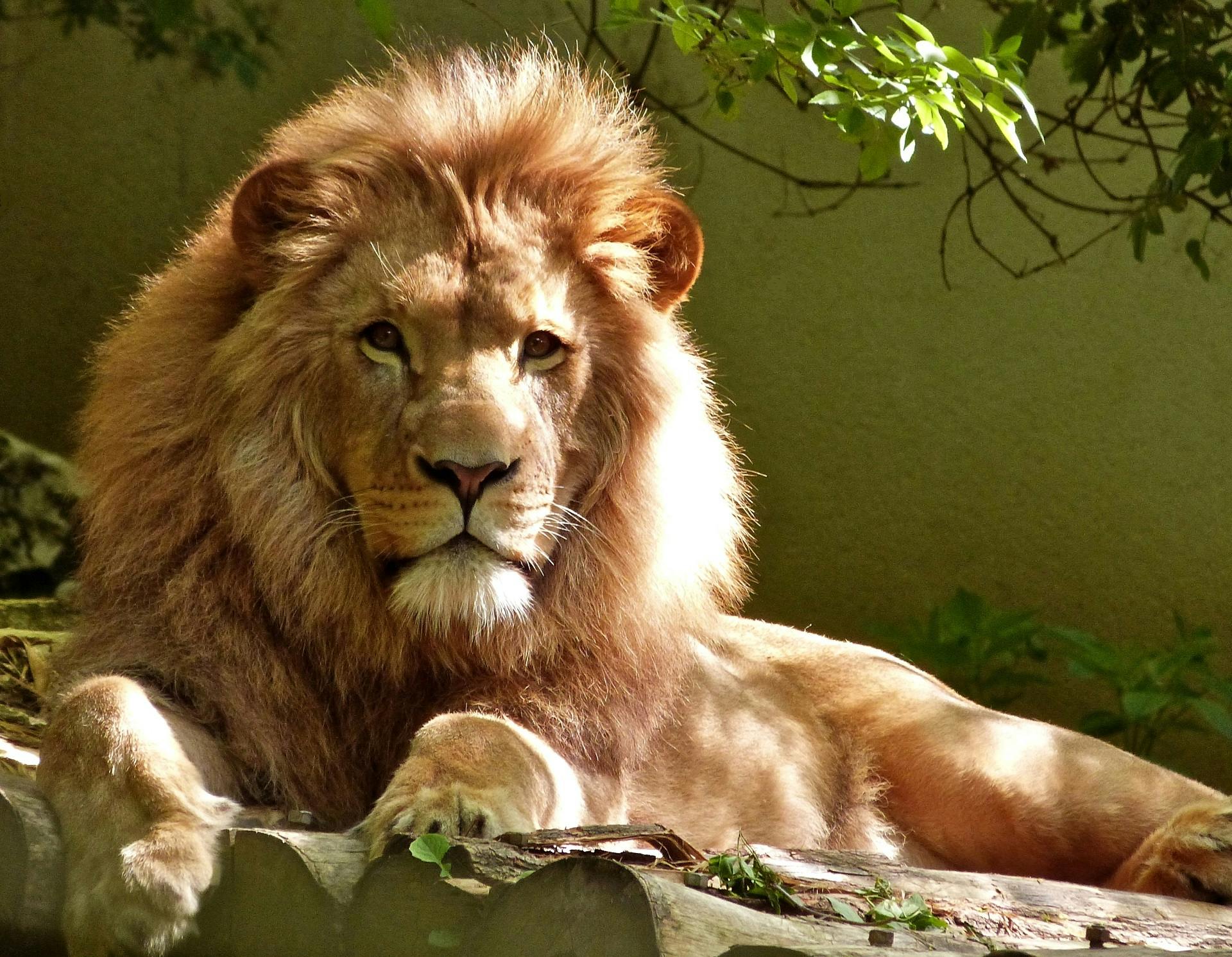
Lion resting in the African savannah during Tanzania dry season
June – October

The Long Dry Season

The long dry season is widely considered one of the best periods for traditional wildlife viewing in Tanzania. Rainfall is generally low, grasses become shorter and many temporary water sources dry up. As a result, elephants, buffaloes, zebras, giraffes, antelopes and other herbivores often concentrate around rivers, lakes and permanent waterholes. This can make wildlife easier to locate during game drives.

Serengeti offers excellent opportunities to see resident lions, leopards, cheetahs and other predators, while northern Serengeti may host large wildebeest and zebra herds during their migration. Tarangire is particularly rewarding because large elephant herds and other animals gather around the Tarangire River. The dry season is also a popular time to explore Ngorongoro Crater, where wildlife can be seen across its diverse habitats.

LionsElephantsLeopards BuffaloesGiraffesZebras CheetahsHyenas
Elephants in a green African wildlife habitat
January – March

The Green Season and Calving Period

January to March is a rewarding time for travellers interested in lush landscapes, young wildlife and predator activity. After seasonal rainfall, many areas become greener and more attractive for photography. In the southern Serengeti and Ndutu plains, large herds of wildebeest gather around the short-grass plains, where many calves are born, with calving activity usually reaching its peak around February.

The arrival of newborn wildebeest attracts predators such as lions, cheetahs, hyenas and leopards. This creates excellent opportunities to observe natural wildlife behaviour. The season is also suitable for birdwatching, as resident and migratory birds can be seen in different habitats. Visitors can explore the southern Serengeti, Ndutu, Ngorongoro Conservation Area and other northern circuit parks.

Newborn WildebeestLions CheetahsHyenas LeopardsGazelles OstrichesMigratory Birds
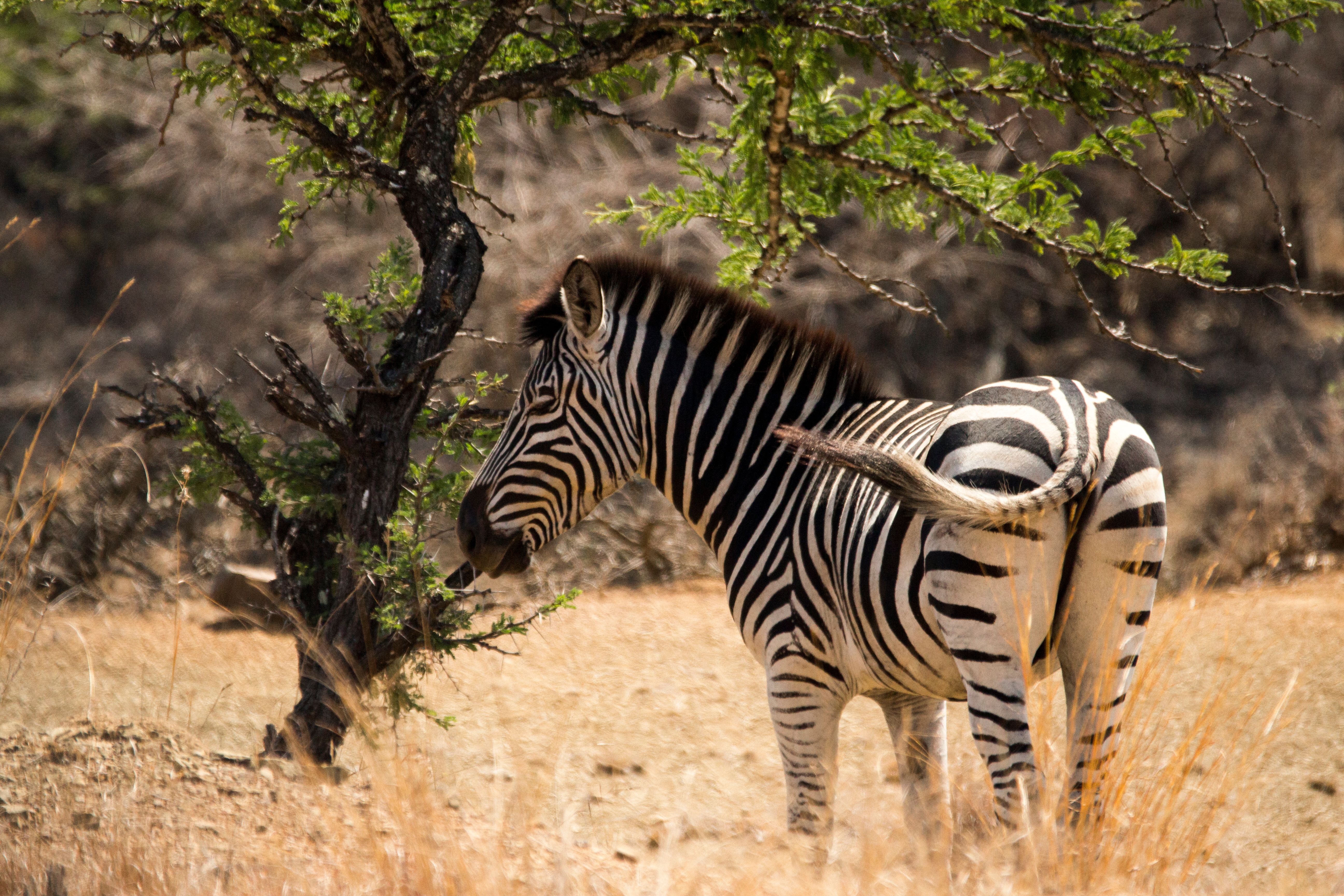
Zebras grazing in the African green season
November – December

The Short Rains Season

The short rains usually arrive around November and may continue into December. Showers are often localised, and they refresh the grasslands, woodlands and open plains. The parks become greener, the air can feel fresher and the changing scenery offers excellent opportunities for landscape and wildlife photography. This period can also be attractive to visitors who prefer a quieter safari experience than the busiest dry-season months.

In the Serengeti ecosystem, migrating wildebeest and zebras generally begin moving south and east towards the southern plains as fresh grazing becomes available. Resident wildlife remains present across the parks, including elephants, giraffes, lions, buffaloes, hippos and various antelope species. Birdwatchers may also enjoy the arrival of migratory birds from other regions.

WildebeestZebrasElephants HipposGiraffesBuffaloes FlamingosMigratory Birds
African lion in a lush wildlife habitat
March – May

The Long Rains and Green Season

March to May is generally associated with Tanzania's long rains, although the exact timing and intensity vary between regions and from year to year. During this period, landscapes become lush and green, seasonal flowers and grasses grow, and many bird species become active. The dramatic skies and fresh scenery can create beautiful photography conditions, especially for visitors who enjoy nature beyond traditional dry-season game viewing.

Wildlife does not disappear during the rainy months. Lions, elephants, giraffes, buffaloes, zebras, hippos and many other animals continue living in their natural habitats. However, thicker vegetation can make some animals more difficult to spot, and heavy rainfall may affect certain roads and tracks. Travellers should check park access, accommodation availability and local road conditions when planning their journey.

ElephantsLionsGiraffes BuffaloesHipposZebras Water BirdsRaptors

Planning note: These are broad seasonal patterns, not guaranteed daily weather conditions. Rainfall differs between parks and regions, and wildlife sightings always depend on natural animal behaviour.

Wildlife Throughout the Year

What Animals Can You See on a Tanzania Safari?

Tanzania is home to an extraordinary variety of mammals, birds and reptiles. While some wildlife events are seasonal, many of the country's most famous animals can be encountered throughout the year, depending on the park, habitat and conditions.

The Big Five and Other Iconic Mammals

The Big Five are among the most sought-after animals on an African safari: lion, leopard, elephant, buffalo and rhinoceros. Tanzania offers opportunities to see these species in different protected areas, although sightings are never guaranteed. Ngorongoro Crater is especially known for its rich wildlife, while Serengeti is famous for big cats and large herds of grazing animals.

  • Lions: Found in several major parks, including Serengeti, Ngorongoro and Tarangire.
  • Leopards: Often associated with riverine trees and woodland habitats, especially in Serengeti.
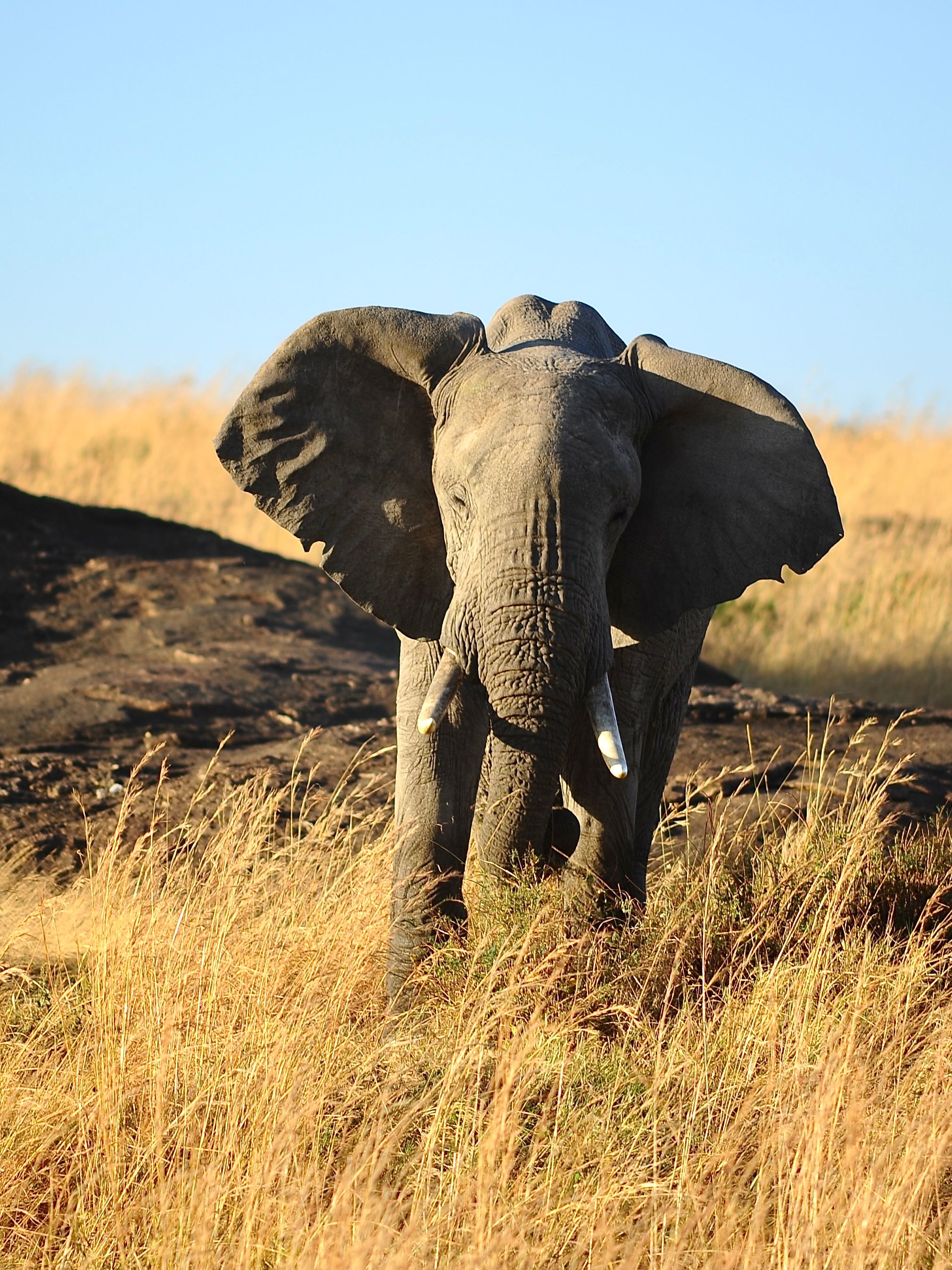
  • Elephants: Commonly seen in Tarangire, Serengeti and other protected areas.
  • Buffaloes: Found in grasslands, woodland and wetland habitats across many parks.
  • Black Rhinoceros: Ngorongoro is one of Tanzania's important places for rhino conservation and sightings.
  • Giraffes and Zebras: Frequently seen in open plains and woodland areas.
African elephant in Tanzania wildlife habitat
Lion in its natural African savannah habitat

Predators, Herbivores and Birdlife

Beyond the Big Five, Tanzania supports a remarkable range of wildlife. Cheetahs are well adapted to open grasslands, hyenas are important predators and scavengers, and African wild dogs can be found in selected ecosystems. Different antelope species, including impalas, gazelles, elands, topis and waterbucks, provide an important part of the savannah food chain.

Tanzania is also a fantastic destination for birdwatching. Depending on the habitat and season, visitors may encounter ostriches, secretary birds, eagles, vultures, storks, kingfishers, flamingos and many migratory species. Wetlands, lakes, riverbanks and open grasslands all support different bird communities.

  • Predators: Cheetahs, hyenas, jackals and wild dogs in suitable habitats.
  • Antelopes: Impalas, gazelles, elands, topis and waterbucks.
  • Water wildlife: Hippos and crocodiles in rivers and lakes.
  • Birdlife: Flamingos, ostriches, eagles, storks and migratory birds.
One of Nature's Greatest Journeys

The Great Wildebeest Migration in Tanzania

The Great Wildebeest Migration is one of the most extraordinary wildlife movements on Earth. It takes place throughout the Serengeti–Mara ecosystem, with huge herds of wildebeest, zebras and other grazing animals moving in search of fresh grass and water.

Large wildlife herds in the African savannah
The Great Migration

Follow the Journey of Millions of Animals

From the southern Serengeti calving plains to the western corridor and northern Serengeti, the migration offers different wildlife experiences throughout the year.

What Makes the Great Migration Special?

The migration involves approximately 1.5 million wildebeest, together with large numbers of zebras and gazelles. Their movement is closely connected to seasonal rainfall and the availability of fresh grazing. As the herds move, they create opportunities to observe large gatherings of animals, predator activity and important natural events.

One of the most important periods is the calving season, which usually takes place around January and February in the southern Serengeti and Ndutu plains. During this time, many wildebeest calves are born within a relatively short period. Predators such as lions, cheetahs, hyenas and leopards are also active in the area, making it a remarkable time for wildlife observation.

Later in the year, herds move towards the western and northern parts of the Serengeti. The Grumeti River crossings may occur around the western corridor, while the famous Mara River crossings are associated with the northern Serengeti, particularly during the July to October period. These crossings are natural events and cannot be predicted for an exact day.

Zebras and other grazing animals on the African plains
Main destination:
Serengeti National Park and the wider Serengeti–Mara ecosystem.
Main migrating animals:
Wildebeest, zebras and gazelles.
Calving period:
Usually January to March, with peak calving commonly around February.
Grumeti crossings:
Often around May to July, depending on herd movement.
Mara River crossings:
Often around July to October, but timing varies.
Migration Calendar

Where Is the Great Migration During the Year?

The migration follows rainfall and grazing conditions. The following calendar provides a general guide to the areas where herds are commonly found during different months.

January

Southern Serengeti and Ndutu. Large herds gather on the plains as the calving season begins.

February

Ndutu and southern Serengeti. Peak calving activity attracts lions, cheetahs and hyenas.

March

Southern Serengeti. Calving continues and herds begin responding to changing rainfall.

April

Southern and central Serengeti. Herds become more spread out as the long rains develop.

May

Central Serengeti and western corridor. Large columns may begin moving towards the west and north.

June

Western corridor and Grumeti area. Herds may gather around river systems as the dry season begins.

July

Western and northern Serengeti. Some herds move towards the Mara River region.

August

Northern Serengeti. Mara River crossings may take place as herds search for fresh grazing.

September

Northern Serengeti. Herds may continue moving across the northern ecosystem and crossing rivers.

October

Northern and central Serengeti. Some herds begin moving south as seasonal conditions change.

November

Central and eastern Serengeti. Short rains encourage the herds to move towards greener southern areas.

December

Southern Serengeti and Ndutu. Herds begin gathering ahead of the next calving season.

Important: The migration is a continuous natural movement, not a fixed event with guaranteed dates. Herds can move earlier or later depending on rainfall. A safari planned around the migration should consider the expected location of the herds for the travel dates.

Explore the Great Migration in More Detail

Discover the migration routes, seasonal locations, calving plains, river crossings and the best areas to visit when planning your Great Migration safari in Tanzania.

Discover the Great Migration
Plan Your Travel Dates

Best Time to Visit Tanzania Safari Month by Month

Every month offers a different combination of weather, landscapes and wildlife experiences. Use this guide to understand what you may encounter during each period and which parks are worth considering.

MONTH 01

January

January is a rewarding month for a green-season safari. The southern Serengeti and Ndutu plains attract large wildebeest herds as the calving period begins. Visitors may see newborn calves alongside zebras and gazelles, while lions, cheetahs and hyenas remain active in the surrounding grasslands. Birdwatching is also excellent in many habitats.

Best for: Calving season, predators and birdwatching.
MONTH 02

February

February is one of the most important months for the wildebeest calving season. Large numbers of calves are born across the southern plains, attracting predators and creating excellent opportunities to observe natural wildlife behaviour. The scenery is often green and beautiful, making this a favourite period for photographers and nature lovers.

Best for: Newborn wildebeest, lions and cheetahs.
MONTH 03

March

March offers a transition from the calving period towards the long rains. The southern Serengeti may still have wildebeest herds and predator activity, while other northern parks continue to provide opportunities to see elephants, giraffes, buffaloes, zebras and big cats. Rainfall becomes more likely as the month progresses.

Best for: Green landscapes and quieter safari experiences.
MONTH 04

April

April is generally within the long-rain period. The parks become lush, rivers and seasonal water sources receive more water, and birdlife can be rewarding. Wildlife remains present, although taller vegetation and wet tracks may make some sightings and journeys more challenging. It is important to check road and lodge conditions before travelling.

Best for: Green scenery, birdwatching and photography.
MONTH 05

May

May continues the long-rain season in many areas. The central Serengeti and western corridor may experience movement of migrating herds as they travel towards new grazing areas. The landscapes are often dramatic and green, while elephants, hippos, buffaloes and resident predators can still be found in suitable habitats.

Best for: Lush landscapes and quieter parks.
MONTH 06

June

June usually marks the beginning of the main dry season in northern Tanzania. Vegetation starts to thin and wildlife viewing conditions improve. The western Serengeti and Grumeti area may offer opportunities to follow migrating herds, while Tarangire and Ngorongoro provide rewarding game drives for elephants, lions, giraffes, zebras and buffaloes.

Best for: Dry-season game drives and western migration areas.
MONTH 07

July

July is a popular safari month because dry conditions often improve visibility across many parks. In the Serengeti, migrating wildebeest and zebras may be moving towards the northern areas, where river crossings can occur. Tarangire also becomes especially attractive as animals gather around available water sources.

Best for: Dry-season wildlife and northern migration areas.
MONTH 08

August

August is among the busiest safari months in Tanzania. The northern Serengeti may provide opportunities to observe large herds around the Mara River, although crossings are unpredictable. Elsewhere, visitors can enjoy excellent opportunities to see elephants, giraffes, lions, buffaloes and various antelope species in dry-season habitats.

Best for: Northern Serengeti and possible Mara River crossings.
MONTH 09

September

September continues the dry-season safari experience. Northern Serengeti can still offer opportunities to follow wildebeest herds and observe possible river crossings. Tarangire is also rewarding for elephant sightings, while Ngorongoro Crater offers opportunities to search for the Big Five and a variety of other wildlife.

Best for: Northern migration, elephants and Big Five viewing.
MONTH 10

October

October is generally a good month for wildlife viewing before the short rains become more established. The northern Serengeti may still have migrating herds, while some animals begin moving towards central and southern grazing areas. Game drives in Tarangire, Serengeti and Ngorongoro can be rewarding during this period.

Best for: Dry-season wildlife and flexible migration itineraries.
MONTH 11

November

November is associated with the short rains, which begin refreshing the grasslands and woodland areas. The migration generally starts moving southwards through the Serengeti ecosystem. This month can be attractive for birdwatchers and visitors who enjoy green scenery, fewer crowds and a different atmosphere in the national parks.

Best for: Birdwatching, green scenery and returning herds.
MONTH 12

December

December brings greener landscapes to many safari areas, and the southern Serengeti begins attracting wildebeest herds ahead of the next calving season. Visitors can enjoy elephants, giraffes, zebras, hippos, buffaloes and predators, while birdlife remains an important attraction. Conditions vary between early and late December.

Best for: Green-season safaris and pre-calving migration.
Your Tanzania Safari Awaits

Choose the Right Season for Your Safari Adventure

Whether you dream of witnessing the Great Wildebeest Migration, exploring the Big Five habitats, watching elephants in Tarangire or discovering the wildlife-rich Ngorongoro Crater, Tanzania offers unforgettable experiences in every season. The right itinerary combines your travel dates, preferred wildlife experiences and the best parks for the time of year.

Explore Tanzania with Kili2sere Adventure
WE'RE HERE FOR YOU

Talk to Our Expert

Have a question or need help planning your next adventure? Our friendly team is ready to help you create an unforgettable Tanzania experience.

Let's plan something unforgettable.
Scroll to Top