- 3
- 5
- 3
- 11
Ngorongoro Crater
Ngorongoro Crater
Discover the Natural Wonder of Ngorongoro Crater
Ngorongoro Crater is one of Africa’s most extraordinary natural attractions and one of the most remarkable wildlife destinations in the world. Located in northern Tanzania within the Ngorongoro Conservation Area, this breathtaking volcanic caldera is often referred to as the “Eighth Wonder of the World” due to its stunning landscapes, rich biodiversity, and unique geological history.
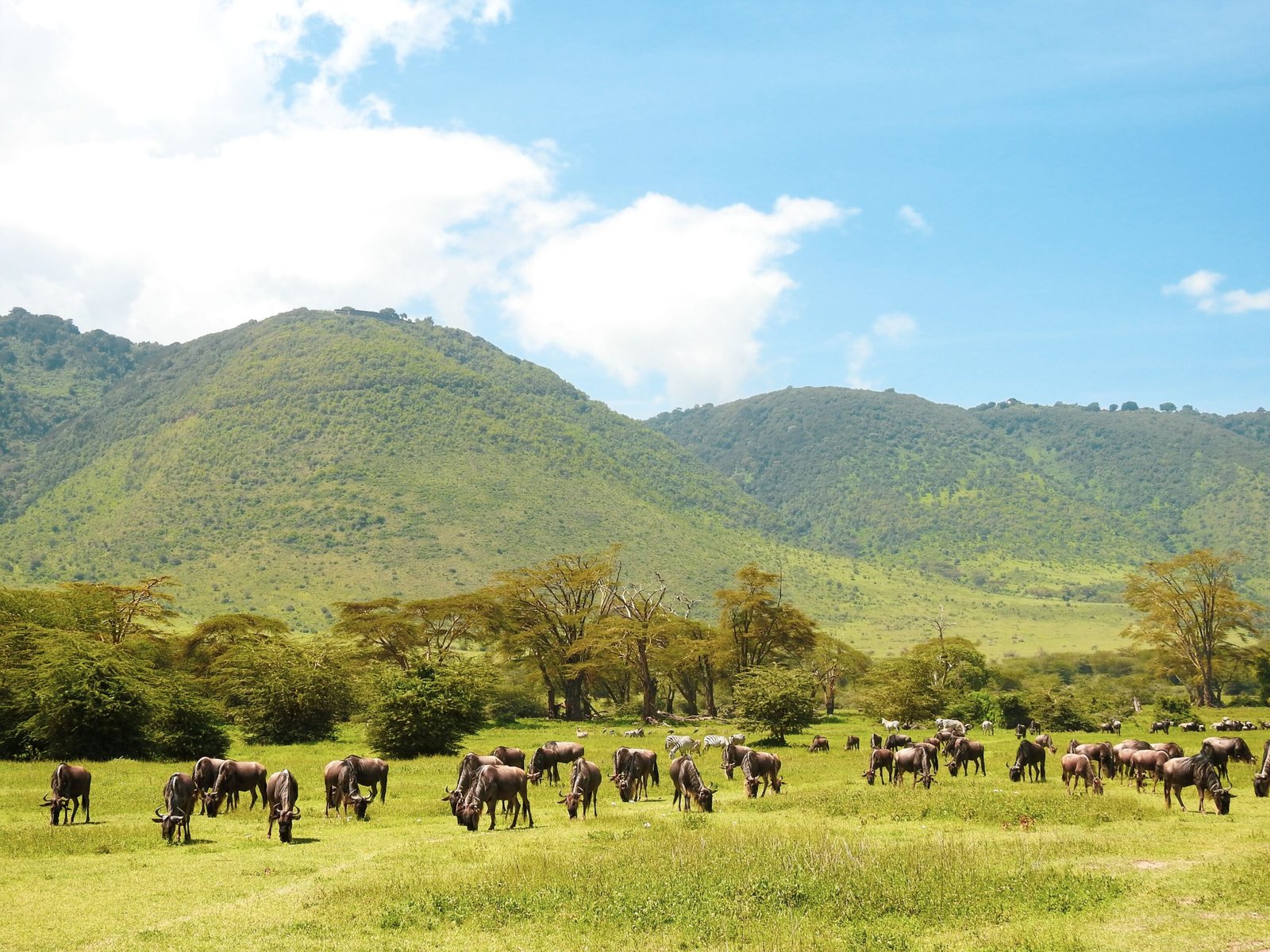
Formed approximately two to three million years ago when a massive volcano erupted and collapsed inward, Ngorongoro Crater is now the world’s largest intact and unfilled volcanic caldera. The crater measures about 19 kilometers in diameter, covers roughly 260 square kilometers, and has walls rising over 600 meters from the crater floor.
Today, Ngorongoro Crater serves as a natural sanctuary for thousands of animals and offers visitors one of the best wildlife viewing experiences in Africa. Its enclosed ecosystem supports an incredible concentration of wildlife, making it possible to observe a wide variety of species within a relatively small area.
A UNESCO World Heritage Site
Ngorongoro Conservation Area was designated a UNESCO World Heritage Site due to its exceptional natural beauty, ecological significance, and cultural importance. The area is unique because it successfully balances wildlife conservation with human habitation, allowing the Maasai people to continue living alongside wildlife while preserving the region’s natural heritage.

This rare coexistence between humans and wildlife has made Ngorongoro one of the most important conservation areas in Africa and a model for sustainable conservation practices worldwide.
Extraordinary Wildlife Viewing
Ngorongoro Crater is renowned for having one of the highest concentrations of wildlife in Africa. The crater floor provides permanent water sources, abundant grazing lands, and a favorable climate that supports wildlife throughout the year.
Visitors can expect to see:
- Lions
- African Elephants
- African Buffaloes
- Leopards
- Black Rhinoceroses
- Cheetahs
- Hyenas
- Wildebeests
- Zebras
- Hippos
- Gazelles
- Warthogs
- Jackals
- Serval Cats
The crater is one of the few places in Tanzania where visitors have a realistic chance of spotting the endangered black rhinoceros in its natural habitat.
Home of the Big Five
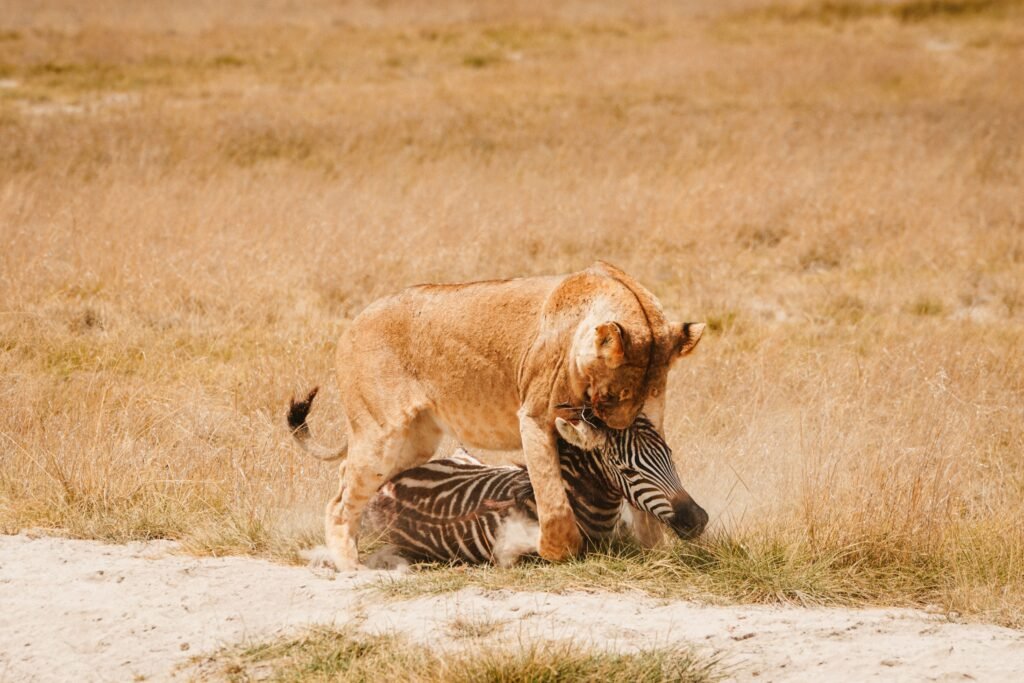
Ngorongoro Crater is widely considered one of the best locations in Africa to see the famous Big Five:
- Lion
- Leopard
- Elephant
- Buffalo
- Rhinoceros
Because the wildlife is concentrated within the crater, visitors often have the opportunity to see several members of the Big Five during a single game drive.
This exceptional accessibility makes Ngorongoro particularly attractive for first-time safari travelers and wildlife enthusiasts alike.
Spectacular Landscapes
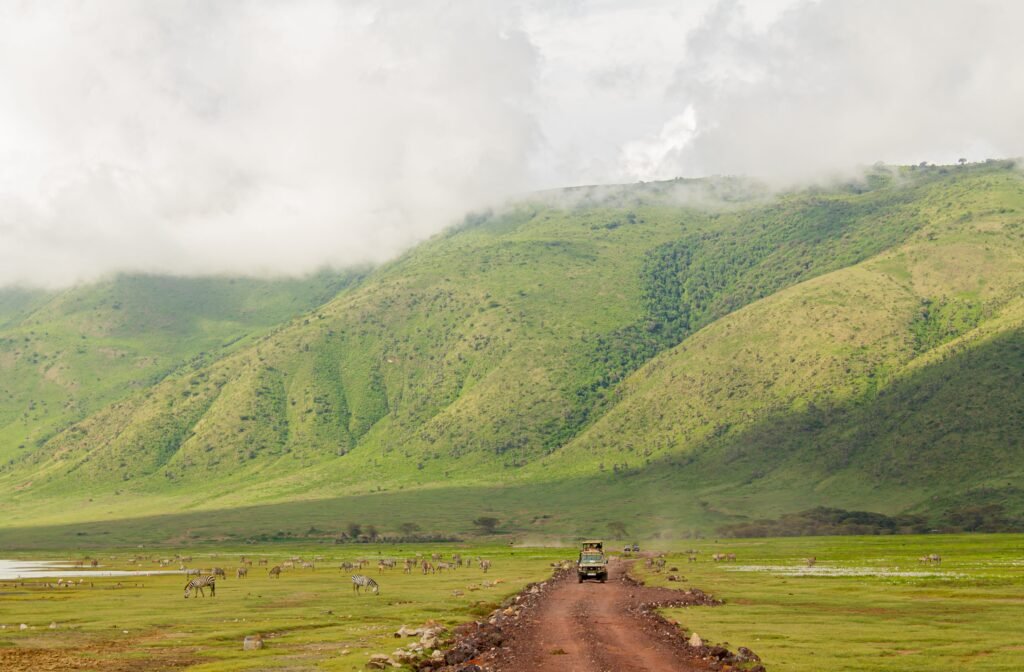
The scenery of Ngorongoro Crater is simply breathtaking. From the crater rim, visitors enjoy panoramic views of the vast crater floor stretching below.
The crater contains a variety of habitats, including:
- Open grasslands
- Acacia woodlands
- Freshwater springs
- Swamps
- Seasonal wetlands
- Forested areas
- Soda lakes
One of the most striking features is Lake Magadi, a shallow alkaline lake located at the center of the crater. The lake attracts large numbers of flamingos and other water birds, creating a vibrant display of color against the surrounding landscape.
The dramatic crater walls and diverse ecosystems combine to create one of the most beautiful natural environments in Africa.
Birdlife in Ngorongoro
Ngorongoro Crater is a paradise for bird lovers, with more than 500 recorded bird species found throughout the conservation area.
Popular species include:
- Flamingos
- Crowned Cranes
- Ostriches
- Kori Bustards
- Secretary Birds
- Eagles
- Vultures
- Storks
- Herons
- Kingfishers
The crater’s lakes, wetlands, and forests provide ideal habitats for both resident and migratory birds, making birdwatching rewarding throughout the year.
The Maasai Culture and Heritage
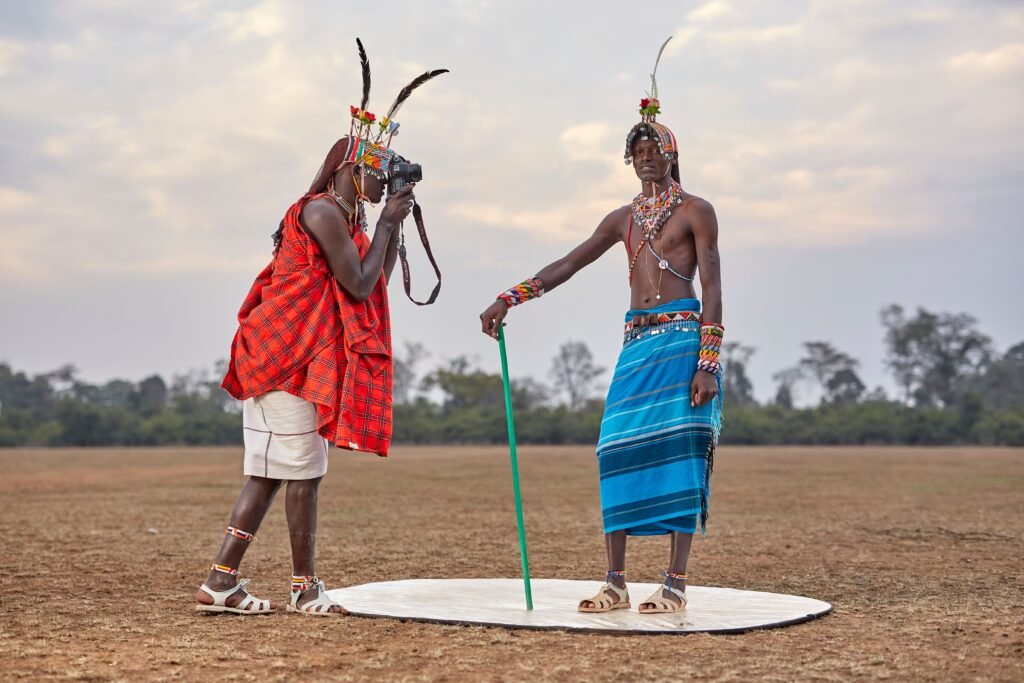
One of the unique aspects of Ngorongoro Conservation Area is the presence of the Maasai people, who have lived in harmony with wildlife for generations.
Visitors have the opportunity to visit traditional Maasai villages and learn about:
- Maasai traditions
- Cultural practices
- Traditional homes (Manyattas)
- Livestock keeping
- Traditional dances
- Indigenous knowledge of the environment
These cultural experiences provide valuable insight into one of East Africa’s most iconic communities and add depth to any safari adventure.
Activities in Ngorongoro Crater
Game Drives
Game drives into the crater floor provide exceptional wildlife viewing opportunities and are the most popular activity in the area.
Wildlife Photography
The crater offers stunning photographic opportunities due to its concentrated wildlife, dramatic landscapes, and spectacular lighting conditions.
Bird Watching
With hundreds of bird species inhabiting the area, Ngorongoro is a fantastic destination for bird enthusiasts.
Cultural Tours
Visitors can explore nearby Maasai villages and gain firsthand knowledge of traditional Maasai life and customs.
Scenic Viewing
The crater rim offers breathtaking viewpoints where visitors can admire one of the most spectacular landscapes in Africa.
Best Time to Visit Ngorongoro Crater
Ngorongoro is a year-round destination because wildlife remains within the crater throughout the year.
June – October (Dry Season)
- Excellent wildlife viewing
- Clear skies
- Comfortable temperatures
- Best photography conditions
November – May (Green Season)
- Lush green scenery
- Fewer tourists
- Excellent birdwatching
- Beautiful landscapes
Regardless of the season, visitors can enjoy exceptional wildlife encounters due to the crater’s permanent water sources and resident animal populations.
Why Visit Ngorongoro Crater?
Ngorongoro Crater offers a safari experience unlike any other destination in Africa.
Highlights include:
- The world’s largest intact volcanic caldera
- Outstanding Big Five sightings
- Exceptional wildlife density
- Beautiful landscapes
- UNESCO World Heritage status
- Rich Maasai cultural experiences
- Excellent birdwatching
- Year-round safari opportunities
Its combination of natural beauty, abundant wildlife, and cultural significance makes Ngorongoro one of Tanzania’s most treasured destinations.
Ngorongoro Crater Quick Facts
| Feature | Description |
|---|---|
| Location | Northern Tanzania |
| Protected Area | Ngorongoro Conservation Area |
| Crater Size | Approximately 260 km² |
| Diameter | About 19 km |
| Depth | Over 600 meters |
| UNESCO Status | World Heritage Site |
| Famous For | Largest Intact Volcanic Caldera |
| Wildlife Highlights | Big Five, Black Rhino, Lions |
| Bird Species | Over 500 Species |
| Main Lake | Lake Magadi |
| Best Activities | Game Drives, Photography, Cultural Tours |
| Best Time to Visit | Year-round |
| Cultural Heritage | Maasai Communities |
| Safari Experience | Exceptional Wildlife Density |
Experience Ngorongoro Crater with Kili2Sere Adventure
Discover one of Africa’s most extraordinary natural wonders with Kili2Sere Adventure. Our expertly guided safaris take you deep into the heart of Ngorongoro Crater, where spectacular landscapes and incredible wildlife encounters await. Whether you dream of seeing the Big Five, photographing breathtaking scenery, or learning about Maasai culture, Ngorongoro offers an unforgettable journey into the wild beauty of Tanzania.
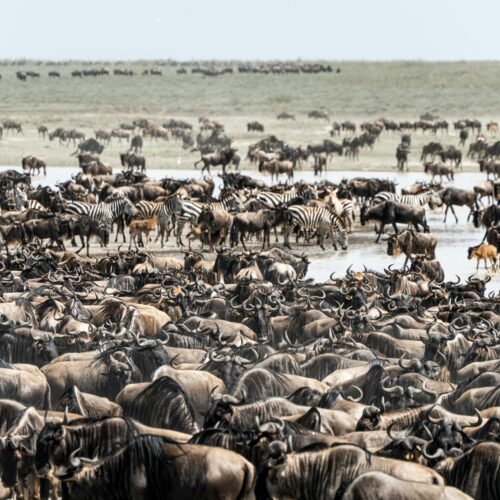
Experience one of nature’s greatest wildlife spectacles on this unforgettable 4-Day Wildebeest Migration Safari to Ndutu and Ngorongoro. Designed for travelers seeking front-row access to...
Duration
4 Days
$2000
Next Departures
July 25, 2026 (Available)July 26, 2026 (Available)July 27, 2026 (Available)
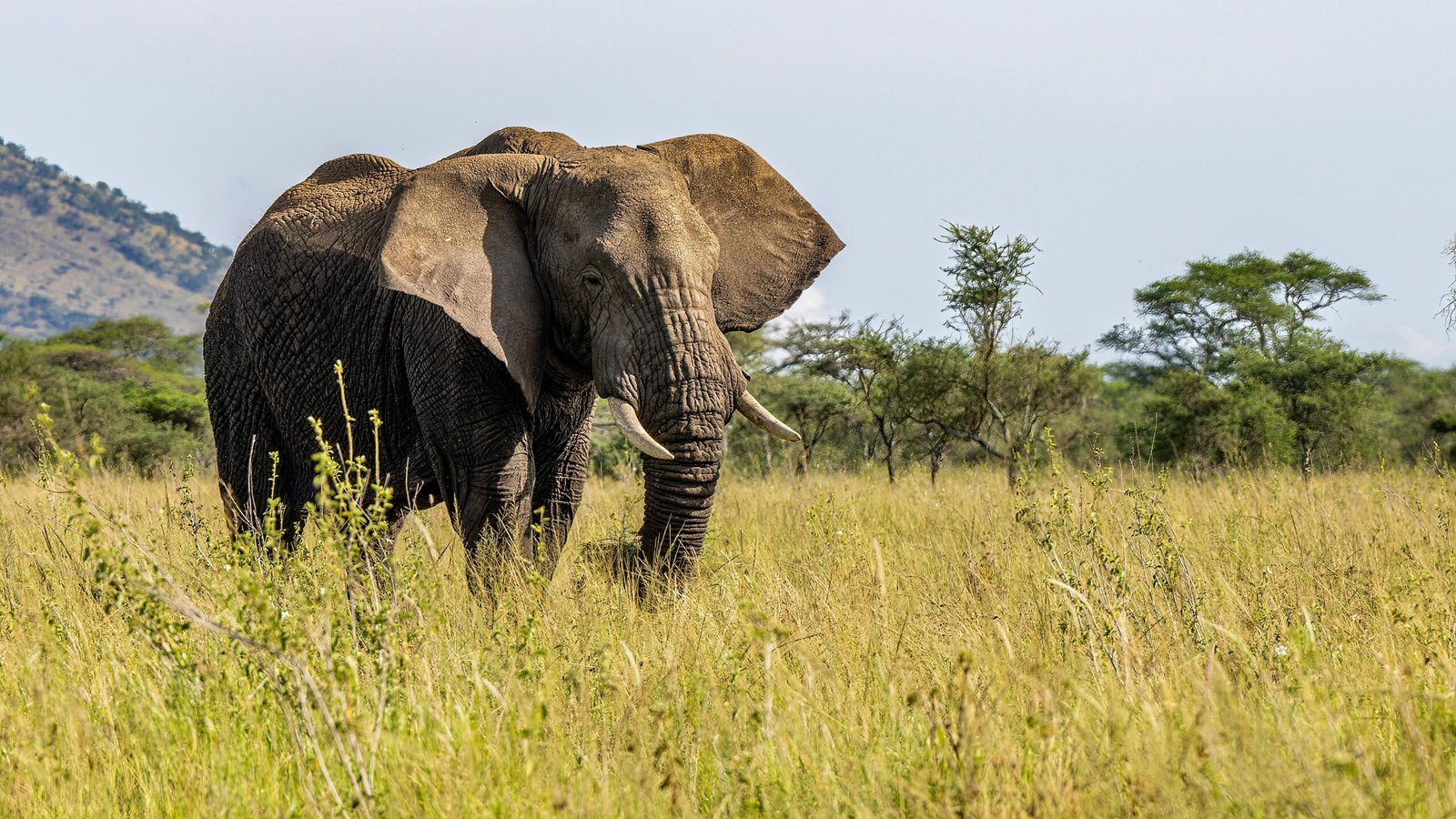
Experience the ultimate African wildlife adventure on this unforgettable 4-Day Serengeti & Ngorongoro Safari Experience. This carefully crafted safari takes you to two of Tanzania’s...
Duration
4 Days
$1500
Next Departures
July 25, 2026 (Available)July 26, 2026 (Available)July 27, 2026 (Available)
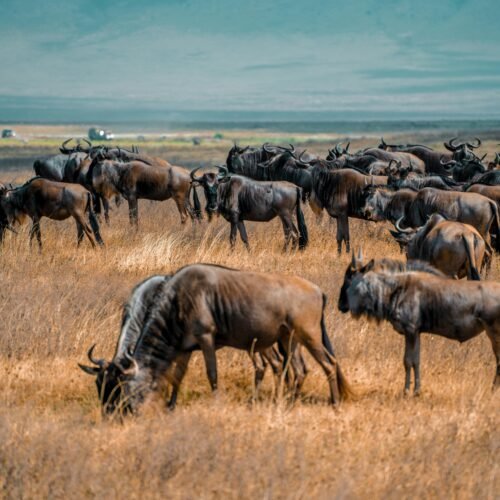
Discover two of Tanzania’s most remarkable wildlife destinations on this exciting 2-Day Lake Manyara & Ngorongoro Conservation Area Safari. Perfect for travelers with limited time,...
Duration
2 Days
$1500
Next Departures
July 25, 2026 (Available)July 26, 2026 (Available)July 27, 2026 (Available)