Discover the 8-Days Kilimanjaro climbing cost for the Lemosho Route. Learn why an 8-day climb costs $2,450, what affects the price, route highlights, preparation tips, and how to book with Kili2sere Adventure.
8-Days Kilimanjaro Climbing Cost: Lemosho Route Price Guide
Climbing Mount Kilimanjaro is one of Africa’s most rewarding travel experiences, but understanding the 8 days Kilimanjaro climbing cost is an important part of planning your adventure. An 8-day trek gives you enough time to experience the changing landscapes of the mountain while allowing your body more time to adapt to increasing altitude.
For travelers considering the Lemosho Route, Kili2sere Adventure offers an 8-Days Lemosho Route package at $2,450 per person based on the package information provided for this guide. The actual cost of a Kilimanjaro climb can vary depending on the operator, group size, season, accommodation arrangements, park charges, crew arrangements, transfers, and additional services.
In this guide, we explain what goes into the cost of an 8-day Kilimanjaro climb, why the Lemosho Route is popular, what travelers should consider before booking, and how you can combine your mountain adventure with a Tanzania safari or relaxing Zanzibar holiday.
How Much Does an 8-Days Kilimanjaro Climb Cost?
For the package featured in this guide, the 8 Days Lemosho Route costs $2,450 per person with Kili2sere Adventure.
Kili2sere Adventure – 8 Days Lemosho Route
| Package Feature | Details |
|---|---|
| Route | Lemosho Route |
| Duration | 8 Days |
| Difficulty | Medium |
| Travelers | 1 Person |
| Package Price | $2,450 per person |
| Main Activity | Mount Kilimanjaro Climb |
| Destination | Kilimanjaro National Park, Tanzania |
The price should not be viewed simply as the cost of walking up a mountain. A professionally organized Kilimanjaro expedition involves park access, permits, mountain logistics, trained crew, food, camping arrangements, transportation, safety planning, and coordination throughout the trek.
Tanzania National Parks Authority (TANAPA) manages Kilimanjaro National Park and publishes official park tariffs and visitor information. Travelers should always check the current official tariff information because government fees can change.
8 Days Lemosho Route at a Glance
The Lemosho Route is one of the scenic approaches to Mount Kilimanjaro. It begins on the western side of the mountain and crosses a variety of ecological zones before joining the higher mountain trails toward the summit.
Mount Kilimanjaro reaches 5,895 metres (19,341 feet) above sea level, making it Africa’s highest mountain. The mountain is particularly remarkable because climbers pass through several dramatically different environments during the ascent, from forest to moorland, alpine desert and the high summit zone.
An 8-day itinerary is particularly attractive to travelers who prefer a longer approach rather than rushing toward the summit. Additional trekking days can provide a more progressive experience and more time to adjust to the changing altitude.
Why Does an 8-Days Kilimanjaro Climb Cost $2,450?
Several components contribute to the final price of a Kilimanjaro package.
Kilimanjaro National Park and Conservation Fees
One of the most significant components of a Kilimanjaro trekking price is the collection of official park-related fees.
Kilimanjaro is a protected national park, and visitors must comply with the park’s regulations and payment requirements. TANAPA provides official information about park tariffs, payment methods and visitor regulations.
Because these charges are controlled by the relevant authorities rather than the tour operator, travelers should be cautious when comparing unusually cheap Kilimanjaro packages.
A very low advertised price may mean that some services or costs are excluded.
Mountain Crew and Professional Guides
A Kilimanjaro expedition depends heavily on the mountain crew.
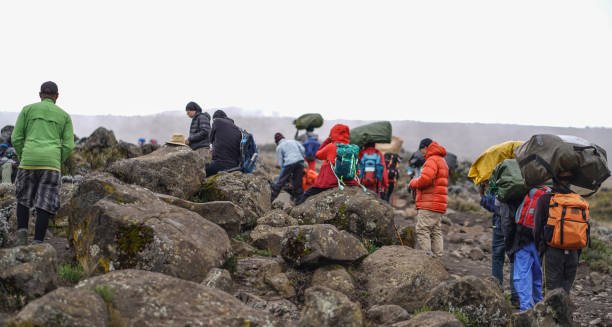
A professionally organized climb normally requires qualified guides and supporting crew members who coordinate the daily trek, camps, meals, equipment and logistics.
The role of the guide goes beyond showing travelers the trail. Guides help coordinate the expedition and provide important information throughout the climb.
TANAPA regulations and guidelines also establish requirements and responsibilities relating to mountain activities and tour operators.
This is one reason travelers should compare what is included in a package, rather than comparing prices alone.
Accommodation and Camping Logistics
The Lemosho Route is a camping-based mountain adventure. Camping at altitude requires considerably more logistics than simply booking a hotel room.
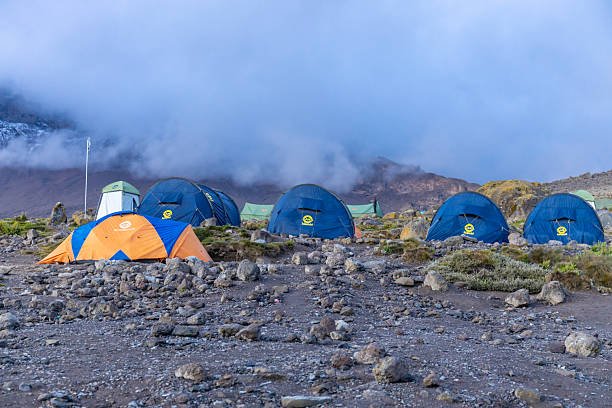
The operator must coordinate tents, campsites, food preparation, luggage movement, crew logistics and daily camp operations.
These operational requirements are built into the overall price of a professionally organized trek.
Food and Mountain Supplies
Food is another important part of the cost.
A multi-day mountain trek requires meals to be planned around the physical demands of hiking. Food and supplies must also be transported and prepared in a remote mountain environment.
For an 8-day climb, this means the operator needs to organize food supplies for the duration of the expedition while ensuring that the mountain crew can support daily operations.
Transportation and Logistics
A Kilimanjaro climb does not begin when you arrive at the trailhead.
There is usually transportation and logistical coordination between the traveler’s arrival point, accommodation and the mountain entry area.
The Lemosho Route also requires coordination with the appropriate access point and later descent arrangements.
This logistical planning is another factor included when evaluating a professional Kilimanjaro climbing package.
Safety, Permits and Operational Costs
A reputable operator must also coordinate the administrative and operational side of the climb.
Mount Kilimanjaro is a high-altitude environment, so travelers should select an operator based on overall organization and safety planning rather than price alone.
TANAPA publishes official guidelines and procedures for visitors and mountain activities, making the authority’s resources a useful reference when preparing for a climb.
What Makes the Lemosho Route Worth the Investment?
When travelers ask about the 8 days Kilimanjaro climbing cost, the next question is usually whether the longer route justifies the price.
For many trekkers, the answer comes down to scenery, trekking experience, acclimatization strategy and the overall pace of the expedition.
Scenic Landscapes
One of the biggest attractions of Lemosho is the variety of landscapes encountered along the journey.
The climb transitions through different ecological zones as you gain altitude. The lower sections feature vegetation and forest, while higher sections become increasingly open and rugged.
Eventually, the landscape changes dramatically as you approach the summit zone.
More Time on the Mountain
An 8-day itinerary gives travelers more time to experience Kilimanjaro instead of treating the mountain as a race to the summit.
The additional time can make the journey feel more like an expedition, with opportunities to enjoy the scenery and settle into the rhythm of trekking.
Gradual Acclimatization
Altitude is one of the most important considerations when climbing Kilimanjaro.
The longer duration of an 8-day itinerary allows the climb to progress over more days than shorter programs. This does not guarantee that a climber will avoid altitude-related problems, but a well-planned itinerary can provide valuable time for acclimatization.
Travelers should discuss their individual preparation and health considerations with an appropriate medical professional before undertaking a high-altitude trek.
A More Immersive Mountain Experience
For many international travelers, Kilimanjaro is not simply about reaching Uhuru Peak.
It is also about experiencing the mountain’s forests, changing landscapes, night skies, sunrise views, high-altitude terrain and the atmosphere of trekking through one of Africa’s most iconic natural destinations.
8-Days Lemosho Route Itinerary
The exact daily itinerary should be confirmed with Kili2sere Adventure before booking because route schedules and camps can vary depending on operational planning, weather, park regulations and mountain conditions.
A typical 8-day Lemosho program progresses broadly as follows.
Day 1: Lemosho Gate to the First Mountain Camp
The adventure begins on the western side of Mount Kilimanjaro.
After the necessary registration and preparation, the trek enters the mountain environment and begins through the lower vegetation zone.
The first day is generally about settling into the rhythm of the trek rather than trying to cover the mountain as quickly as possible.
Day 2: Trek Through the Forest and Moorland
As the climb continues, the environment begins to change.
The dense vegetation of the lower slopes gradually gives way to more open mountain landscapes.
This is one of the attractions of Kilimanjaro: the landscape changes noticeably as altitude increases.
Day 3: Continue Across the Shira Area
The route progresses toward the Shira Plateau.
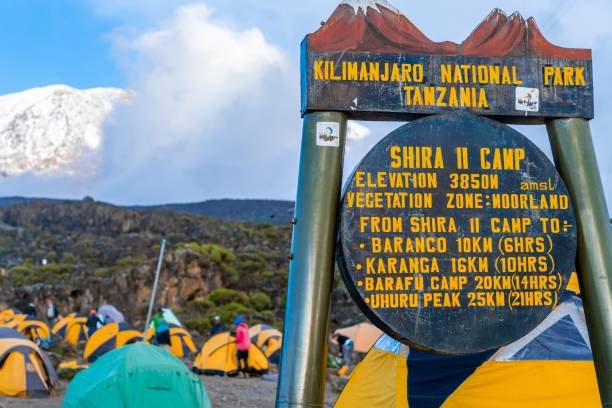
The terrain becomes more open, offering expansive views and a very different atmosphere from the forest encountered earlier.
The Shira area is an important part of the Lemosho experience because it introduces trekkers to the higher-altitude environment of Kilimanjaro.
Day 4: Higher-Altitude Mountain Terrain
The trek continues across increasingly rugged terrain.
At this stage, maintaining a steady pace becomes important. The objective is not simply to walk quickly but to conserve energy for the higher sections of the mountain.
Day 5: Acclimatization and Continued Ascent
The itinerary continues toward the upper mountain.
Depending on the exact itinerary, this section may involve an acclimatization-oriented approach designed to expose the body to higher elevations while maintaining a controlled trekking pace.
Day 6: Approach to the Summit Zone
The landscape becomes increasingly alpine and rugged.
At this point, trekkers should focus on hydration, nutrition, pacing and following the guidance of the mountain crew.
The summit attempt is now approaching, so conserving energy is essential.
Day 7: Summit Attempt and Descent
Summit day is the defining moment of the expedition.
Trekkers begin the summit section early and continue toward the summit area, with the ultimate objective of reaching Uhuru Peak at 5,895 metres.
After the summit attempt, the descent begins.
The descent can be physically demanding even though the direction is downward, making it important to maintain concentration and follow the guide’s instructions.
Day 8: Final Descent
The final day brings the expedition down toward the mountain exit.
After completing the descent, the Kilimanjaro adventure comes to an end.
For many travelers, this is the moment when the scale of the achievement becomes clear: eight days earlier they began their journey on the lower slopes, and now they are leaving one of Africa’s most famous mountains behind.
8-Days Lemosho Route Cost Breakdown
The exact internal cost structure of the $2,450 Kili2sere Adventure package should be confirmed directly with the operator before payment.
However, travelers can generally expect a professional Kilimanjaro package to account for several major cost categories.
| Cost Component | Why It Matters |
| National park fees | Required for access to the protected mountain environment |
| Camping fees | Covers use of designated mountain camping areas |
| Guide services | Professional leadership throughout the trek |
| Mountain crew | Supports transportation, camp and expedition logistics |
| Food | Meals and supplies throughout the climb |
| Camping equipment | Tents and related expedition logistics |
| Transfers | Transportation connected with the mountain itinerary |
| Permits and administration | Required operational arrangements |
| Emergency and operational planning | Important for managing a high-altitude expedition |
The precise inclusions and exclusions should always be checked against the operator’s current quotation.
TANAPA’s official tariff page is particularly useful when researching park fees because it provides government-published information rather than estimates from third-party websites.
What Is Usually Included in a Kilimanjaro Climbing Package?
Before paying for a Kilimanjaro climb, ask the operator for a written list of inclusions.
Depending on the package, professional Kilimanjaro climbing arrangements may include:
- Kilimanjaro National Park fees
- Mountain permits
- Professional mountain guide
- Supporting mountain crew
- Camping arrangements
- Meals during the trek
- Airport or hotel transfers where specified
- Pre-climb briefing
- Route logistics
- Government and park-related administrative arrangements
However, do not assume that every item above is automatically included in the $2,450 package. Confirm the current inclusions with Kili2sere Adventure before booking.
This distinction is important because two operators can advertise the same route at different prices while offering different services.
What Is Usually Not Included?
Possible exclusions may include:
- International flights
- Tanzania visa
- Travel insurance
- Personal trekking equipment
- Personal expenses
- Tips for the mountain crew
- Accommodation before or after the climb unless specified
- Meals outside the trekking itinerary
- Additional hotel nights
- Personal porter services beyond the package arrangement
- Medical expenses
- Optional activities
Again, travelers should request the current package inclusions and exclusions directly from Kili2sere Adventure.
Factors That Affect Kilimanjaro Climbing Cost
The price of a Kilimanjaro climb is not determined by the number of days alone.
1. Route
Different routes require different logistics, camping arrangements and durations.
Lemosho is generally chosen by travelers looking for a scenic and longer approach to the mountain.
2. Number of Days
An 8-day trek requires more days of food, crew support, camping and mountain logistics than a shorter itinerary.
3. Group Size
A private one-person trek and a group departure can have different per-person economics.
The Kili2sere Adventure package featured in this article is listed for 1 person at $2,450.
4. Season
Travel demand can influence accommodation, transportation and overall travel costs.
5. Accommodation Before and After the Trek
The mountain package itself may not include hotel accommodation outside the trekking itinerary.
Always ask whether airport transfers and pre/post-climb accommodation are included.
6. Equipment
Travelers who already own suitable trekking equipment may have different preparation costs from travelers who need to rent or purchase equipment.
Is $2,450 a Good Price for an 8-Day Lemosho Climb?
The better question is not simply whether $2,450 is cheap or expensive.
The better question is:
What exactly am I receiving for $2,450?
An 8-day Kilimanjaro climb involves substantial logistics. Travelers should compare:
- Park and permit costs
- Guide qualifications
- Crew arrangements
- Food
- Camping equipment
- Transfers
- Pre-climb support
- Emergency planning
- Accommodation arrangements
- Insurance requirements
- Package exclusions
A very cheap quotation may initially look attractive, but the traveler could later discover that important services are excluded.
On the other hand, a higher price does not automatically mean better quality.
The objective should be to find a transparent operator offering a well-organized trek at a fair price.
For the package featured in this guide, Kili2sere Adventure’s 8 Days Lemosho Route is listed at $2,450 per person.
How to Prepare for an 8-Day Kilimanjaro Climb
Physical preparation should focus on building endurance and becoming comfortable with sustained walking.
Before the trip, travelers can prepare by:
Build Walking Endurance
Regular long walks and hiking can help you become accustomed to spending several hours on your feet.
Practice Uphill Walking
Kilimanjaro involves sustained climbing, so include hills or incline walking in your preparation where appropriate.
Train With a Backpack
Gradually becoming comfortable walking with a daypack can make trekking more familiar.
Break in Your Hiking Boots
Do not arrive in Tanzania with completely new hiking boots. Comfortable footwear is essential.
Practice Hydration
Learn how much water you normally need during long walks and establish a practical hydration routine.
Prepare Mentally
Kilimanjaro is an endurance experience. The final summit section can be physically and mentally demanding.
A positive mindset, patience and a willingness to follow the guide’s instructions can be valuable.
What to Pack for the Lemosho Route
Your exact packing list should be confirmed with your tour operator, but common mountain-climbing equipment includes:
- Waterproof hiking boots
- Warm layers
- Waterproof jacket and trousers
- Thermal base layers
- Warm hat
- Gloves
- Hiking socks
- Comfortable trekking trousers
- Daypack
- Water bottles or hydration system
- Headlamp
- Sunglasses
- Sunscreen
- Personal toiletries
- Personal medication
- Small first-aid supplies
- Sleeping bag appropriate for the expected conditions
- Trekking poles
- Backpack rain cover
- Headwear for sun protection
The official Visit Tanzania travel information also provides general guidance on equipment travelers may need for mountain climbing, including hiking boots, warm clothing, waterproof clothing, a sleeping bag, sun protection and other trekking essentials.
Should You Combine Kilimanjaro With a Tanzania Safari or Zanzibar Holiday?
Absolutely.
One of the major advantages of traveling to Tanzania is that a Kilimanjaro adventure can be combined with other experiences.
Tanzania offers mountain climbing, wildlife safaris, cultural experiences and beach holidays within the same country. The official Tanzania tourism portal highlights Mount Kilimanjaro, wildlife safaris and Zanzibar among the country’s major travel experiences.
Add a Tanzania Safari After Kilimanjaro
After completing an 8-day mountain trek, you can continue your journey with a wildlife safari.
A safari can introduce you to destinations such as:
- Serengeti National Park
- Ngorongoro Conservation Area
- Tarangire National Park
- Lake Manyara National Park
- Arusha National Park
Tanzania’s official tourism information describes its northern safari circuit as a major wildlife destination, with Serengeti, Ngorongoro and Tarangire among its notable attractions.
Add Zanzibar After Your Mountain Adventure
If you prefer to finish your Tanzania trip by relaxing on the Indian Ocean coast, Zanzibar is an excellent extension.
Zanzibar combines beaches, cultural heritage, Stone Town and the atmosphere of the Swahili Coast. The official Visit Tanzania tourism portal describes Zanzibar as a destination known for its beaches, history, culture and Stone Town heritage.
After eight demanding days on Kilimanjaro, several days beside the ocean can provide a completely different pace of travel.
Why Book an 8-Day Lemosho Route Instead of a Shorter Climb?
Duration is an important factor when selecting a Kilimanjaro route.
An 8-day climb gives travelers a longer mountain experience and more time to progress through the different environments.
For travelers who are not interested in rushing, this can make the journey more enjoyable.
The most important thing is to select an itinerary that matches your experience, preparation, preferred pace and travel objectives.
Do not choose a route simply because it is the cheapest or shortest.
Common Mistakes Travelers Make When Booking Kilimanjaro
Choosing Based Only on Price
A low price does not necessarily represent the best value.
Always compare inclusions and exclusions.
Ignoring the Number of Days
A longer itinerary can provide a very different experience from a short climb.
Not Asking About Crew Arrangements
Ask the operator who will guide and support your expedition.
Forgetting Travel Insurance
Mountain trekking involves risks, and travelers should arrange appropriate travel insurance before departure.
Underestimating the Weather
Kilimanjaro passes through different ecological zones, and conditions can change significantly with altitude.
Arriving Without Proper Equipment
Good preparation can make a significant difference to your comfort during the trek.
Frequently Asked Questions
How much does an 8-day Kilimanjaro climb cost?
For the package featured in this guide, Kili2sere Adventure’s 8 Days Lemosho Route costs $2,450 per person. The final cost can vary between operators depending on services, group size, park fees, accommodation and other inclusions.
Is the Lemosho Route good for an 8-day Kilimanjaro climb?
Yes. An 8-day Lemosho itinerary is suitable for travelers looking for a longer and more gradual mountain experience. The route is known for its scenic landscapes and varied terrain.
Is $2,450 expensive for the Lemosho Route?
Price should be evaluated according to what is included. Park fees, guides, crew, food, camping, transportation and other logistics all contribute to the total cost. Always compare complete packages rather than headline prices.
What is the highest point on Mount Kilimanjaro?
Uhuru Peak reaches 5,895 metres (19,341 feet) and is the highest point on Mount Kilimanjaro.
How difficult is an 8-day Lemosho climb?
The package featured here is categorized as Medium, but Kilimanjaro is still a demanding high-altitude trek. Fitness, preparation, pacing and acclimatization are important.
What should I pack for an 8-day Kilimanjaro climb?
Travelers generally need suitable hiking boots, warm layers, waterproof clothing, gloves, a hat, sleeping equipment, a daypack, hydration equipment, sun protection and other trekking essentials. Your operator should provide a final packing list.
Can I combine Kilimanjaro with a Tanzania safari?
Yes. Many international travelers combine their mountain adventure with a wildlife safari in destinations such as Serengeti, Ngorongoro and Tarangire.
Can I combine Kilimanjaro with Zanzibar?
Yes. Zanzibar can be added after the mountain trek for a beach and cultural holiday. It is particularly attractive to travelers who want to experience both mainland Tanzania’s mountain and wildlife attractions and the Indian Ocean coast.
Book Your 8-Day Lemosho Route With Kili2sere Adventure
An 8-day Kilimanjaro climb is more than a simple trek. It is an expedition through changing landscapes, challenging terrain and one of Africa’s most iconic mountain environments.
If you are looking for a well-organized 8 Days Lemosho Route adventure, Kili2sere Adventure currently features this package at $2,450 per person.
Before booking, ask for the latest itinerary, inclusions, exclusions, payment terms and preparation information so you know exactly what your package covers.
And if you want to make your Tanzania journey even more memorable, consider combining your Kilimanjaro climb with a Tanzania wildlife safari and finishing your trip with a relaxing Zanzibar holiday.
Ready to climb Kilimanjaro? Contact Kili2sere Adventure today to request a quote and start planning your 8-day Lemosho Route adventure.