
- 1
- 8
- 12
- 2
Trekking
Climb Higher. Explore Deeper. Experience Tanzania.
Overview
Trekking in Tanzania is an opportunity to experience the country’s spectacular mountains, forests, valleys, wildlife and landscapes on foot.
From the legendary slopes of Mount Kilimanjaro to the dramatic trails of Mount Meru, trekking offers a completely different way to experience Tanzania. Instead of simply viewing the landscape from a vehicle, you move through it step by step—experiencing changing vegetation zones, mountain scenery, local culture and the challenge of reaching higher ground.
At Kili2Sere Adventure, we organize trekking experiences for travelers with different goals, fitness levels and timeframes, with routes carefully selected according to the mountain, season, itinerary and trekker’s experience.
Whether you’re chasing the summit of Africa’s highest mountain, looking for a shorter mountain adventure, or combining trekking with a wildlife safari, your journey starts on the trail.
What Is Trekking?
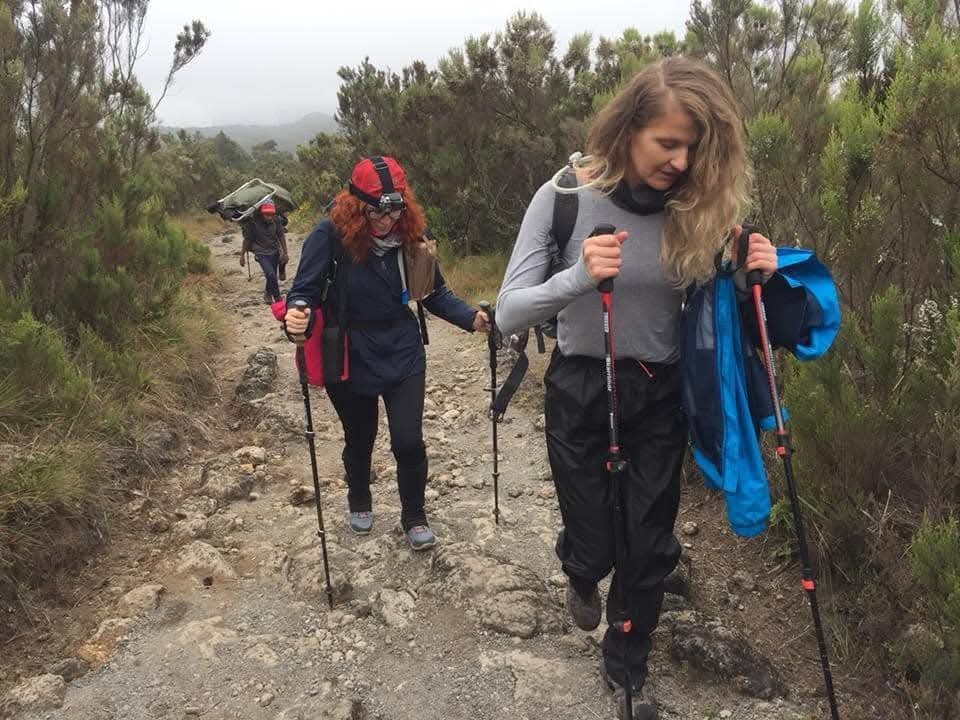
Trekking is a guided journey through natural and mountainous environments, usually involving several hours of walking each day and, for longer routes, overnight stays in mountain camps or huts.
Unlike a conventional sightseeing trip, trekking allows you to experience Tanzania’s landscapes at a slower and more immersive pace.
You will:
- Walk through changing environments
- Experience mountain scenery
- Explore forests and alpine landscapes
- Learn about local ecosystems
- Challenge yourself physically
- Experience sunrise and sunset from higher elevations
- Build unforgettable memories along the trail
Why Choose Trekking in Tanzania?
Tanzania offers some of Africa’s most remarkable trekking opportunities.
🏔️ Iconic Mountains
Experience Mount Kilimanjaro and Mount Meru.
🌿 Diverse Landscapes
Walk through forests, moorlands, alpine deserts and high-altitude environments.
🌄 Incredible Views
Enjoy spectacular mountain and landscape scenery.
💪 Personal Challenge
Push your physical and mental limits while progressing toward your goal.
🌍 Cultural Experience
Depending on the route and itinerary, trekking can introduce you to local communities and Tanzanian mountain culture.
Mount Kilimanjaro Trekking
The Roof of Africa
At 5,895 metres (19,341 feet) above sea level, Mount Kilimanjaro is Africa’s highest mountain and one of the world’s most recognizable trekking destinations.
Its appeal is not only the summit.
The journey takes trekkers through dramatically different ecological zones, creating the feeling of traveling through several worlds during one expedition.
Kilimanjaro’s Main Vegetation Zones
Cultivation Zone → Rainforest → Heath & Moorland → Alpine Desert → Arctic Summit Zone
As you climb higher, the landscape, vegetation and temperatures change dramatically.
Kilimanjaro Routes
Different routes provide different experiences.
Machame Route
Often called the “Whiskey Route,” Machame is known for its scenic landscapes and varied terrain.
It is popular with trekkers who want a challenging route with beautiful scenery.
Lemosho Route
Lemosho approaches Kilimanjaro from the western side.
It is known for:
- Beautiful scenery
- A quieter beginning
- Longer trekking options
- Gradual acclimatization opportunities
It is particularly attractive to travelers who want a more immersive mountain experience.
Marangu Route
Known as the “Coca-Cola Route,” Marangu is one of Kilimanjaro’s most established routes.
Unlike routes where trekkers sleep primarily in tents, Marangu uses mountain huts.
Rongai Route
Rongai approaches Kilimanjaro from the northern side.
It offers a different perspective of the mountain and can provide a quieter trekking experience on some itineraries.
Umbwe Route
Umbwe is known for being steep and demanding.
It is generally better suited to experienced trekkers who are comfortable with challenging terrain.
Mount Meru Trekking
Mount Meru, located near Arusha, reaches approximately 4,566 metres.
It offers an impressive mountain experience and can be a strong option for travelers who want a shorter trekking adventure.
Mount Meru combines:
- Forest
- Wildlife
- Mountain scenery
- Rocky terrain
- High-altitude landscapes
- Views toward Kilimanjaro on clear days
It can also be used as an acclimatization trek before Kilimanjaro, depending on the traveler’s itinerary and trekking plan.
What Makes Trekking Different From Hiking?
While the terms are sometimes used interchangeably, trekking generally refers to a longer and more demanding journey that can involve multiple days and overnight stays.
A trek can involve:
- Long walking days
- Variable terrain
- Changes in altitude
- Overnight camping or mountain huts
- Remote environments
- Physical and mental endurance
The difficulty depends on the mountain, route, elevation, distance and itinerary.
Trekking Experience
A typical mountain trekking day may follow a rhythm such as:
Early Morning
Wake up, have breakfast and prepare for the day’s trek.
Morning Trek
Begin walking while temperatures are generally cooler.
Lunch Break
Take a break and refuel before continuing.
Afternoon Trek
Continue toward the day’s destination.
Camp or Lodge
Arrive at the overnight location, rest and prepare for the following day.
The exact schedule varies by route and altitude.
Acclimatization
One of the most important considerations on high-altitude treks is acclimatization.
As you ascend, the air becomes thinner and your body needs time to adapt.
For this reason, trekking itineraries should be designed with appropriate altitude progression and, where possible, acclimatization opportunities.
A slower ascent can be beneficial for adaptation, although it does not eliminate the risk of altitude illness.
High-Altitude Trekking
Kilimanjaro is a high-altitude environment.
Travelers should understand that altitude-related illness can affect anyone, regardless of age or fitness.
Common warning symptoms can include:
- Headache
- Nausea
- Dizziness
- Fatigue
- Loss of appetite
- Difficulty sleeping
More serious symptoms require immediate attention.
Our trekking teams monitor trekkers throughout the journey, but trekkers should always communicate honestly with their guide if they feel unwell.
Your safety is more important than reaching the summit.
Trekking Guides
A professional mountain guide plays an essential role throughout the trek.
Your guide helps with:
- Route navigation
- Trekking pace
- Safety
- Mountain interpretation
- Weather awareness
- Acclimatization monitoring
- Camp coordination
- Communication with the support team
The guide also helps establish a pace that allows the group to manage the terrain and altitude responsibly.
Mountain Crew
Depending on the route and package, a trekking expedition may involve a support team that can include:
- Mountain guides
- Assistant guides
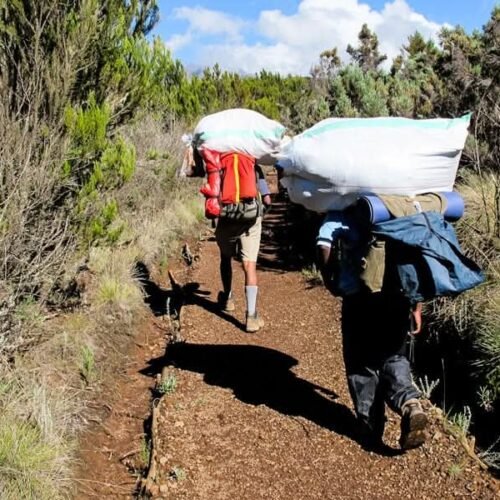
- Porters
- Cooks
- Camp staff
Their responsibilities vary according to the route and operating arrangements.
Kili2Sere Adventure believes that mountain tourism should be conducted with respect for the people who make these expeditions possible.
Trekking Accommodation
Accommodation depends on the mountain and route.
Mountain Huts
Some routes, such as Marangu, use designated mountain huts.
Mountain Camps
Other Kilimanjaro routes use camps where trekkers sleep in tents.
Lodges
Before or after the trek, travelers can stay in comfortable lodges or hotels in Arusha or Moshi.
Trekking + Safari
One of the best ways to experience Tanzania is to combine mountains with wildlife.
A popular journey can be:
Kilimanjaro Trek → Serengeti Safari → Ngorongoro → Tarangire
This allows you to experience:
🏔️ Mountains
🦁 Wildlife
🌋 Crater landscapes
🌴 Optional Zanzibar relaxation
Trekking + Zanzibar
After a physically demanding mountain adventure, Zanzibar can provide the perfect opportunity to relax.
Mountain
Kilimanjaro
↓
Safari
Serengeti / Ngorongoro
↓
Beach
Zanzibar
Spend your final days enjoying:
- Beaches
- Swimming
- Snorkeling
- Diving
- Spa treatments
- Stone Town
- Sunset cruises
Trekking for Different Travelers
First-Time Trekkers
You don’t necessarily need previous mountaineering experience for Kilimanjaro, but you should prepare physically and understand the altitude and demands of the route.
Experienced Hikers
Experienced trekkers may prefer routes with more challenging terrain or longer itineraries.
Couples
Trekking can be an unforgettable shared challenge and can be combined with a romantic safari or Zanzibar extension.
Families
Age requirements and suitability vary by mountain, route and individual fitness. Families should discuss children’s ages and trekking experience before booking.
Private Trekkers
Private trekking groups can enjoy a more personalized experience and greater flexibility within the structure of the route and mountain regulations.
Best Time for Trekking
Mount Kilimanjaro and Mount Meru can generally be climbed throughout much of the year, but conditions vary by season.
January – March
Often considered a good period for trekking, with generally favorable conditions during parts of the season.
June – October
A popular trekking period with generally drier conditions.
November – December
Short rains can occur, creating wetter trail conditions.
April – May
The long rains can make trails wetter and conditions more challenging.
Weather in the mountains can change quickly regardless of season.
What to Pack for Trekking
A proper packing list depends on the route and season, but generally includes:
Clothing
- Moisture-wicking base layers
- Fleece or warm mid-layer
- Waterproof jacket
- Trekking trousers
- Warm summit layers
- Gloves
- Hat
- Warm socks
Footwear
- Comfortable, broken-in hiking boots
- Camp shoes
- Gaiters where appropriate
Equipment
- Daypack
- Headlamp
- Trekking poles
- Water bottles or hydration system
- Sleeping bag suitable for the route and conditions
- Sunglasses
- Sunscreen
- Personal toiletries
Personal Items
- Passport
- Travel documents
- Personal medication
- Camera
- Power bank
- Small personal first-aid items
Your final packing list should follow the specific requirements provided for your trek.
Physical Preparation
You don’t need to be an elite athlete to trek Kilimanjaro, but preparation is important.
Training can include:
- Long-distance walking
- Hiking
- Stair climbing
- Cardiovascular exercise
- Strength training
- Weekend hikes
Gradually increase the duration and difficulty of your training.
The goal is to arrive at the mountain comfortable with sustained walking, rather than simply being able to perform short intense workouts.
Trekking Pace
On high-altitude routes, the philosophy is often:
Slow and Steady
A controlled pace helps conserve energy and gives the body more time to adjust to increasing altitude.
Your guide may encourage a slower pace than you are accustomed to.
That is intentional.
Summit Day
For Kilimanjaro, summit day is often the most demanding part of the expedition.
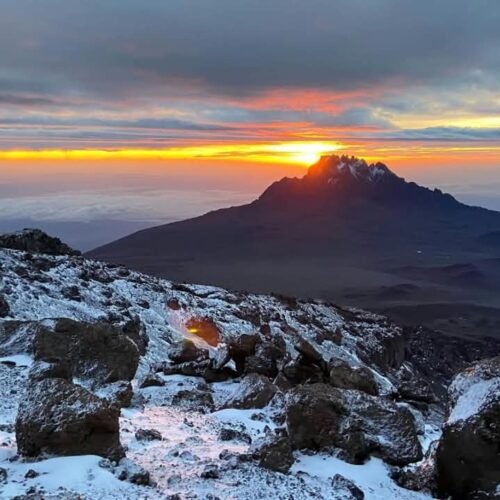
Trekkers may begin during the night to reach the summit around sunrise, depending on the route and itinerary.
The final ascent can involve:
- Cold temperatures
- Darkness
- Steep terrain
- Thin air
- Physical fatigue
Reaching the summit can be an incredibly rewarding experience, but summiting is never guaranteed.
Safety decisions always take priority over reaching the summit.
Responsible Trekking
We believe Tanzania’s mountains should be protected for future generations.
During your trek, travelers are encouraged to:
- Follow designated trails
- Avoid littering
- Carry waste appropriately
- Respect wildlife
- Respect local communities
- Follow mountain regulations
- Listen to guide instructions
- Avoid unnecessary environmental impact
A great trek should leave the mountain as beautiful as you found it.
What Is Usually Included?
Depending on the trekking package, inclusions may include:
- Professional mountain guide
- Assistant guides where applicable
- Park fees
- Mountain permits
- Camping fees where applicable
- Accommodation during the trek
- Meals during the trek
- Drinking water where specified
- Porters where applicable
- Camping equipment where specified
- Rescue/emergency support arrangements
- Pre- and post-trek accommodation where specified
- Airport transfers where specified
- Government taxes and applicable fees
Exact inclusions vary by route and package.
What Is Usually Excluded?
Depending on the package:
- International flights
- Visa fees
- Travel insurance
- Personal trekking equipment
- Tips for mountain crew
- Personal expenses
- Additional hotel nights
- Alcoholic beverages
- Personal medication
- Optional activities
- Porter services beyond the agreed arrangement
Travel insurance that specifically covers trekking and high-altitude evacuation is strongly recommended.
Frequently Asked Questions
Do I need previous trekking experience?
Not necessarily. Routes such as Kilimanjaro can be undertaken by first-time high-altitude trekkers, provided they are appropriately prepared and medically suitable.
How difficult is Kilimanjaro?
The difficulty varies by route and itinerary. The main challenges are prolonged walking, elevation gain, cold conditions and altitude.
Which Kilimanjaro route is best?
There is no single best route for everyone.
Lemosho and Machame are popular for scenery and acclimatization opportunities, while Marangu offers hut accommodation and Rongai provides a northern approach.
How many days does Kilimanjaro take?
The duration depends on the route and itinerary. Longer itineraries generally provide more time for acclimatization.
Can I climb Kilimanjaro without being a professional climber?
Yes. Kilimanjaro is primarily a trekking mountain rather than a technical mountaineering expedition on its standard routes.
Can children climb Kilimanjaro?
Age requirements and suitability must be considered carefully. Families should discuss the child’s age, experience, fitness and medical suitability before booking.
What happens if I feel sick at high altitude?
Tell your guide immediately. Altitude symptoms should never be ignored. Depending on severity, the appropriate response may include rest, descent or evacuation.
Can I turn back before reaching the summit?
Yes. You should never feel pressured to continue if your health or safety is at risk.
Is reaching the summit guaranteed?
No. Weather, altitude, health, route conditions and other factors can affect summit success.
Do I need a guide?
For regulated Kilimanjaro trekking, trekkers must use an authorized guiding arrangement. Your operator organizes the required mountain support.
Do I have to carry my own luggage?
Porter arrangements depend on the package and applicable regulations. Trekkers normally carry a small daypack while porters carry permitted equipment and luggage.
Is trekking safe?
Trekking can be conducted safely with qualified guides, proper preparation and appropriate risk management, but mountain environments always carry inherent risks.
What is the best month to climb Kilimanjaro?
The drier periods are generally popular, particularly around June–October and January–March, although conditions vary and every season has advantages and disadvantages.
Can I trek Kilimanjaro and go on safari afterward?
Absolutely. This is one of the most popular Tanzania combinations.
Can I combine Kilimanjaro with Zanzibar?
Yes. A popular extended itinerary is:
Kilimanjaro → Safari → Zanzibar.
Can I do Mount Meru instead of Kilimanjaro?
Yes. Mount Meru offers a shorter and different mountain experience and can also serve as an acclimatization option for some Kilimanjaro itineraries.
Can I trek privately?
Yes. Private trekking arrangements can be organized for individuals, couples, families and groups, subject to mountain regulations.
Your Journey Starts With One Step
Trekking Tanzania is about more than reaching a summit.
It is the sound of your boots on the trail.
The changing landscape beneath your feet.
The rainforest giving way to alpine terrain.
The sunrise appearing above the clouds.
The encouragement of your guide and fellow trekkers.
And finally, standing high above Africa, looking back at how far you’ve come.
At Kili2Sere Adventure, we don’t simply organize mountain trips—we help you prepare for a journey that challenges you, inspires you and gives you a completely different perspective of Tanzania.
Climb Higher. Explore Further. Reach Beyond Your Limits.
Ready to start your mountain adventure?
Featured
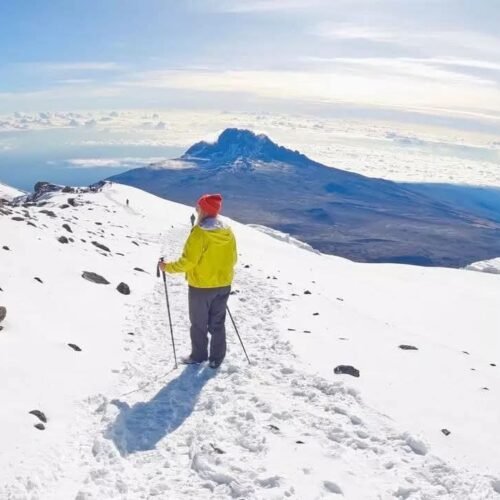
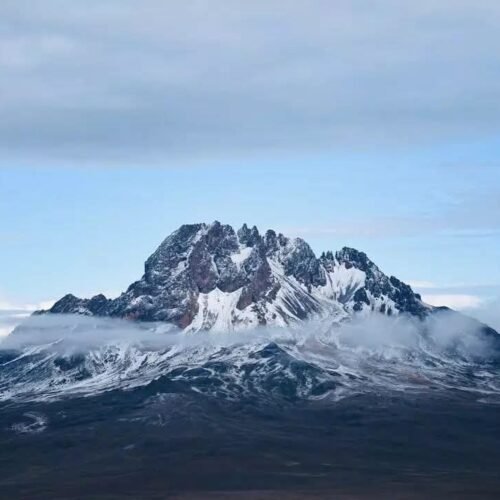
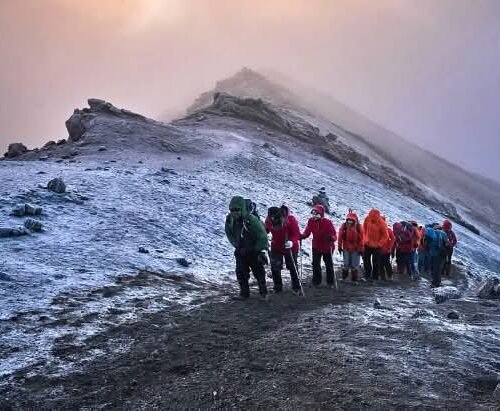
Experience the beauty and challenge of Mount Kilimanjaro on the 5 Days Marangu Route, one of the mountain's most iconic and well-established trekking routes. Often...
Duration
5 Days
$1600
Next Departures
September 1, 2026 (Available)September 2, 2026 (Available)September 3, 2026 (Available)