
- 1
- 8
- 12
- 2
Mount Kilimanjaro
Africa’s Highest Mountain & Tanzania’s Ultimate Trekking Adventure
Overview
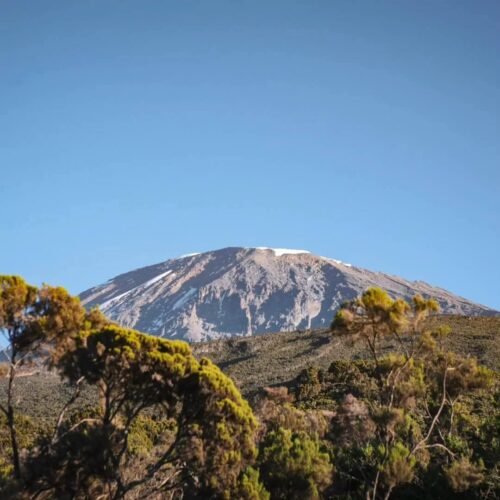
Mount Kilimanjaro is Tanzania’s most iconic mountain and one of the world’s most recognizable trekking destinations. Rising to 5,895 metres (19,341 feet) above sea level, Kilimanjaro is the highest mountain in Africa and the world’s highest free-standing mountain.
Located in northern Tanzania near the town of Moshi, Kilimanjaro attracts trekkers from around the world who come to experience its dramatic landscapes, diverse ecosystems, challenging high-altitude environment, and the unforgettable achievement of reaching Uhuru Peak, the highest point on the African continent.
Unlike many of the world’s highest mountains, Kilimanjaro does not require technical mountaineering skills for the standard trekking routes. However, reaching the summit is still a serious physical and altitude challenge that requires proper preparation, acclimatization, a professional mountain crew, and appropriate equipment.
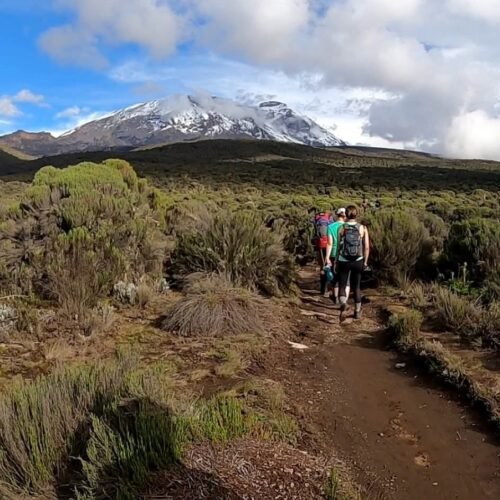
A Kilimanjaro trek is much more than climbing a mountain. As you ascend, the environment changes dramatically—from cultivated land and rainforest to moorland, alpine desert, and finally the icy summit zone.
Why Climb Mount Kilimanjaro?
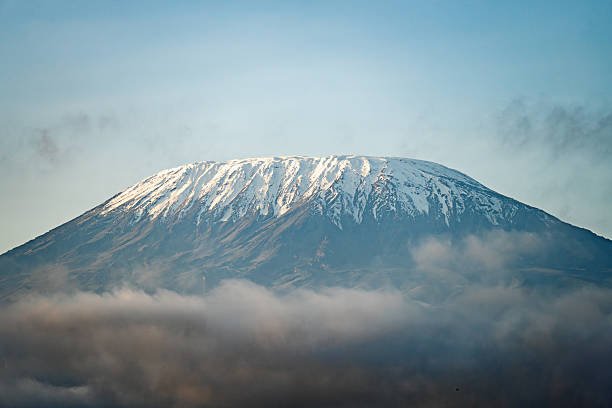
1. Reach the Roof of Africa
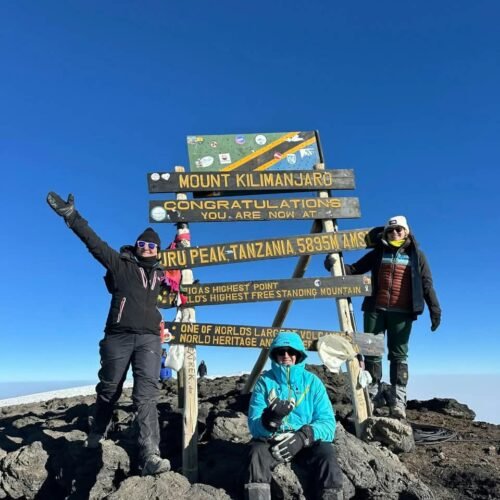
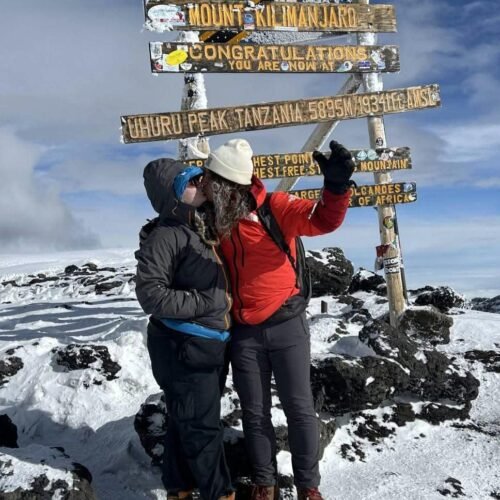
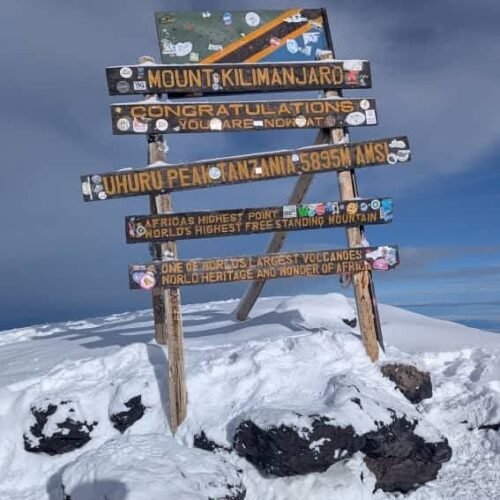
Standing at Uhuru Peak at 5,895 metres is the ultimate goal for most Kilimanjaro trekkers.
Reaching the summit means standing at the highest point in Africa and experiencing panoramic views over the surrounding landscape.
The summit moment is often one of the most rewarding experiences of a Tanzania adventure.
2. No Technical Climbing Required
One of Kilimanjaro’s unique characteristics is that the most popular routes are trekking routes rather than technical climbing routes.
You generally do not need ropes, technical climbing equipment, or previous mountaineering experience.
However, the altitude makes Kilimanjaro challenging, and preparation remains essential.
3. Five Distinct Ecological Zones
One of the most fascinating aspects of Kilimanjaro is the rapid transformation of the environment as you climb.
Cultivation Zone
The lower slopes contain agricultural areas and villages.
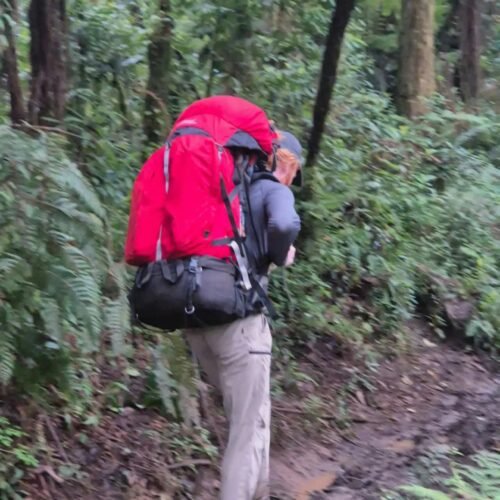
Montane Forest
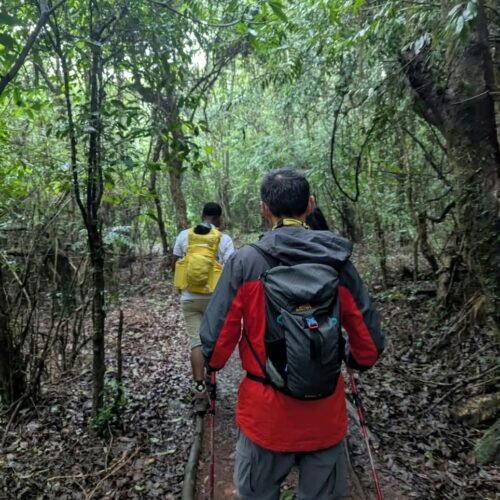
Higher up, lush rainforest provides habitat for birds, monkeys, and other wildlife.
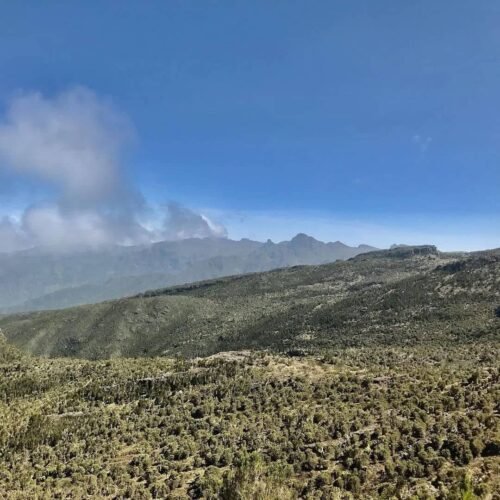
Heath & Moorland
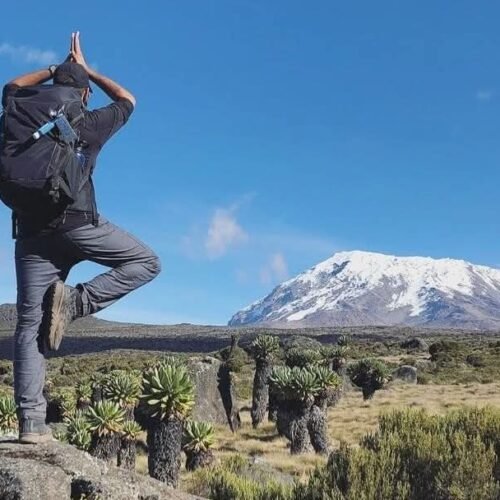
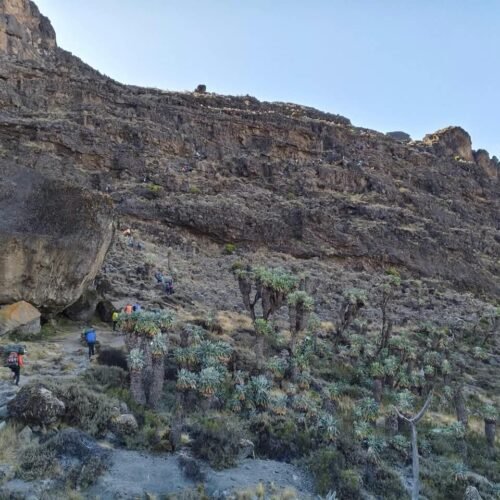
The forest gradually gives way to open vegetation, giant heathers, grasses, and volcanic landscapes.
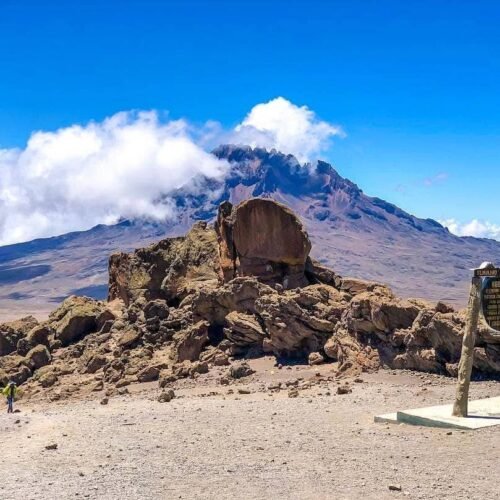
Alpine Desert
Vegetation becomes sparse as temperatures and oxygen levels change.
Arctic Zone
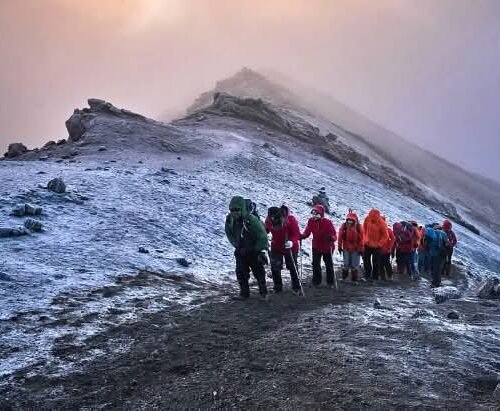
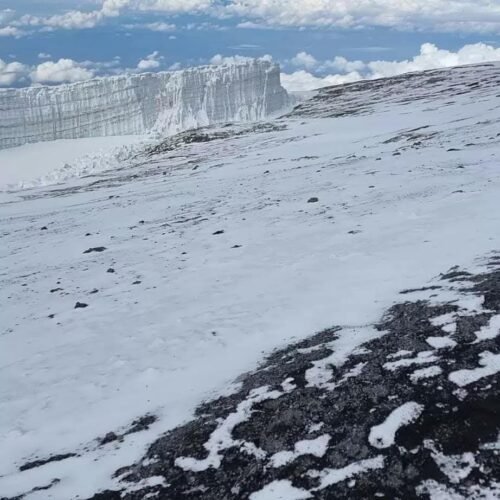
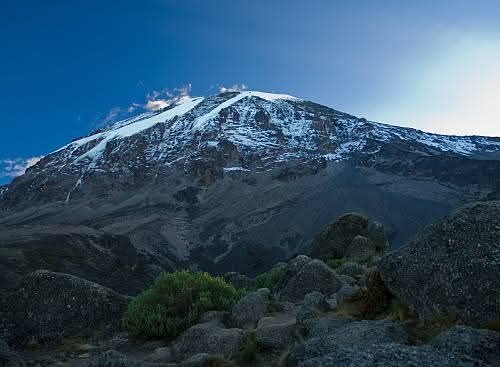
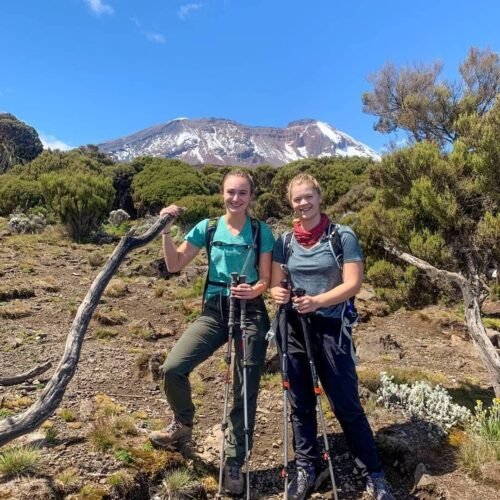
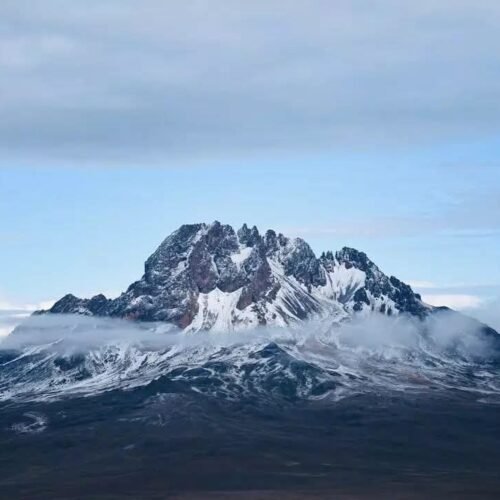
Near the summit, the environment becomes extremely cold and dry, with glaciers and volcanic rock formations.
This transition through multiple ecological zones is one of the defining features of a Kilimanjaro trek.
Uhuru Peak
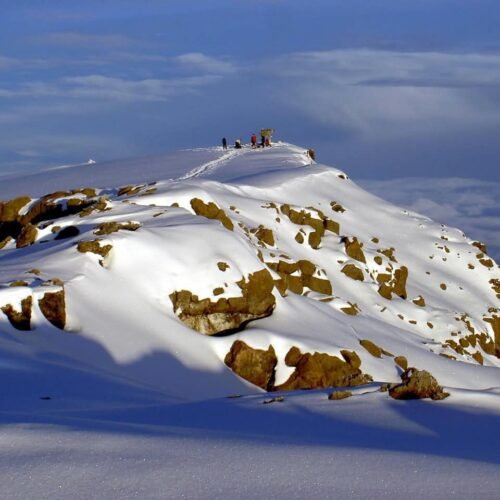
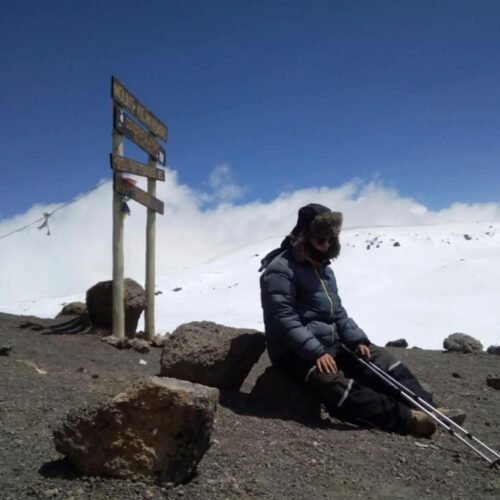
Uhuru Peak is the highest point on Mount Kilimanjaro.
The summit sits at approximately 5,895 metres (19,341 feet) above sea level.
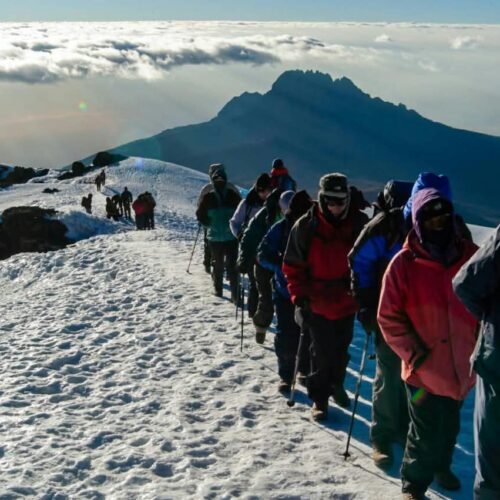
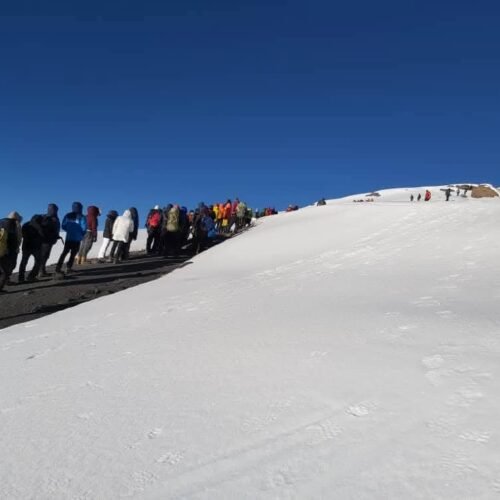
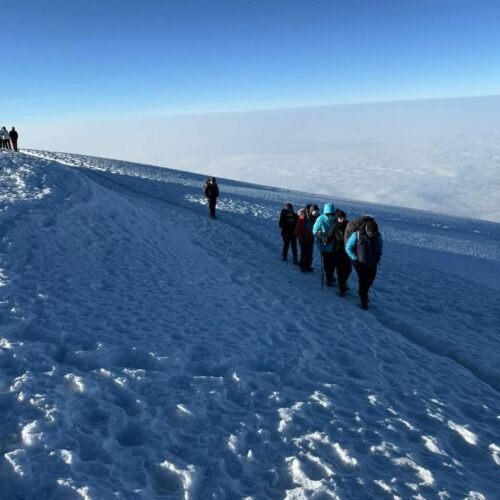
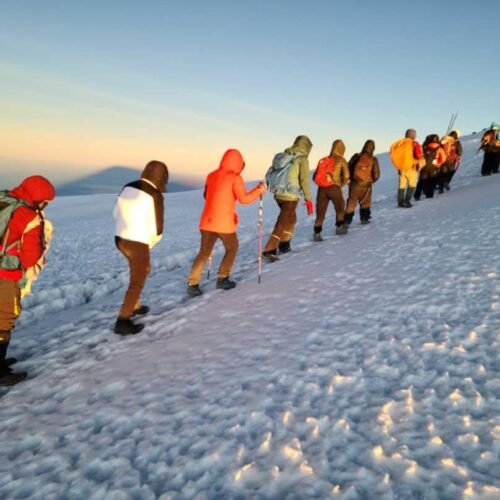
Most summit attempts begin around midnight or in the early hours of the morning.
The reason is to reach the summit around sunrise and allow trekkers to descend to lower elevations during the same day.
The summit night is usually the most physically demanding part of the trek because of:
- High altitude
- Cold temperatures
- Low oxygen levels
- Steep terrain
- Long hiking hours
- Fatigue
Reaching Uhuru Peak requires determination, pacing, and careful attention to altitude.
Kilimanjaro Routes
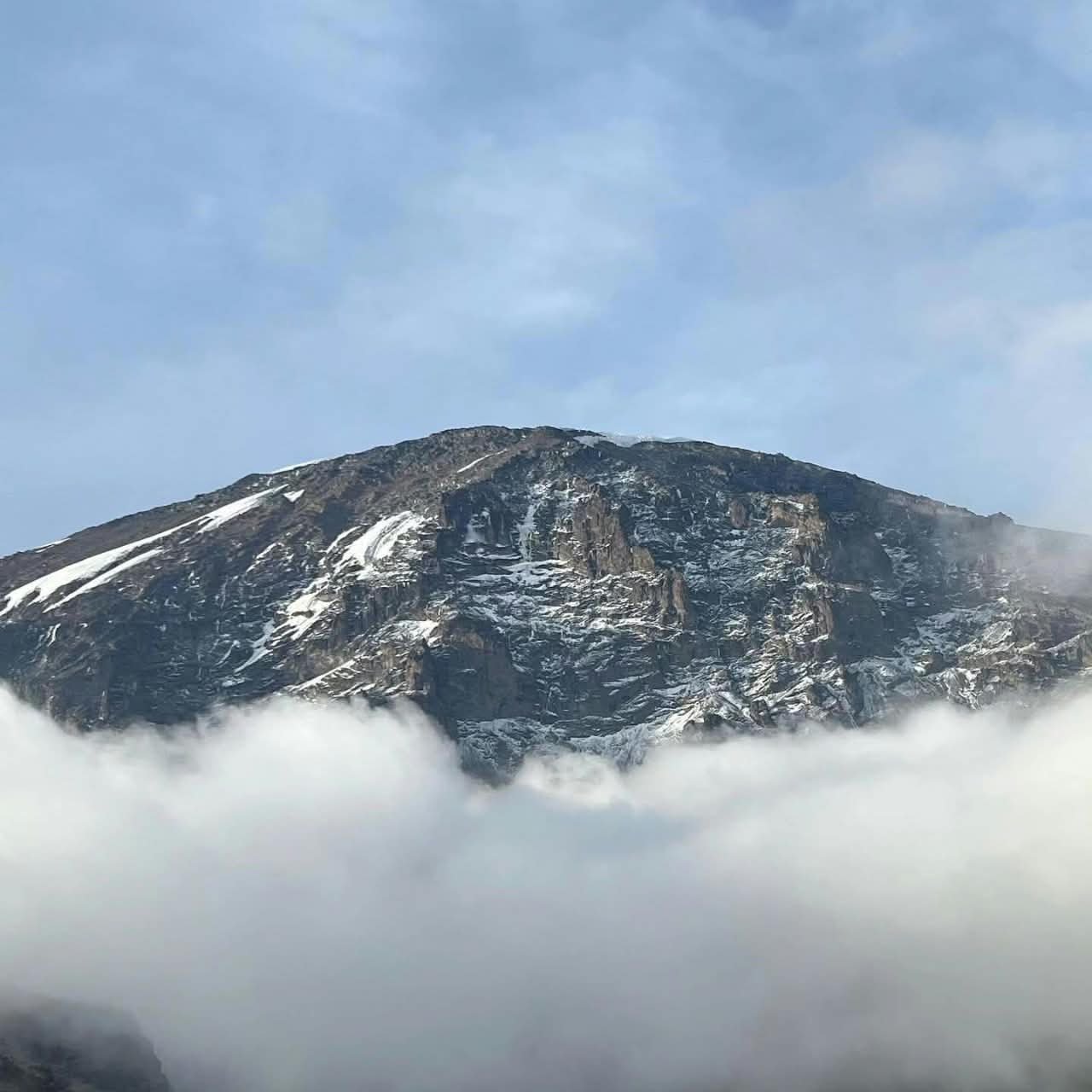
Kilimanjaro has several established trekking routes, each offering a different experience.
Machame Route
Often called the “Whiskey Route,” Machame is one of the most popular routes.
It offers beautiful scenery and a good acclimatization profile when completed over an appropriate number of days.
Typical duration:
6–7 days
Best for:
- Experienced hikers
- Scenic trekking
- Travelers seeking a popular but rewarding route
Lemosho Route
Lemosho is known for its beautiful scenery and gradual approach to the mountain.
It generally provides more time for acclimatization when completed over longer itineraries.
Typical duration:
7–8 days
Best for:
- Better acclimatization
- Scenic trekking
- Travelers wanting a more gradual ascent
Marangu Route
Known as the “Coca-Cola Route,” Marangu is one of the oldest and most established routes.
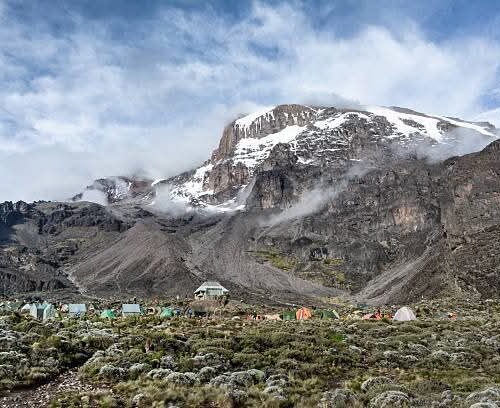
Unlike most routes, accommodation is provided in mountain huts rather than tents.
Typical duration:
5–6 days, although longer itineraries are preferable for acclimatization.
Best for:
- Travelers who prefer hut accommodation
- Those looking for a more established route
Rongai Route
Rongai approaches Kilimanjaro from the northern side near the Kenya border.
It is generally quieter than Machame and offers a different perspective of the mountain.
Typical duration:
6–7 days
Best for:
- Quieter trekking
- Northern approach
- Travelers seeking a different landscape
Northern Circuit
The Northern Circuit is one of the longest routes and takes a wide route around the mountain.
Its extended itinerary provides substantial time for acclimatization.
Typical duration:
8–9 days
Best for:
- Maximum acclimatization
- Experienced trekkers
- Travelers with enough time for a longer expedition
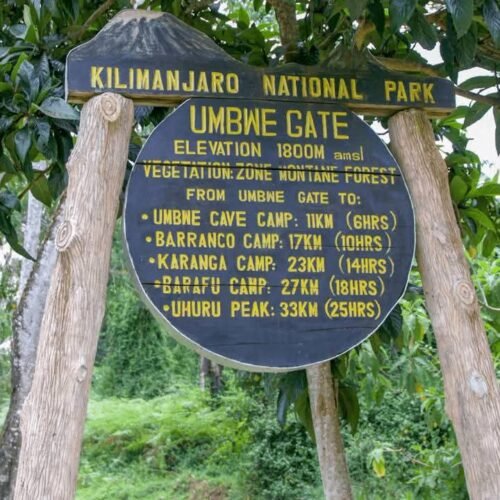
Umbwe Route
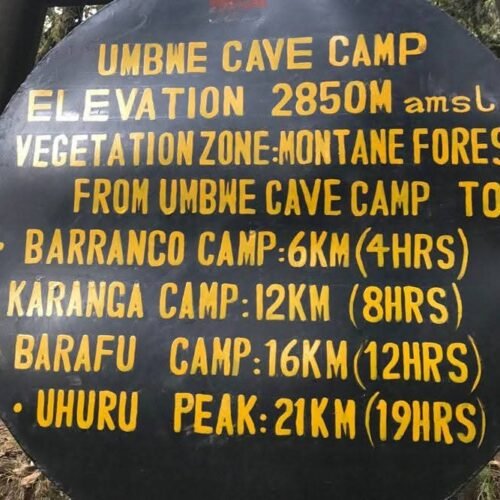
Umbwe is a steep and demanding route.
It is generally considered more challenging because of its rapid ascent and terrain.
Typical duration:
5–7 days
Best suited to experienced trekkers who understand the demands of rapid altitude gain.
Best Time to Climb Kilimanjaro
Kilimanjaro can technically be climbed throughout much of the year, but some periods generally offer more favorable trekking conditions.
January – March
This is one of the good trekking seasons.
Conditions can be relatively dry, although weather can change quickly at altitude.
June – October
This is another popular trekking period.
The weather is generally drier, and visibility can be excellent.
July through September is particularly popular.
November – December
Short rains can occur.
Treks remain possible, but hikers should be prepared for changing weather.
April – May
This is generally the wetter period.
Conditions can be more challenging because of rain, mud, and cloud cover, although experienced trekkers can still climb during this period.
How Long Does It Take to Climb Kilimanjaro?
The duration depends on the route.
Common itineraries range from approximately:
5 to 9 days
However, the shortest itinerary is not necessarily the best option.
Spending more days on the mountain generally allows your body more time to adapt to altitude.
For many trekkers, 7–8 days offers a good balance between acclimatization, experience, and time.
Altitude & Acclimatization
Altitude is one of the most important considerations when climbing Kilimanjaro.
The mountain rises from relatively low elevation to nearly 5,900 metres, meaning the body must adapt to progressively lower oxygen availability.
Possible symptoms of altitude sickness include:
- Headache
- Nausea
- Dizziness
- Fatigue
- Loss of appetite
- Shortness of breath
Serious altitude illness can be life-threatening.
That is why responsible trekking operators emphasize:
Slow ascent + proper acclimatization + experienced guides.
A trekker who develops concerning symptoms should immediately inform the mountain guide.
The guide may recommend rest, descent, or evacuation depending on the circumstances.
What Is Summit Night Like?
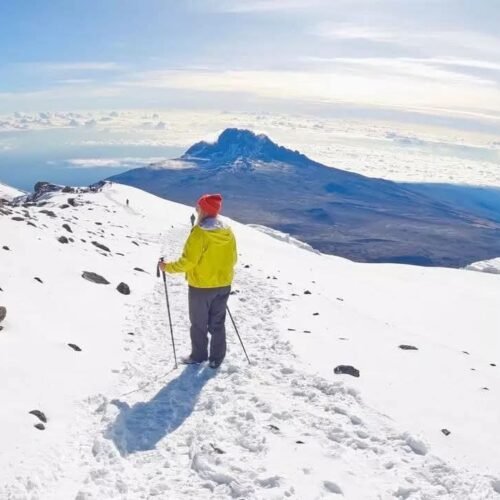
Summit night is usually the most challenging section of the entire trek.
Trekkers typically leave camp around midnight or in the early morning.
The climb is slow and steady.
You may hike for several hours through darkness before reaching Stella Point or continuing toward Uhuru Peak.
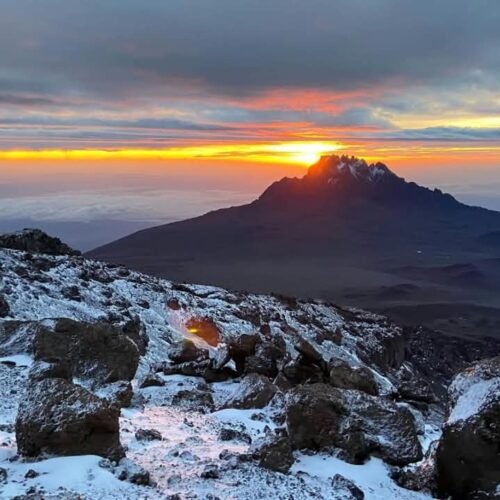
At the summit, trekkers often experience sunrise over the African landscape.
After reaching the summit, you descend to a lower camp.
The descent can be physically demanding because your legs are already tired.
Wildlife on Mount Kilimanjaro
Although Kilimanjaro is primarily a trekking destination rather than a wildlife safari destination, its lower ecosystems support various species.
Depending on the route and elevation, you may encounter:
- Colobus monkeys
- Blue monkeys
- Birds
- Small mammals
- Forest wildlife
The lower slopes contain much more biodiversity than the upper mountain.
Wildlife sightings are incidental and should not be considered the primary reason for climbing Kilimanjaro.
Kilimanjaro Scenery
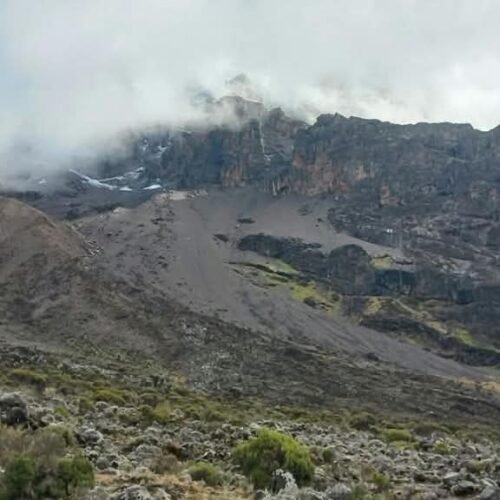
The scenery changes dramatically throughout the climb.
Trekkers may experience:
🌿 Tropical rainforest
🌾 Heath and moorland
🌋 Volcanic terrain
🏜️ Alpine desert
❄️ Summit landscapes and glaciers
The contrast between these environments is one of the reasons Kilimanjaro is such a unique trekking experience.
Things to Do Around Mount Kilimanjaro
A Kilimanjaro adventure doesn’t have to end at the mountain.
Travelers can combine their trek with:
Safari
A popular combination is:
Kilimanjaro → Tarangire → Ngorongoro → Serengeti
Cultural Experiences
Visit local communities around Moshi and learn about traditional lifestyles.
Coffee Experiences
The Kilimanjaro region is known for coffee production, and travelers can visit coffee farms and learn about traditional coffee processing.
Waterfalls
Several waterfalls around the Kilimanjaro region can be visited as part of local excursions.
Moshi Exploration
Moshi provides a convenient base before and after a Kilimanjaro trek.
Where to Stay Before & After the Trek
Most trekkers spend at least one night around Moshi before beginning their climb.
Accommodation ranges from:
- Budget hotels
- Guesthouses
- Mid-range lodges
- Boutique hotels
- Luxury lodges
A night before the trek gives you time to meet your guide, organize equipment, and prepare for the mountain.
How to Get to Mount Kilimanjaro
By Air
The most convenient international gateway is Kilimanjaro International Airport (JRO).
The airport serves the Kilimanjaro and Arusha regions.
From the airport, travelers can transfer to Moshi or Arusha depending on their itinerary.
By Road
Moshi and Arusha are connected by road to other parts of northern Tanzania.
Travelers can also combine Kilimanjaro with a Northern Circuit safari.
What to Pack for Kilimanjaro
Proper equipment is essential.
Important items include:
Clothing
- Moisture-wicking base layers
- Warm fleece
- Insulated jacket
- Waterproof jacket
- Trekking trousers
- Warm hat
- Gloves
- Thermal layers
Footwear
- Comfortable hiking boots
- Good hiking socks
- Camp footwear
Equipment
- Backpack
- Headlamp
- Water bottles or hydration system
- Trekking poles
- Sunglasses
- Sunscreen
- Personal toiletries
- Sleeping bag appropriate for cold conditions
Your operator should provide a detailed packing list before departure.
Physical Preparation
You do not necessarily need to be an elite athlete to climb Kilimanjaro.
However, you should prepare physically.
Useful training includes:
- Long-distance walking
- Hiking
- Stair climbing
- Hill walking
- Cardiovascular training
- Strength training
It is particularly useful to practice hiking for several consecutive hours while carrying a daypack.
The key is not simply speed.
Pacing and endurance are more important than rushing.
Kilimanjaro for Beginners
Yes, beginners can climb Kilimanjaro.
Previous high-altitude climbing experience is not mandatory for standard trekking routes.
However, beginners should choose an itinerary that provides sufficient time for acclimatization.
A longer route is generally preferable to attempting to reach the summit as quickly as possible.
Kilimanjaro for Couples & Honeymooners
Kilimanjaro can be combined with a romantic Tanzania itinerary.
A popular combination is:
Mount Kilimanjaro → Serengeti → Ngorongoro → Zanzibar
Couples can begin with an adventure in the mountains, continue with wildlife experiences, and finish with several relaxing days on Zanzibar’s beaches.
Kilimanjaro for Families
Family trekking is possible, but the itinerary should be carefully planned around the age, fitness, and experience of the children.
Age restrictions may also apply depending on the route, park regulations, and operator policies.
Families should discuss the trek with a reputable operator before booking.
Conservation & Responsible Trekking
Mount Kilimanjaro is an important natural and cultural landscape.
Responsible trekkers should:
- Carry out all waste
- Avoid damaging vegetation
- Stay on established trails
- Avoid disturbing wildlife
- Respect local communities
- Follow park regulations
- Use designated campsites
- Listen to mountain guides
- Avoid unnecessary environmental impact
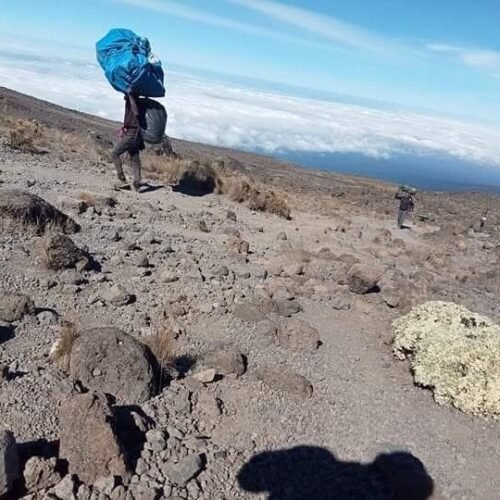
Supporting responsible operators also helps ensure that mountain crews are treated fairly and professionally.
Kilimanjaro Travel Tips
Take Your Time
Do not rush the ascent.
Listen to Your Guide
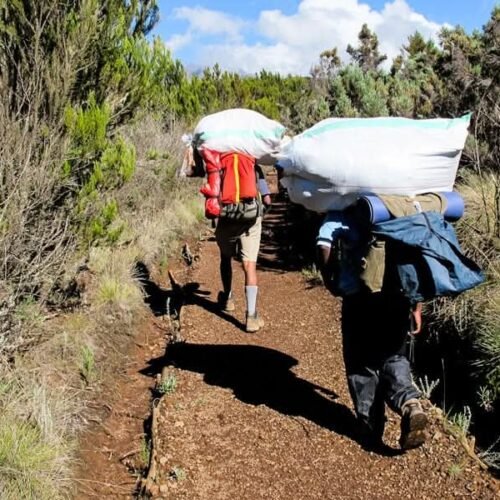
Your mountain crew has experience with altitude and changing mountain conditions.
Stay Hydrated
Drink regularly throughout the trek.
Dress in Layers
Mountain weather can change rapidly.
Protect Yourself From the Sun
UV exposure can be strong at high altitude.
Prepare for Cold
The summit can be extremely cold, particularly at night.
Choose Enough Days
Do not choose an itinerary purely because it is the cheapest or shortest.
Pack Light
Carry only what you need in your daypack; your trekking operator will explain how the rest of your luggage is handled.
Frequently Asked Questions
How high is Mount Kilimanjaro?
Mount Kilimanjaro reaches 5,895 metres (19,341 feet) above sea level.
Is Kilimanjaro the highest mountain in Africa?
Yes. Kilimanjaro is the highest mountain on the African continent.
Do I need climbing experience?
Technical climbing experience is generally not required for the standard trekking routes. Good physical preparation and appropriate acclimatization are essential.
Can a beginner climb Kilimanjaro?
Yes. Many first-time high-altitude trekkers successfully climb Kilimanjaro when they prepare properly and choose an appropriate itinerary.
What is the best route on Kilimanjaro?
There is no single best route for everyone. Lemosho, Machame, Northern Circuit, Rongai, Marangu, and Umbwe each offer different experiences.
For many travelers, Lemosho and Northern Circuit are attractive because they can provide longer acclimatization schedules.
Which Kilimanjaro route has the highest success rate?
Success rates depend heavily on itinerary length, acclimatization, weather, preparation, and individual response to altitude. In general, longer itineraries tend to provide better acclimatization opportunities.
How many days should I spend climbing Kilimanjaro?
Although routes can be completed in as little as around five days, 7–8 days or longer is often preferable for acclimatization and a more comfortable trekking experience.
When is the best time to climb Kilimanjaro?
The generally popular trekking seasons are January–March and June–October, when conditions are often drier.
Is Kilimanjaro difficult?
Yes. While it is not normally a technical climb, the altitude, cold, long hiking days, and summit night make it a serious physical challenge.
Can altitude sickness affect me?
Yes. Anyone can develop altitude illness regardless of fitness or previous hiking experience.
Can I climb Kilimanjaro without a guide?
No. Trekkers must use an authorized guide and follow the applicable national park requirements.
How cold is the summit?
Temperatures around the summit can fall well below freezing, especially during the night and early morning.
Do I sleep in tents?
It depends on the route.
Most routes use mountain tents, while Marangu Route uses mountain huts.
Can I see snow on Kilimanjaro?
Yes. Snow and ice can occur around the summit, although the mountain’s glaciers and ice fields have changed significantly over time.
Can I combine Kilimanjaro with a safari?
Absolutely. This is one of the most popular ways to experience northern Tanzania.
A classic combination is:
Kilimanjaro + Tarangire + Ngorongoro + Serengeti.
Can I combine Kilimanjaro with Zanzibar?
Yes. A mountain trek followed by a Zanzibar beach holiday creates an excellent Tanzania adventure.
Is Kilimanjaro suitable for honeymooners?
Yes. Couples can combine the trek with luxury safari experiences and a relaxing Zanzibar beach stay.
What happens if I cannot reach the summit?
Your guide will assess your condition and prioritize your safety. Depending on the situation, you may be advised to descend to a lower altitude.
Reaching the summit is never more important than your health and safety.
Experience Mount Kilimanjaro With Kili2Sere Adventure
From the lush rainforest at the mountain’s base to the dramatic alpine landscape surrounding Uhuru Peak, a Kilimanjaro trek is an adventure that takes you through some of Tanzania’s most remarkable environments.
At Kili2Sere Adventure, we can organize Kilimanjaro experiences around your preferred route, number of trekking days, accommodation style, fitness level, and overall Tanzania travel plans.
Whether you’re a first-time trekker, experienced hiker, couple, family, or adventure traveler, we can help you plan a responsible and memorable climb.
Climb Higher. Go Further. Reach Uhuru Peak.
Explore Mount Kilimanjaro with Kili2Sere Adventure and begin your journey to the Roof of Africa.
Featured
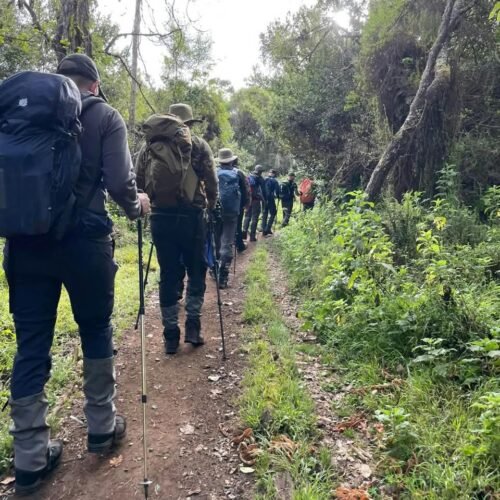
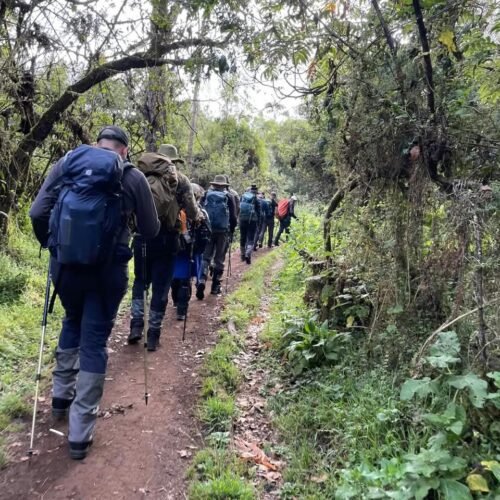
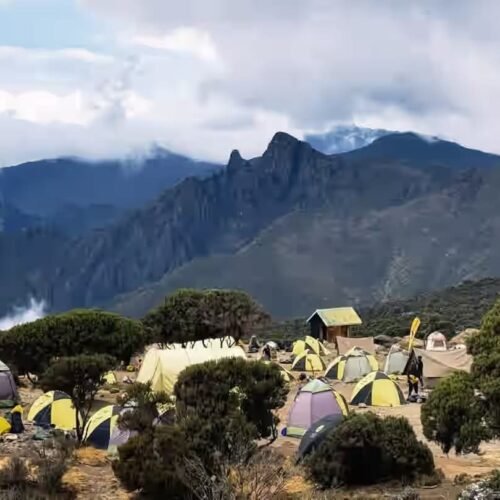
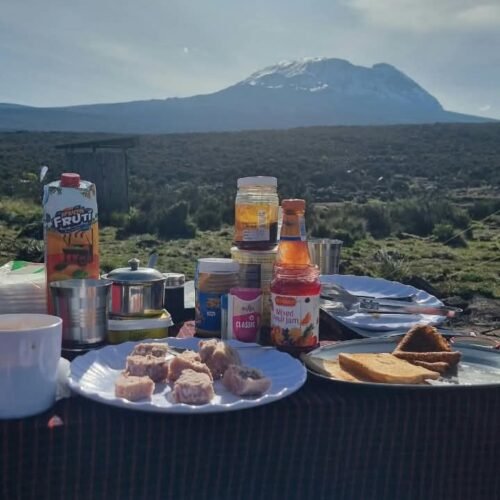
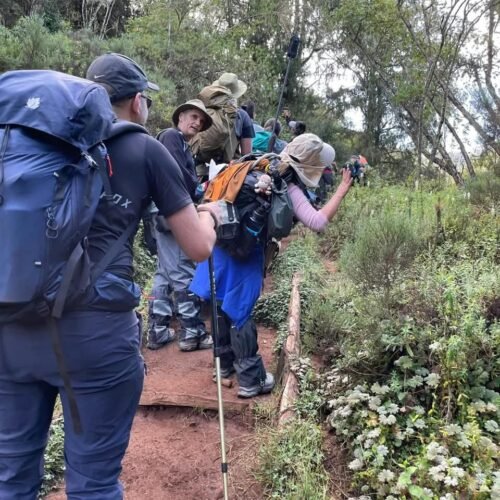
Embark on the ultimate Kilimanjaro trekking experience with the 9 Days Northern Circuit Route, the longest and one of the most scenic routes to the...
Duration
9 Days
$2550
Next Departures
October 16, 2026 (Available)October 17, 2026 (Available)October 18, 2026 (Available)
Featured
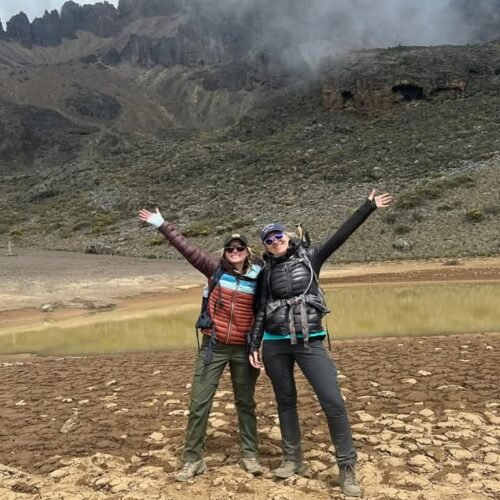
Experience the ultimate Kilimanjaro trekking adventure on the 8 Days Lemosho Route, one of the most scenic and well-paced ways to climb Africa's highest mountain....
Duration
8 Days
$2150
Next Departures
October 16, 2026 (Available)October 17, 2026 (Available)October 18, 2026 (Available)
Featured
Discover a quieter and more remote side of Mount Kilimanjaro on the 7 Days Rongai Route, a scenic trekking adventure that approaches Africa's highest mountain...
Duration
7 Days
$1950
Next Departures
October 16, 2026 (Available)October 17, 2026 (Available)October 18, 2026 (Available)
Featured
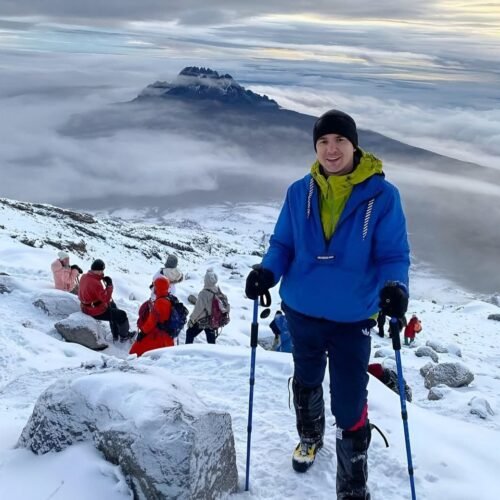
Experience one of the most scenic and rewarding ways to climb Mount Kilimanjaro on the 7 Days Lemosho Route. Approaching the mountain from the western...
Duration
7 Days
$1950
Next Departures
October 16, 2026 (Available)October 17, 2026 (Available)October 18, 2026 (Available)
Featured
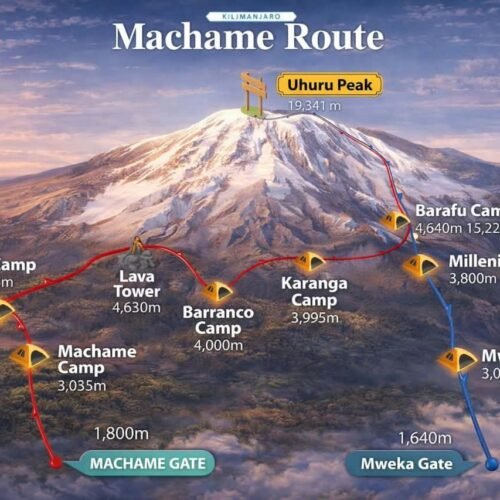
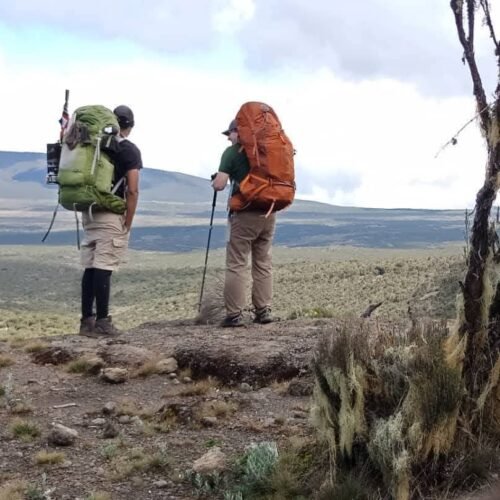
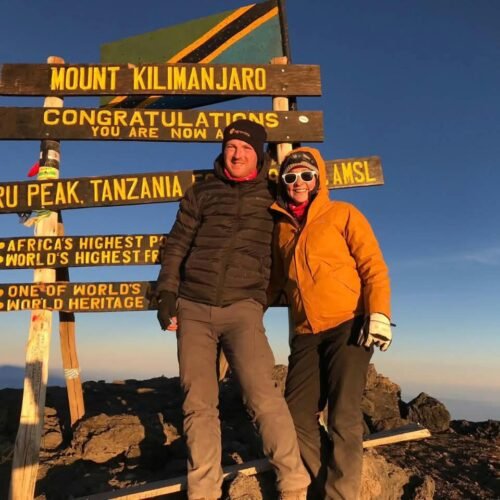
Experience the beauty and challenge of Mount Kilimanjaro on the 7 Days Machame Route, one of the most scenic and rewarding ways to reach the...
Duration
7 Days
$1950
Next Departures
October 16, 2026 (Available)October 17, 2026 (Available)October 18, 2026 (Available)
Featured
Experience one of the most scenic and popular ways to climb Mount Kilimanjaro on the 6 Days Machame Route. Often known as the “Whiskey Route,”...
Duration
6 Days
$1850
Next Departures
October 16, 2026 (Available)October 17, 2026 (Available)October 18, 2026 (Available)
Featured
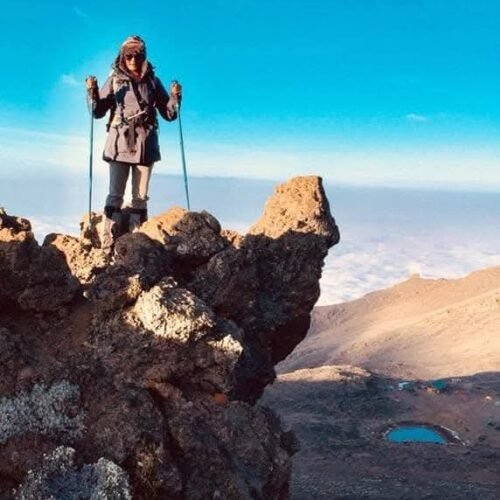
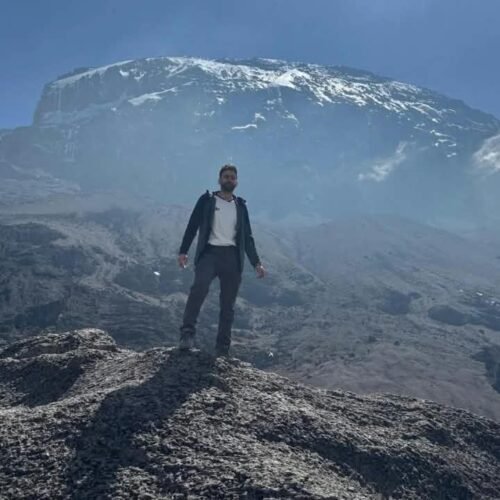
Discover a quieter and more remote side of Mount Kilimanjaro on the 6 Days Rongai Route, a scenic trekking adventure that approaches Africa's highest mountain...
Duration
6 Days
$1850
Next Departures
October 16, 2026 (Available)October 17, 2026 (Available)October 18, 2026 (Available)
Featured
Experience Mount Kilimanjaro on the 6 Days Umbwe Route, one of the mountain's most scenic, direct and physically demanding trekking routes. Known for its steep...
Duration
6 Days
$1850
Next Departures
October 16, 2026 (Available)October 17, 2026 (Available)October 18, 2026 (Available)
Featured
Take on the legendary Mount Kilimanjaro via the 6 Days Marangu Route, one of the mountain's most established and historic trekking routes. Known as the...
Duration
6 Days
$1850
Next Departures
October 16, 2026 (Available)October 17, 2026 (Available)October 18, 2026 (Available)
Featured
Take on one of Mount Kilimanjaro's most challenging and dramatic trekking routes with the 5 Days Umbwe Route. Known for its steep trails, rapid ascent...
Duration
5 Days
$1600
Next Departures
October 16, 2026 (Available)October 17, 2026 (Available)October 18, 2026 (Available)
Featured
Take on Mount Kilimanjaro from a quieter and less-traveled side of the mountain with the 5 Days Rongai Route. Approaching Kilimanjaro from the northern slopes...
Duration
5 Days
$1600
Next Departures
October 16, 2026 (Available)October 17, 2026 (Available)October 18, 2026 (Available)
Featured
Experience the beauty and challenge of Mount Kilimanjaro on the 5 Days Marangu Route, one of the mountain's most iconic and well-established trekking routes. Often...
Duration
5 Days
$1600
Next Departures
October 16, 2026 (Available)October 17, 2026 (Available)October 18, 2026 (Available)