
- 1
- 8
- 12
- 2
Arusha national park
Arusha National Park
A Hidden Gem of Wildlife, Forests & Mount Meru
Overview
Arusha National Park is one of Tanzania’s most diverse and easily accessible national parks, located just outside Arusha, the gateway to the country’s Northern Safari Circuit.
Although it is considerably smaller than Serengeti or Tarangire, the park offers an impressive variety of landscapes within a relatively compact area. Visitors can experience montane forests, open savannah, crater landscapes, lakes, wetlands, and the slopes of Mount Meru all within the same destination.
The park is especially known for its beautiful scenery, Mount Meru, giraffes, buffaloes, zebras, colobus monkeys, abundant birdlife, and opportunities for guided walking and canoeing in designated areas.
Because of its proximity to Arusha, it is an excellent destination for day trips, short safaris, walking adventures, families, photographers, and travelers preparing for or recovering from a Mount Kilimanjaro trek.
Why Visit Arusha National Park?
1. Mount Meru
The park surrounds much of Mount Meru, Tanzania’s second-highest mountain at approximately 4,566 metres.
The mountain dominates the landscape and provides a spectacular backdrop during game drives and walks.
For travelers interested in trekking, Mount Meru offers a challenging alternative to Kilimanjaro and can also be used as an acclimatization experience before a Kilimanjaro climb.
2. Incredible Landscape Diversity
One of Arusha National Park’s biggest advantages is the variety of environments packed into a relatively small area.
You can experience:
- Montane rainforest
- Open grasslands
- Acacia woodland
- Crater landscapes
- Lakes
- Marshes
- Volcanic terrain
- Mountain slopes
This makes the park particularly attractive to travelers who want more than a traditional vehicle-based safari.
Mount Meru
Mount Meru is the dominant geographical feature of Arusha National Park.
At 4,566 metres, it is one of Africa’s significant volcanic mountains.
The mountain’s distinctive horseshoe-shaped crater and dramatic cliffs create spectacular scenery.
A Mount Meru trek typically takes several days and provides opportunities to experience:
- Montane forest
- Moorland
- Alpine vegetation
- Volcanic landscapes
- High-altitude environments
- Panoramic views
On clear days, Mount Kilimanjaro may also be visible from parts of the park and mountain.
Wildlife in Arusha National Park
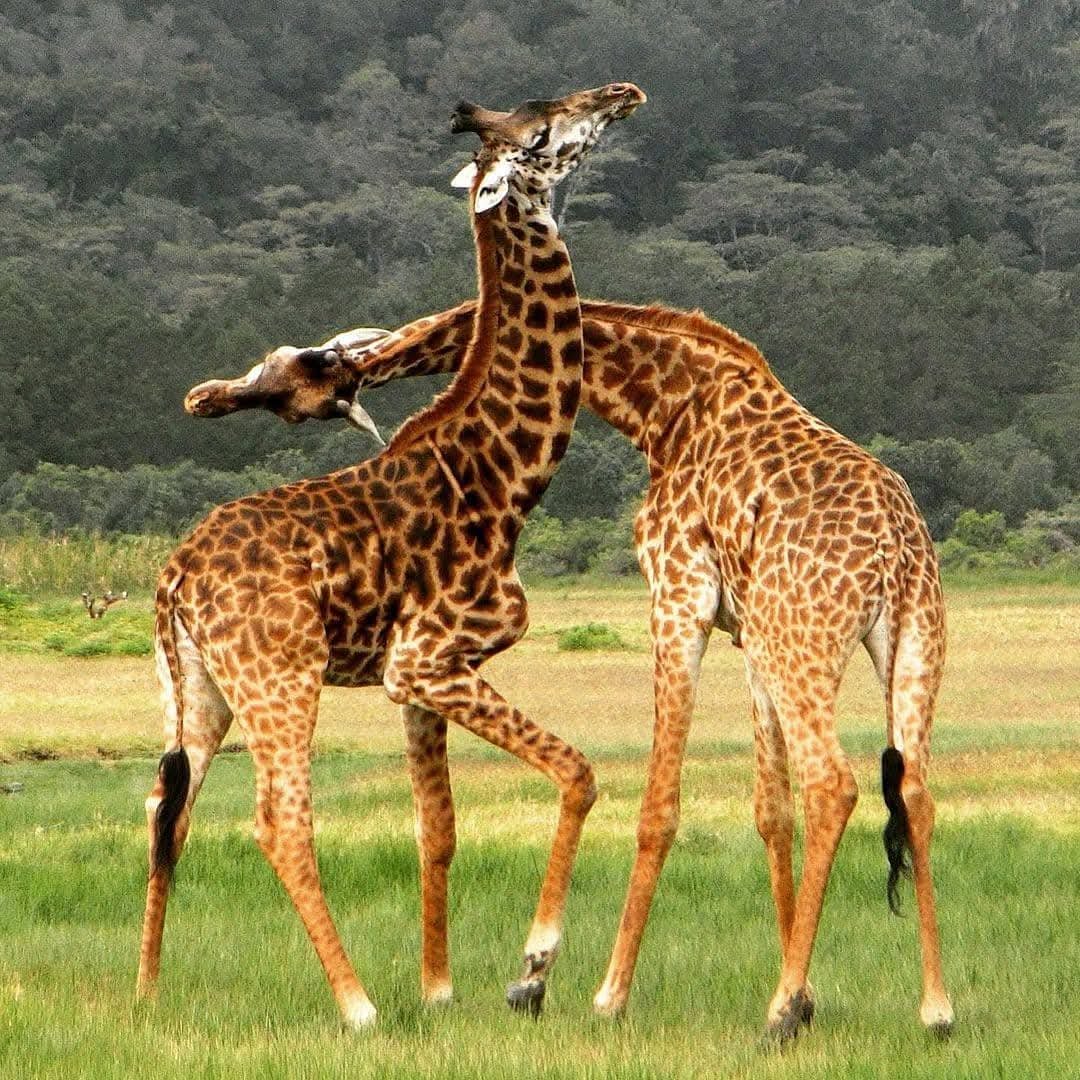
Arusha National Park supports a variety of wildlife despite its relatively small size.
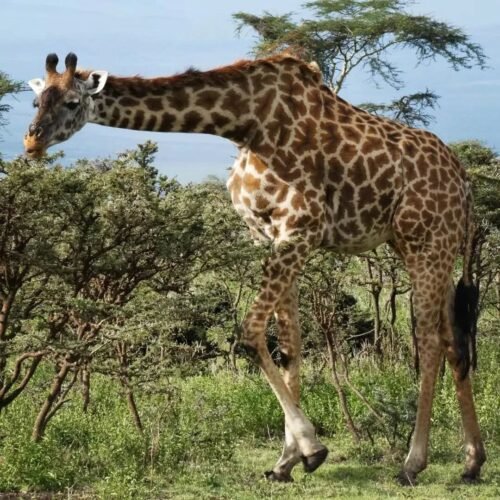
Giraffes
Giraffes are one of the most frequently encountered large animals in the park.
They are often seen against the backdrop of Mount Meru, creating excellent photography opportunities.
Buffaloes
Large buffaloes can be encountered in grassland and wetland areas.
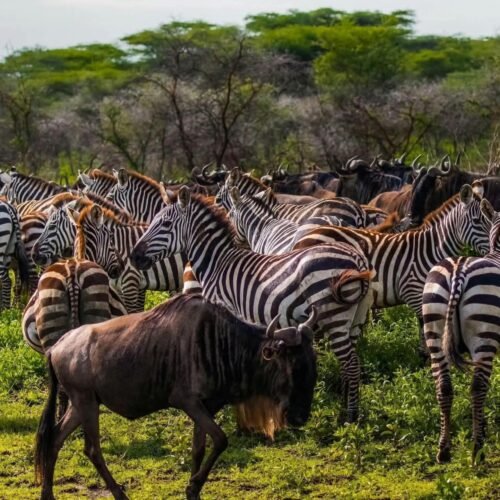
Zebras
Zebra are commonly seen grazing in the park’s open areas.
Warthogs
Warthogs can often be spotted feeding in grasslands.
Elephants
Elephants occur in the park, although sightings are less predictable than in destinations such as Tarangire.
Leopards
Leopards are present but elusive and are rarely guaranteed during a short visit.
Lions
Lions occur in the park but are not the main attraction, and sightings are less predictable than in Serengeti or Ngorongoro.
Colobus Monkeys
The park’s forested areas provide habitat for black-and-white colobus monkeys, which are particularly interesting for visitors exploring the forest.
Blue Monkeys
Blue monkeys can also be found within the forest ecosystem.
Birdlife
Arusha National Park is an excellent destination for birdwatching.
The combination of forests, lakes, wetlands, and grasslands supports a wide variety of species.
Visitors may encounter:
- Flamingos
- Pelicans
- Herons
- Egrets
- African fish eagles
- Hornbills
- Turacos
- Sunbirds
- Storks
- Kingfishers
- Various raptors
- Forest birds
Birdwatching can be particularly rewarding during the wetter and greener periods.
Momella Lakes
The Momella Lakes are among the park’s most scenic features.
These shallow lakes are surrounded by grassland and wildlife habitat.
Different lakes can vary in color and appearance depending on their mineral composition, water levels, algae, and seasonal conditions.
The lakes can attract:
- Flamingos
- Buffaloes
- Giraffes
- Zebras
- Waterbirds
The surrounding scenery, with Mount Meru rising in the background, creates spectacular photographic opportunities.
Ngurdoto Crater
Another major attraction is Ngurdoto Crater, a volcanic caldera surrounded by forest.
The crater floor contains grassland and wetland habitats that support wildlife.
Visitors normally view the crater from designated viewpoints along its rim rather than driving onto the crater floor.
The combination of the forested crater walls and wildlife-rich floor creates one of the park’s most impressive landscapes.
Things to Do in Arusha National Park

1. Game Drives
Game drives allow visitors to explore the park’s grasslands, woodland, lakes, and crater areas.
Because the park is relatively compact, it is possible to experience several different landscapes during one excursion.
2. Walking Safari
One of the biggest advantages of Arusha National Park is the opportunity for guided walking experiences in designated areas.
Walking allows you to experience the environment differently from a vehicle.
You can focus on:
- Animal tracks
- Birds
- Plants
- Insects
- Smaller wildlife
- Forest sounds
- Geological features
Walking must always be conducted with an authorized guide and according to park regulations.
3. Canoeing
Canoeing may be available on selected areas of the Momella Lakes, depending on current conditions and regulations.
This provides a completely different perspective of the park.
From the water, you may observe:
- Buffaloes
- Giraffes
- Waterbirds
- Flamingos
- Other wildlife around the lake
4. Mount Meru Trekking
For adventure travelers, climbing Mount Meru is one of the park’s major experiences.
The trek takes you through several ecological zones and provides spectacular mountain scenery.
5. Birdwatching
The park’s diverse habitats make it particularly attractive to bird lovers.
6. Photography
Arusha National Park is an excellent destination for landscape photography.
Some of the most memorable subjects include:
- Mount Meru
- Giraffes
- Momella Lakes
- Flamingos
- Ngurdoto Crater
- Colobus monkeys
- Forest landscapes
Best Time to Visit Arusha National Park
The park can be visited throughout the year.
June – October
The dry season generally provides comfortable weather and good conditions for game drives and walking.
Visibility can also be excellent.
November – December
The short rains can bring fresh vegetation and greener landscapes.
Birdwatching can be particularly rewarding.
January – March
The landscape can remain green and attractive.
This period can provide excellent conditions for photography and birdwatching.
April – May
The long rains can produce lush scenery but wetter conditions.
Visitor numbers may be lower, making this an appealing period for travelers who prefer quieter experiences.
Some trails and roads may become more challenging depending on rainfall.
Where to Stay
Because Arusha National Park is close to Arusha, visitors have a wide range of accommodation choices.
Budget
- Guesthouses
- Budget hotels
- Campsites
Mid-Range
- Safari lodges
- Boutique hotels
- Tented camps
Luxury
- Luxury lodges
- Exclusive retreats
- High-end tented accommodation
You can stay in Arusha and visit the park as a day trip, or choose accommodation closer to the park for a more immersive experience.
How to Get to Arusha National Park
By Road
The park is easily accessible from Arusha.
Depending on your starting point and entrance, the drive can take approximately 1–2 hours.
This makes it one of Tanzania’s most convenient national parks for a day excursion.
By Air
Travelers arriving through Kilimanjaro International Airport can transfer to Arusha before continuing to the park.
Because of the park’s proximity to Arusha, road transfers are usually the practical option.
How Many Days Should You Spend in Arusha National Park?
One Day
A full-day excursion can include game drives and scenic areas such as Momella Lakes and Ngurdoto Crater.
Two Days
Two days allow a slower pace and additional opportunities for walking, canoeing, or wildlife viewing.
3–4 Days
Ideal for travelers interested in a Mount Meru trekking experience.
Arusha National Park for Families
Arusha National Park can be an excellent family destination because of its accessibility and variety of activities.
Children can experience:
- Giraffes
- Zebras
- Monkeys
- Birds
- Lakes
- Forests
- Crater landscapes
Depending on age and park regulations, families may also enjoy selected guided walking or canoeing experiences.
Arusha National Park for Honeymooners
The park can be a beautiful addition to a romantic Tanzania itinerary.
Couples can enjoy:
- Private game drives
- Scenic viewpoints
- Canoeing
- Nature walks
- Luxury accommodation
- Mount Meru views
It also works well as the beginning of a longer safari journey.
Arusha National Park for Photographers
Few places in northern Tanzania offer such a combination of mountain scenery and wildlife within such a compact area.
Photographers can capture:
- Giraffes with Mount Meru
- Flamingos on Momella Lakes
- Buffaloes
- Zebras
- Forest monkeys
- Crater landscapes
- Mountain scenery
- Birds
Early morning often provides particularly beautiful light and clearer mountain views.
Arusha National Park & Kilimanjaro
Arusha National Park is particularly relevant for travelers planning a Kilimanjaro adventure.
Some travelers choose to visit the park before or after their trek.
Others combine their Tanzania trip as:
Arusha National Park → Mount Kilimanjaro → Safari → Zanzibar
This creates a complete combination of wildlife, trekking, and beach experiences.
Conservation & Responsible Tourism
Arusha National Park protects an important combination of mountain, forest, wetland, and wildlife ecosystems.
Visitors should:
- Follow park regulations
- Maintain a safe distance from wildlife
- Never feed animals
- Avoid littering
- Stay on designated routes
- Respect wildlife
- Follow their guide’s instructions
- Avoid disturbing birds and other animals
- Respect local communities
Responsible tourism helps preserve the park’s natural environment for future generations.
Arusha National Park Travel Tips
Start Early
Morning game drives often provide cooler conditions and good opportunities for wildlife viewing.
Bring Binoculars
Especially useful for birdwatching.
Carry a Camera
Mount Meru and the park’s lakes create excellent photographic backgrounds.
Wear Comfortable Shoes
Particularly important if you plan to participate in walking activities.
Bring Layers
Temperatures can change considerably between morning and afternoon.
Bring Sun Protection
Sunscreen, sunglasses, and a hat are recommended.
Follow Your Guide
Wildlife and walking activities should always be approached safely and responsibly.
Frequently Asked Questions
What is Arusha National Park famous for?
It is particularly known for Mount Meru, Momella Lakes, Ngurdoto Crater, giraffes, colobus monkeys, birdlife, and walking safaris.
Is Arusha National Park worth visiting?
Yes. Its combination of wildlife, forests, lakes, mountains, and walking experiences makes it very different from the larger safari parks.
How far is Arusha National Park from Arusha city?
Depending on the entrance and exact starting point, the journey can generally take around 1–2 hours.
Can I visit Arusha National Park in one day?
Yes. A full-day trip is a popular way to experience the park.
Can I see the Big Five?
The park contains some Big Five species, but it is not primarily a Big Five destination. Travelers specifically seeking the best Big Five opportunities should consider destinations such as Serengeti and Ngorongoro.
Can I see elephants?
Yes, elephants occur in the park, although sightings are less predictable than in Tarangire.
Can I see lions?
Lions are present, but sightings are not guaranteed and they are not the park’s main attraction.
Can I see giraffes?
Yes. Giraffes are among the animals frequently associated with Arusha National Park.
Can I see colobus monkeys?
Yes. The forested areas provide habitat for black-and-white colobus monkeys.
Can I go on a walking safari?
Yes, guided walking experiences are available in designated areas under park regulations.
Can I go canoeing?
Canoeing may be available on selected Momella Lakes depending on conditions and current regulations.
Can I climb Mount Meru from the park?
Yes. Mount Meru trekking is one of the park’s major adventure experiences.
Is Arusha National Park good for families?
Yes. Its accessibility and variety of activities make it suitable for many family itineraries.
Is Arusha National Park good for honeymooners?
Yes. Private wildlife experiences, scenic landscapes, canoeing, and mountain views can make it a romantic addition to a Tanzania itinerary.
Can I combine Arusha National Park with Kilimanjaro?
Absolutely. The two destinations work particularly well together for travelers interested in trekking and wildlife.
Can I combine Arusha National Park with Serengeti?
Yes. A longer Northern Circuit itinerary can include:
Arusha National Park → Tarangire → Ngorongoro → Serengeti.
When is the best time to visit?
June to October generally offers favorable dry-season conditions, while the greener months can be particularly attractive for scenery and birdwatching.
Is Arusha National Park open all year?
The park can be visited throughout the year, although weather and road conditions vary seasonally.
Experience Arusha National Park With Kili2Sere Adventure
From the slopes of Mount Meru to the wildlife-filled grasslands surrounding Momella Lakes, Arusha National Park offers an intimate introduction to Tanzania’s extraordinary natural diversity.
At Kili2Sere Adventure, we can organize Arusha National Park experiences ranging from short day trips to multi-day adventures combining Mount Meru, Kilimanjaro, Northern Circuit safaris, and Zanzibar.
Whether you’re looking for a private safari, family adventure, honeymoon experience, budget trip, or luxury Tanzania holiday, we can build an itinerary around your interests.
Where Mountain Meets Wildlife
Explore Arusha National Park with Kili2Sere Adventure and discover one of northern Tanzania’s most diverse hidden gems.
Escape the city and discover the natural beauty of Arusha National Park on a full-day adventure through one of Tanzania's most diverse protected areas. Located...
Duration
1 Day
$600
Next Departures
October 16, 2026 (Available)October 17, 2026 (Available)October 18, 2026 (Available)