DISCOVER MOUNT KILIMANJARO

5,895 m

Africa’s Highest Peak

7+ Climbing Options

Located in Tanzania

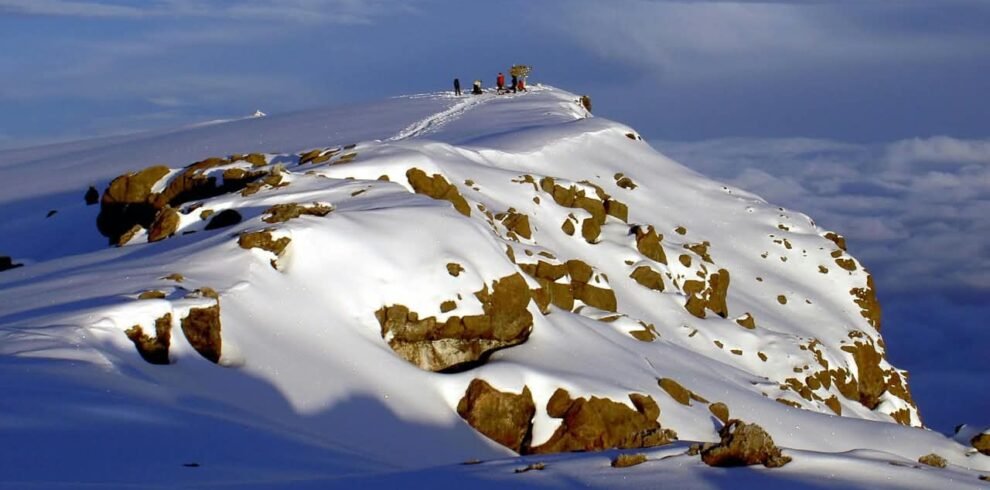
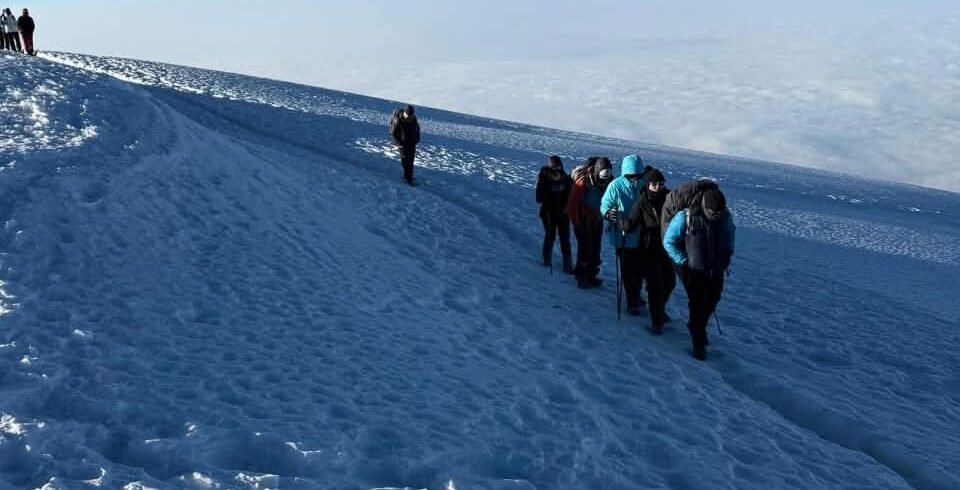
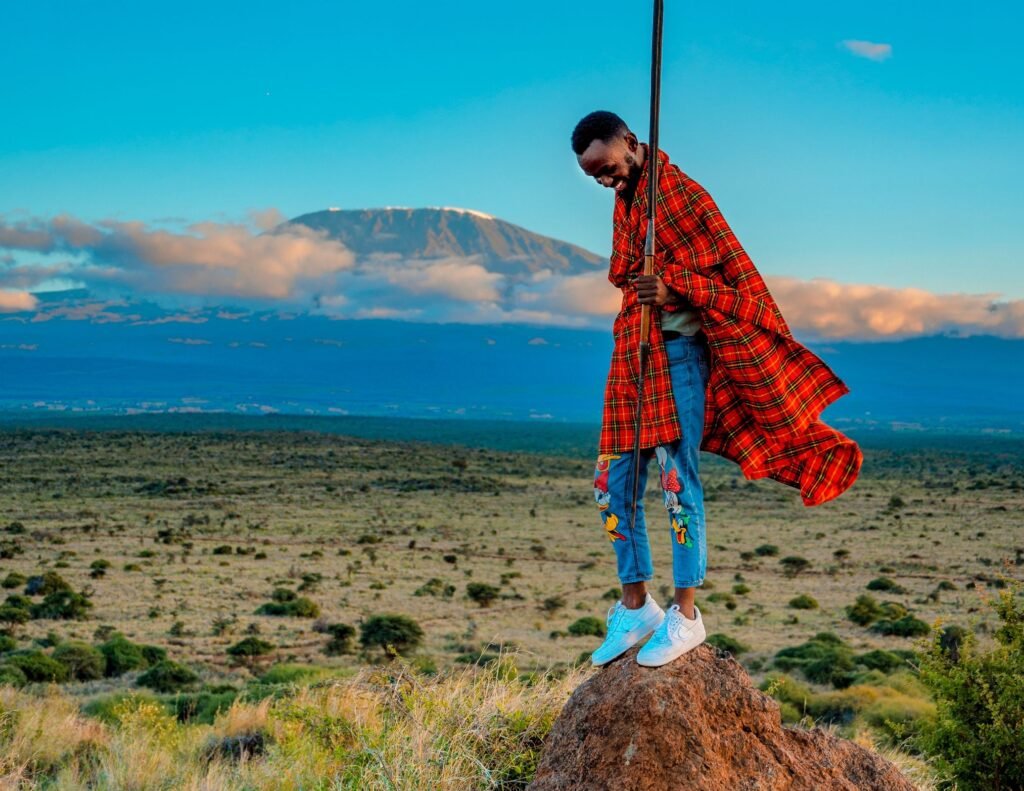
Rising above the plains of northern Tanzania, Mount Kilimanjaro is one of the world’s most iconic natural landmarks and the highest mountain in Africa. Standing at 5,895 meters (19,341 feet), it attracts adventurers from around the world who dream of experiencing its extraordinary landscapes and reaching the legendary summit of Uhuru Peak.

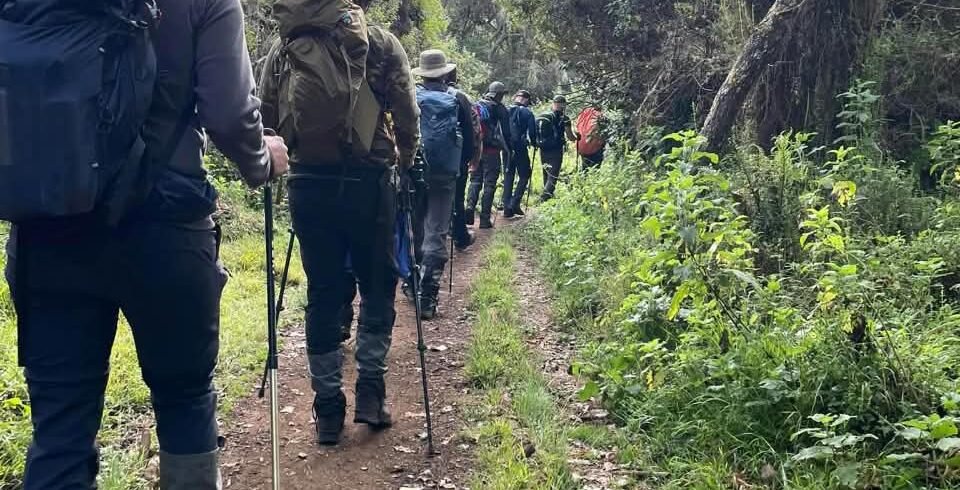
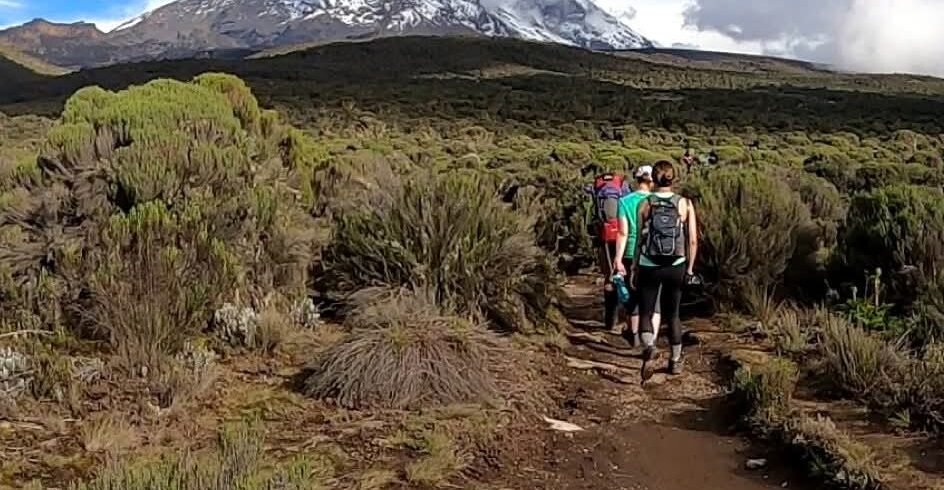
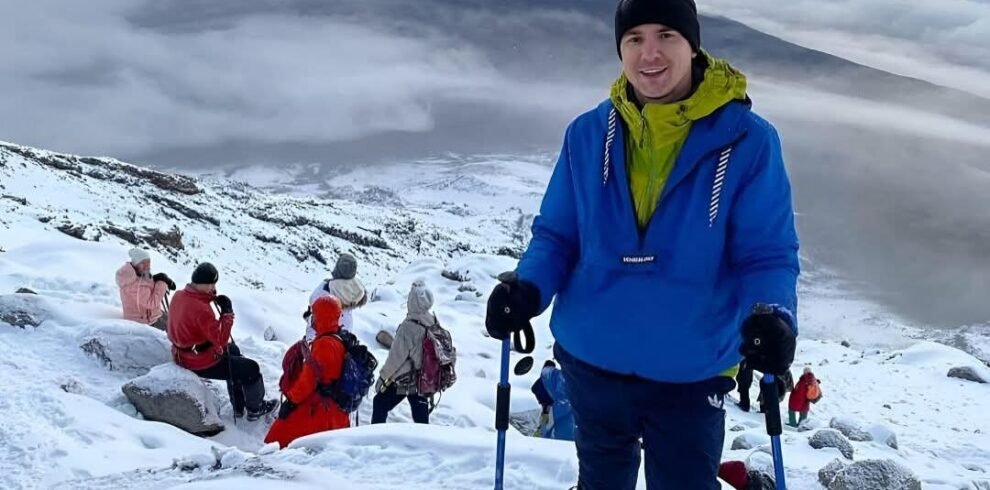
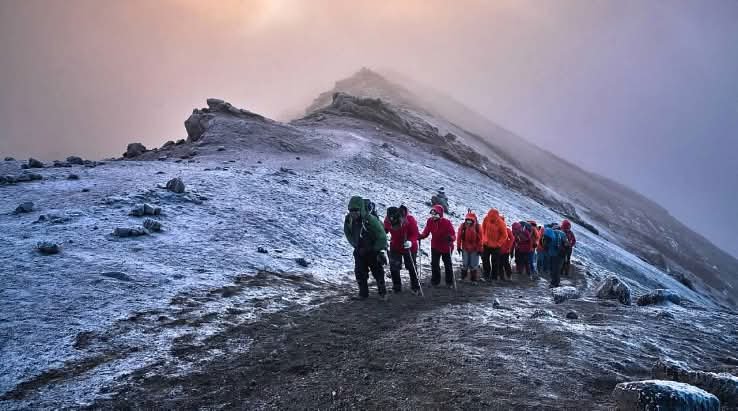
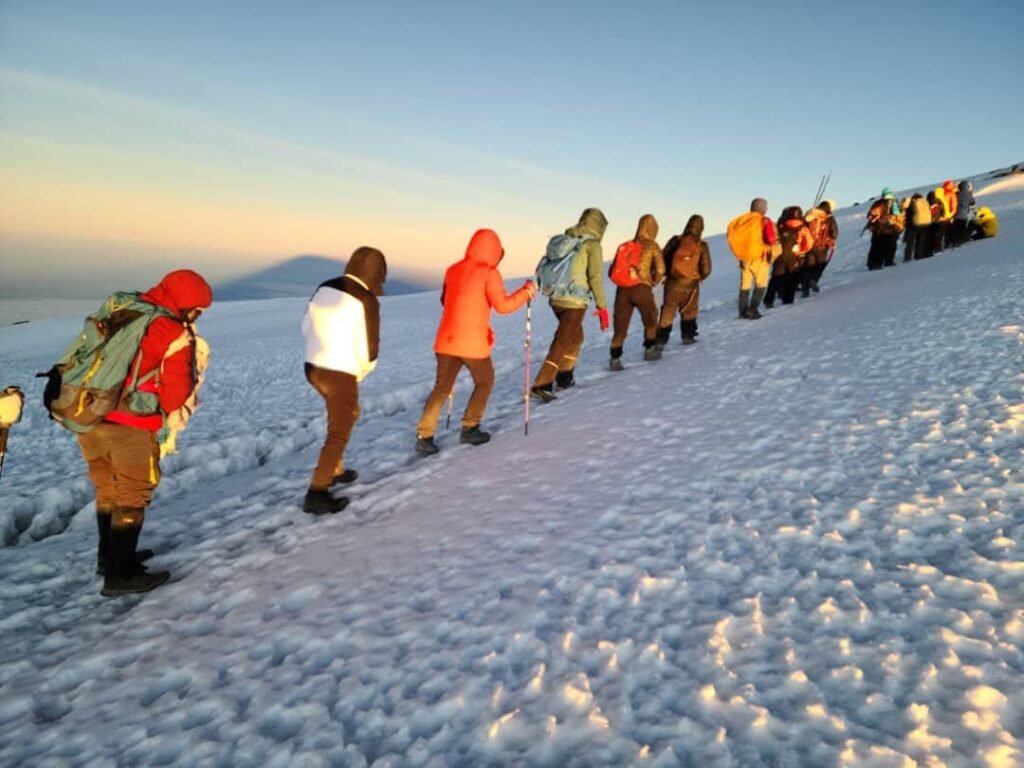
What makes Kilimanjaro truly unique is the incredible journey from its lower slopes to the summit. Over the course of several days, climbers can pass through dramatically different environments, from lush montane forests and open moorland to alpine desert and the cold, high-altitude summit zone.

Read More About Kilimanjaro →

Mount Kilimanjaro is not a single peak. It is a vast volcanic mountain formed by three main volcanic cones: Kibo, Mawenzi and Shira. Each has its own character and plays an important role in shaping the mountain’s spectacular landscape.

Whether you come to challenge yourself, experience the beauty of Tanzania or stand on the Roof of Africa, Kilimanjaro offers a journey that is about far more than reaching the summit.

🌋 THE THREE PEAKS OF KILIMANJARO

Kibo — The Roof of Africa

Kibo is the highest of Kilimanjaro’s three volcanic cones and home to Uhuru Peak at 5,895 meters, the highest point in Africa. It is the summit destination for most climbers undertaking a Kilimanjaro trekking adventure.

Mawenzi — Wild and Dramatic

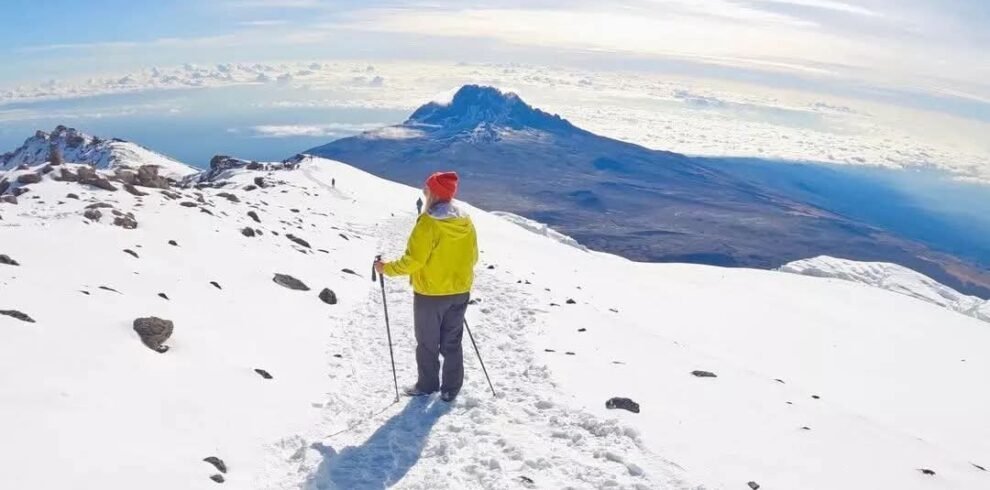
Rising to 5,149 meters, Mawenzi is Kilimanjaro’s rugged and dramatic eastern peak. Its steep, jagged volcanic formations create one of the mountain’s most spectacular landscapes and offer a striking contrast to the broader dome of Kibo.

Shira — The Ancient Plateau

Shira is the oldest of Kilimanjaro’s three volcanic cones. Its summit area collapsed over time, creating the beautiful Shira Plateau on the western side of the mountain, now one of the most scenic areas experienced by climbers on routes such as Lemosho.

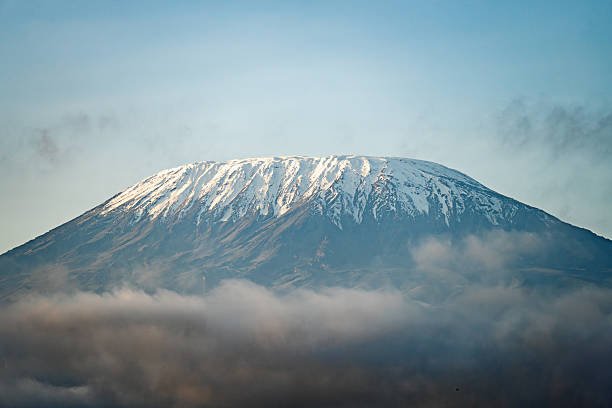
 

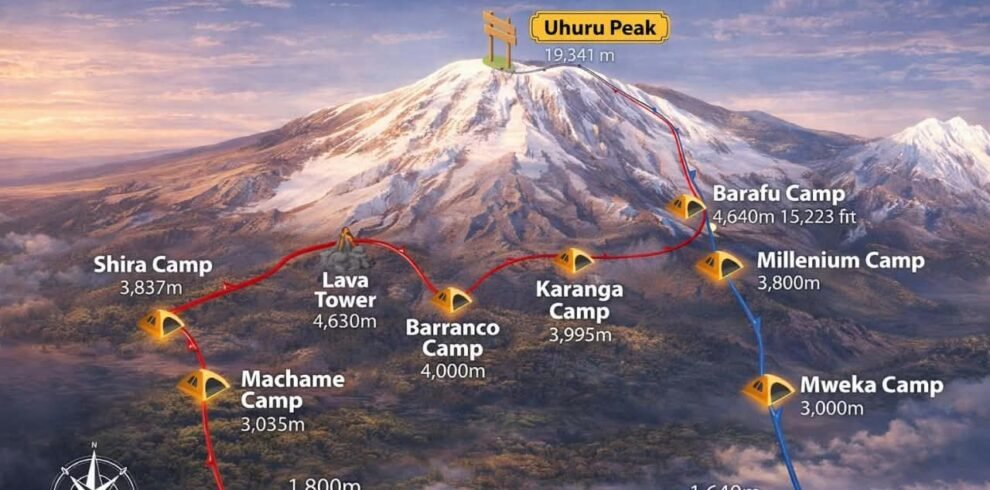
There are seven main Mount Kilimanjaro routes that lead to the summit, Uhuru Peak — one starting on the northern side of the mountain and the rest on the southern side: Marangu, Machame, Lemosho, Shira, Rongai, Northern Circuit and Umbwe. Hiking Mount Kilimanjaro takes between five and nine days. The more days you spend on the mountain, the more likely you are to summit, because you become better acclimatised to the altitude. Browse our Kilimanjaro tours by route below.

Marangu Route

The Marangu Route, popularly known as the Coca-Cola Route, is the classic and only major Kilimanjaro route offering overnight accommodation in permanent mountain huts. Its gradual trail makes it less technically demanding than some other routes, but the shorter itineraries provide less time for acclimatization. The route is ideal for travelers who prefer hut accommodation and a more established trekking path, although the 6-day itinerary is strongly preferable to the 5-day option for better altitude adjustment. Published estimates generally place summit success around 65–75% for the 5–6-day Marangu itineraries, with longer itineraries offering better prospects.

Machame Route

The Machame Route, often called the Whiskey Route, is one of Kilimanjaro’s most popular trails and is known for its spectacular scenery and varied landscapes. The route approaches from the south and passes through rainforest, moorland, alpine desert and the high summit zone, while its itinerary allows climbers to experience useful climb high, sleep low opportunities. Machame is particularly suitable for active travelers seeking a scenic and challenging trekking experience, with the 7-day itinerary generally offering much better acclimatization than the 6-day version. Published estimates commonly place the summit success rate around 85–90% on the 7-day itinerary, although actual results vary by operator and climber.

Shira Route

The Shira Route approaches Kilimanjaro from the west and crosses the spectacular Shira Plateau before connecting with the upper mountain routes. It offers beautiful high-altitude scenery and relatively low trail traffic, but its main drawback is the high starting elevation, which means climbers gain altitude quickly from the beginning and have less gradual acclimatization than on Lemosho. For this reason, Shira is better suited to experienced trekkers who understand high-altitude travel, while first-time climbers are generally better served by the longer and more gradual Lemosho approach. Published estimates for longer Shira itineraries are around 80–90%, but reliable route-specific data is limited compared with the major routes.

Lemosho Route

The Lemosho Route is widely regarded as one of Kilimanjaro’s most scenic and well-balanced approaches, beginning on the western side of the mountain before crossing the beautiful Shira Plateau and eventually joining the southern circuit toward the summit. Its longer itineraries, quieter beginning and gradual approach provide excellent opportunities for acclimatization, making it a strong choice for first-time climbers and travelers who value scenery as much as summit success. The 8-day Lemosho Route is particularly popular for its balance of scenery, pacing and acclimatization, with published estimates commonly around 90–95% summit success on well-planned 8-day climbs.

Rongai Route

The Rongai Route is the only major Kilimanjaro route approaching from the northern side, near the Kenya border, giving climbers a quieter and more remote experience than the popular southern routes. It is known for its relatively gradual terrain, dry conditions and beautiful views toward Mawenzi Peak, and it can be an attractive option during wetter periods because the northern side tends to receive less rainfall. Rongai is well suited to travelers looking for a quieter climb without sacrificing scenery, particularly on a 7-day itinerary that allows more time for acclimatization. Published estimates generally place summit success around 70–85% depending on itinerary length and operator, with longer versions performing better.

Northern Circuit Route

The Northern Circuit is Kilimanjaro’s longest established trekking route and offers the most extensive journey around the mountain, including remote northern slopes that receive far fewer climbers. Its greatest advantage is the amount of time available for acclimatization, combined with exceptional views from different sides of Kilimanjaro. The route is ideal for travelers who have enough time and want to maximize their opportunity for a successful summit while enjoying a quieter wilderness experience. At 9 days, the Northern Circuit is consistently associated with the highest summit success rates, with published estimates commonly around 90–95% or higher on well-managed itineraries.

Umbwe Route

The Umbwe Route is Kilimanjaro’s most direct and steepest approach, making it one of the most challenging routes on the mountain. It climbs rapidly through dramatic forest and narrow ridges before connecting with the southern circuit, offering a more remote and adventurous experience with fewer trekkers. Because of its rapid elevation gain and limited early acclimatization, Umbwe is generally better suited to experienced and physically prepared trekkers rather than first-time climbers looking for the easiest path to the summit. Reliable route-specific success data is limited, but published estimates commonly place Umbwe around 50–70% depending on itinerary and operator, with longer versions generally providing better acclimatization opportunities.

Climbing Mount Kilimanjaro is a personal journey, and choosing the right team can make a meaningful difference to your experience. From the moment you begin planning your adventure to your final steps toward Uhuru Peak, the people supporting you on the mountain matter.

At Kili2sere Adventure, we believe a successful Kilimanjaro climb is about more than reaching the summit. It is about feeling prepared, supported and confident throughout the journey. Our approach combines local knowledge, experienced mountain teams and carefully planned itineraries to help create a safe, enjoyable and memorable adventure.

Whether you are climbing Kilimanjaro for the first time or returning to Tanzania for another adventure, we are here to help you choose the experience that feels right for you.

We run every climb ourselves

No agents, no outsourcing — our own guides, cooks and porters, The same team from your Arusha briefing to your airport transfer Private departures or small groups, on your dates

Safety we won’t cut corners on

Wilderness First Responder-certified guides on every climb Pulse and blood-oxygen checked twice a day, every day Bottled oxygen and a full medical kit carried as standard

Guides who know this one mountain

Licensed, full-time Kilimanjaro professionals — not seasonal hires Your advisor has stood on Uhuru Peak, so ask them anything On the mountain since 2015 — 16 years and counting

A 98.8% summit success rate

#1 Kilimanjaro operator on Arusha, backed by 86+ reviews Porters paid fairly and treated well — Leave No Trace, always All-inclusive: park fees, hotels, food and camping gear sorted

A better-planned climb, built around your experience.

What Matters on Kilimanjaro Kili2sere Adventure What to Expect from Other Operators
Route Planning
Carefully selected itineraries based on your goals, available time and route characteristics.
Itineraries and route options vary by operator.
Acclimatization
We prioritize appropriately paced itineraries and encourage climbers to allow sufficient time for altitude adjustment.
Acclimatization approaches vary depending on the itinerary and operator.
Mountain Guides
Experienced local guides providing support, guidance and knowledge throughout the climb.
Guide experience and level of support can vary.
Safety Approach
Safety-focused trekking with clear communication and guidance throughout the mountain experience.
Safety procedures and resources vary between operators.
Mountain Crew
A dedicated crew supporting your climb from the trail to the summit.
Crew structure and level of support vary by company.
Personal Support
Support from trip planning through the completion of your Kilimanjaro adventure.
The level of pre-trip and on-trip support differs between operators.
Route Choice
We help you choose a route based on your fitness, experience, schedule and expectations.
Some operators may recommend routes based primarily on itinerary availability.
Tanzania Experience
Local knowledge combined with an understanding of Tanzania’s mountain and travel environment.
Local experience varies from one operator to another.

Kilimanjaro Safety

At Kili2sere Adventure, we believe that a successful Kilimanjaro climb begins with responsible planning and continues with careful attention to your wellbeing throughout the journey. Our mountain team supports you from your pre-climb briefing through the trek, with a strong focus on proper preparation, gradual acclimatization and responsible decision-making on the mountain.

  • Experienced Mountain Guides — guided support and local knowledge throughout your climb.
  • Altitude Monitoring — regular attention to how you are adapting as you gain elevation.
  • First Aid & Emergency Preparedness — appropriate safety procedures and support for unexpected situations on the mountain.
  • Proper Acclimatization — carefully paced itineraries designed to give your body adequate time to adjust to high altitude.

Everything You Need to Know Before Climbing Kilimanjaro

Before setting foot on Mount Kilimanjaro, having the right information can make your journey smoother, more enjoyable and better prepared. From choosing the right route and understanding altitude to knowing what to pack and when to climb, we provide the essential information you need to plan your adventure with confidence.

Your Kilimanjaro Questions, Answered

Which route is right for me?

Compare Kilimanjaro routes and find an itinerary that matches your time, fitness level and trekking goals.


How many days should I climb?

Understand why choosing the right number of days matters, particularly for acclimatization and summit success.


What should I pack?

Discover the essential clothing, footwear, equipment and personal items needed for changing mountain conditions.


When is the best time to climb?

Learn about Kilimanjaro’s seasons and choose a period that suits your travel plans and trekking preferences.

How fit do I need to be?

Find out what level of preparation is recommended and how you can train before your climb.

How much does climbing Kilimanjaro cost?

Understand the main factors that influence the cost of your trek and what is typically included in a Kilimanjaro package.

What about altitude sickness?

Learn about acclimatization, common altitude-related symptoms and why listening to your mountain team is essential.

What happens on summit night?

Understand what to expect during the final ascent to Uhuru Peak, from the early-morning start to the summit and descent.

From the Roof of Africa to the Wild & the Coast

Your Kilimanjaro adventure doesn’t have to end when you leave the mountain. Tanzania offers an incredible combination of wildlife, culture and tropical beaches, making it easy to extend your journey beyond Kilimanjaro. After reaching Uhuru Peak, continue your adventure with a wildlife safari through Tanzania’s legendary national parks or unwind on the white-sand beaches of Zanzibar.

🦁 Tanzania Wildlife Safaris

🌴 Zanzibar Beach Holidays

Everything You Need for a Successful Kilimanjaro Adventure

Climbing Mount Kilimanjaro is an experience that rewards good preparation. Choosing the right route, allowing enough time for acclimatization, traveling in the right season and preparing the right equipment can make a significant difference to your journey. Our Kilimanjaro resources are designed to help you make informed decisions and arrive ready for the mountain.

Your Kilimanjaro Adventure Starts Here

Whether you already know your preferred route or you're still deciding where to begin, our team is ready to help you plan your Kilimanjaro adventure. Share your travel dates, group size and what you hope to experience, and we'll guide you toward a climb that fits your time, goals and expectations.

From choosing the right route to preparing for the summit, we're here to make planning your journey simple and clear.

Scroll to Top