Climbing Training & Preparation Guide

Preparing for Kilimanjaro means building endurance, strength, and confidence for long days of trekking at altitude—so you can focus on enjoying the journey.

You do not need to be an elite athlete to climb Mount Kilimanjaro.

However, you should be prepared for long days of walking, uneven terrain, steep sections, changing weather, and several consecutive days of physical activity.

The most useful fitness qualities are not simply speed or maximum strength. You need the ability to maintain a steady, comfortable walking pace for several hours and recover well enough to continue the following day.

Your training should therefore focus on:

  • Endurance
  • Leg strength
  • Core stability
  • Balance
  • Walking efficiency
  • Recovery
  • Mental resilience

And remember: fitness does not prevent altitude illness. Being physically fit can make trekking more manageable, but acclimatization still depends on how your body responds to altitude.

For most travelers, starting structured preparation around 8–12 weeks before the trek is a practical approach.

If you already exercise regularly, you may need less time to build basic fitness. If you are starting from a lower fitness base, giving yourself more time allows you to progress gradually.

Suggested Timeline

Training Period Main Focus
12+ Weeks
Build a strong fitness foundation
8–12 Weeks
Endurance + strength + hiking
4–8 Weeks
Longer hikes & elevation practice
2–4 Weeks
Trek-specific preparation
Final Week
Reduce training & prioritize recovery

Consistency matters more than trying to train extremely hard in the final few weeks.

Build the Fitness You Will Actually Use on the Mountain

Kilimanjaro training should imitate the demands of the trek as much as practical.

🫀 Cardiovascular Endurance

Activities such as brisk walking, cycling, jogging, swimming, or stair climbing can help develop cardiovascular endurance. The goal is to improve your ability to sustain moderate activity without becoming excessively fatigued.

⚖️ Balance & Stability

Uneven mountain trails require constant adjustments. Balance exercises and hiking on varied terrain can help you become more comfortable on rocky or uneven surfaces.

🦵 Leg Strength

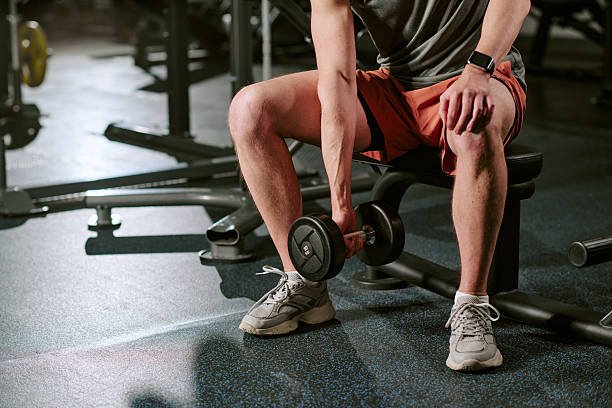
Your legs will carry you for many hours across changing terrain. Useful exercises include: Squats Lunges Step-ups Calf raises Controlled hill walking

🧘 Core Strength

A strong and stable core can help you maintain good posture while walking, especially when carrying a daypack. Include exercises such as: Planks Side planks Bird dogs Controlled bodyweight movements

The Most Important Training: Walk

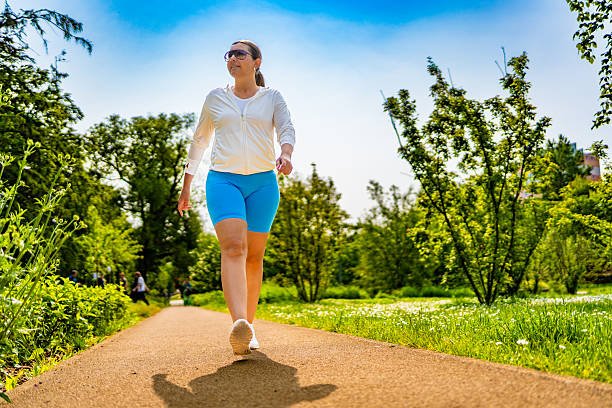
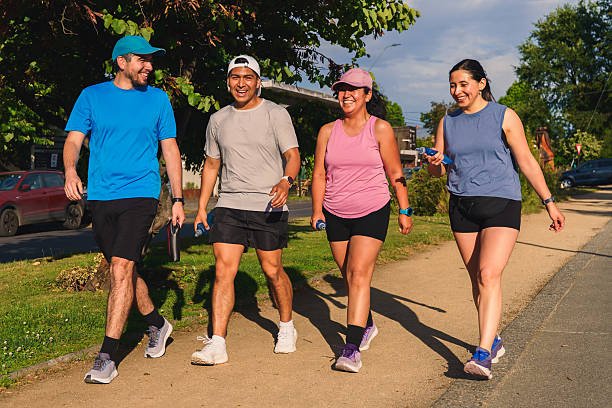
One of the best ways to prepare for Kilimanjaro is simply to walk regularly.

Whenever possible, practice on:

  • Hills
  • Trails
  • Uneven terrain
  • Long-distance walking routes
  • Staircases

Gradually increase the duration rather than suddenly attempting very long hikes.

🎒 Train With Your Backpack

Before your trek, practice walking with the type of daypack you expect to use.

This allows you to become comfortable with:

  • Backpack weight
  • Shoulder straps
  • Hip belt
  • Water bottles
  • Clothing layers
  • Personal items

Don’t wait until Kilimanjaro to discover that your backpack setup is uncomfortable.

Build Stronger Legs for the Mountain

You don’t need a bodybuilding-style program for Kilimanjaro. Your strength training should support walking, climbing, stability, and endurance.

Step-Ups

Step-ups are particularly useful because they resemble the repeated upward movement involved in climbing mountain trails.

Squats

Squats train several major lower-body muscles and can help develop general leg strength.

Lunges

Lunges can help develop leg strength and stability while introducing a movement pattern that is useful for uneven terrain.

Calf Raises

The calves work continuously during walking and climbing, so strengthening them can be useful.

Training principle: Focus on good technique and gradual progression rather than trying to lift as much weight as possible.

Improve Your Endurance

Your cardiovascular training should prepare you to remain active for extended periods.

Good options include:

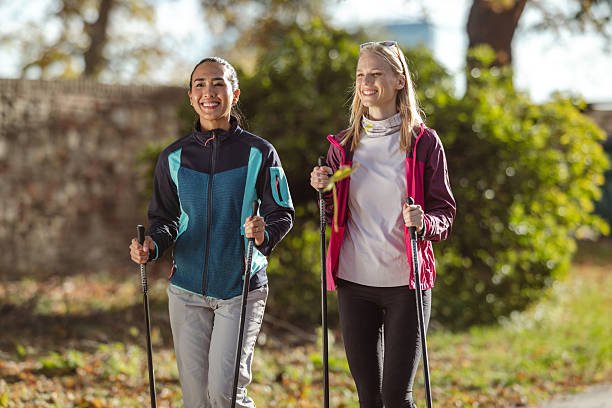
Walking:

The most directly relevant form of preparation.
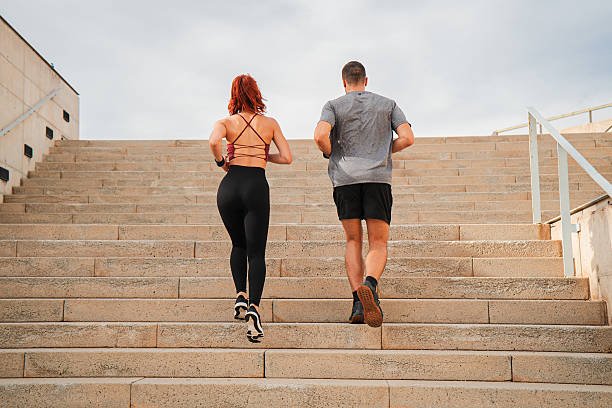
Stair climbing:

Useful for building uphill endurance.
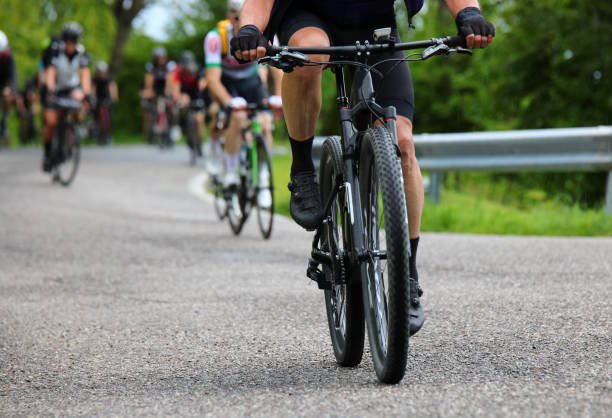
Cycling:

A low-impact way to develop cardiovascular fitness.
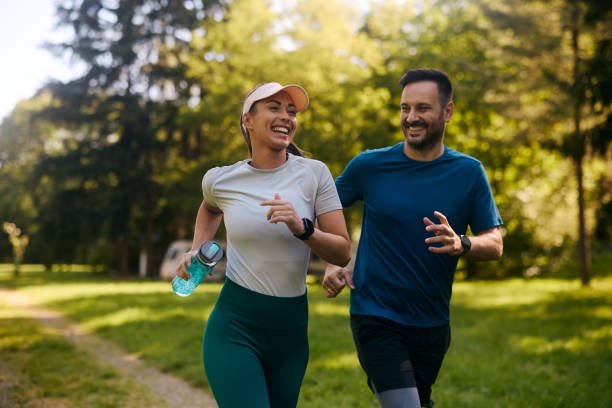
Running:

Can be useful if you already run comfortably, but it is not essential for Kilimanjaro.
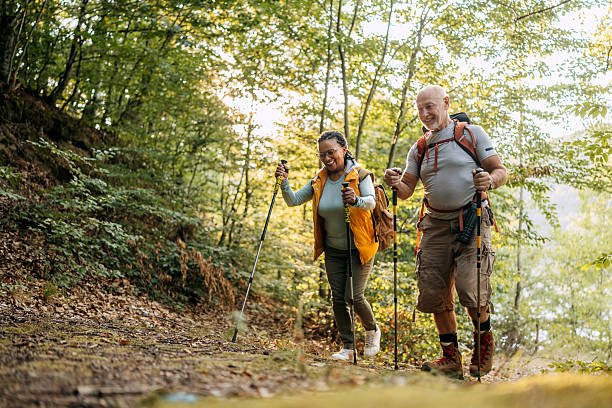
Hiking:

One of the best ways to prepare for Kilimanjaro, especially when walking on uneven terrain and gradually increasing distance and elevation.
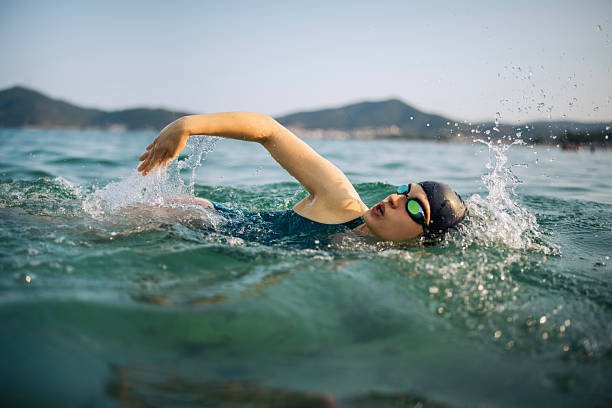
Swimming:

A low-impact activity that can improve cardiovascular fitness and overall endurance while being gentle on the joints.
Can You Train for Kilimanjaro Altitude?

You cannot completely simulate Kilimanjaro’s altitude through ordinary fitness training at sea level.

Altitude acclimatization occurs when your body is exposed to higher elevation, which is why the route and number of days on the mountain matter.

Your preparation should therefore focus on arriving with a strong physical foundation while allowing enough time on the mountain for acclimatization.

Fitness prepares your body for trekking. Acclimatization prepares your body for altitude.

They are related—but they are not the same thing.

Prepare Your Mind, Not Just Your Body

Kilimanjaro is a physical challenge, but it is also a mental journey.

There will be moments when you are tired, the weather changes, the trail becomes steep, or progress feels slower than expected.

Mental preparation means understanding that:

Slow progress is still progress.

Instead of focusing only on the summit, concentrate on completing the current section of trail.

Trust your preparation, listen to your mountain crew, maintain your pace, and stay patient.

The Kilimanjaro Mindset

Pole pole.

Slowly, steadily, one step at a time.

Fuel Your Preparation

Training requires adequate nutrition and recovery.

Rather than following an extreme diet before Kilimanjaro, focus on balanced meals that provide:

  • Carbohydrates for activity
  • Protein for recovery
  • Healthy fats
  • Fruits and vegetables
  • Adequate fluids

During the weeks before your climb, prioritize consistent eating and hydration rather than making dramatic last-minute changes.

Recovery Is Part of Training

Training every day at maximum intensity is not necessary.

Your body needs time to recover and adapt.

Prioritize:

  • Good-quality sleep
  • Rest days
  • Gradual increases in training
  • Recovery after long hikes
  • Avoiding unnecessary overtraining

In the final days before departure, reduce demanding workouts and arrive in Tanzania rested rather than exhausted.

Don't Test New Gear on the Mountain

Your training period is the perfect opportunity to test the equipment you plan to take to Kilimanjaro.

Practice with:

  • Hiking boots
  • Hiking socks
  • Backpack
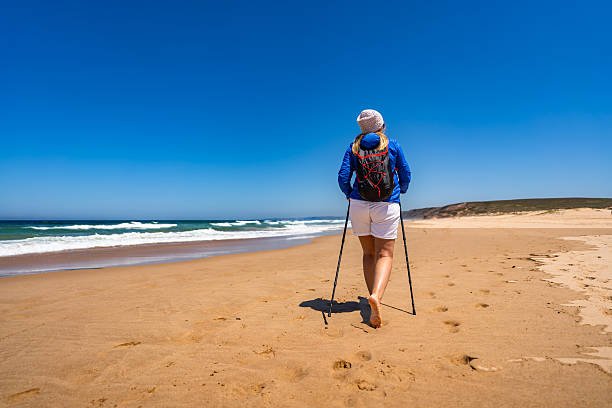
  • Trekking poles
  • Waterproof layers
  • Walking trousers
  • Base layers

If something causes discomfort during training, you have time to change it.

Your gear should feel familiar before you reach the mountain.

Weeks 12–9 — Build Your Base

Focus on regular walking and general cardiovascular fitness.

Goal: Build consistency.

Weeks 8–6 — Increase Endurance

Introduce longer walks and more hills.

Goal: Become comfortable with extended activity.

Weeks 5–3 — Trek-Specific Training

Increase the length of your hikes and practice with your backpack and trekking equipment.

Goal: Make your training resemble the actual trek.

Week 2 — Maintain

Keep moving, but avoid unnecessary high-intensity sessions.

Goal: Maintain fitness while allowing recovery.

Final Week — Recover

Prioritize sleep, nutrition, hydration, travel preparation, and equipment checks.

Goal: Arrive ready—not fatigued.

❌ Starting Too Late

Trying to build months of fitness in two weeks is not a good strategy.

❌ Only Running

Running can improve cardiovascular fitness, but Kilimanjaro is fundamentally a multi-day hiking experience, so walking and hill training should also be part of preparation.

❌ Ignoring Strength

Long uphill and downhill walking places significant demands on the legs.

❌ Training Too Hard

More training is not always better. Recovery is part of preparation.

❌ Never Testing Your Gear

Discovering uncomfortable boots or a poorly fitted backpack during your trek is avoidable.

❌ Thinking Fitness Prevents Altitude Problems

Physical fitness and altitude acclimatization are different things.

Train for the Journey, Not Just the Summit

At Kili2sere Adventure, our recommendation is simple:

Walk often. Build gradually. Train your legs. Improve endurance. Practice on hills. Test your gear. Recover properly.

Most importantly, don’t judge your readiness solely by how fast you can run or how much weight you can lift.

A strong Kilimanjaro preparation program should help you become comfortable with long, steady days on your feet.

Our Preparation Checklist

✓ 8–12 weeks of consistent preparation
✓ Regular walking and hiking
✓ Hill or stair training
✓ Lower-body strength training
✓ Cardiovascular endurance
✓ Backpack and gear practice
✓ Adequate sleep and recovery
✓ Mental preparation
✓ Proper acclimatization on the mountain

You don’t have to be an elite athlete to climb Kilimanjaro. You need the right preparation, the right itinerary, and the right mindset.

Start preparing now, choose an itinerary that gives you enough time to acclimatize, and let our experienced team help you turn your Kilimanjaro goal into a carefully planned adventure.

READY TO START YOUR KILIMANJARO JOURNEY?

Train with purpose. Trek with confidence. Reach Uhuru Peak.

Scroll to Top