
- 1
- 8
- 12
- 2
Serengeti National park
The Endless Plains of Tanzania
Overview
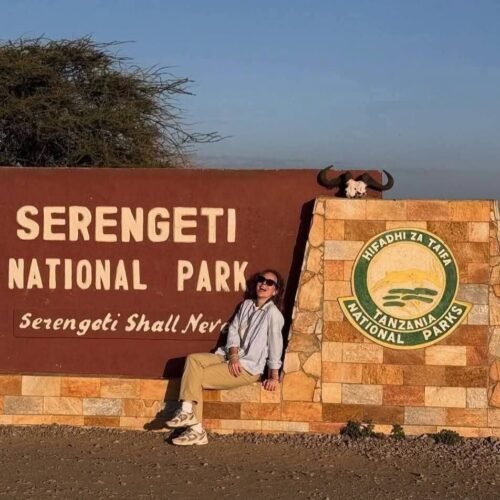
Serengeti National Park is one of Africa’s most iconic wildlife destinations and the centerpiece of Tanzania’s Northern Safari Circuit. The name Serengeti comes from the Maasai word “Siringit,” meaning “the place where the land runs on forever,” an appropriate description of its enormous grass-covered plains.
Covering approximately 14,750 square kilometres, the park forms part of the much larger Serengeti ecosystem, which extends beyond the park’s boundaries into surrounding protected areas and across the border into Kenya’s Maasai Mara.
Serengeti is famous throughout the world for its exceptional wildlife, spectacular landscapes, and, above all, the Great Wildebeest Migration.
But the migration is only one part of the Serengeti experience.
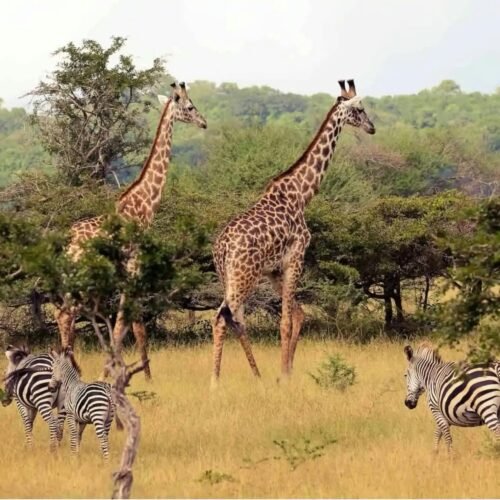
Throughout the year, the park supports extraordinary populations of lions, leopards, cheetahs, elephants, buffaloes, giraffes, zebras, wildebeest, hyenas, hippos, crocodiles, and hundreds of bird species.
Whether you are visiting for your first African safari, a honeymoon, a family adventure, photography, or a once-in-a-lifetime wildlife experience, Serengeti offers an extraordinary combination of scale, wildlife density, wilderness, and natural beauty.
Why Visit Serengeti?
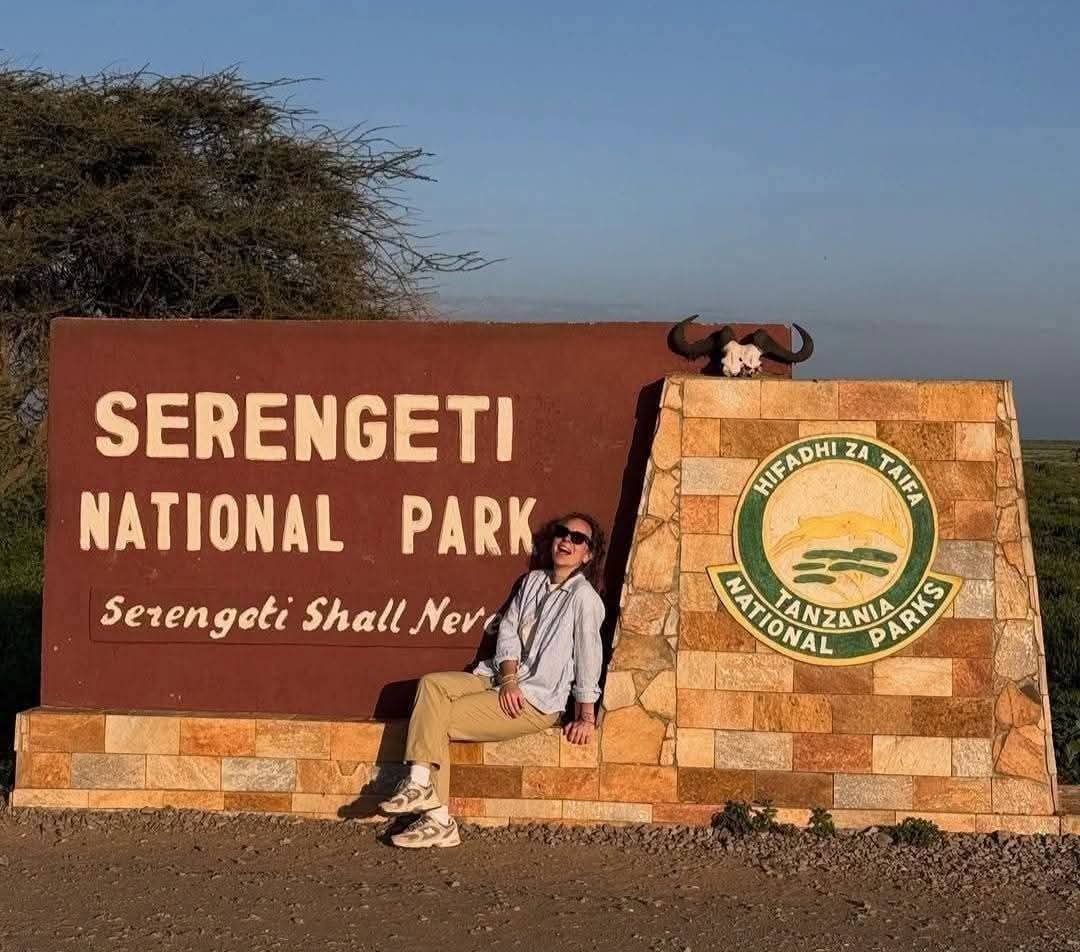
There are many reasons Serengeti is considered one of the world’s greatest safari destinations.
The Great Wildebeest Migration
The Great Wildebeest Migration is one of the world’s most spectacular wildlife phenomena.
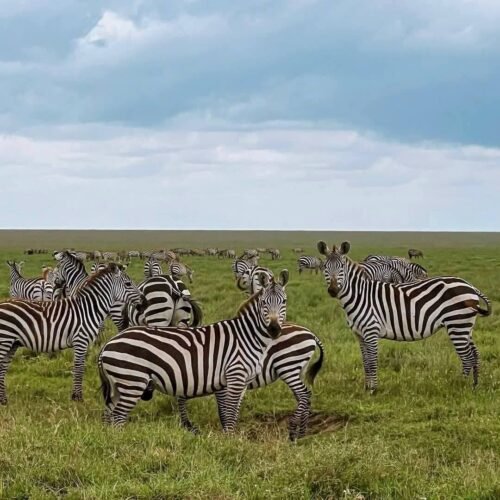
Every year, enormous numbers of wildebeest, zebras, and gazelles move through the Serengeti ecosystem in search of fresh grass and water.
The migration is not a single event occurring in one location. It is a continuous natural cycle that changes throughout the year.
Depending on when you visit, you may witness:
- Large wildebeest herds
- Zebra migrations
- Predator activity
- Calving season
- Dramatic river crossings
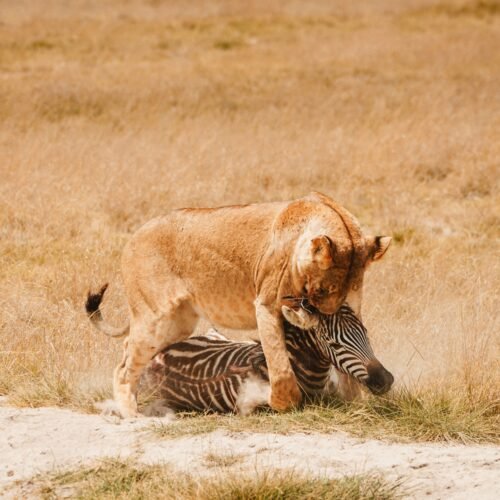
- Lions hunting
- Cheetahs pursuing prey
- Hyenas following the herds
Because the animals move according to rainfall, weather, food availability, and water, exact locations cannot be guaranteed.
Serengeti Wildlife
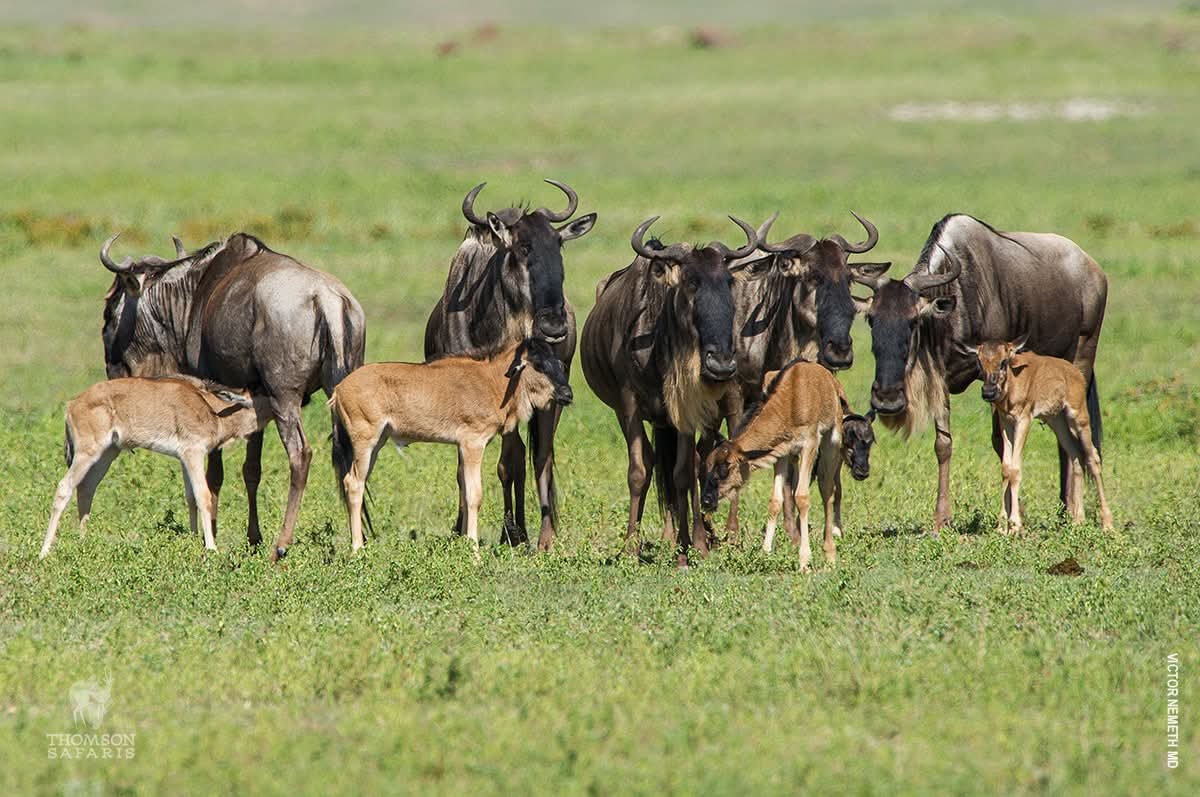
Serengeti is particularly famous for its exceptional predator-prey ecosystem.
Lions
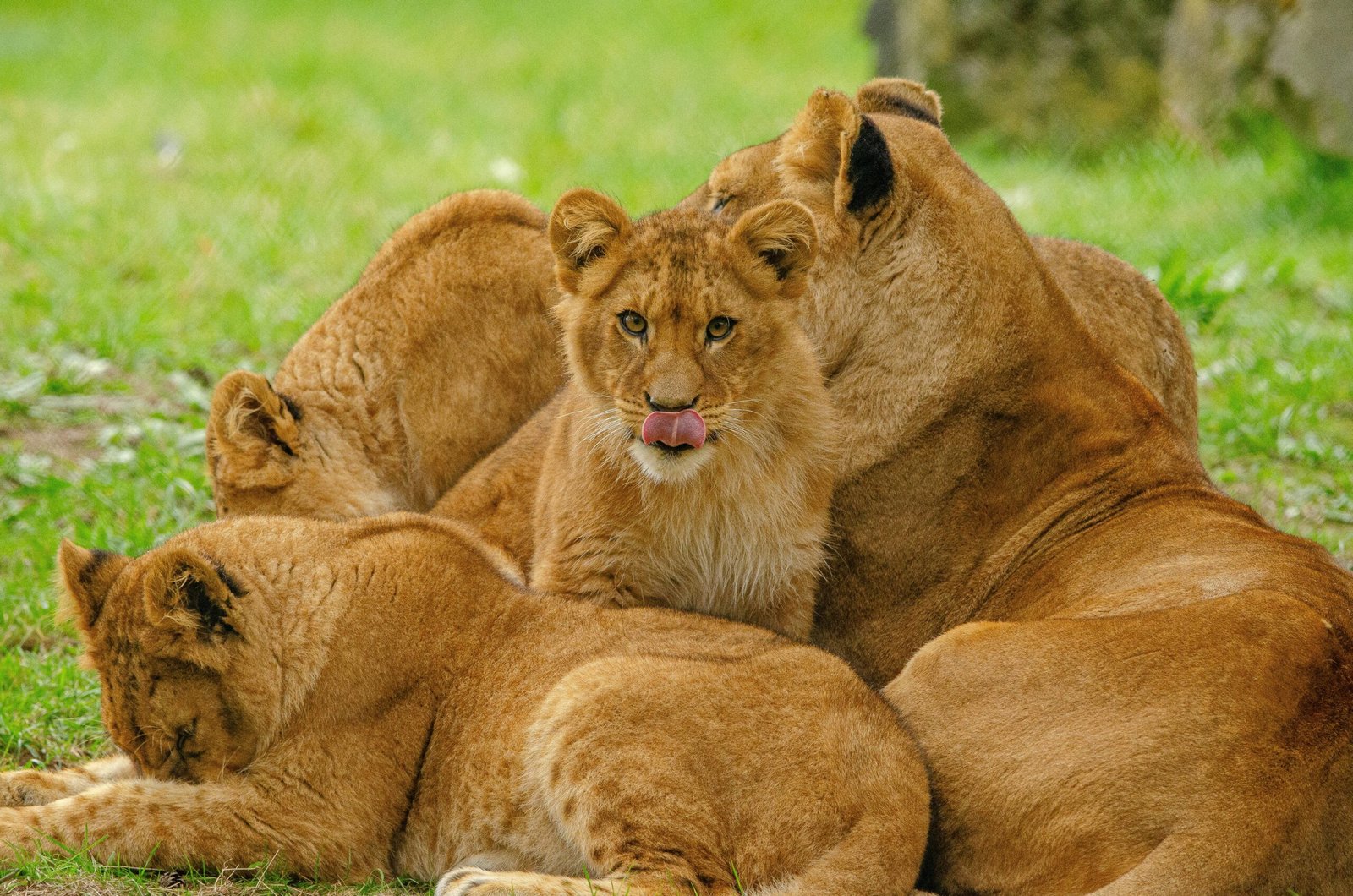
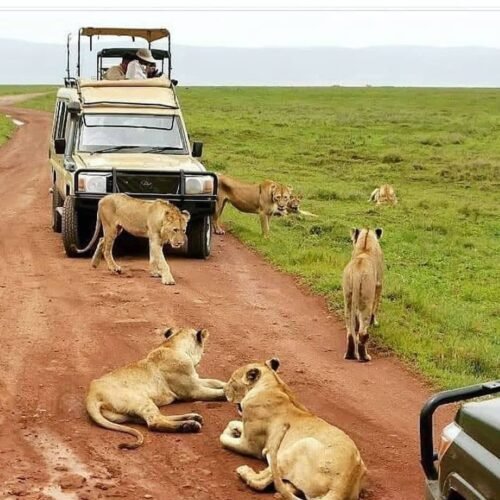
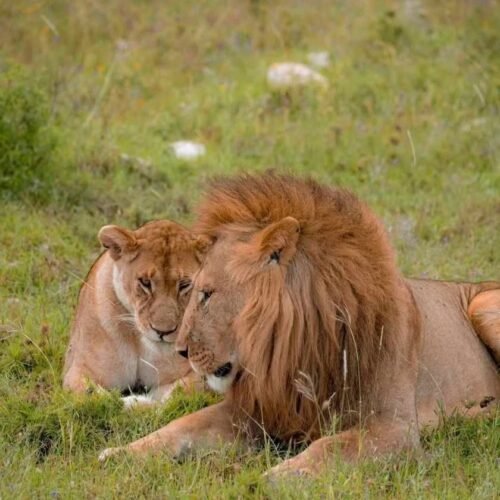
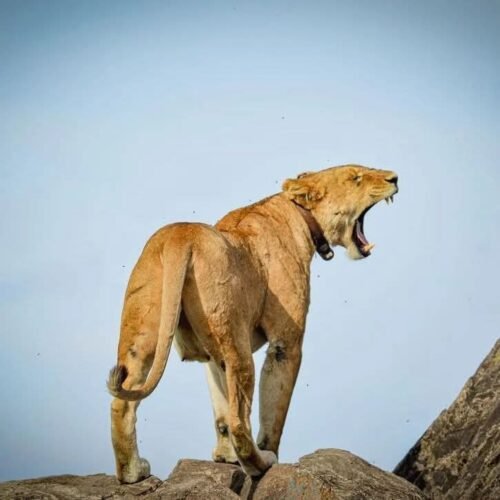
Serengeti supports one of Africa’s most impressive lion populations.
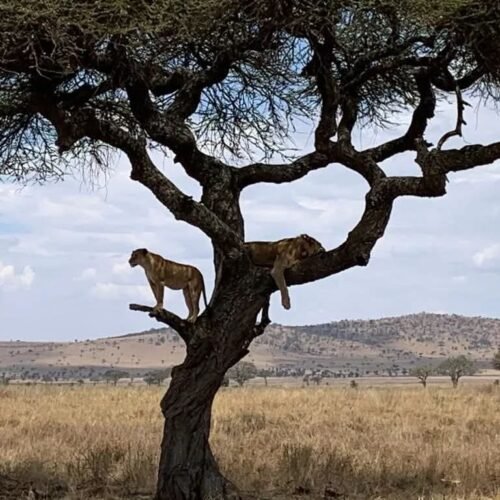
You may encounter prides resting beneath trees, stalking prey across open plains, or interacting with cubs.
Leopards
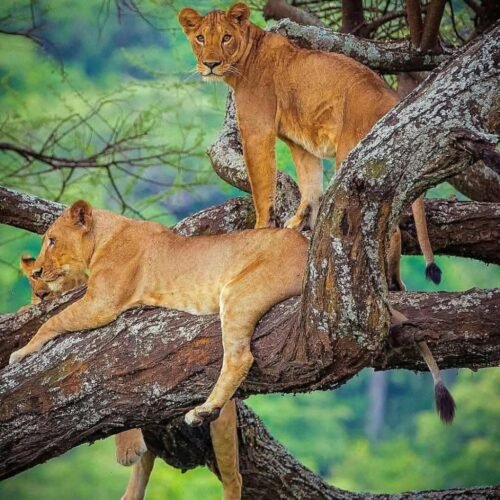
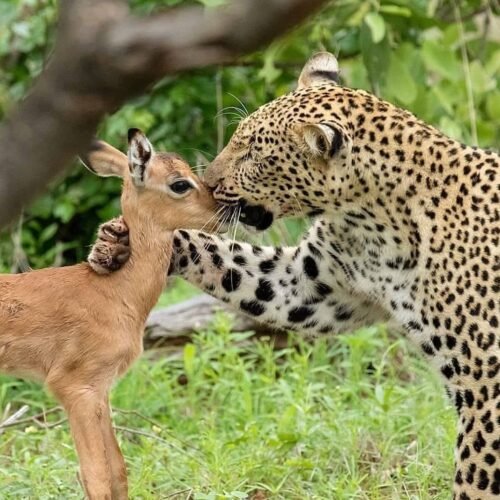
Leopards are present throughout Serengeti but are more elusive than lions.
They are often found resting in trees, particularly around areas with woodland and riverine vegetation.
Cheetahs
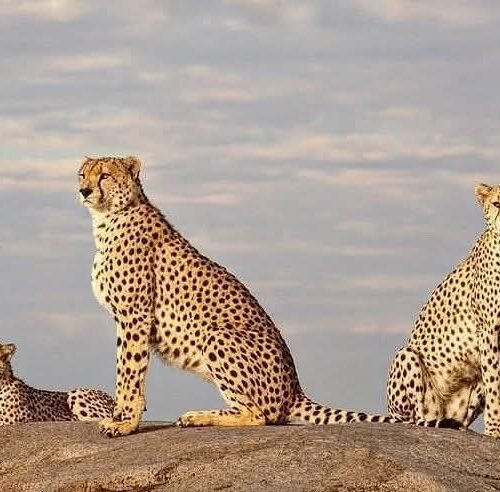
The open plains provide excellent habitat for cheetahs.
Their speed and hunting techniques make encounters particularly exciting.
Elephants
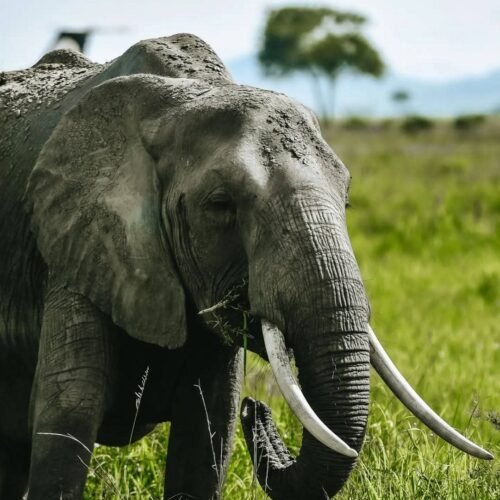
Elephants can be encountered throughout the Serengeti, particularly around woodland and water sources.
Buffaloes
Large buffalo herds are common and form an important part of the ecosystem.
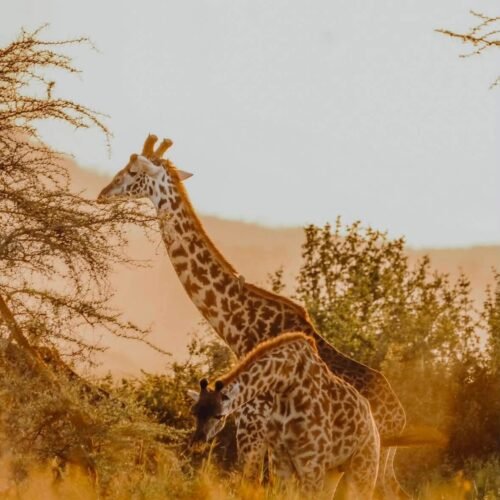
Giraffes
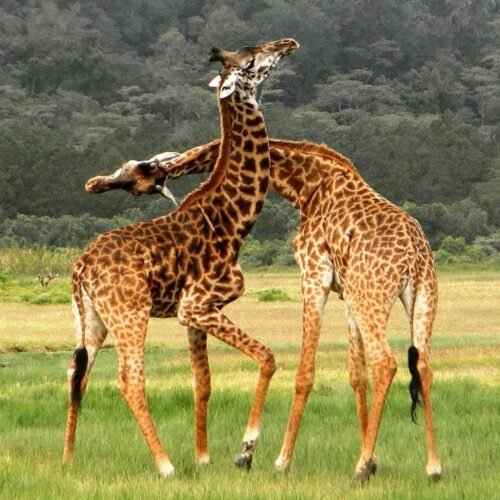
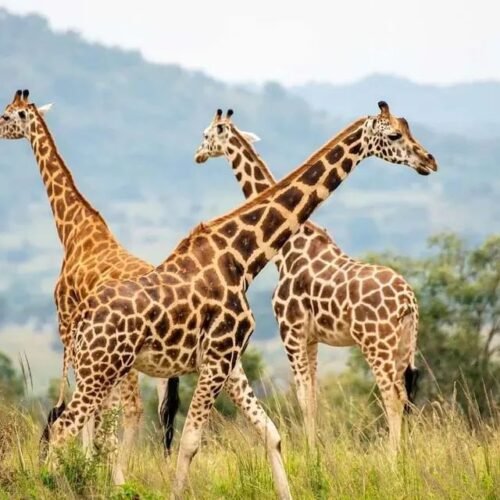
Giraffes are regularly seen browsing on vegetation around woodland and savannah areas.
Hippos
Hippos can be found in rivers and permanent waterholes.
Crocodiles
Large Nile crocodiles inhabit some of Serengeti’s major rivers and are particularly notable during periods of migration.
Serengeti Landscape
One of the most extraordinary aspects of Serengeti is the diversity of landscapes within one ecosystem.
You can encounter:
- Endless grass plains
- Rocky kopjes
- Acacia woodland
- River valleys
- Seasonal wetlands
- Permanent waterholes
- Open savannah
- Forested areas
The famous Serengeti kopjes are large granite rock formations scattered throughout the plains.
They provide important resting and lookout points for lions, leopards, and other wildlife.
Central Serengeti
Central Serengeti is one of the most popular areas for visitors.
It offers excellent year-round wildlife viewing and is particularly well known for predator sightings.
The area around Seronera contains permanent water sources, making it attractive to wildlife throughout the year.
Central Serengeti is particularly suitable for:
- First-time safari travelers
- Big Five safaris
- Luxury safaris
- Photography
- Honeymoons
- Shorter itineraries
Northern Serengeti
Northern Serengeti offers a more remote and quieter safari experience.
The landscape is more varied, with rolling hills, open plains, woodland, and river systems.
It is particularly famous for the Great Migration river-crossing season, although crossings depend entirely on natural conditions and cannot be guaranteed.
Northern Serengeti is ideal for travelers seeking:
- Fewer crowds
- Longer safari experiences
- Migration experiences
- Remote wilderness
- Photography
- Exclusive camps
Western Serengeti
Western Serengeti is characterized by more woodland and riverine landscapes.
The Grumeti River is one of the major geographical features of this region.
The area can offer excellent wildlife experiences and may be particularly interesting during parts of the migration cycle.
Things to Do in Serengeti

1. Game Drives
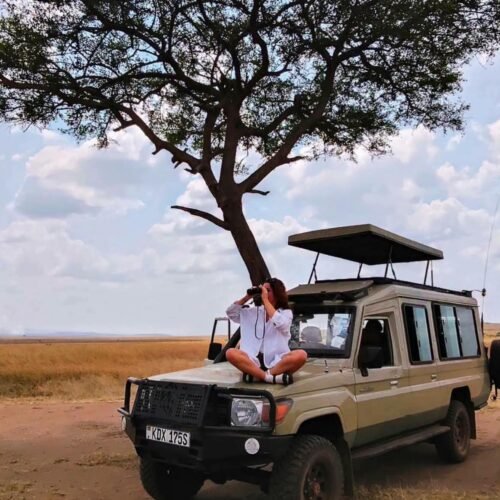
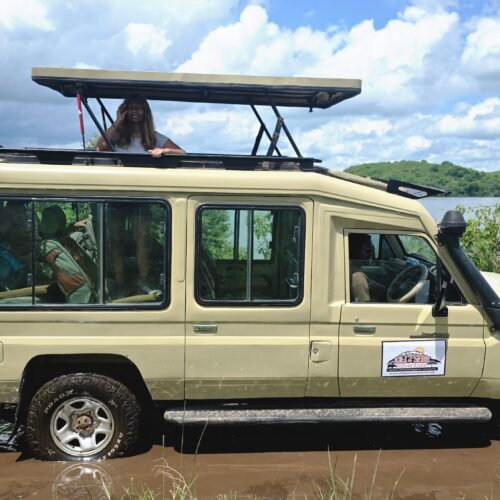
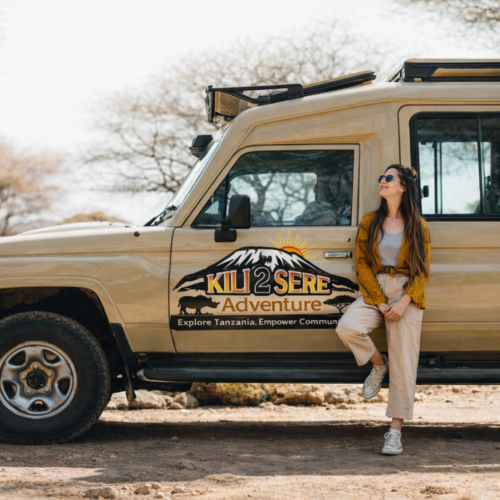
Game drives are the primary activity.
Private game drives allow travelers to explore the park with greater flexibility.
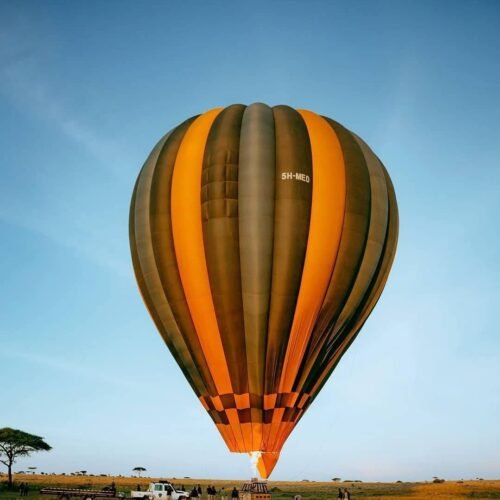
2. Hot-Air Balloon Safari
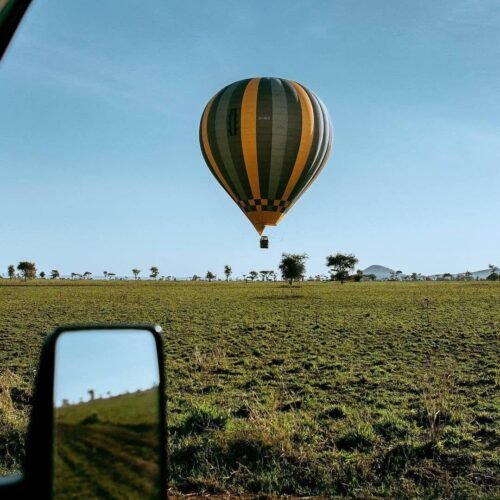
A hot-air balloon safari offers an extraordinary perspective of the Serengeti.
You can rise above the plains at sunrise and see wildlife and landscapes from the air.
This is an optional activity and subject to availability.
3. Walking Experiences
Guided walking experiences may be available in selected areas and must follow park regulations.
4. Cultural Experiences
Depending on your itinerary, cultural visits involving local communities can be arranged.
5. Photography
Serengeti is one of Tanzania’s premier wildlife photography destinations.
Best Time to Visit Serengeti
Serengeti can be visited throughout the year.
However, different months offer different experiences.
January – March
This period can be excellent for the calving season, particularly around the southern Serengeti ecosystem.
Large numbers of young wildebeest are born, attracting predators.
April – May
The landscape can become greener, and rainfall may be more frequent.
This period can offer fewer visitors and beautiful scenery.
June – October
This is generally one of the most popular periods for safari.
Wildlife viewing can be excellent, and parts of the migration may pass through western and northern areas.
July – October
This period is particularly associated with the northern Serengeti and potential river-crossing activity.
However, river crossings are natural events and cannot be guaranteed on any specific date.
November – December
Short rains can transform the landscape into lush green scenery.
Wildlife remains present, and visitor numbers can be lower than during peak periods.
Where to Stay in Serengeti
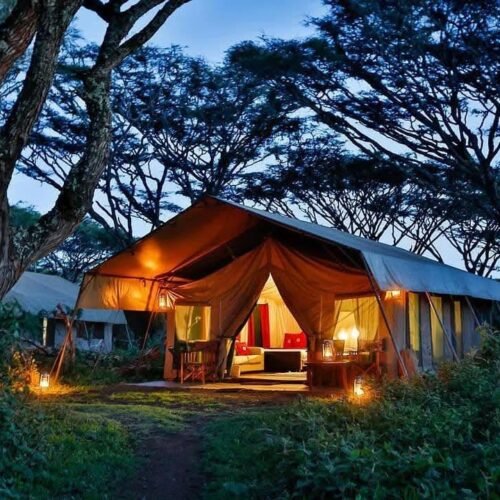
Accommodation ranges from comfortable camps to exclusive luxury lodges.
Options include:
- Safari lodges
- Permanent tented camps
- Mobile camps
- Luxury tented camps
- Premium safari camps
- Private-use properties
The best location depends on the time of year and the type of experience you want.
For example:
Central Serengeti – excellent year-round wildlife viewing.
Northern Serengeti – excellent for remote experiences and seasonal migration.
Western Serengeti – attractive landscapes and access to the Grumeti ecosystem.
How to Get to Serengeti
By Road
Most travelers access Serengeti through the Northern Safari Circuit.
A typical route can include:
Arusha → Tarangire → Ngorongoro → Serengeti
By Air
Domestic flights connect Serengeti with other destinations in Tanzania.
Several airstrips serve different regions of the park.
Flying can significantly reduce travel time and is particularly useful for luxury and short safari itineraries.
How Many Days Should You Spend in Serengeti?
For a meaningful experience, we generally recommend:
2 Days: Introduction to Serengeti.
3 Days: Excellent balance of wildlife and exploration.
4–5 Days: Ideal for travelers wanting a deeper experience or migration-focused safari.
Longer stays are particularly valuable when visiting multiple regions such as Central and Northern Serengeti.
Who Should Visit Serengeti?
Serengeti is suitable for almost every type of traveler.
Couples & Honeymooners
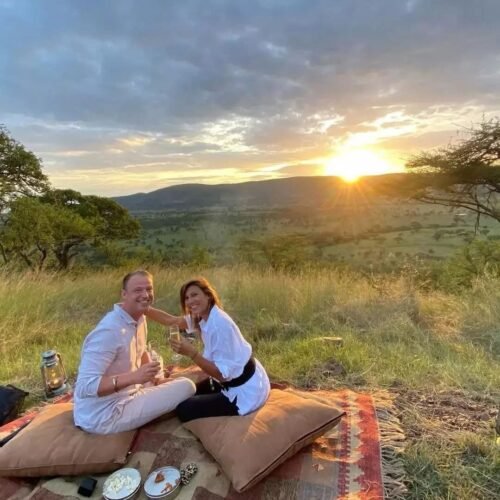
Romantic lodges, private game drives and spectacular sunsets make Serengeti ideal for couples.
Families
Children can experience wildlife and learn about nature in an exciting environment.
Photographers
The combination of wildlife, landscapes and dramatic light creates exceptional photography opportunities.
Luxury Travelers
Exclusive camps and luxury lodges provide high-end safari experiences.
Adventure Travelers
Long game drives and remote wilderness areas offer an authentic African adventure.
Conservation & Responsible Tourism
Serengeti’s future depends on responsible tourism and effective conservation.
Visitors are encouraged to:
- Respect wildlife distances
- Never feed animals
- Remain inside designated safari vehicles where required
- Avoid disturbing animals
- Avoid littering
- Respect local communities
- Follow park regulations
- Support responsible tourism operators
Tourism revenue contributes to the protection of Tanzania’s wildlife areas and supports conservation and local economies.
Serengeti Travel Tips
Before visiting, consider:
- Bring binoculars
- Carry a good camera
- Wear neutral-colored clothing
- Bring sunscreen
- Carry insect repellent
- Bring a warm layer for early morning drives
- Keep luggage lightweight
- Carry personal medication
- Follow your guide’s instructions
- Be patient—wildlife encounters are unpredictable
The most important rule is simple:
The safari is about observing nature, not controlling it.
Frequently Asked Questions
Is Serengeti worth visiting?
Absolutely. Serengeti is one of the world’s most famous wildlife destinations and offers exceptional year-round safari experiences.
How much does a Serengeti safari cost?
The cost depends on accommodation, duration, season, transportation, number of travelers, and activities. Kili2Sere Adventure can create packages for different budgets and travel styles.
Can I see the Big Five in Serengeti?
Yes, Serengeti offers opportunities to see lions, leopards, elephants, buffaloes, and rhinoceros, although sightings are never guaranteed.
When is the Great Migration?
The migration takes place throughout the year and moves continuously through the Serengeti ecosystem. Different months provide different opportunities.
Are river crossings guaranteed?
No. River crossings depend on natural conditions and animal behavior, so nobody can guarantee a crossing on a particular date.
Is Serengeti safe?
Yes, when visitors follow park regulations and the instructions of their professional safari guide.
Can I visit Serengeti with children?
Yes. Families can enjoy Serengeti, although the itinerary and activities should be planned according to the children’s ages.
Can I combine Serengeti with Ngorongoro?
Yes. Combining Serengeti and Ngorongoro is one of the most popular Tanzania safari combinations.
Can I combine Serengeti with Zanzibar?
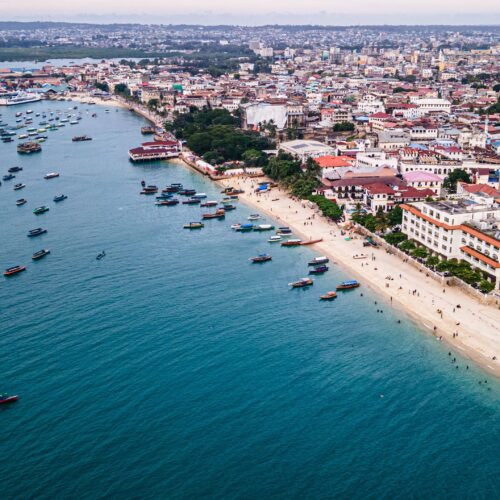
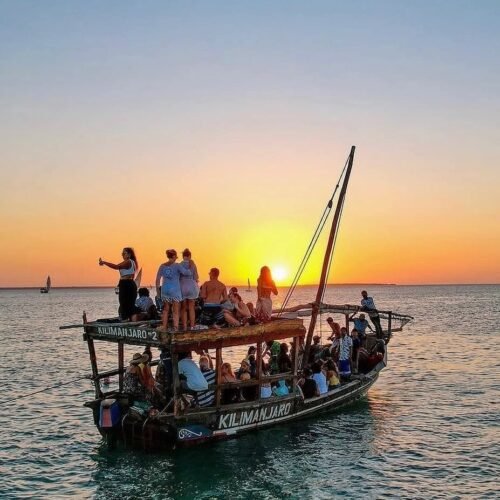
Absolutely. A Serengeti + Zanzibar combination is ideal for travelers who want wildlife adventure followed by a relaxing beach holiday.
Experience Serengeti With Kili2Sere Adventure
From the endless plains of Central Serengeti to the remote wilderness of Northern Serengeti, Kili2Sere Adventure creates personalized safari experiences designed around your interests, travel dates, accommodation preferences, and budget.
Whether you are planning a private safari, luxury safari, family adventure, honeymoon, or budget safari, our team can help you create the right Serengeti experience.
Ready to Explore the Endless Plains?
Plan your Serengeti safari with Kili2Sere Adventure and experience Tanzania’s wilderness for yourself.
Featured
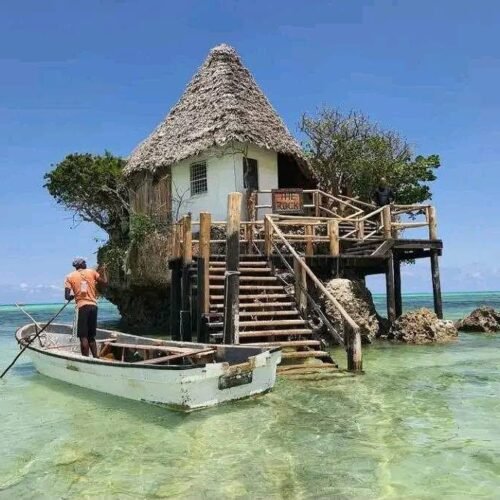
Experience Tanzania at its finest on an exclusive 10 Days Private Tanzania Grand Safari, combining unforgettable wildlife encounters, breathtaking landscapes, cultural discovery, and tropical island...
Duration
10 Days
$7000
Next Departures
October 16, 2026 (Available)October 17, 2026 (Available)October 18, 2026 (Available)
Featured
Escape into the wild heart of Tanzania on an exclusive 7 Days Private Wildlife Escape, designed for travelers who want to experience Tanzania's most remarkable...
Lake manyara national park, Ngorongoro park, Serengeti National park, Tarangire National park
Medium
1-6 People
Duration
1 Day
$4900
Next Departures
October 16, 2026 (Available)October 17, 2026 (Available)October 18, 2026 (Available)
Featured
Discover the very best of Tanzania's Northern Safari Circuit on an exclusive 5 Days Private Tanzania Safari, designed for travelers who value privacy, flexibility, comfort,...
Duration
5 Days
$3500
Next Departures
October 16, 2026 (Available)October 17, 2026 (Available)October 18, 2026 (Available)
Featured
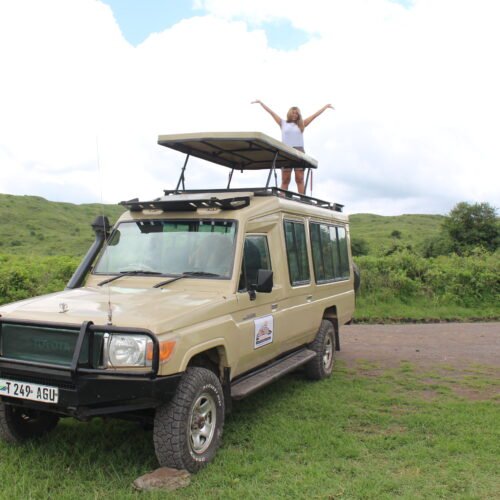
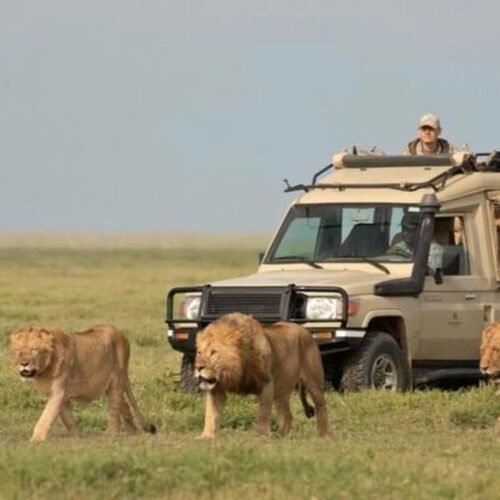
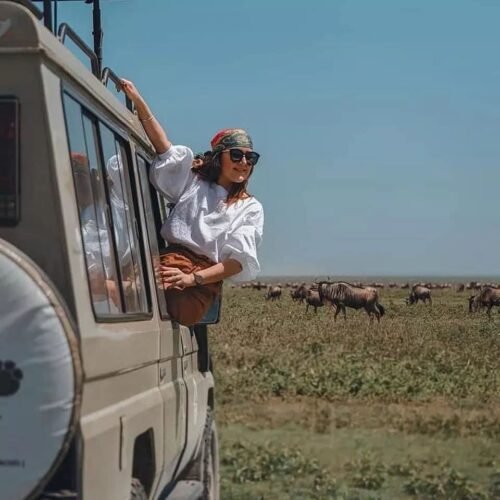
Experience Tanzania's legendary wildlife on an exclusive 3 Days Private Safari, designed for travelers who want the freedom, flexibility, and personal service of a private...
Duration
3 Days
$2100
Next Departures
October 16, 2026 (Available)October 17, 2026 (Available)October 18, 2026 (Available)
Featured
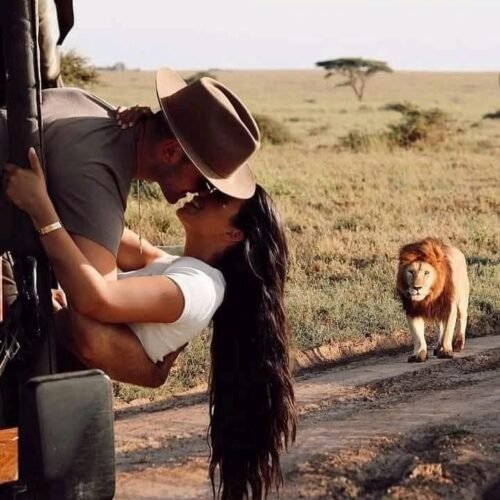


Begin your life together with an extraordinary 10 Days Ultimate Honeymoon Escape, combining Tanzania's legendary wildlife, breathtaking landscapes, romantic luxury, and the tropical beauty of...
Duration
10 Days
$6000
Next Departures
October 16, 2026 (Available)October 17, 2026 (Available)October 18, 2026 (Available)
Featured
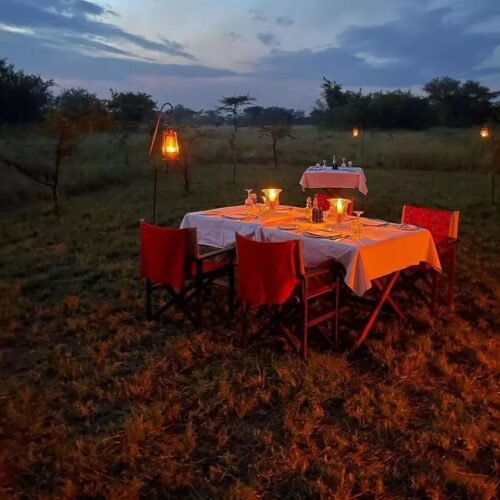
Escape into the heart of Tanzania on an unforgettable 8 Days Luxury Safari & Zanzibar, a romantic journey designed for couples who want to combine...
Duration
8 Days
$4800
Next Departures
October 16, 2026 (Available)October 17, 2026 (Available)October 18, 2026 (Available)
Featured
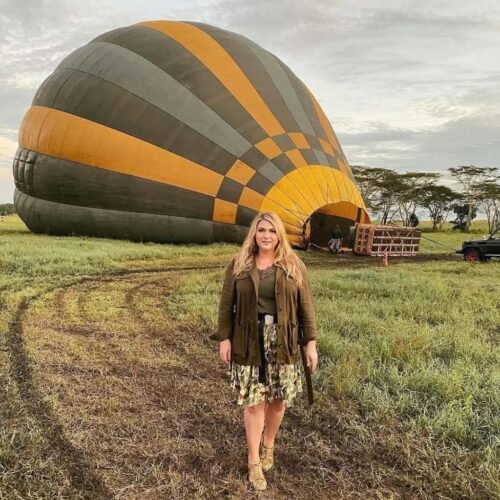
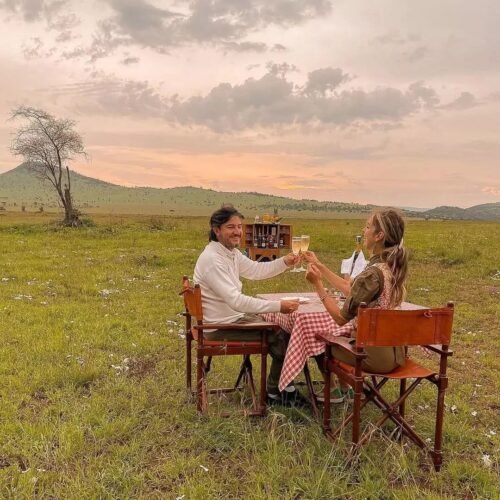


Celebrate your love in the heart of Africa with an unforgettable 7 Days Romantic Tanzania Safari, specially designed for couples seeking a perfect balance of...
Lake manyara national park, Ngorongoro park, Serengeti National park, Tarangire National park
Medium
1-6 People
Duration
7 Days
$4200
Next Departures
October 16, 2026 (Available)October 17, 2026 (Available)October 18, 2026 (Available)
Featured

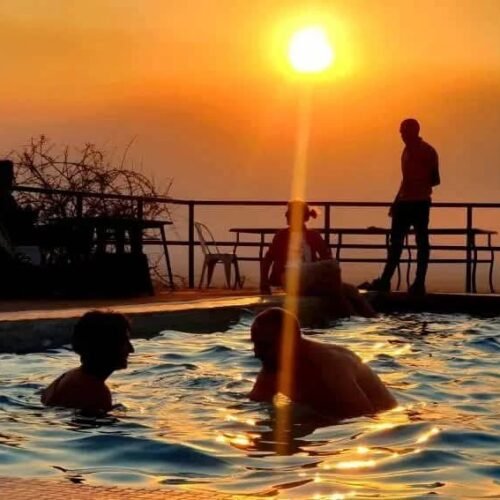

Celebrate the beginning of your life together with an unforgettable 5 Days Tanzania Honeymoon Safari, designed exclusively for couples seeking romance, adventure, privacy, and intimate...
Duration
5 Days
$3000
Next Departures
October 16, 2026 (Available)October 17, 2026 (Available)October 18, 2026 (Available)
Featured
Experience the best of Tanzania together as a family on an unforgettable 10-day Family Safari & Zanzibar adventure, combining incredible wildlife encounters with a relaxing...
Duration
10 Days
$5000
Next Departures
October 16, 2026 (Available)October 17, 2026 (Available)October 18, 2026 (Available)
Featured
Embark on an unforgettable 7-day family wildlife adventure through Tanzania's spectacular Northern Safari Circuit, where every day brings a new opportunity to discover Africa's incredible...
Lake manyara national park, Ngorongoro park, Serengeti National park, Tarangire National park
Medium
1-6 People
Duration
7 Days
$3500
Next Departures
October 16, 2026 (Available)October 17, 2026 (Available)October 18, 2026 (Available)
Featured
Duration
5 Days
$2500
Next Departures
October 16, 2026 (Available)October 17, 2026 (Available)October 18, 2026 (Available)
Featured
Experience Tanzania at its most extraordinary on the 9 Days Ultimate Luxury Safari, an exclusive journey through the country's most iconic wildlife destinations. Designed for...
Lake manyara national park, Ngorongoro park, Serengeti National park, Tarangire National park
Medium
1-6 People
Duration
9 Days
$6300
Next Departures
October 16, 2026 (Available)October 17, 2026 (Available)October 18, 2026 (Available)