
- 1
- 8
- 12
- 2
Lake manyara national park
Where Forest, Wildlife & the Great Rift Valley Meet
Overview
Lake Manyara National Park is one of Tanzania’s most diverse and visually distinctive safari destinations. Located at the foot of the Great Rift Valley escarpment, the park combines groundwater forests, open grasslands, acacia woodland, wetlands, hot springs, and the shallow alkaline waters of Lake Manyara.
Although it is smaller than destinations such as Serengeti and Tarangire, Lake Manyara offers an impressive variety of landscapes and wildlife within a relatively compact area.
The park is particularly known for its large elephant population, tree-climbing lions, abundant birdlife, baboons, lush groundwater forests, and spectacular Rift Valley scenery.
For travelers exploring Tanzania’s Northern Safari Circuit, Lake Manyara provides an excellent contrast to the open plains of Serengeti and the volcanic landscapes of Ngorongoro.
It is particularly suitable for short safaris, family adventures, photography, birdwatching, and travelers looking to experience several different ecosystems in one journey.
Why Visit Lake Manyara?
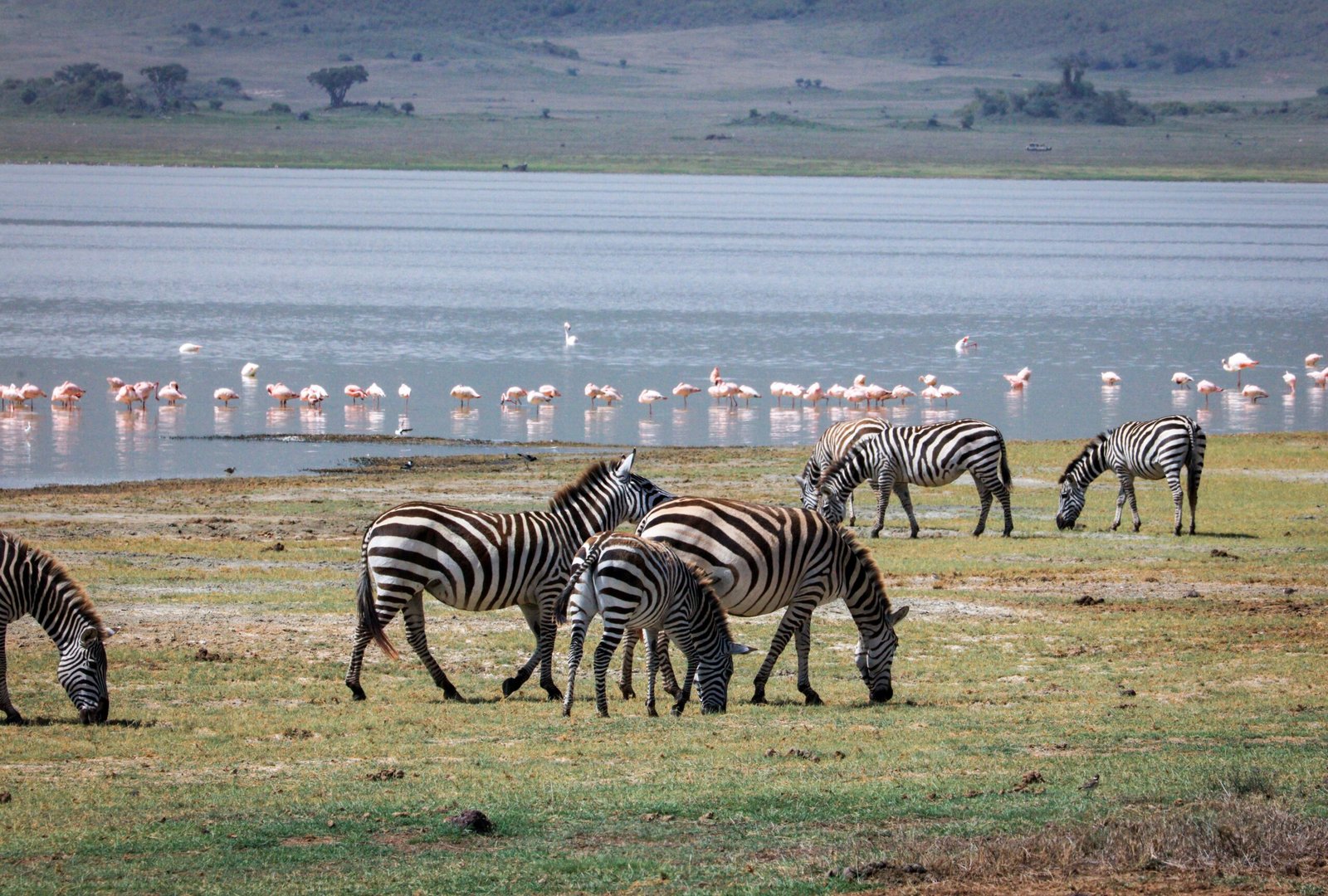
1. Extraordinary Landscape Diversity
One of Lake Manyara’s greatest attractions is how quickly the scenery changes.
Within a relatively short drive, you can move through:
- Dense groundwater forest
- Open grasslands
- Acacia woodland
- Marshes
- Hot springs
- Lake shoreline
- Rift Valley escarpment
This makes the park feel much larger and more diverse than its size might suggest.
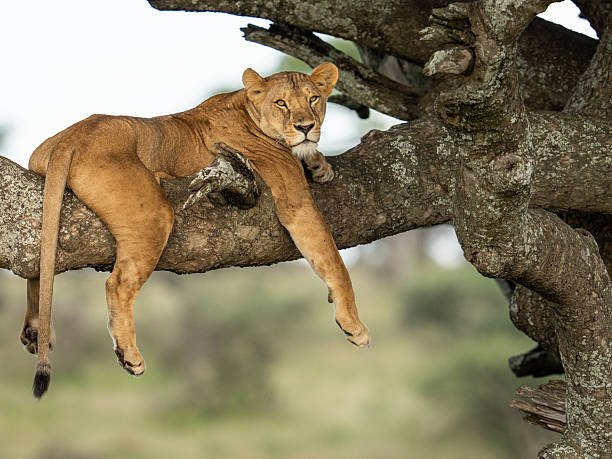
2. Tree-Climbing Lions
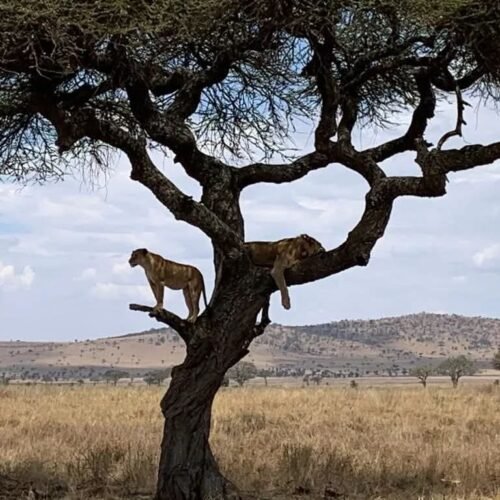
Lake Manyara is internationally famous for its tree-climbing lions.
Lions are occasionally seen resting on branches of large trees, particularly during hot periods.
The behavior is fascinating because lions are more commonly associated with resting on the ground.
However, it is important to understand that tree-climbing lion sightings are not guaranteed.
Wild animals behave naturally, and the lions may spend their time on the ground instead.
3. Large Elephant Population
Elephants are another major attraction.
Manyara’s elephants can often be seen moving through woodland, feeding near open areas, or traveling in family groups.
Watching elephants surrounded by the park’s green vegetation can create very different photographic opportunities from the drier landscapes of Tarangire.
Lake Manyara Wildlife
Despite its relatively compact size, the park supports a diverse range of wildlife.
Elephants
Large elephant families are one of the park’s most memorable attractions.
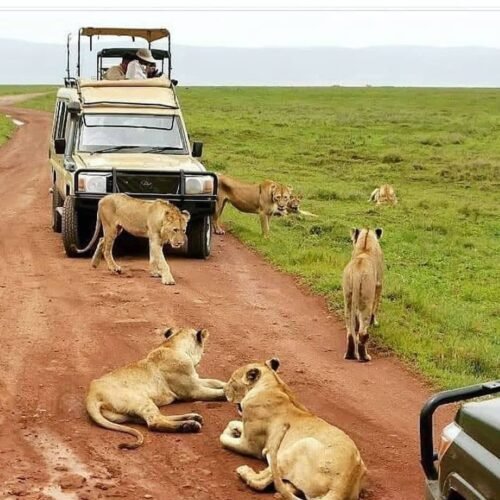
Lions
Lions are present throughout the park and are particularly famous for their occasional tree-climbing behavior.
Leopards
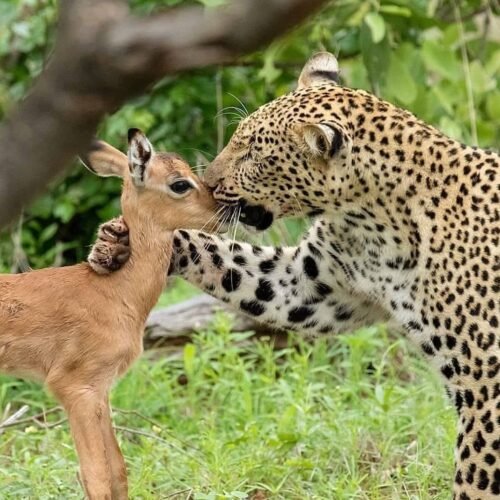
Leopards occur in the park but are elusive and difficult to spot.
Buffaloes
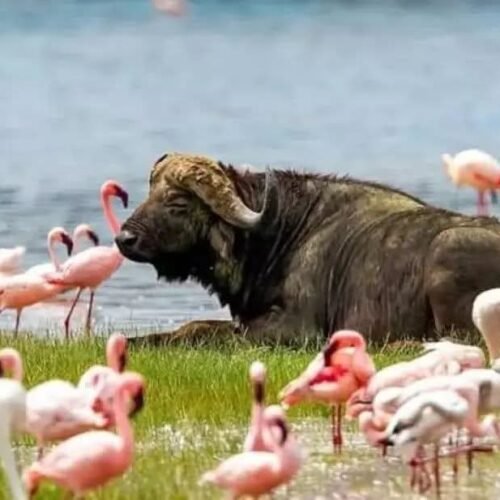
Large buffaloes can frequently be found around grasslands and wetlands.
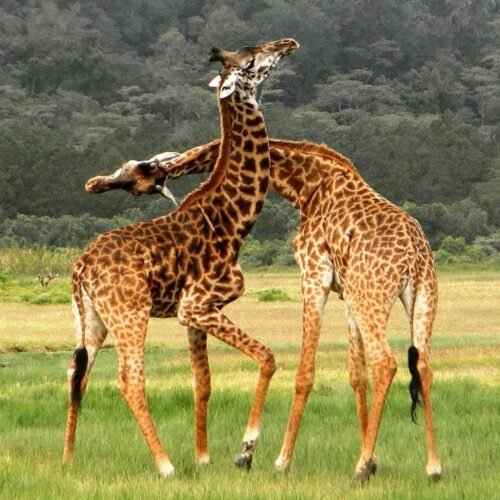
Giraffes
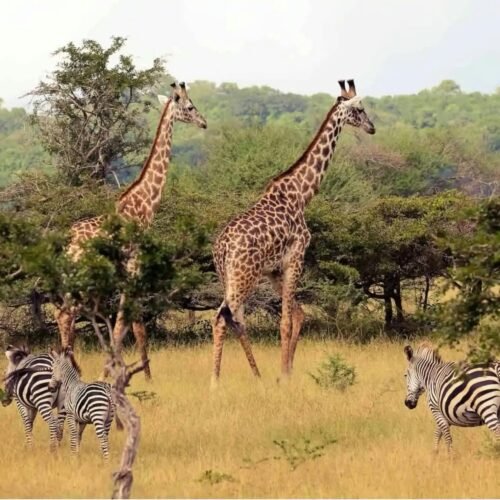
Giraffes are commonly encountered in woodland and open areas.
Zebras
Zebra can often be seen grazing across open grasslands.
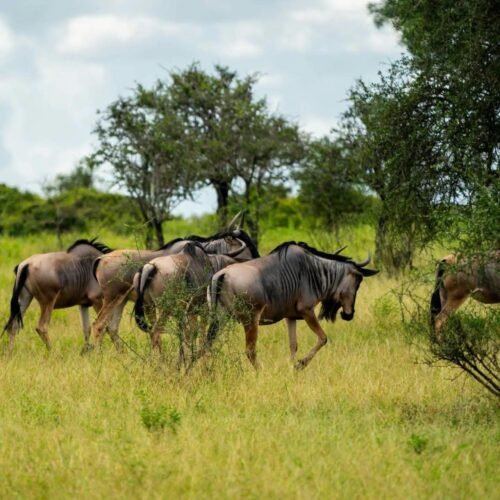
Wildebeest
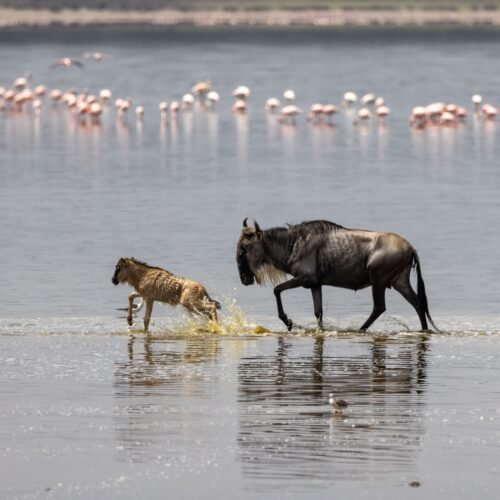
Wildebeest form part of the park’s herbivore population.
Hippos
Hippos are associated with the lake and wetland environments.
Baboons
Large troops of baboons are one of the more noticeable primate populations in the park.
Monkeys
Blue monkeys and other primates can be found particularly around the forested areas.
Warthogs
Warthogs are commonly seen in open areas and grasslands.
Birdlife
Lake Manyara is particularly attractive to birdwatchers.
The park’s combination of forest, wetlands, lake habitat, and grasslands creates excellent conditions for a wide variety of birds.
Depending on the season, visitors may encounter:
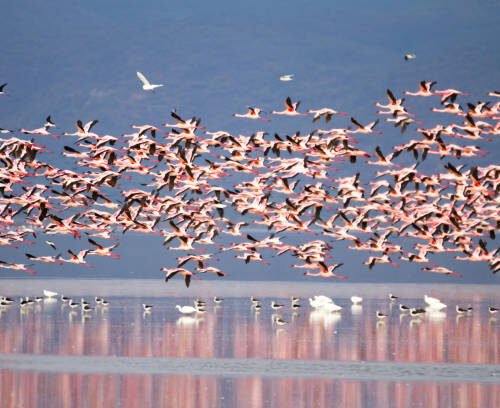
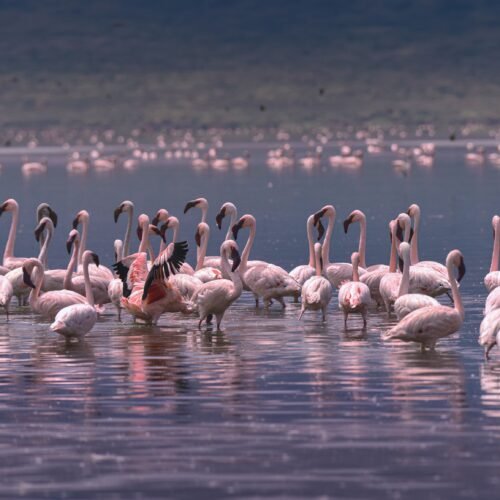
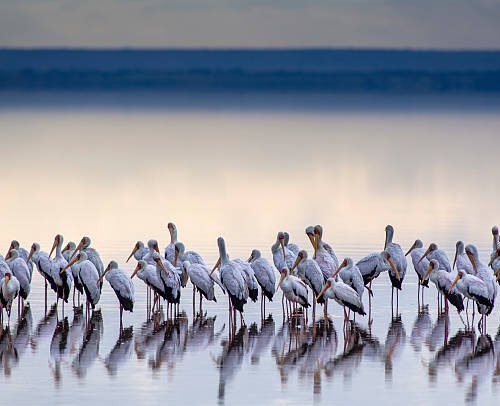
- Flamingos
- Pelicans
- Storks
- Herons
- Egrets
- Kingfishers
- Hornbills
- Eagles
- Vultures
- Weavers
- Bee-eaters
- Ostriches
- Various waterbirds
The lake itself can attract significant numbers of water-associated birds when conditions are suitable.
For serious birdwatchers, a longer visit with a specialist guide can be particularly rewarding.
Lake Manyara
The park takes its name from the shallow alkaline lake that occupies a significant portion of the valley floor.
The lake’s appearance changes considerably depending on rainfall and seasonal water levels.
During wetter periods, the lake expands and supports extensive wetland habitats.
During dry periods, water levels may retreat, exposing more shoreline and concentrating some wildlife around remaining water sources.
The lake also contributes to the park’s spectacular scenery, particularly when viewed against the dramatic Rift Valley escarpment.
The Great Rift Valley
One of Lake Manyara’s most impressive geographical features is its location beneath the Great Rift Valley escarpment.
The escarpment rises dramatically above the park, creating a spectacular backdrop.
The combination of:
Lake + wildlife + forest + escarpment
makes Manyara one of the most visually distinctive destinations on the Northern Safari Circuit.
Groundwater Forest
As you enter Lake Manyara National Park, one of the first major changes in scenery is the lush groundwater forest.
Unlike the drier open plains found elsewhere in northern Tanzania, this area remains relatively green because underground water sources support the vegetation.
The forest provides habitat for:
- Elephants
- Baboons
- Monkeys
- Birds
- Bushbuck
- Other forest species
The cooler, shaded environment also provides a pleasant contrast to open safari landscapes.
Hot Springs
The park contains geothermal features, including hot springs.
These areas demonstrate the geological activity associated with the Great Rift Valley.
Some hot springs can be observed from designated areas, depending on park access and current conditions.
Lake Manyara Wildlife Experience
A safari in Manyara is not necessarily about seeing the largest number of animals possible.
Instead, it is about experiencing different ecosystems in a compact area.
In one game drive, you may move from dense forest to open savannah and then to wetlands and lake environments.
This variety makes Manyara particularly attractive for travelers who appreciate landscapes as much as wildlife.
Things to Do in Lake Manyara
1. Game Drives
Game drives are the primary activity.
Your safari guide will take you through different areas of the park depending on wildlife movements, road conditions, and your interests.
2. Birdwatching
Manyara is one of the excellent birdwatching destinations on the Northern Circuit.
Bird enthusiasts should bring binoculars and allow time to observe smaller species rather than focusing only on large animals.
3. Wildlife Photography
The diversity of landscapes makes Manyara excellent for photography.
You can photograph:
- Elephants
- Lions
- Giraffes
- Baboons
- Birds
- Forest landscapes
- Lake scenery
- Rift Valley cliffs
4. Canoeing
Where permitted and available under current park regulations, canoeing experiences can provide a different perspective of the lake and surrounding environment.
Availability depends on water levels, weather, safety conditions, and park/operator arrangements.
5. Cultural Experiences
Cultural experiences with nearby communities can be incorporated into a wider safari itinerary.
These can provide opportunities to learn about local traditions, livelihoods, crafts, food, and the relationship between communities and the surrounding environment.
6. Walking Experiences
Guided walking activities may be available in designated areas and under appropriate supervision.
Walking allows travelers to focus on smaller aspects of the ecosystem such as tracks, plants, insects, birds, and animal signs.
Best Time to Visit Lake Manyara
Lake Manyara is a year-round destination, but different seasons offer different experiences.
June – October
Dry Season
The weather is generally cooler and drier.
Wildlife viewing can be good, and game drives are often comfortable.
This is also one of the most popular periods for Tanzania safaris.
November – December
Short Rains
The landscape becomes greener and fresher.
Birdwatching can be particularly rewarding as seasonal species may be present.
January – March
Green scenery and birdlife can make this a beautiful period to visit.
The park may offer a quieter experience compared with peak periods.
April – May
Long Rains
The park can become extremely green and scenic.
Visitor numbers may be lower, but travelers should be prepared for wetter conditions.
Some roads and activities may be affected by rainfall.
Where to Stay
Lake Manyara accommodation is available both around the park and in nearby towns such as Mto wa Mbu and Karatu.
Options range from:
Budget
- Guesthouses
- Budget lodges
- Simple safari camps
Mid-Range
- Comfortable lodges
- Tented camps
- Safari camps
Luxury
- Luxury lodges
- Premium tented camps
- High-end safari properties
Your choice depends on your budget, itinerary, and desired level of comfort.
How to Get to Lake Manyara
By Road
Lake Manyara is one of the easiest Northern Circuit parks to access.
From Arusha, the journey generally takes around 2–3 hours, depending on traffic, road conditions, and your exact destination.
This makes it particularly suitable for:
- Day trips
- 2-day safaris
- Family safaris
- Short Northern Circuit itineraries
A common route is:
Arusha → Lake Manyara → Ngorongoro → Serengeti
By Air
Domestic flights may be available to nearby airstrips depending on the season and operator.
For most travelers visiting Lake Manyara as part of a Northern Circuit safari, road travel is practical and convenient.
How Many Days Should You Spend in Lake Manyara?
One Day
A full-day game drive is usually sufficient to experience the park’s major highlights.
Two Days
Two days allow a slower pace and more opportunities for photography and birdwatching.
Longer Stays
Longer stays can be useful if you want to combine wildlife viewing with cultural experiences, walking, or other activities in the surrounding area.
For most Northern Circuit itineraries, one night or one full day is enough before continuing to Ngorongoro.
Lake Manyara for Families
Lake Manyara can be an excellent family destination.
The variety of landscapes keeps the experience interesting, while the relatively compact park can reduce long hours of driving.
Children can learn about:
- Elephants
- Lions
- Birds
- Forest ecosystems
- Lakes
- The Great Rift Valley
- Conservation
Private safari vehicles are particularly useful for families because the itinerary can be adjusted around children’s needs.
Lake Manyara for Honeymooners
Couples can enjoy Manyara as part of a romantic Northern Tanzania itinerary.
Private game drives, beautiful scenery, comfortable lodges, and opportunities for quiet wildlife viewing can make the park a memorable stop.
Manyara can easily be combined with:
Tarangire + Ngorongoro + Serengeti + Zanzibar
for a complete honeymoon journey.
Lake Manyara for Photographers
Manyara offers a different photography experience from Serengeti.
Instead of endless open plains, photographers can capture:
- Elephants in forest
- Tree-climbing lions
- Giraffes against the Rift Valley
- Flamingos and waterbirds
- Baboons
- Forest landscapes
- Lake reflections
- Dramatic escarpment scenery
The diversity of backgrounds makes the park particularly interesting for photographers.
Conservation & Responsible Tourism
Lake Manyara is an important protected ecosystem within Tanzania’s network of national parks.
Responsible tourism helps protect its wildlife, forests, wetlands, and surrounding environment.
Visitors should:
- Follow park regulations
- Maintain safe distances from wildlife
- Never feed animals
- Avoid littering
- Avoid excessive noise
- Stay on designated routes
- Respect wildlife
- Follow the guide’s instructions
- Respect local communities and cultural practices
Small responsible choices from visitors help protect the park for future generations.
Lake Manyara Travel Tips
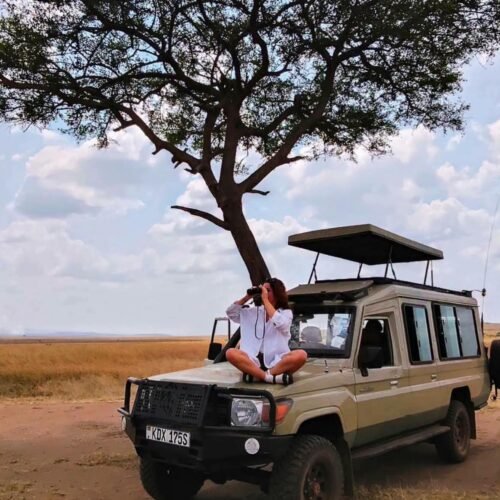
Bring Binoculars
Particularly useful for birdwatching and observing wildlife from a distance.
Bring a Camera
The combination of forest, wildlife, lake, and escarpment creates excellent photographic opportunities.
Wear Comfortable Clothing
Lightweight neutral-colored clothing is recommended.
Carry a Light Jacket
Mornings can be cool, particularly during the dry season.
Bring Sun Protection
Sunscreen, sunglasses, and a hat are essential.
Carry Insect Repellent
This is particularly useful around forest and wetland environments.
Be Patient
Do not expect every famous animal to appear immediately. Wildlife moves naturally through the park.
Frequently Asked Questions
What is Lake Manyara National Park famous for?
The park is particularly famous for its tree-climbing lions, elephants, birdlife, groundwater forests, lake scenery, and Great Rift Valley landscapes.
Can I see tree-climbing lions?
Yes, Lake Manyara is famous for this behavior, but sightings are not guaranteed.
Is Lake Manyara worth visiting?
Absolutely. Its combination of forests, wetlands, wildlife, birds, lake scenery, and Rift Valley landscapes makes it a unique destination.
Can I see the Big Five?
Lake Manyara supports several Big Five species, but seeing all five is unlikely and cannot be guaranteed.
Is Lake Manyara good for birdwatching?
Yes. It is one of the better birdwatching destinations on Tanzania’s Northern Circuit.
Can I see flamingos?
Flamingos may be present depending on water conditions, season, and food availability.
How far is Lake Manyara from Arusha?
The park is approximately 120–130 kilometres from Arusha, with the journey commonly taking around 2–3 hours.
Can I visit Lake Manyara in one day?
Yes. A full-day safari can provide a good introduction to the park.
Can I combine Lake Manyara with Ngorongoro?
Yes. The two destinations are commonly combined because they are relatively close to each other.
Can I combine Lake Manyara with Serengeti?
Absolutely. A popular itinerary is:
Lake Manyara → Ngorongoro → Serengeti.
Is Lake Manyara suitable for children?
Yes. Its diverse scenery and relatively compact size make it a good family destination.
Is Lake Manyara good for honeymooners?
Yes. It can be included as part of a romantic Northern Tanzania safari.
Can I do a walking safari?
Walking experiences may be available in designated areas and subject to current park regulations.
Can I go canoeing?
Canoeing may be available under suitable conditions, but availability depends on water levels, weather, safety, and current park/operator arrangements.
What is the best time to visit Lake Manyara?
June to October is generally excellent for comfortable safari conditions, while the green season can be especially attractive for scenery and birdwatching.
Is Lake Manyara open all year?
The park can be visited year-round, although weather and road conditions vary between seasons.
Experience Lake Manyara With Kili2Sere Adventure
From elephants moving through lush groundwater forests to lions resting high in the trees and birds gathering around the lake, Kili2Sere Adventure gives travelers the opportunity to experience the remarkable diversity of Lake Manyara.
Whether you’re planning a budget safari, mid-range safari, luxury safari, family adventure, honeymoon, or private safari, we can incorporate Lake Manyara into a personalized Northern Tanzania itinerary.
Discover Where the Rift Valley Meets the Wild
Explore Lake Manyara with Kili2Sere Adventure and experience one of Tanzania’s most diverse safari destinations.
Featured
Escape into the wild heart of Tanzania on an exclusive 7 Days Private Wildlife Escape, designed for travelers who want to experience Tanzania's most remarkable...
Lake manyara national park, Ngorongoro park, Serengeti National park, Tarangire National park
Medium
1-6 People
Duration
1 Day
$4900
Next Departures
October 16, 2026 (Available)October 17, 2026 (Available)October 18, 2026 (Available)
Featured
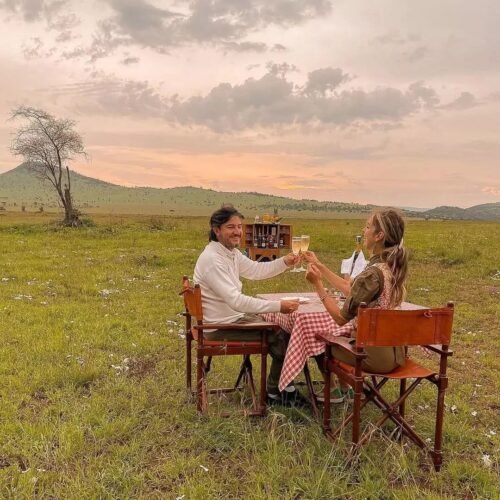


Celebrate your love in the heart of Africa with an unforgettable 7 Days Romantic Tanzania Safari, specially designed for couples seeking a perfect balance of...
Lake manyara national park, Ngorongoro park, Serengeti National park, Tarangire National park
Medium
1-6 People
Duration
7 Days
$4200
Next Departures
October 16, 2026 (Available)October 17, 2026 (Available)October 18, 2026 (Available)
Discover the diverse landscapes and wildlife of Lake Manyara National Park on a full-day safari adventure. Located at the foot of the Great Rift Valley...
Duration
1 Day
$750
Next Departures
October 16, 2026 (Available)October 17, 2026 (Available)October 18, 2026 (Available)
Featured

Embark on an unforgettable 7-day family wildlife adventure through Tanzania's spectacular Northern Safari Circuit, where every day brings a new opportunity to discover Africa's incredible...
Lake manyara national park, Ngorongoro park, Serengeti National park, Tarangire National park
Medium
1-6 People
Duration
7 Days
$3500
Next Departures
October 16, 2026 (Available)October 17, 2026 (Available)October 18, 2026 (Available)
Featured
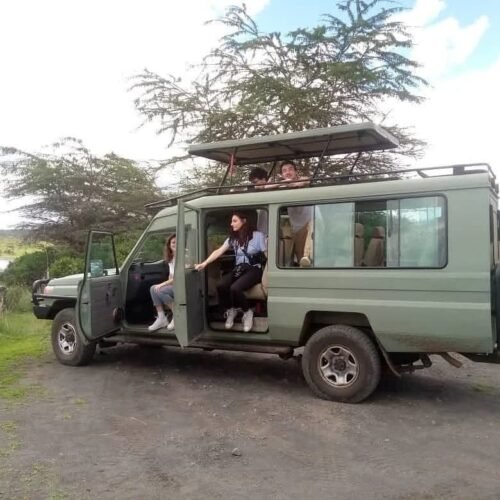

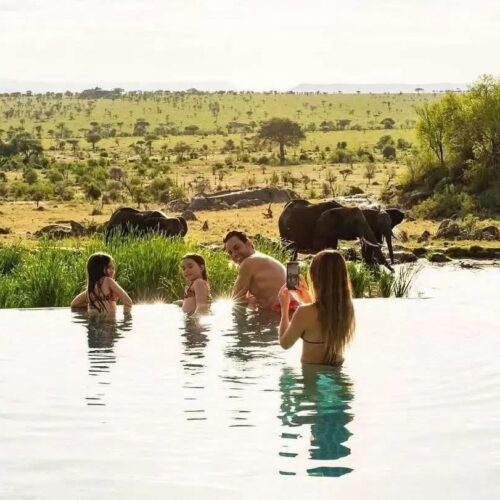
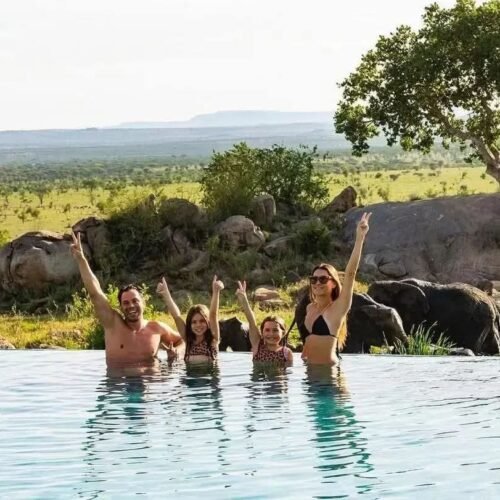

Create unforgettable family memories in the heart of Tanzania on this exciting 4-day Family Safari Adventure, designed to make wildlife exploration enjoyable, comfortable, and engaging...
Duration
4 Days
$2000
Next Departures
October 16, 2026 (Available)October 17, 2026 (Available)October 18, 2026 (Available)
Featured
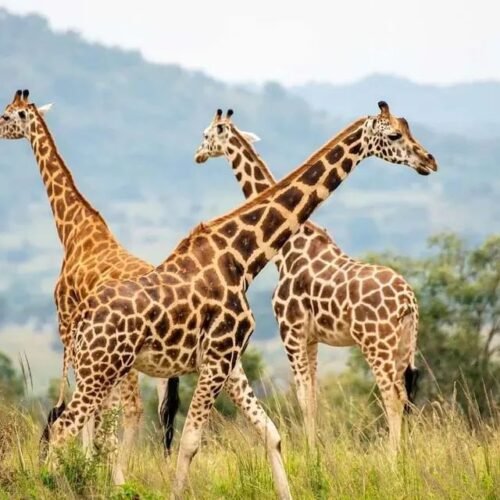
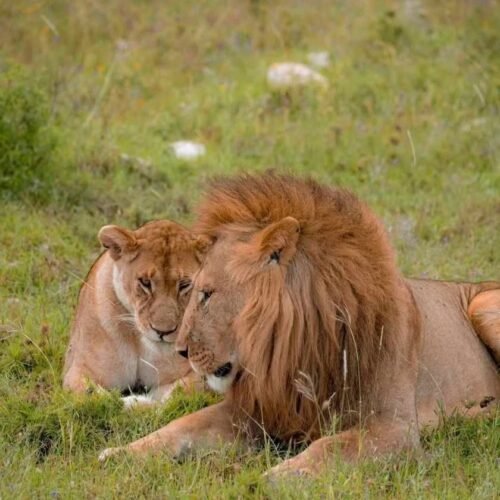
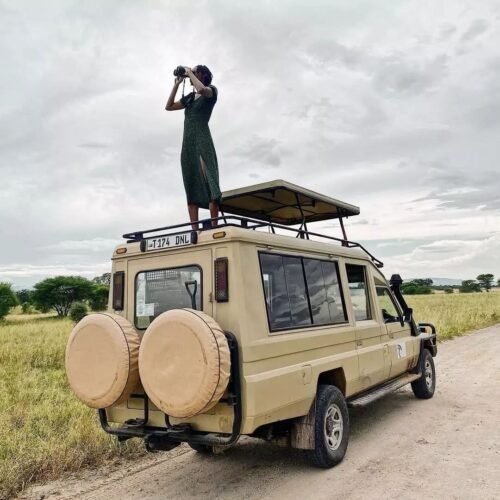
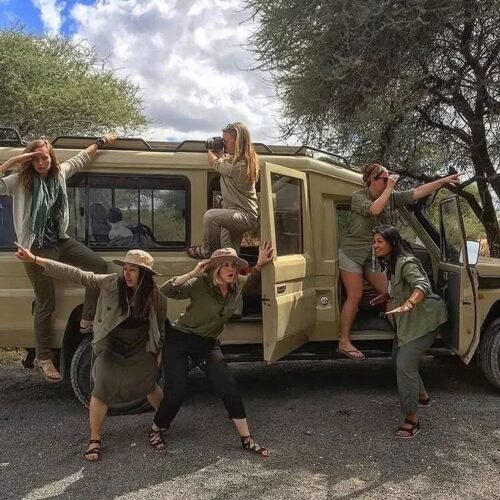
Experience Tanzania at its most extraordinary on the 9 Days Ultimate Luxury Safari, an exclusive journey through the country's most iconic wildlife destinations. Designed for...
Lake manyara national park, Ngorongoro park, Serengeti National park, Tarangire National park
Medium
1-6 People
Duration
9 Days
$6300
Next Departures
October 16, 2026 (Available)October 17, 2026 (Available)October 18, 2026 (Available)
Featured
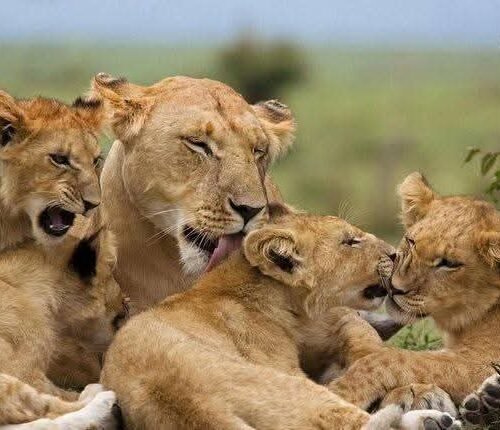
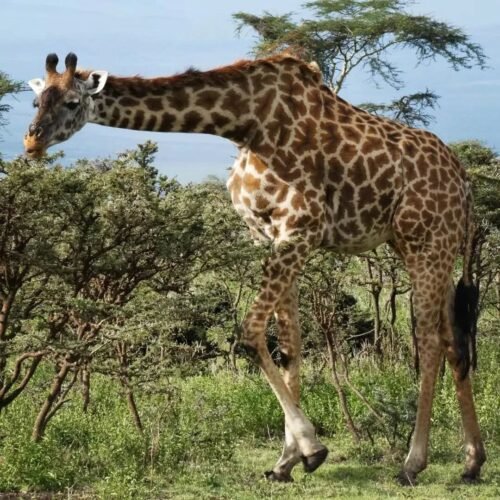
Experience Tanzania at its finest on an exclusive 7-day luxury safari through the heart of the Northern Safari Circuit. This carefully designed journey combines the...
Lake manyara national park, Ngorongoro park, Serengeti National park, Tarangire National park
Medium
1-6 People
Duration
7 Days
$4900
Next Departures
October 16, 2026 (Available)October 17, 2026 (Available)October 18, 2026 (Available)
Featured

Experience the incredible diversity of Tanzania's Northern Safari Circuit on this unforgettable 7-day Tanzania Wildlife Safari. This carefully designed itinerary takes you through five remarkable...
Duration
7 Days
$3500
Next Departures
October 16, 2026 (Available)October 17, 2026 (Available)October 18, 2026 (Available)