
- 1
- 8
- 12
- 2
safari
Experience the Wild Heart of Tanzania
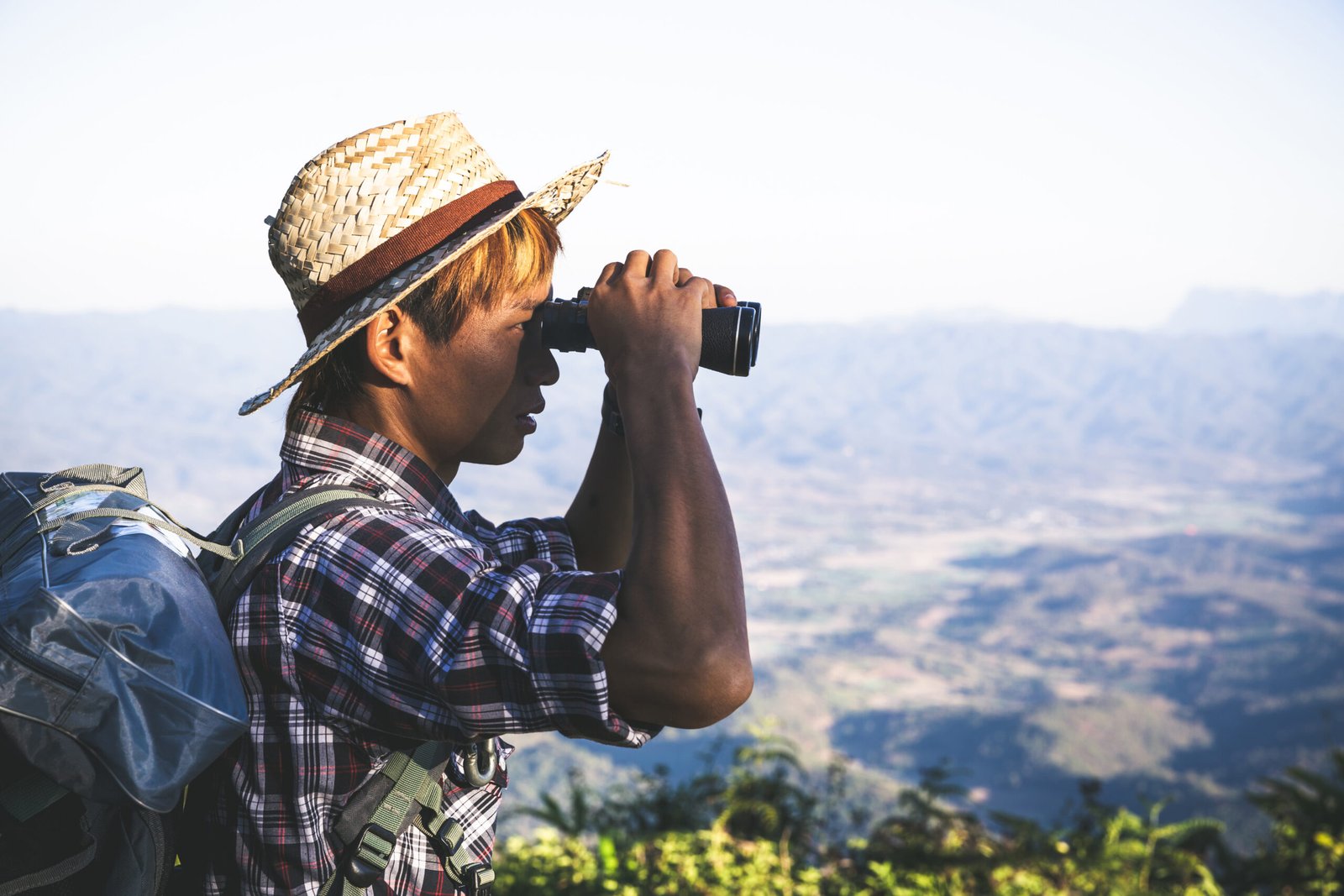
A safari is the heart of the Tanzania experience—a journey into some of Africa’s most spectacular national parks and protected areas to discover wildlife, breathtaking landscapes, diverse ecosystems, and the natural rhythms of the African wilderness.
At Kili2Sere Adventure, our safari experiences are designed to take you beyond simply “seeing animals.” We create immersive wildlife experiences where you can observe animals in their natural habitats, learn about Tanzania’s ecosystems, discover the stories behind the landscapes, and experience the beauty of the wilderness at your own pace.
Whether you are a first-time safari traveler, couple, honeymooner, family, photographer, wildlife enthusiast, or private traveler, we offer safari experiences that can be adapted to your interests, travel style, and available time.
What Is a Safari?
A safari is a guided journey through Tanzania’s national parks, conservation areas, and wildlife habitats to observe wildlife in its natural environment.
Unlike a zoo, wildlife in Tanzania is free-ranging and wild. Animals move according to food availability, water, weather, seasons, and natural behavior.
This unpredictability is part of what makes a safari so exciting.
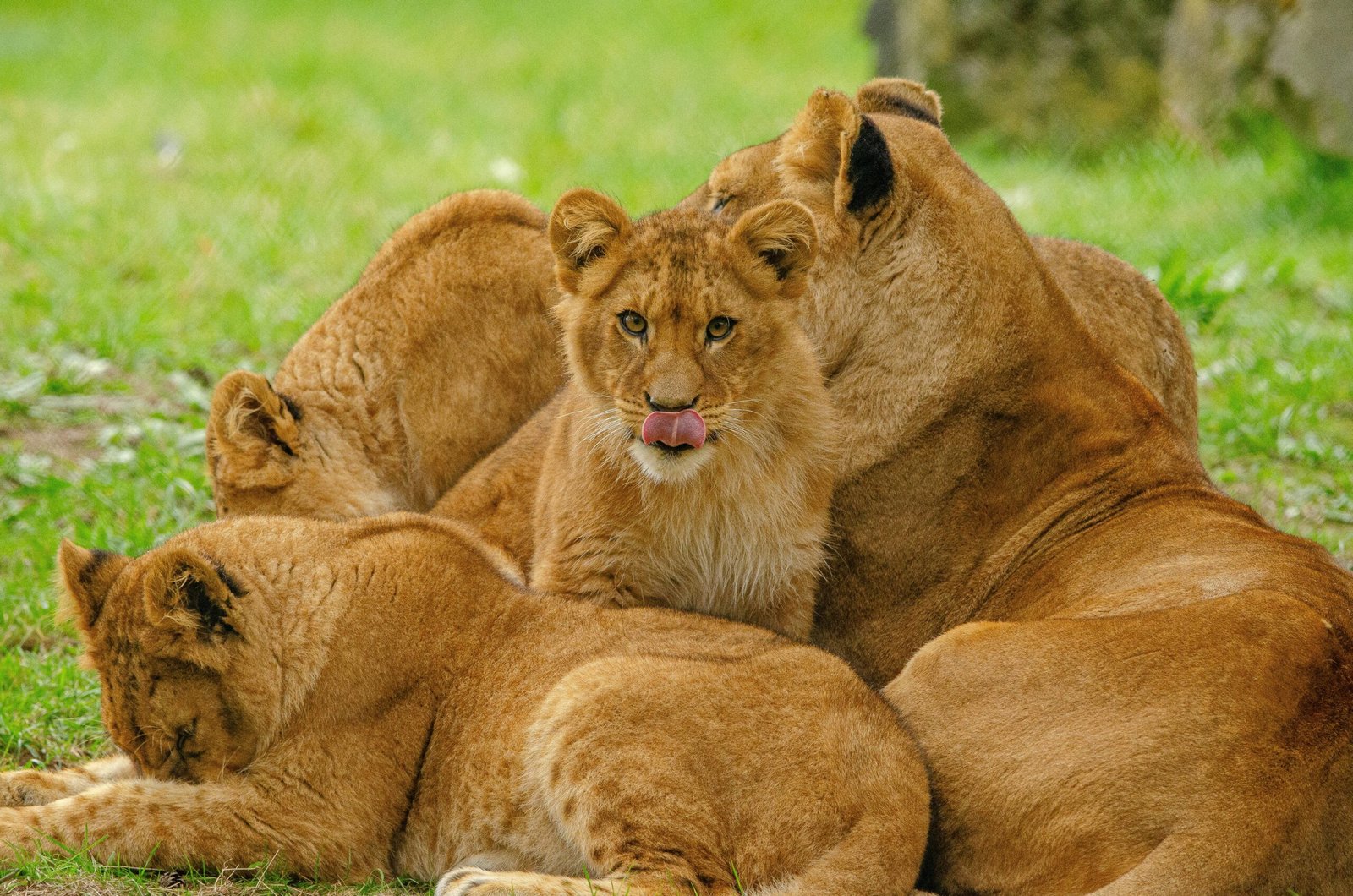
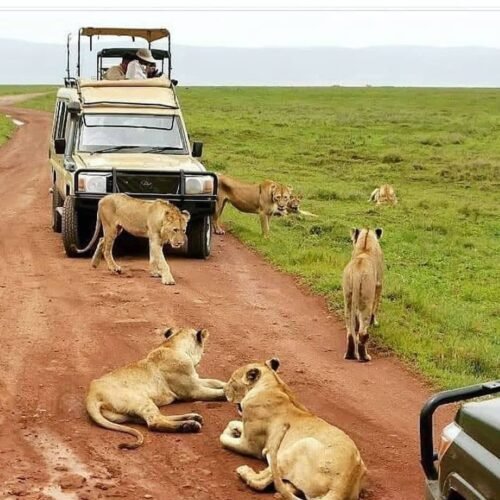
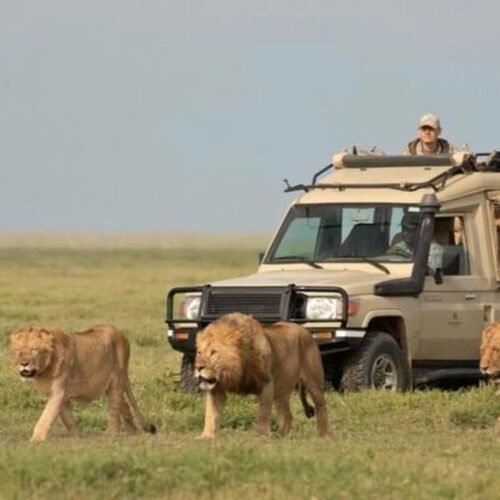
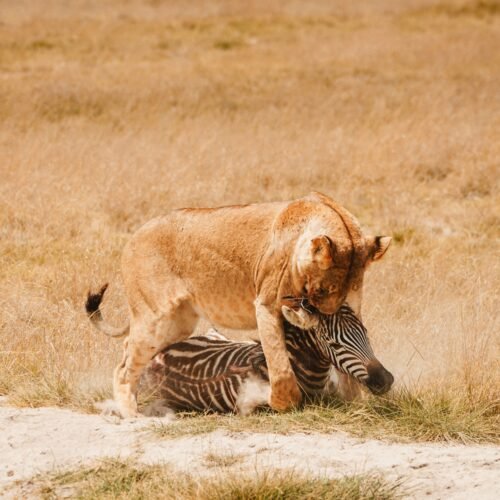
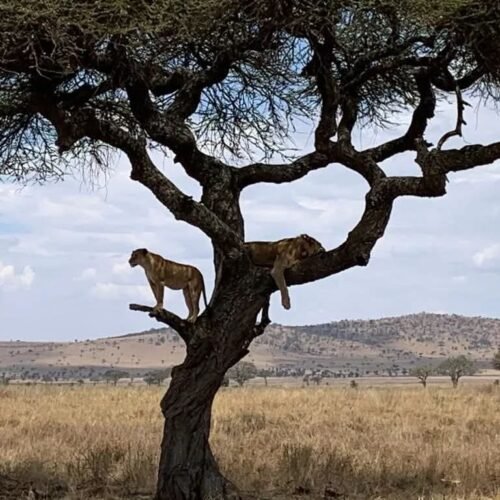
One moment you may be watching a herd of elephants crossing the road. A few minutes later, your guide may spot a lion resting beneath a tree or a leopard hidden in the grass.
Every game drive is different.
Why Experience a Safari With Kili2Sere Adventure?
Our safari experiences focus on combining:
- Professional guiding
- Comfortable safari vehicles
- Wildlife viewing
- Flexible itineraries
- Carefully selected accommodation
- Safety
- Local knowledge
- Authentic experiences
- Responsible tourism
We can organize safari experiences ranging from short day trips to extended multi-day adventures.
Our Safari Destinations
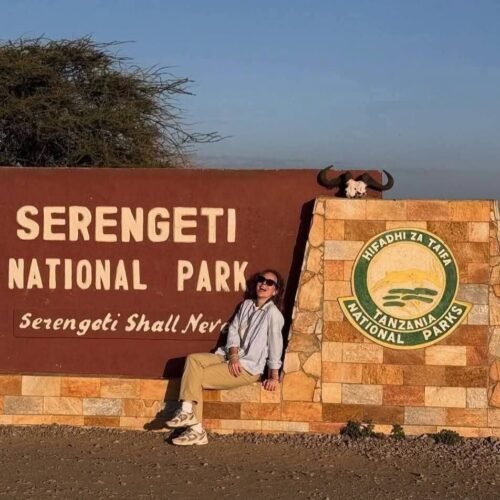
Serengeti National Park
The Serengeti is one of Tanzania’s most iconic wildlife destinations.
Its enormous grasslands provide habitat for some of Africa’s most famous animals, including:
- Lions
- Leopards
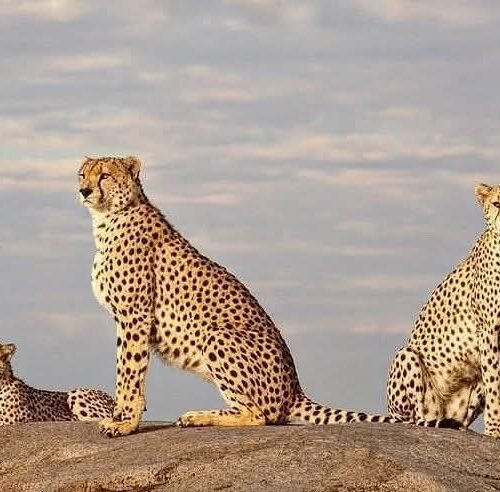
- Cheetahs
- Elephants
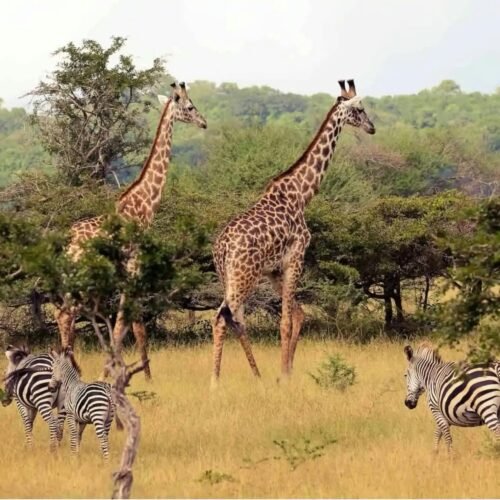
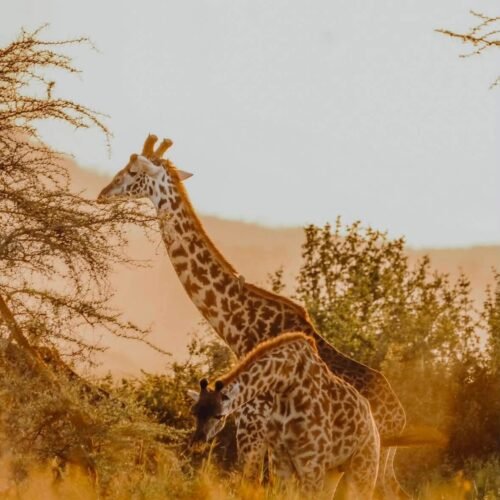
- Giraffes
- Buffaloes
- Zebras
- Wildebeest
- Hyenas
The Serengeti is also central to the Great Migration, although the location of migrating herds changes throughout the year.
Ngorongoro Conservation Area
The Ngorongoro Crater is one of Tanzania’s most extraordinary landscapes.
Inside the crater, visitors can experience a remarkable concentration of wildlife surrounded by dramatic volcanic scenery.
A crater safari can offer opportunities to see:
- Lions
- Buffaloes
- Zebras
- Wildebeest
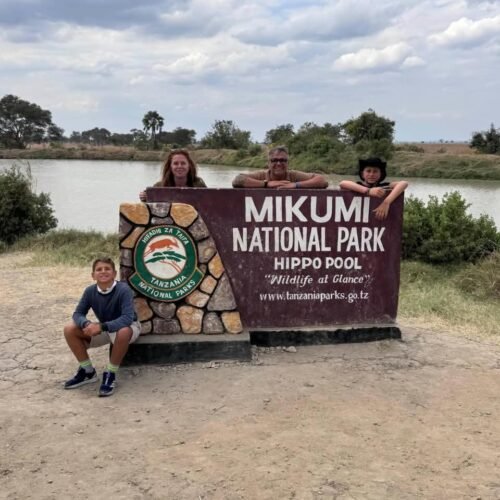
- Hippos
- Elephants
- Rhinos
Sightings are never guaranteed because wildlife remains wild.
Tarangire National Park
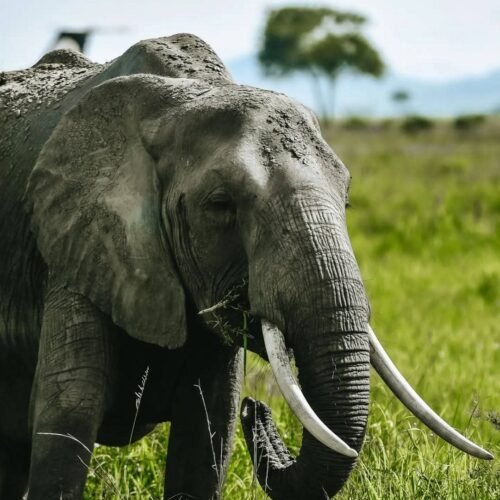
Tarangire is famous for its spectacular elephant sightings and enormous baobab trees.
The park’s landscapes change dramatically with the seasons, and during dry periods wildlife can gather around available water sources.
Visitors may encounter:
- Elephants
- Lions
- Giraffes
- Zebras
- Buffaloes
- Warthogs
- Antelopes
- Numerous bird species
Tarangire is an excellent destination for both first-time and experienced safari travelers.
Lake Manyara National Park
Lake Manyara offers a completely different safari environment.
The park includes:
- Groundwater forests
- Grasslands
- Wetlands
- Lake environments
- Woodland
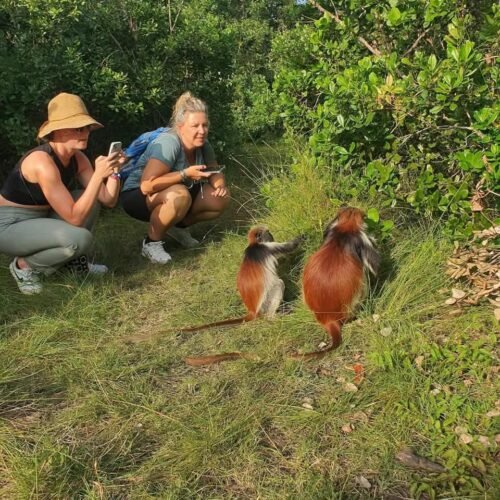
Wildlife can include elephants, giraffes, buffaloes, monkeys, hippos and numerous bird species.
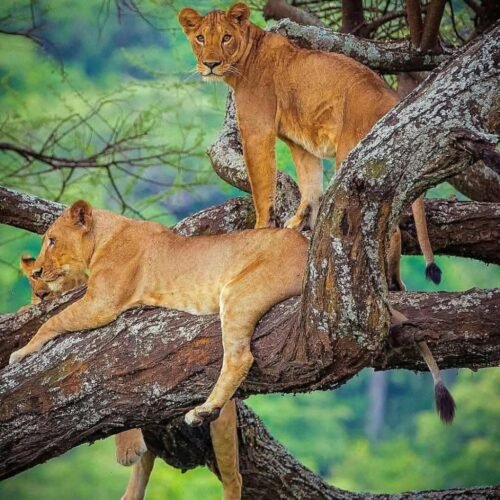
The park is also known for sightings of tree-climbing lions, although such behavior is naturally unpredictable.
Arusha National Park
Arusha National Park provides a combination of forests, grasslands, lakes and mountain scenery.
It can be ideal for travelers who have limited time or want to combine wildlife with other outdoor experiences.
Depending on the itinerary and applicable regulations, activities may include game drives, canoeing and guided walking experiences.
Types of Safari Experiences
Game Drive Safari
The classic Tanzania safari experience.
Travel through wildlife areas in a specially equipped 4×4 safari vehicle while your guide searches for wildlife and explains the surrounding ecosystem.
Game drives can take place during different times of the day.
Morning Game Drive
Early morning is one of the most exciting times to be in the wilderness.
Animals may be active after the cooler night, while the soft morning light creates excellent conditions for photography.
You may encounter:
- Predators returning from nighttime activity
- Herbivores feeding
- Birds becoming active
- Animals gathering around water
Afternoon Game Drive
Afternoon drives allow travelers to explore the park after lunch and continue into the later hours.
As temperatures begin to drop, some animals become more active.
Full-Day Game Drive
A full-day game drive allows you to spend most of the day exploring the park.
You can travel deeper into wildlife areas, stop for a picnic lunch where permitted, and maximize your time in the wilderness.
This can be particularly useful in destinations such as Serengeti where distances between wildlife areas can be considerable.
Wildlife Viewing
Wildlife viewing is the main attraction of a safari.
Depending on your destination and season, you may encounter the famous Big Five:
🦁 Lion
One of Africa’s most iconic predators.
🐘 Elephant
Tanzania is home to large elephant populations and Tarangire is particularly renowned for elephant encounters.
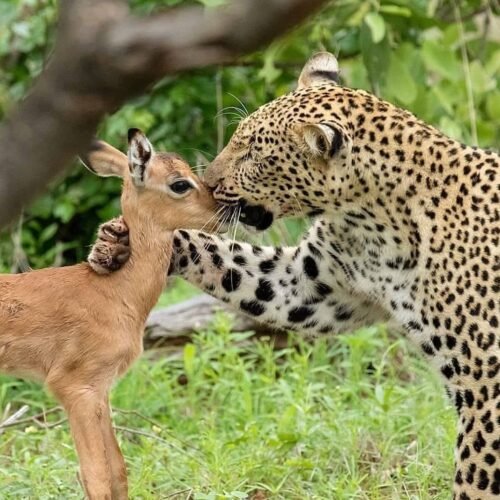
🐆 Leopard
Leopards are solitary and often difficult to spot, making an encounter especially rewarding.
🦏 Rhinoceros
Rhinos are less commonly encountered than many other large mammals, but selected areas offer opportunities to see them.
🐃 African Buffalo
Large herds can often be encountered in suitable habitats.
Remember: wildlife sightings are never guaranteed. Nature determines what you see.
The Great Migration
For many travelers, experiencing the Great Migration is a dream.
Large numbers of wildebeest, zebras and other herbivores move through the Serengeti ecosystem in response to seasonal conditions.
Depending on the time of year, travelers may experience:
- Large migrating herds
- Calving season
- Predator activity
- River crossings
- Dramatic wildlife interactions
Because the migration is a natural phenomenon, its exact location and timing cannot be guaranteed.
This is why choosing the right season and safari route is important.
Photography Safari
Tanzania provides extraordinary opportunities for wildlife and landscape photography.
You can capture:
- Lions
- Elephants
- Leopards
- Cheetahs
- Giraffes
- Zebras
- Birds
- Landscapes
- Sunrises
- Sunsets
For serious photographers, private safari arrangements can provide greater flexibility to spend additional time at interesting sightings, subject to park rules and animal welfare.
Birdwatching Safari
Tanzania is home to an extraordinary diversity of bird species.
During a safari, you may encounter:
- Eagles
- Vultures
- Flamingos
- Hornbills
- Storks
- Herons
- Kingfishers
- Secretary birds
- Ostriches
Our guides can help identify species and explain their role within the ecosystem.
Safari for Families
Family safari experiences can be adapted to suit parents and children.
Depending on age and itinerary, families can enjoy:
- Wildlife viewing
- Birdwatching
- Educational experiences
- Photography
- Cultural visits
- Shorter game drives
- Family-friendly accommodation
Private safari arrangements can provide additional flexibility for families.
Safari for Couples & Honeymooners
Couples can combine wildlife with romance.
A honeymoon safari can include:
- Private game drives
- Romantic accommodation
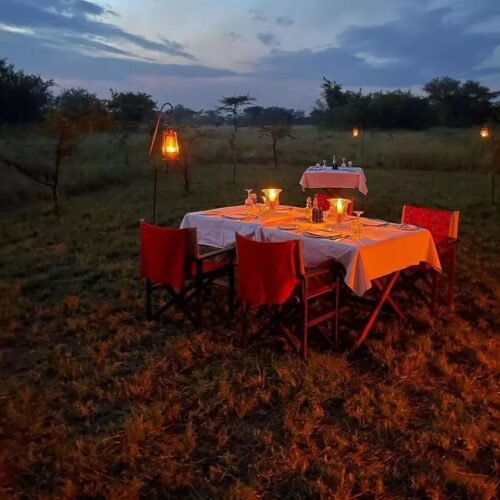
- Bush breakfasts
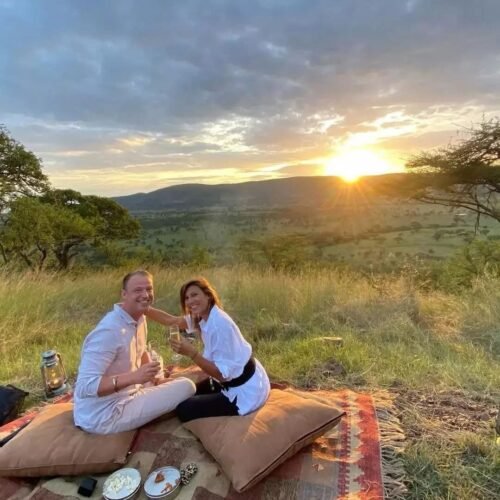
- Sundowners
- Private dining where available
- Luxury camps
- Zanzibar extensions
A popular combination is:
Safari → Zanzibar
Private Safari Experience
For travelers who want greater flexibility, we offer private safari arrangements where the vehicle is dedicated to your group.
This allows you to have greater control over:
- Daily schedule
- Wildlife viewing
- Photography time
- Stops
- Pace of travel
Adjustments remain subject to park regulations, road conditions and the agreed itinerary.
Safari Accommodation
Depending on your chosen safari package, accommodation can range from:
Budget
Campsites and selected affordable accommodation.
Mid-Range
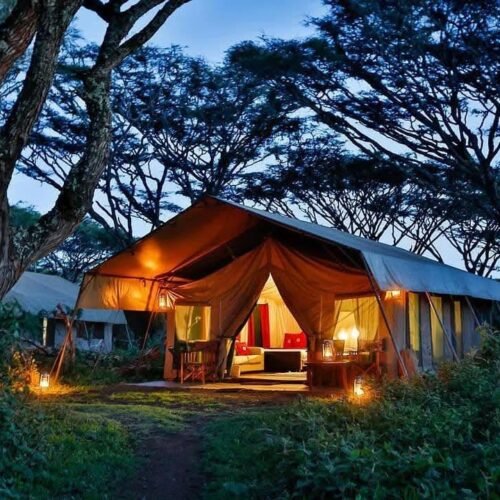
Comfortable lodges and permanent tented camps.
Luxury
Premium lodges, luxury tented camps and exclusive properties.
This allows travelers with different budgets to experience Tanzania’s wildlife.
Safari Vehicle
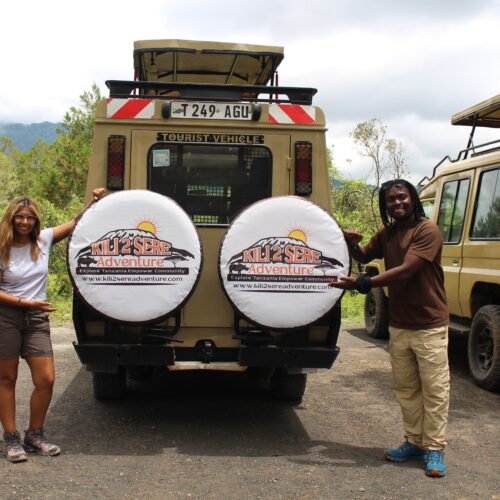
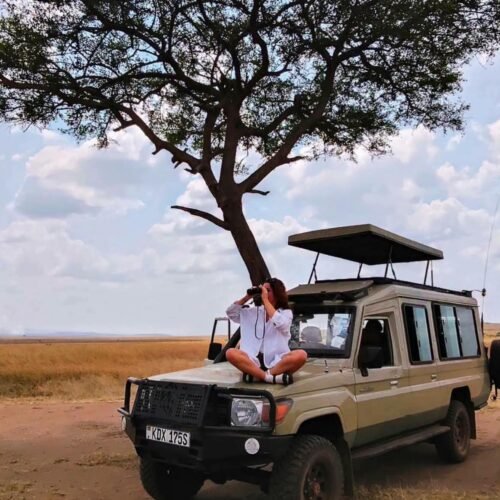
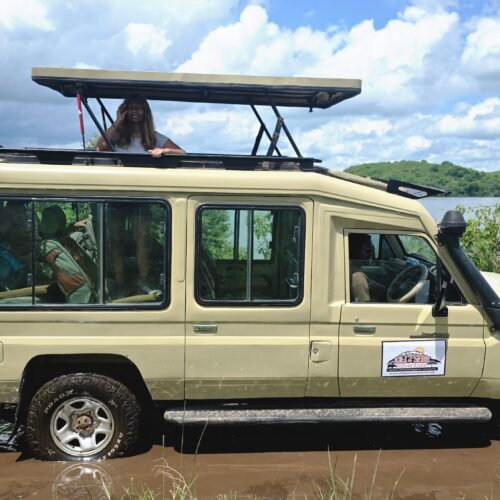
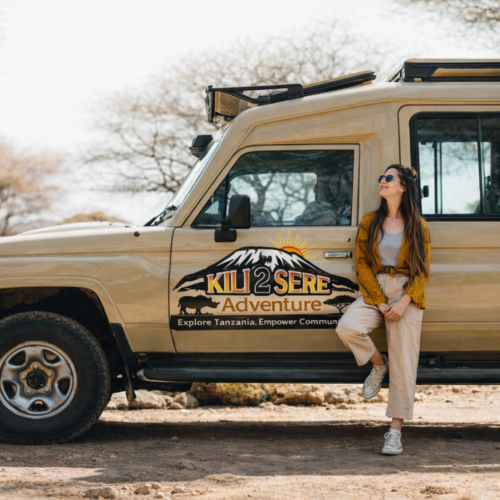
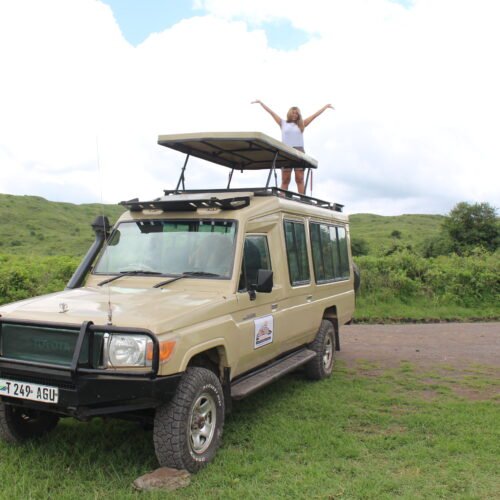
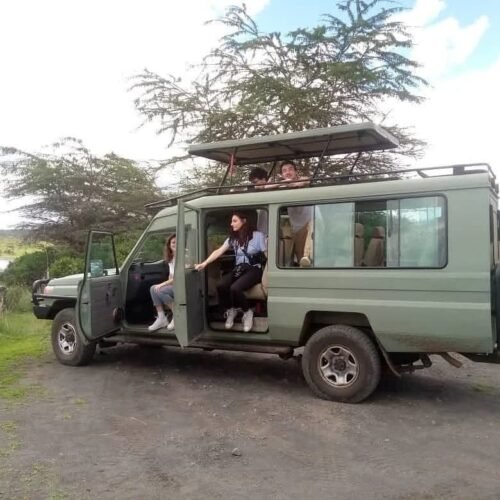
Safari drives are conducted using suitable 4×4 safari vehicles designed for wildlife viewing.
Depending on the vehicle, features may include:
- Pop-up/opening roof
- Large windows
- Comfortable seating
- Charging points
- Drinking water
- Cooler/fridge
- Camera equipment space
- Excellent visibility
Vehicle specifications vary according to the safari package and group size.
Safari Guide
Your guide is an essential part of the experience.
A professional guide can help you understand:
- Animal behavior
- Wildlife tracking
- Birds
- Plants
- Ecosystems
- Conservation
- Local geography
- Tanzanian culture
A good guide doesn’t simply find animals—they help you understand what you are seeing.
Responsible Safari & Conservation
We believe wildlife tourism should respect the environment and the animals that make Tanzania special.
During our safari experiences, travelers are encouraged to:
- Maintain appropriate distances from wildlife
- Never feed animals
- Never attempt to touch wild animals
- Follow park regulations
- Avoid littering
- Respect local communities
- Follow the guide’s instructions
- Avoid disturbing animals
Responsible tourism helps protect Tanzania’s natural heritage for future generations.
Best Time for a Safari
June – October
Generally dry conditions and excellent wildlife viewing opportunities.
January – March
Green landscapes and, depending on location and timing, the wildebeest calving season.
November – December
Short rains bring greener landscapes and can create beautiful photographic conditions.
April – May
Long rains produce lush scenery, although travelers should expect wetter conditions and potentially slower road conditions.
There is no single “perfect” month for every safari—the best time depends on what you want to experience.
What to Bring
For a comfortable safari, we recommend bringing:
- Comfortable lightweight clothing
- Warm layer for early mornings
- Comfortable shoes
- Hat
- Sunglasses
- Sunscreen
- Insect repellent
- Camera
- Binoculars
- Reusable water bottle
- Personal toiletries
- Necessary medication
For photography-focused travelers, additional camera batteries and memory cards are recommended.
Frequently Asked Questions
What animals can I see on safari?
Depending on the destination and season, you may see lions, elephants, leopards, cheetahs, buffaloes, giraffes, zebras, wildebeest, hippos, hyenas, antelopes, monkeys and many bird species.
Can I see the Big Five?
Yes, Tanzania offers opportunities to see the Big Five, particularly in destinations such as Serengeti and Ngorongoro. However, sightings are never guaranteed.
What is the best national park for safari?
It depends on your interests. Serengeti is exceptional for broad wildlife viewing and migration experiences, Ngorongoro for concentrated wildlife and dramatic scenery, and Tarangire for elephants and baobab landscapes.
How long should a safari be?
A short safari can be 2–3 days, while a more comprehensive Northern Tanzania safari can last 5–10 days or longer.
Is safari safe?
Safari is generally safe when travelers follow their professional guide’s instructions and park regulations. Wildlife should always be treated as wild and unpredictable.
Can children go on safari?
Yes. Family safaris can be designed around children’s ages, comfort and interests.
Can I book a private safari?
Yes. Private safari arrangements can be organized for couples, families, friends, photographers and other private groups.
Can I customize my safari?
Yes. Private itineraries can be customized around your preferred destinations, travel dates, accommodation level and interests.
Can I combine safari with Zanzibar?
Yes. A Tanzania safari followed by Zanzibar is one of the most popular combinations.
Can I combine safari with Kilimanjaro?
Yes. You can create a longer Tanzania adventure combining Kilimanjaro + Safari + Zanzibar.
Will I see animals every day?
Wildlife is present throughout Tanzania’s protected areas, but sightings and the number of animals vary naturally. No responsible operator can guarantee specific animal encounters.
What time do game drives start?
Morning game drives often begin early, while afternoon drives usually begin after lunch. Exact times depend on the itinerary, park rules, accommodation and season.
Can we stay longer at a wildlife sighting?
With a private safari, there is generally greater flexibility to spend more time at interesting sightings, subject to park rules, animal welfare and your itinerary.
Do safari vehicles have charging facilities?
Many modern safari vehicles provide charging options, but facilities vary by vehicle. This can be confirmed when booking.
Experience the Wild With Kili2Sere Adventure
A safari is not simply a drive through a national park.
It is the anticipation of finding wildlife.
It is the silence when your guide spots something in the distance.
It is watching a lion walk through the golden grass.
It is seeing elephants move across the landscape.
It is the sound of birds in the morning.
It is an African sunset over the Serengeti.
It is an experience you don’t simply see—you feel.
Explore Tanzania. Follow the Wild. Create Memories That Last.
Ready for your safari adventure?
Featured
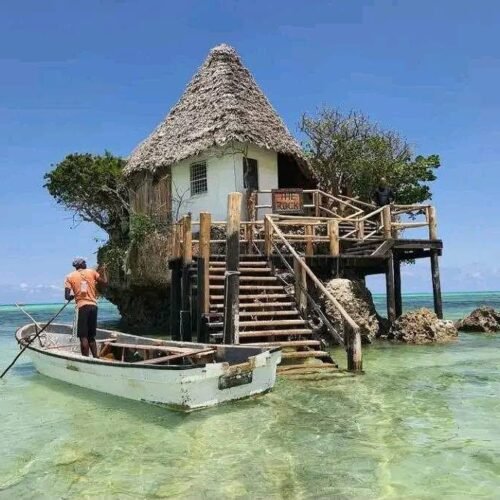
Experience Tanzania at its finest on an exclusive 10 Days Private Tanzania Grand Safari, combining unforgettable wildlife encounters, breathtaking landscapes, cultural discovery, and tropical island...
Duration
10 Days
$7000
Next Departures
September 1, 2026 (Available)September 2, 2026 (Available)September 3, 2026 (Available)
Featured
Escape into the wild heart of Tanzania on an exclusive 7 Days Private Wildlife Escape, designed for travelers who want to experience Tanzania's most remarkable...
Lake manyara national park, Ngorongoro park, Serengeti National park, Tarangire National park
Medium
1-6 People
Duration
1 Day
$4900
Next Departures
September 1, 2026 (Available)September 2, 2026 (Available)September 3, 2026 (Available)
Featured
Discover the very best of Tanzania's Northern Safari Circuit on an exclusive 5 Days Private Tanzania Safari, designed for travelers who value privacy, flexibility, comfort,...
Duration
5 Days
$3500
Next Departures
September 1, 2026 (Available)September 2, 2026 (Available)September 3, 2026 (Available)
Featured
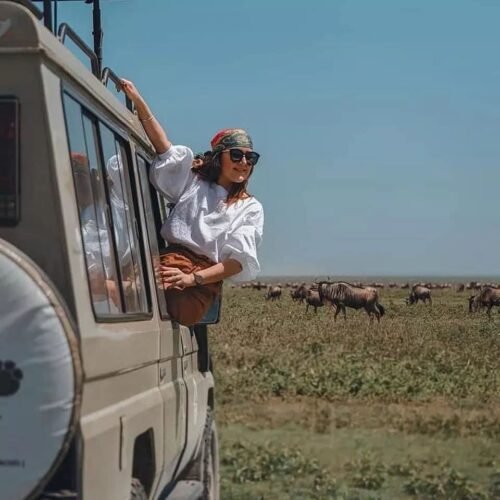
Experience Tanzania's legendary wildlife on an exclusive 3 Days Private Safari, designed for travelers who want the freedom, flexibility, and personal service of a private...
Duration
3 Days
$2100
Next Departures
September 1, 2026 (Available)September 2, 2026 (Available)September 3, 2026 (Available)
Featured
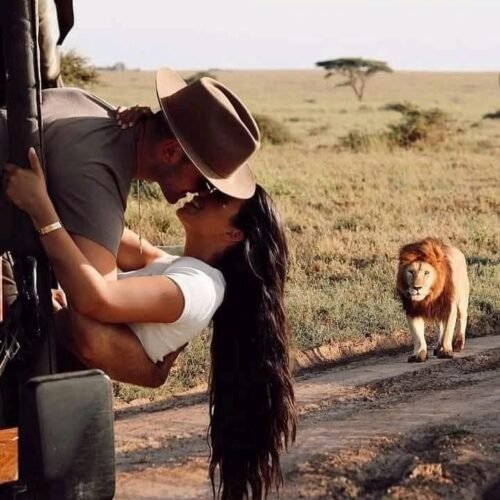


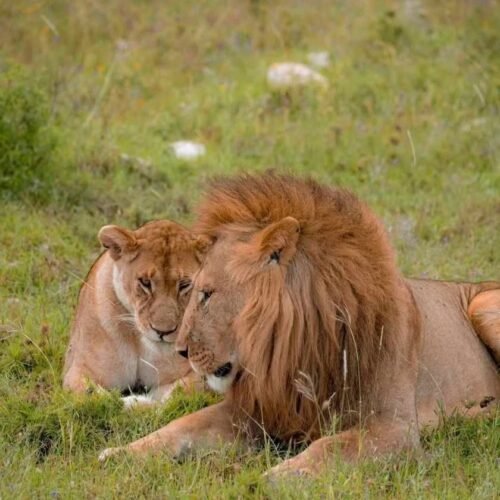
Begin your life together with an extraordinary 10 Days Ultimate Honeymoon Escape, combining Tanzania's legendary wildlife, breathtaking landscapes, romantic luxury, and the tropical beauty of...
Duration
10 Days
$6000
Next Departures
September 1, 2026 (Available)September 2, 2026 (Available)September 3, 2026 (Available)
Featured
Escape into the heart of Tanzania on an unforgettable 8 Days Luxury Safari & Zanzibar, a romantic journey designed for couples who want to combine...
Duration
8 Days
$4800
Next Departures
September 1, 2026 (Available)September 2, 2026 (Available)September 3, 2026 (Available)
Featured
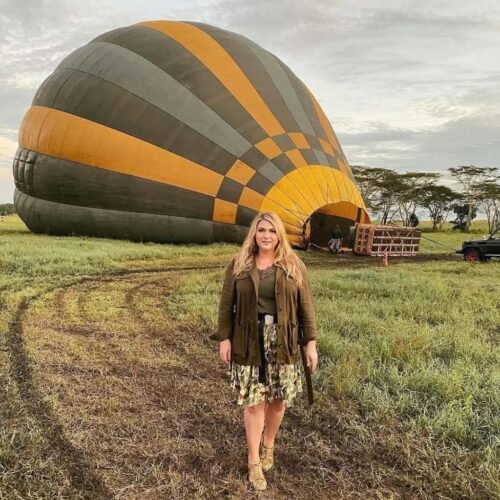
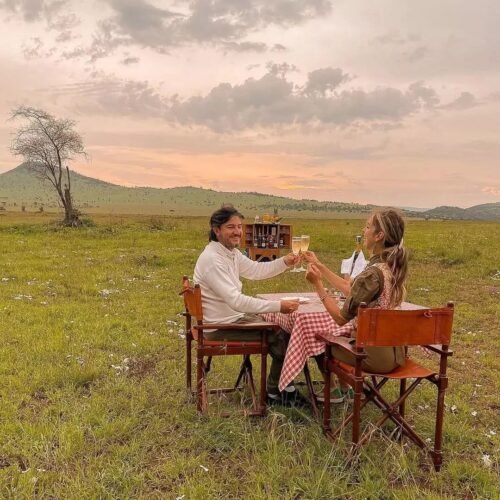

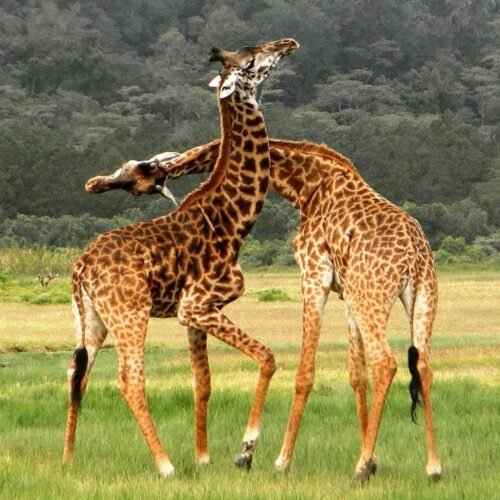
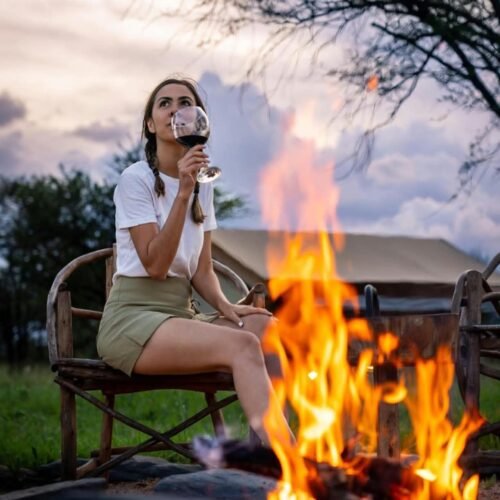
Celebrate your love in the heart of Africa with an unforgettable 7 Days Romantic Tanzania Safari, specially designed for couples seeking a perfect balance of...
Lake manyara national park, Ngorongoro park, Serengeti National park, Tarangire National park
Medium
1-6 People
Duration
7 Days
$4200
Next Departures
September 1, 2026 (Available)September 2, 2026 (Available)September 3, 2026 (Available)
Featured

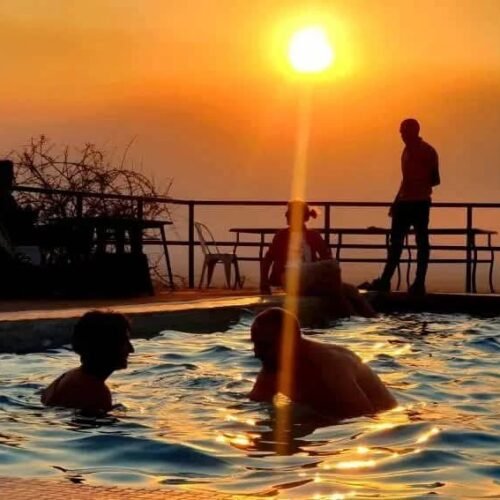
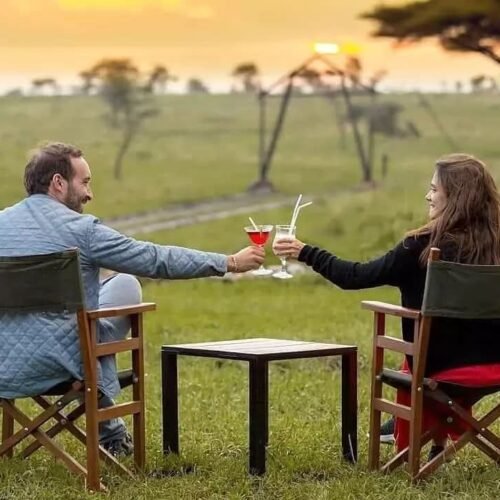
Celebrate the beginning of your life together with an unforgettable 5 Days Tanzania Honeymoon Safari, designed exclusively for couples seeking romance, adventure, privacy, and intimate...
Duration
5 Days
$3000
Next Departures
September 1, 2026 (Available)September 2, 2026 (Available)September 3, 2026 (Available)
Featured
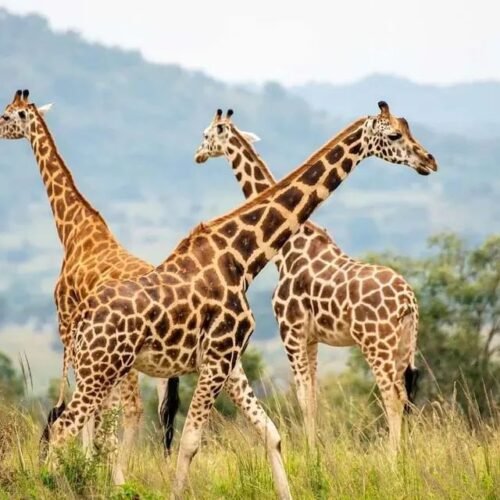
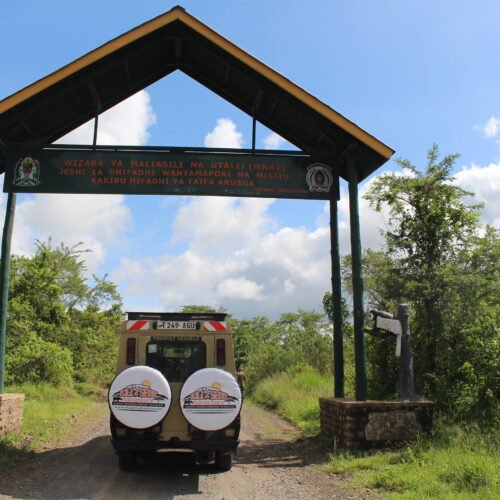

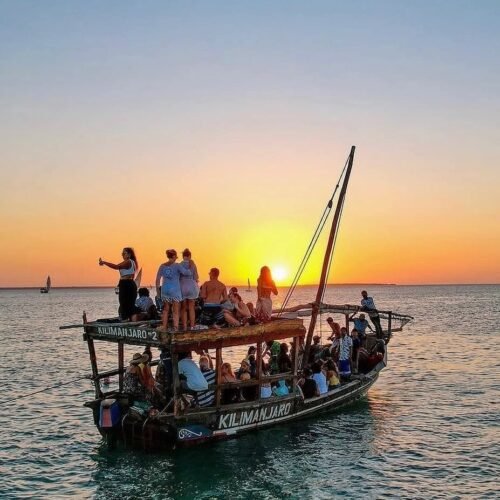
Experience the best of Tanzania together as a family on an unforgettable 10-day Family Safari & Zanzibar adventure, combining incredible wildlife encounters with a relaxing...
Duration
10 Days
$5000
Next Departures
September 1, 2026 (Available)September 2, 2026 (Available)September 3, 2026 (Available)
Featured
Embark on an unforgettable 7-day family wildlife adventure through Tanzania's spectacular Northern Safari Circuit, where every day brings a new opportunity to discover Africa's incredible...
Lake manyara national park, Ngorongoro park, Serengeti National park, Tarangire National park
Medium
1-6 People
Duration
7 Days
$3500
Next Departures
September 1, 2026 (Available)September 2, 2026 (Available)September 3, 2026 (Available)
Featured
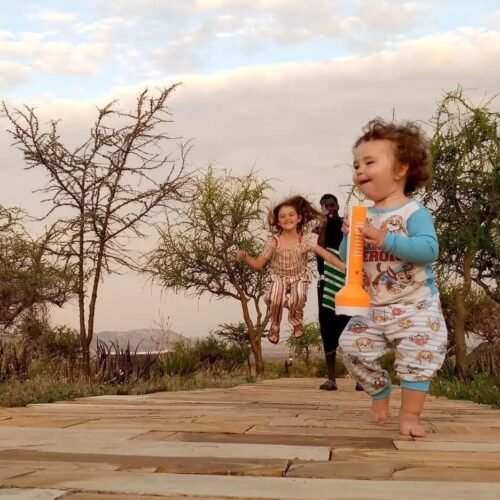
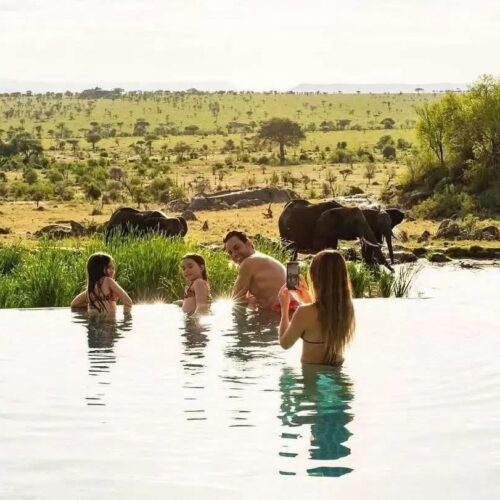
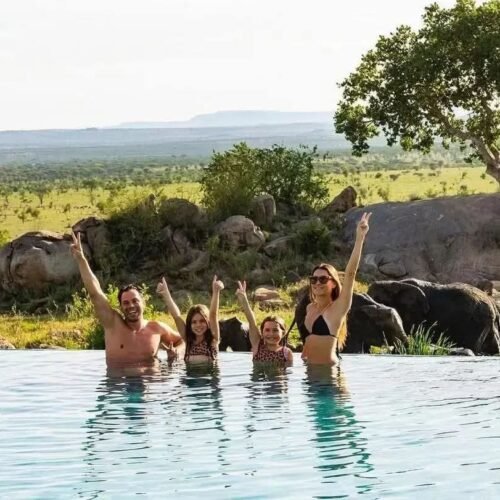
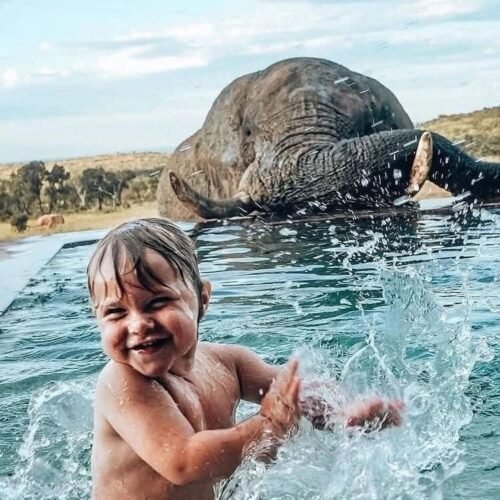
Create unforgettable family memories in the heart of Tanzania on this exciting 4-day Family Safari Adventure, designed to make wildlife exploration enjoyable, comfortable, and engaging...
Duration
4 Days
$2000
Next Departures
September 1, 2026 (Available)September 2, 2026 (Available)September 3, 2026 (Available)
Featured
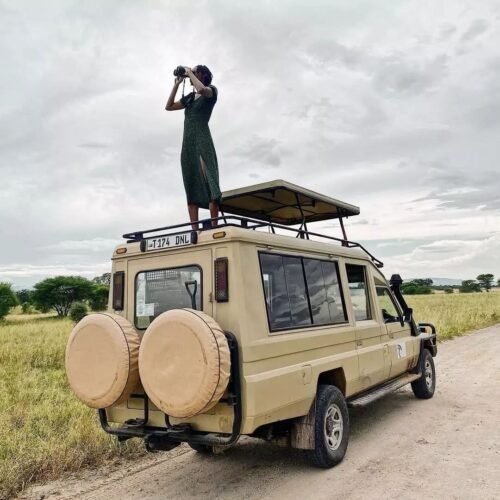
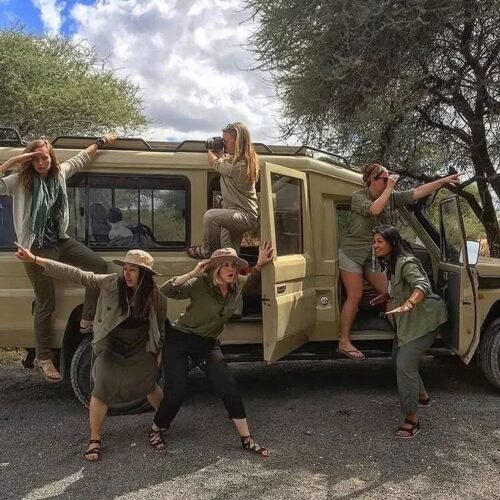
Experience Tanzania at its most extraordinary on the 9 Days Ultimate Luxury Safari, an exclusive journey through the country's most iconic wildlife destinations. Designed for...
Lake manyara national park, Ngorongoro park, Serengeti National park, Tarangire National park
Medium
1-6 People
Duration
9 Days
$6300
Next Departures
September 1, 2026 (Available)September 2, 2026 (Available)September 3, 2026 (Available)