
- 1
- 8
- 12
- 2
Ngorongoro park
Where Wildlife Meets the Wonder of an Ancient Volcanic World
Overview
Ngorongoro Crater is one of Tanzania’s most extraordinary natural destinations and one of the highlights of the Northern Safari Circuit. Located within the Ngorongoro Conservation Area, the crater is a spectacular volcanic caldera surrounded by dramatic highlands and supporting an extraordinary concentration of wildlife.
The crater was formed when a massive volcano collapsed after a major eruption millions of years ago. Today, its enclosed landscape contains grasslands, forests, wetlands, lakes, springs, and other habitats that support a remarkable variety of animals.
The crater is often described as a natural wildlife sanctuary because its relatively enclosed environment provides water, food, and shelter for large numbers of animals throughout the year.
A visit to Ngorongoro is more than simply a game drive. It is an opportunity to experience the interaction between volcanic geology, wildlife, Maasai culture, conservation, and breathtaking landscapes in one extraordinary destination.
Why Visit Ngorongoro?
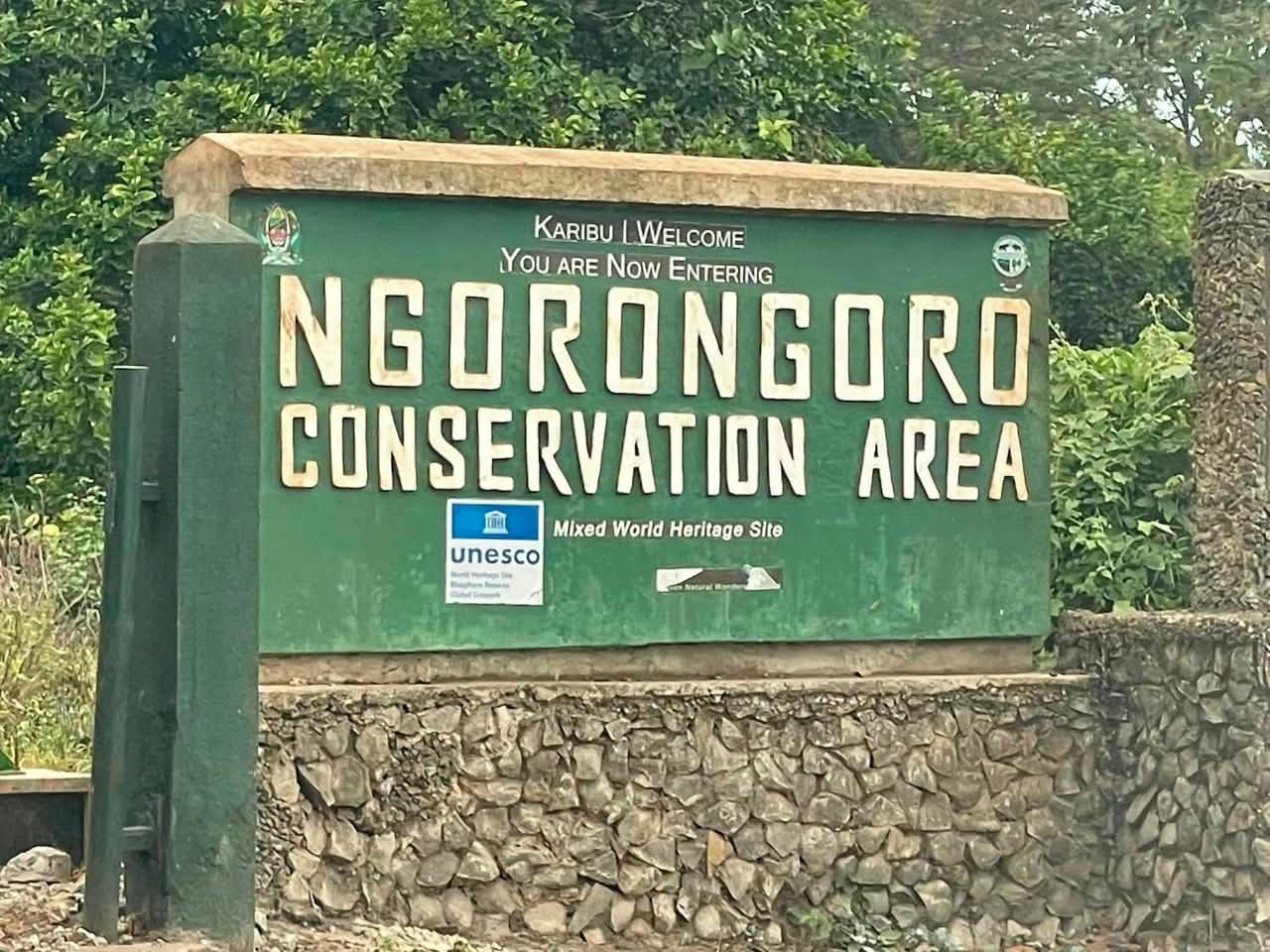
1. The Spectacular Crater
The crater itself is the main attraction.
From viewpoints along the crater rim, visitors can look down into a vast natural amphitheater surrounded by steep walls.
The view from above is particularly impressive in the early morning when sunlight begins illuminating the crater floor.
2. Exceptional Wildlife Concentration
The crater supports a remarkable concentration of wildlife within a relatively compact area.
During a game drive, you may encounter:
- Lions
- Elephants
- Buffaloes
- Zebras
- Wildebeest
- Hippos
- Hyenas
- Gazelles
- Jackals
- Warthogs
- Flamingos and other birds
The crater is also one of the places in Tanzania where visitors have a chance of seeing the endangered black rhinoceros.
However, wildlife sightings are never guaranteed.
Ngorongoro Crater Geography
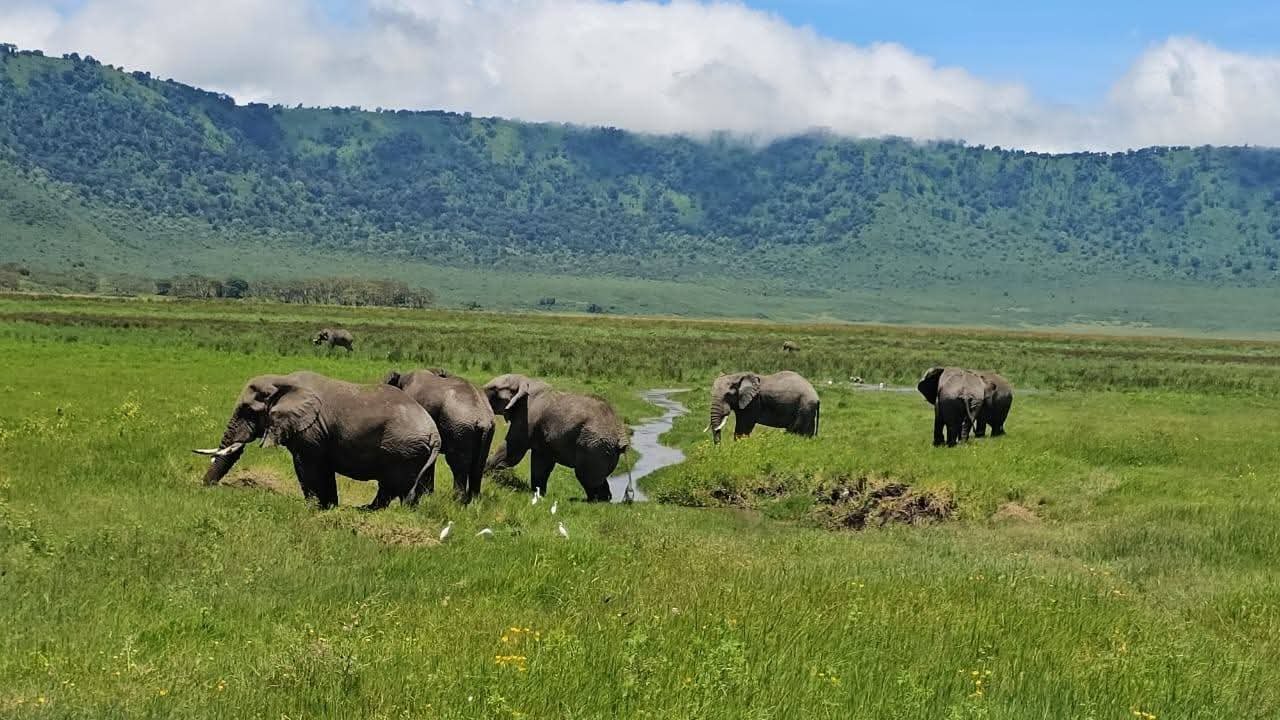
The crater is approximately 20 kilometres wide and covers roughly 260 square kilometres.
Its steep walls rise dramatically around the crater floor, creating a unique ecosystem.
Inside the crater are:
- Open grasslands
- Acacia woodland
- Freshwater springs
- Lakes
- Wetlands
- Swamps
- Forested areas
This diversity of habitats is one of the reasons the crater supports such a wide range of wildlife.
The Ngorongoro Conservation Area
It is important to understand that Ngorongoro Crater is only one part of the larger Ngorongoro Conservation Area.
The conservation area covers a much larger landscape containing:
- Crater highlands
- Grasslands
- Forests
- Volcanic mountains
- Wildlife habitats
- Archaeological sites
- Maasai communities
Unlike many national parks, the Ngorongoro Conservation Area is designed around a model that combines wildlife conservation with human habitation and traditional pastoral livelihoods.
This makes it particularly significant from both conservation and cultural perspectives.
Wildlife in Ngorongoro
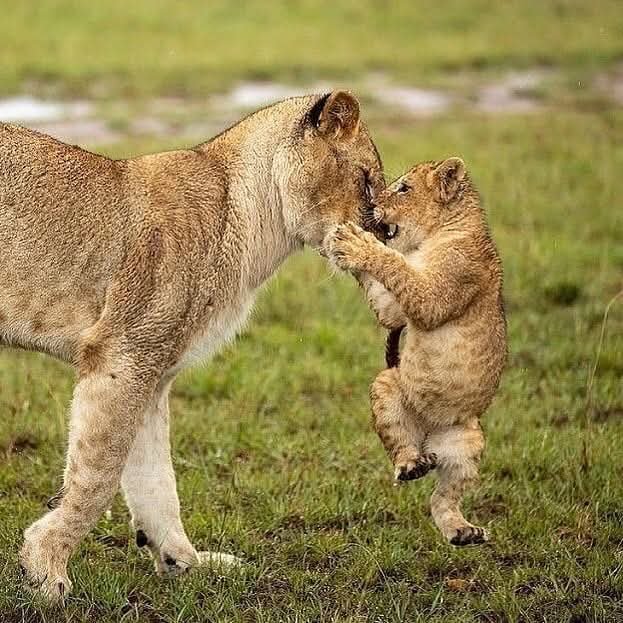
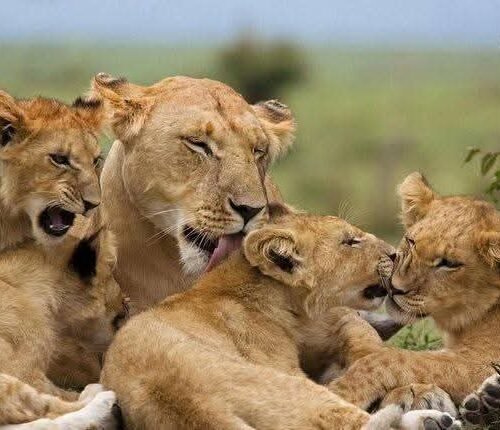
Lions
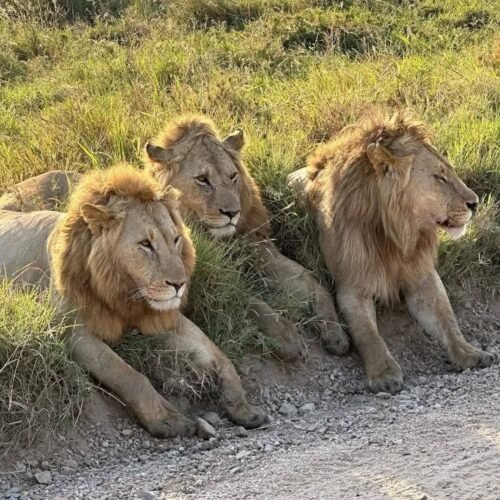
Lions are among the most commonly sought-after predators in the crater.
The abundant prey and relatively enclosed environment can provide excellent opportunities for observing them.
Black Rhinoceros
Ngorongoro is one of Tanzania’s important areas for black rhinoceros conservation.
Seeing one of these magnificent animals in the crater can be a particularly memorable safari experience.
Because rhinos are endangered and naturally cautious, sightings cannot be guaranteed.
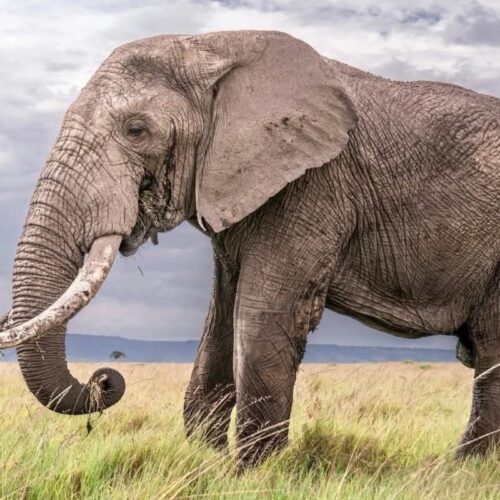
Elephants
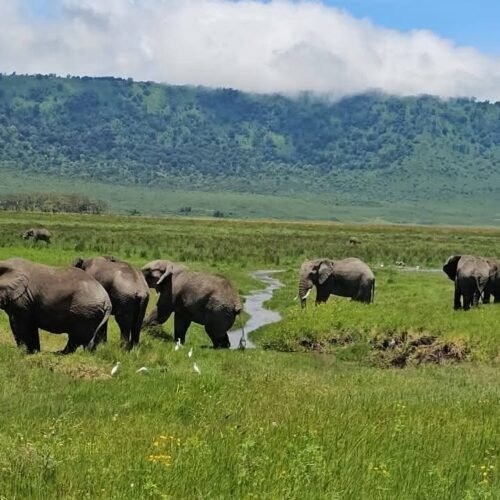
Elephants can be encountered in the crater, although their distribution varies.
Large bull elephants may also be found in the surrounding highlands and forests.
Buffaloes
Large buffalo herds can frequently be seen grazing across the crater floor.
Wildebeest & Zebras
The crater supports significant populations of wildebeest and zebra.
These grazing animals form an important part of the food chain and support predators such as lions and hyenas.
Hippos
Hippos can be found in the crater’s permanent water sources.
They are particularly fascinating to observe from a safe distance as they spend much of their time in water.
Hyenas
Spotted hyenas are important predators and scavengers within the ecosystem.
They can sometimes be seen moving across the grasslands or around wildlife activity.
Lake Magadi
Lake Magadi is one of the most recognizable features of the crater floor.
This shallow alkaline lake can attract large numbers of birds, including flamingos.
Depending on water levels and seasonal conditions, the lake can appear dramatically different throughout the year.
The contrast between the lake, surrounding grasslands, wildlife, and crater walls creates excellent photography opportunities.
Ngorongoro Forests
The crater and surrounding highlands contain areas of forest that provide habitat for elephants, buffaloes, birds, and other species.
The forests also contribute to the ecological diversity of the conservation area.
Ngorongoro and Maasai Culture
One of the unique aspects of the Ngorongoro Conservation Area is the presence of Maasai communities living alongside wildlife.
The Maasai have traditionally practiced pastoralism, keeping cattle, goats, and sheep.
Cultural experiences can provide visitors with opportunities to learn about:
- Traditional Maasai lifestyles
- Livestock keeping
- Traditional homes
- Local crafts
- Music and dance
- Cultural traditions
- The relationship between people and the environment
These experiences should always be approached respectfully and through responsible tourism arrangements.
Olduvai Gorge
The wider Ngorongoro Conservation Area is also home to Olduvai Gorge, one of the world’s most important archaeological and paleoanthropological sites.
The area has produced important fossil discoveries that have contributed significantly to our understanding of early human evolution.
Visitors interested in archaeology and human history can include Olduvai Gorge in suitable safari itineraries.
Things to Do in Ngorongoro
1. Crater Game Drive
The main activity is a game drive onto the crater floor.
A typical visit includes several hours of wildlife viewing.
2. Crater Rim Viewpoints
The viewpoints along the crater rim provide spectacular panoramic views.
They are particularly impressive during sunrise and early morning.
3. Wildlife Photography
Ngorongoro provides excellent opportunities to photograph:
- Rhinos
- Lions
- Elephants
- Buffaloes
- Zebras
- Wildebeest
- Flamingos
- Landscapes
The crater walls also create dramatic backgrounds.
4. Cultural Experiences
Visitors can arrange cultural experiences with nearby Maasai communities.
5. Olduvai Gorge
History and archaeology enthusiasts can visit Olduvai Gorge as part of a wider Northern Circuit itinerary.
6. Nature & Walking Experiences
Selected guided walking experiences may be available in appropriate areas of the conservation area.
These offer an opportunity to explore the landscape beyond traditional vehicle-based safaris.
Best Time to Visit Ngorongoro
Ngorongoro can be visited throughout the year.
June – October
The dry season generally provides comfortable weather and good wildlife viewing conditions.
The vegetation is often less dense, making animals easier to spot.
November – December
The short rains bring fresh vegetation and greener landscapes.
Birdlife can also become particularly interesting.
January – March
The landscape is often green and beautiful.
This period can also coincide with increased wildlife activity in parts of the broader ecosystem.
April – May
The long rains can bring lush scenery and fewer visitors.
Travelers should be prepared for wetter conditions, and some roads may become more challenging.
Where to Stay
Accommodation can be found both on the crater rim and in the surrounding Karatu area.
Crater Rim Accommodation
Staying near or on the crater rim provides:
- Spectacular views
- Easy access for early crater visits
- A dramatic wilderness atmosphere
Karatu Accommodation
Karatu offers a wider variety of:
- Budget lodges
- Mid-range lodges
- Luxury lodges
- Tented camps
The choice depends on your budget, itinerary, and preferred safari style.
How to Get to Ngorongoro
By Road
Ngorongoro is easily incorporated into a Northern Tanzania safari.
A common route is:
Arusha → Tarangire → Ngorongoro → Serengeti
The journey from Arusha to the Ngorongoro area generally takes several hours depending on the exact accommodation and route.
By Air
Domestic flights can be used to reach nearby airstrips, after which a road transfer is required.
For most safari itineraries, road travel is practical because Ngorongoro is commonly combined with Tarangire and Serengeti.
How Many Days Should You Spend in Ngorongoro?
1 Day
A single crater visit can provide an excellent introduction.
2 Days
Two days allow more time to explore the wider conservation area and include additional experiences.
3+ Days
Ideal for travelers interested in combining wildlife, culture, archaeology, hiking, and other experiences.
For many Northern Circuit safaris, one night around Ngorongoro with a crater game drive works well.
Ngorongoro for Families
Ngorongoro is an excellent destination for families.
Children can learn about:
- Wildlife
- Volcanoes
- Conservation
- Maasai culture
- Human evolution
Private safaris are particularly useful for families because the itinerary can be adjusted around children’s needs.
Ngorongoro for Honeymooners
Ngorongoro can be an unforgettable destination for couples.
Luxury lodges around the crater rim provide spectacular views, while private game drives offer intimate wildlife experiences.
The combination of dramatic landscapes, wildlife and luxury accommodation makes Ngorongoro a popular honeymoon destination.
Ngorongoro for Photographers
The crater offers extraordinary photographic opportunities.
The combination of:
- Wildlife
- Crater landscapes
- Volcanic walls
- Lakes
- Grasslands
- Forest
- Sunrise and sunset light
creates a highly diverse photographic environment.
Conservation & Responsible Tourism
The Ngorongoro Conservation Area represents an important example of conservation where wildlife protection exists alongside traditional human livelihoods.
Visitors should:
- Respect wildlife
- Maintain appropriate distances
- Follow park regulations
- Never feed animals
- Avoid littering
- Respect local communities
- Ask permission before taking photographs of people
- Follow their guide’s instructions
Responsible tourism helps protect both the ecosystem and the communities that depend on the area.
Ngorongoro Travel Tips
Bring Warm Clothing
The crater rim is located at high elevation and can be surprisingly cold, especially early in the morning.
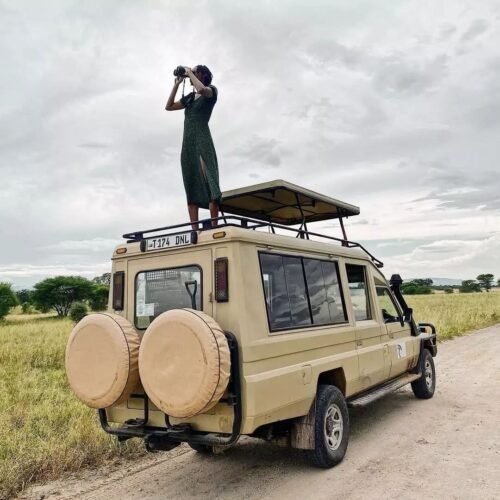
Carry Binoculars
They are useful for observing wildlife from a safe distance.
Bring Sun Protection
Sunscreen, sunglasses, and a hat are recommended.
Carry a Camera
The combination of wildlife and crater scenery creates excellent photography opportunities.
Prepare for Early Starts
Early departures can provide cooler conditions and excellent wildlife viewing.
Follow Your Guide
Your guide understands the park regulations, roads, wildlife behavior, and safety procedures.
Frequently Asked Questions
What is Ngorongoro Crater famous for?
It is famous for its spectacular volcanic landscape, high concentration of wildlife, black rhinoceros sightings, and unique conservation model.
Is Ngorongoro Crater a volcano?
It is a volcanic caldera formed after the collapse of a large ancient volcano.
Can I see the Big Five in Ngorongoro?
Yes, the crater provides opportunities to see several Big Five species, including lions, elephants, buffaloes, and potentially rhinoceros and leopards. Sightings cannot be guaranteed.
Can I see a black rhino?
There is a possibility. Ngorongoro is one of Tanzania’s important habitats for black rhinoceros, but sightings are never guaranteed.
How deep is Ngorongoro Crater?
The crater walls rise roughly 600 metres above the crater floor.
How big is the crater?
The crater is approximately 20 kilometres across and covers around 260 square kilometres.
Is Ngorongoro suitable for families?
Yes. It is an excellent destination for educational and wildlife experiences with children.
Can I visit Ngorongoro with Serengeti?
Yes. The combination of Ngorongoro + Serengeti is one of Tanzania’s classic safari experiences.
Can I combine Ngorongoro with Tarangire?
Absolutely. Tarangire, Ngorongoro, and Serengeti form one of the most popular Northern Circuit combinations.
Can I visit a Maasai village?
Cultural visits can be arranged with appropriate local communities and responsible tourism operators.
Can I visit Olduvai Gorge?
Yes. Olduvai Gorge can be incorporated into suitable itineraries through the wider Ngorongoro Conservation Area.
Is Ngorongoro cold?
The crater rim can be cold, particularly in the early morning and during the cooler months. Warm clothing is recommended.
How long should I spend at Ngorongoro?
A full crater game drive can be experienced in one day, while two or more days are recommended if you want to explore the wider conservation area.
Is Ngorongoro safe?
Yes, when visitors follow conservation-area regulations and the instructions of their professional safari guide.
Can I visit Ngorongoro all year?
Yes. The destination is accessible year-round, although weather and road conditions vary seasonally.
Experience Ngorongoro With Kili2Sere Adventure
From the breathtaking crater rim to the wildlife-rich floor below, Kili2Sere Adventure creates personalized Ngorongoro experiences that combine wildlife, scenery, culture, and adventure.
Whether you’re planning a private safari, luxury safari, family adventure, honeymoon, mid-range safari, or budget safari, Ngorongoro can be incorporated into an itinerary designed around your interests and travel style.
Discover the Crater. Experience the Wild.
Explore Ngorongoro with Kili2Sere Adventure and discover one of Tanzania’s most extraordinary natural landscapes.
Featured
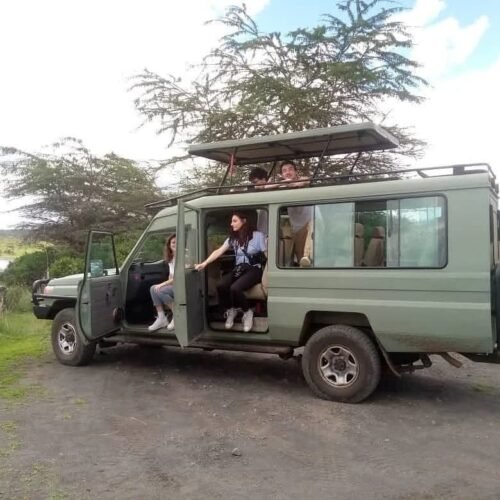

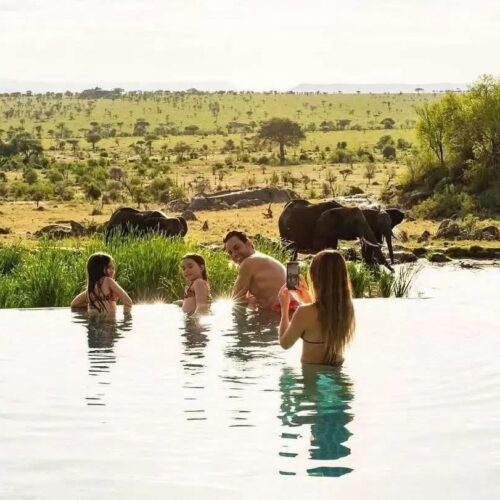
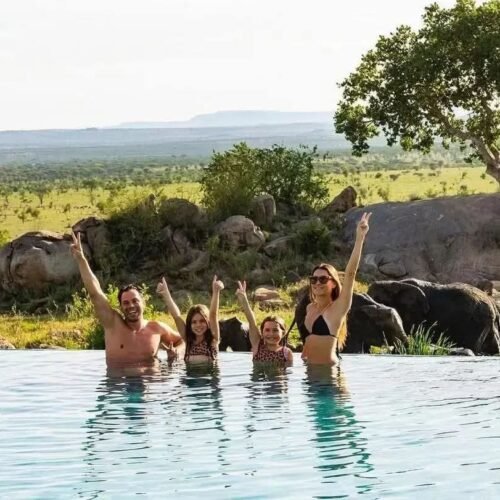

Create unforgettable family memories in the heart of Tanzania on this exciting 4-day Family Safari Adventure, designed to make wildlife exploration enjoyable, comfortable, and engaging...
Duration
4 Days
$2000
Next Departures
September 1, 2026 (Available)September 2, 2026 (Available)September 3, 2026 (Available)
Featured
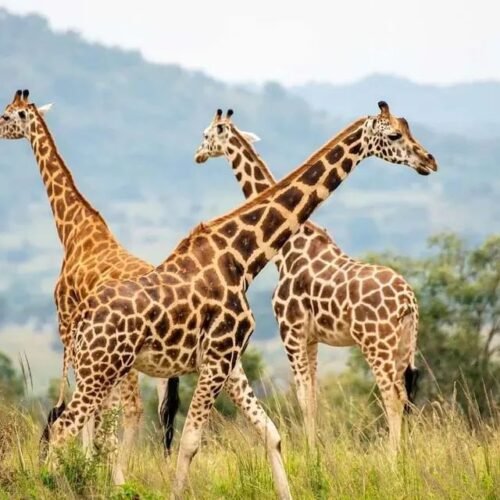
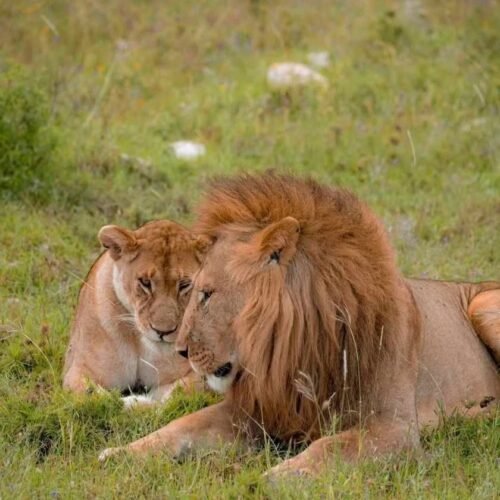
Experience Tanzania at its most extraordinary on the 9 Days Ultimate Luxury Safari, an exclusive journey through the country's most iconic wildlife destinations. Designed for...
Lake manyara national park, Ngorongoro park, Serengeti National park, Tarangire National park
Medium
1-6 People
Duration
9 Days
$6300
Next Departures
September 1, 2026 (Available)September 2, 2026 (Available)September 3, 2026 (Available)
Featured
Experience Tanzania at its finest on an exclusive 7-day luxury safari through the heart of the Northern Safari Circuit. This carefully designed journey combines the...
Lake manyara national park, Ngorongoro park, Serengeti National park, Tarangire National park
Medium
1-6 People
Duration
7 Days
$4900
Next Departures
September 1, 2026 (Available)September 2, 2026 (Available)September 3, 2026 (Available)
Featured
Experience the wild heart of Tanzania on an exclusive 5-day luxury safari designed for travelers who want to explore the country's most iconic wildlife destinations...
Duration
5 Days
$3500
Next Departures
September 1, 2026 (Available)September 2, 2026 (Available)September 3, 2026 (Available)
Featured
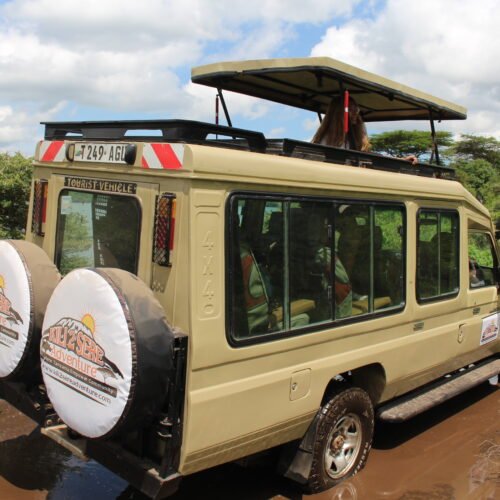
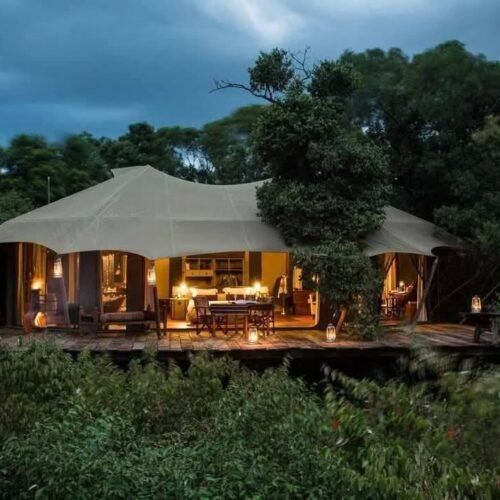
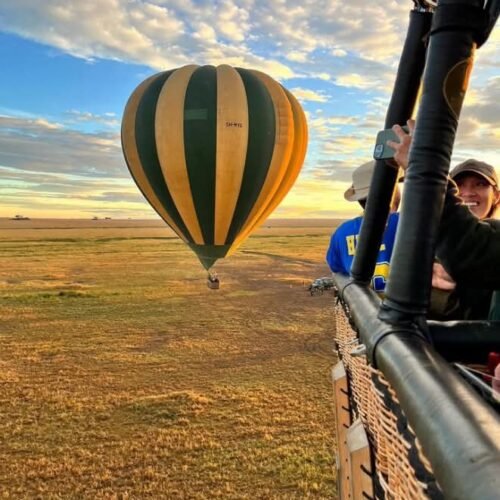

Escape into the heart of Tanzania's legendary Northern Safari Circuit on an exclusive 4-day luxury safari designed for travelers seeking exceptional wildlife encounters, refined comfort,...
Duration
4 Days
$2800
Next Departures
September 1, 2026 (Available)September 2, 2026 (Available)September 3, 2026 (Available)
Featured
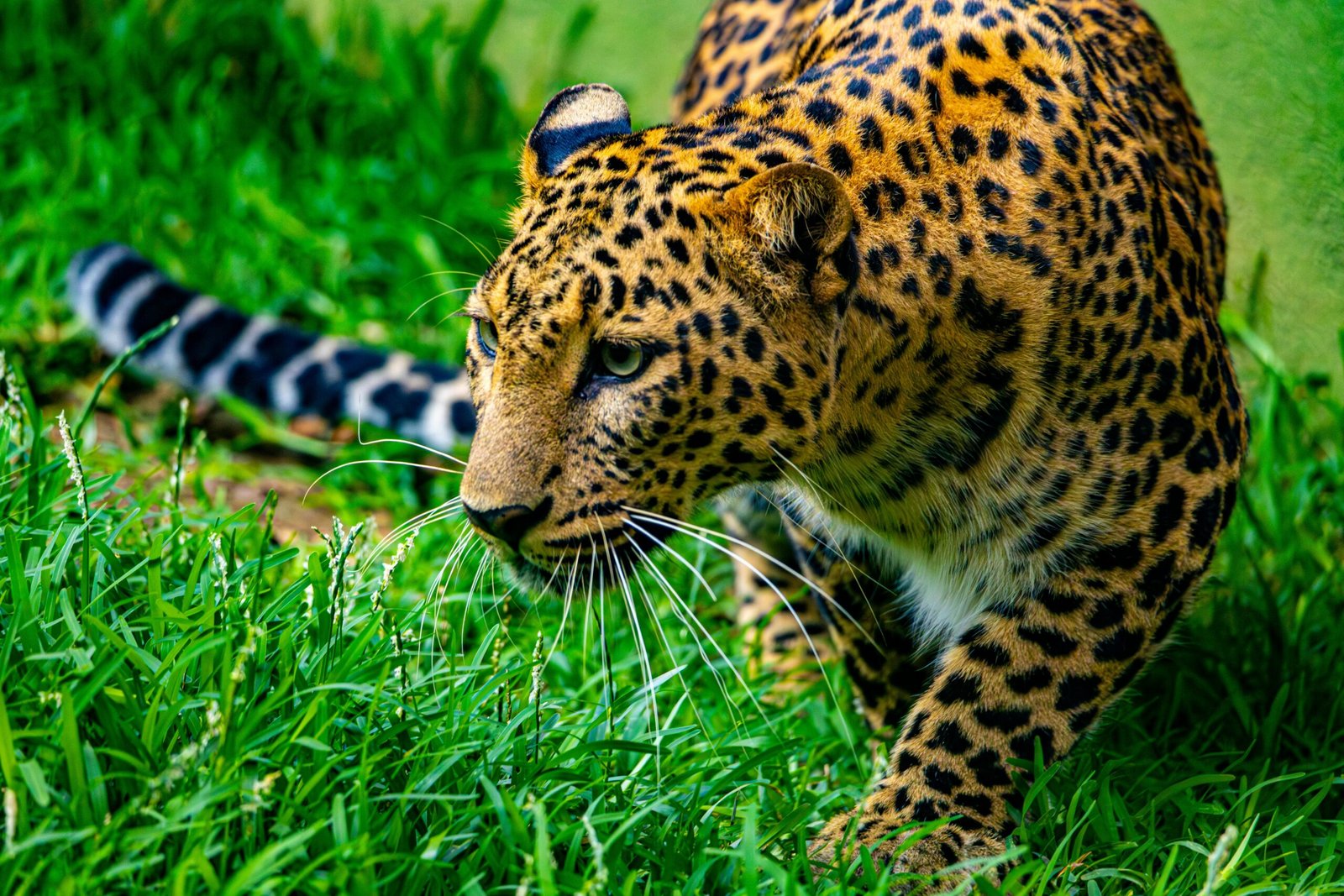
Discover the best of Tanzania's Northern Safari Circuit on this unforgettable 6-day classic safari, combining the wildlife-rich landscapes of Tarangire National Park, the legendary plains...
Duration
6 Days
$3000
Next Departures
September 1, 2026 (Available)September 2, 2026 (Available)September 3, 2026 (Available)
Featured
Experience an unforgettable 5-day safari through some of the most spectacular wildlife destinations in Tanzania's Northern Safari Circuit. This adventure combines the diverse landscapes of...
Duration
5 Days
$2500
Next Departures
September 1, 2026 (Available)September 2, 2026 (Available)September 3, 2026 (Available)
Featured
Experience the best of Tanzania’s Northern Safari Circuit on this unforgettable 4-day classic safari, combining three of the country’s most iconic wildlife destinations: Tarangire National...
Duration
4 Days
$2000
Next Departures
September 1, 2026 (Available)September 2, 2026 (Available)September 3, 2026 (Available)