
Altitude & Acclimatization on Mount Kilimanjaro
Understanding altitude is essential for a safe Kilimanjaro climb. Learn how acclimatization, the right route, and a proper trekking pace can help you reach the summit safely and confidently.
Mount Kilimanjaro rises from the surrounding plains to 5,895 metres (19,341 feet) above sea level at Uhuru Peak. As you climb higher, atmospheric pressure decreases and there is less available oxygen with each breath.
This change is one of the biggest differences between trekking at the lower slopes and climbing in the high-altitude environment near the summit.
The challenge is not simply the physical distance you travel. Altitude changes how your body responds to the environment, which is why a well-planned ascent is such an important part of a successful Kilimanjaro experience.
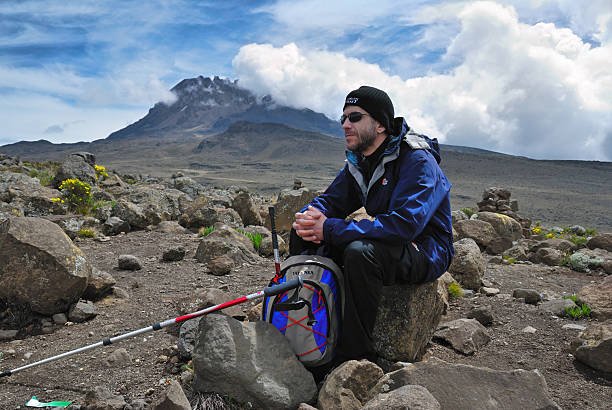
Acclimatization is the process through which your body gradually adjusts to the lower oxygen availability found at higher elevations.
Unlike fitness, acclimatization cannot simply be achieved by training harder before your trip. Your body needs time at altitude to adapt.
That is why the number of days spent on the mountain matters.
A longer itinerary can provide a more gradual ascent and give your body additional time to adjust before reaching the highest elevations.
The Golden Principle
Slow ascent + adequate rest + proper acclimatization = a better approach to high altitude.
As you ascend Kilimanjaro, your body responds to the changing environment in several ways. Your breathing and heart rate may increase, particularly during physical activity, as your body works to deliver oxygen to your tissues.
You may also notice that activities that felt easy at lower elevations require more effort higher on the mountain.
This is why Kilimanjaro trekking is not a race.
The goal is to allow your body time to adjust rather than trying to reach each camp as quickly as possible.
| Camp / Point | Approx. Elevation |
|---|---|
|
Machame Gate |
~1,800 m |
|
Machame Camp |
~3,000 m |
|
Shira Camp |
~3,840 m |
|
Barranco Camp |
~3,960 m |
|
Karanga Camp |
~4,035 m |
|
Barafu Camp |
~4,640 m |
|
Uhuru Peak |
5,895 m |
Exact camp elevations can vary slightly depending on the route and published park/route measurements.
Low Altitude
Below ~2,500 m, The lower slopes generally feel more comfortable from an altitude perspective. This is where trekkers transition through cultivated areas and rainforest.
Moderate Altitude
~2,500–3,500 m, The air becomes noticeably thinner, and your body begins adapting more significantly to elevation.
High Altitude
~3,500–5,500 m, Altitude becomes a major part of the trekking experience. Walking slowly, resting appropriately, and following your guide's instructions become increasingly important.
Extreme Altitude
Above ~5,500 m, The summit zone is an extreme high-altitude environment. The final ascent toward Uhuru Peak is demanding because of the combination of elevation, cold, darkness, and reduced oxygen availability.
Some climbers experience symptoms as they move to higher elevations. Common symptoms can include:
- Headache
- Tiredness
- Dizziness
- Reduced appetite
- Nausea
- Difficulty sleeping
- Shortness of breath during exertion
Not everyone reacts to altitude in the same way, and being physically fit does not guarantee that you will be unaffected by altitude.
If symptoms appear or become worse, it is important to tell your guide promptly.
Acute Mountain Sickness, commonly called AMS, can occur when the body has not yet adequately adjusted to high altitude.
Mild symptoms may occur during acclimatization, but worsening symptoms should never be ignored.
Your mountain crew should monitor how you are feeling throughout the trek and respond appropriately if altitude-related problems develop.
Important: Serious altitude illness can be dangerous. Climbers should follow the instructions of their professional mountain crew and descend when advised.
Why This Principle Matters
One of the most useful acclimatization principles in high-altitude trekking is “climb high, sleep low.”
This means gaining elevation during the day and, when the itinerary allows, sleeping at a lower elevation than the highest point reached during that day.
The purpose is to expose your body to higher altitude while reducing the elevation at which you spend the night.
Some Kilimanjaro routes naturally incorporate this principle through their daily elevation profiles.
This is one reason route design matters—not simply the number of kilometres covered each day.
| Route | Typical Duration | Acclimatization Potential |
|---|---|---|
|
Marangu |
6 Days |
Moderate |
|
Machame |
7 Days |
Good |
|
Lemosho |
8 Days |
Excellent |
|
Rongai |
7 Days |
Good |
|
Northern Circuit |
9 Days |
Excellent |
|
Umbwe |
6 Days |
More demanding |
Kili2sere Recommendation
For travelers whose main concern is giving their body more time to adapt, we would generally favor longer itineraries such as Lemosho 8 Days or Northern Circuit 9 Days over rushing up the mountain.
Summit night is different from the rest of the trek.
You begin climbing during the night, often after midnight, with the goal of reaching the summit around sunrise.
At this point, you are operating at the highest elevations of the entire journey. The cold, darkness, steep terrain, fatigue, and reduced oxygen availability combine to make the final ascent particularly demanding.
This is where pacing, preparation, acclimatization, and an experienced mountain crew become especially important.
The goal is not speed.
The goal is to reach the summit safely and responsibly.
❌ “If I'm very fit, altitude won't affect me.”
❌ “I can acclimatize before coming to Tanzania.”
❌ “More water automatically prevents altitude sickness.”
❌ “I should push through any symptoms.”
At Kili2sere Adventure, we believe a successful Kilimanjaro climb starts with responsible planning rather than rushing toward the summit.
Our approach focuses on:
✔ Choosing an appropriate route
✔ Allowing sufficient trekking days
✔ Maintaining a controlled pace
✔ Monitoring how climbers are feeling
✔ Building appropriate rest into the itinerary
✔ Following professional mountain-safety procedures
✔ Making responsible decisions when conditions change
The mountain sets the pace. We respect it.