
What to Pack for a Tanzania Safari
Preparing your luggage is an important part of planning a successful safari in Tanzania. Whether you are visiting the endless plains of the Serengeti, exploring the wildlife-rich landscapes of Ngorongoro Conservation Area, discovering the baobab forests of Tarangire National Park, or enjoying the beautiful scenery of Lake Manyara, having the right travel equipment can make your experience more comfortable and enjoyable.
A Tanzania safari involves spending time in natural environments where weather conditions, temperatures and daily activities may vary. You may begin your morning with a cool game drive, spend several hours exploring open savannah landscapes, and experience warmer conditions during the afternoon. For this reason, choosing practical clothing, comfortable footwear, sun protection and personal essentials is more useful than simply packing a large amount of luggage.
At Kili2sere Adventure, we encourage travellers to prepare thoughtfully and pack according to their itinerary, travel season and personal requirements. The following guide explains the important items to consider bringing, why they are useful, and how they can help you enjoy your safari with greater comfort.
1. Clothing and Personal Wear
Choose practical, comfortable clothing that works well in outdoor environments and changing temperatures.
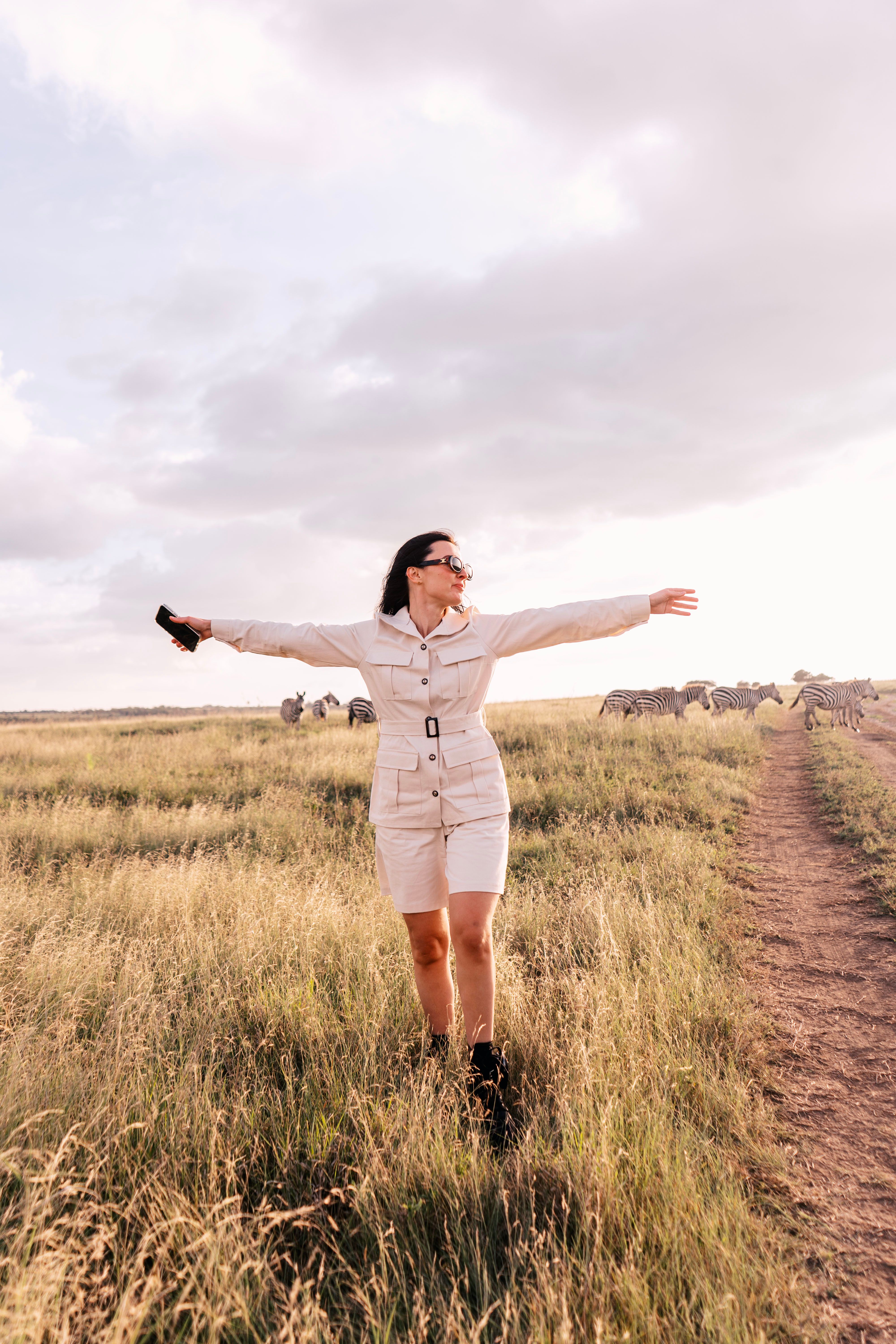
Lightweight and Comfortable Clothing
Lightweight, breathable clothing is one of the most useful things to pack for a Tanzania safari. During game drives, you may spend several hours sitting in a safari vehicle, observing wildlife and moving between different landscapes. Comfortable clothing made from breathable materials can help you remain relaxed throughout these activities, particularly during warmer parts of the day.
Consider packing comfortable shirts, trousers, casual tops and clothing that allows you to move freely. Neutral colours such as khaki, beige, brown, olive and other natural shades are practical choices because they blend naturally with the surrounding environment and are less likely to show dust than very light clothing.
You do not need to purchase a completely new safari wardrobe. Ordinary comfortable travel clothing can work perfectly well, provided it is suitable for outdoor activities and the expected weather conditions.

Warm Jacket, Fleece or Sweater
Although Tanzania is generally associated with warm weather, early mornings and evenings in some safari destinations can be surprisingly cool. This is particularly noticeable in higher-altitude areas such as the Ngorongoro Highlands and around Karatu, where temperatures may be lower than in the surrounding lowlands.
A lightweight fleece, sweater or warm jacket is therefore worth including in your luggage. It can be especially useful when leaving your lodge before sunrise for an early game drive or when returning from an outdoor activity in the evening.
Rather than carrying several heavy jackets, choose one practical layer that can be worn over your ordinary safari clothing. This gives you flexibility when temperatures change throughout the day.

Long Trousers and Comfortable Shorts
Packing a combination of long trousers and comfortable shorts gives you more flexibility during your safari. Long trousers are useful for outdoor environments, walking around lodge grounds and protecting your legs from direct sunlight, dust and vegetation. They can also provide additional comfort during cooler mornings and evenings.
Shorts may be more comfortable during warmer afternoons, particularly when relaxing at your accommodation. However, the choice should depend on your activities, the environment and the clothing guidance provided by your accommodation or activity organiser.
Lightweight trousers that dry relatively quickly and do not restrict movement are practical options for safari travel. You should also consider packing enough changes of clothing for the length of your trip without making your luggage unnecessarily heavy.

Underwear and Comfortable Socks
Underwear and socks are basic but important travel essentials that should not be overlooked when preparing for a safari. Pack enough clean pairs for your journey, taking into consideration the number of days you will be travelling and whether laundry services will be available at your accommodation.
Comfortable socks can be particularly useful when wearing closed shoes during game drives or nature walks. Choose breathable materials that feel comfortable throughout the day and avoid footwear or socks that create unnecessary rubbing.
If your itinerary includes several nights in different safari camps or lodges, organising these items into separate packing bags can make it easier to access what you need without unpacking your entire suitcase.
2. Footwear for Safari Activities
Suitable footwear helps you remain comfortable when moving around camps, lodges and permitted outdoor areas.

Comfortable Walking Shoes
A comfortable pair of closed walking shoes is a useful addition to your safari luggage. Although many game drives take place inside a vehicle, you may still need to walk around accommodation grounds, designated visitor areas and other places where walking is permitted.
Choose shoes that fit properly, provide reasonable support and have a sole suitable for ordinary outdoor surfaces. If you plan to include guided nature walks or other walking activities in your itinerary, ask your safari operator about the footwear requirements for those activities before travelling.
It is also advisable to travel with shoes that you have already worn and tested. Wearing unfamiliar footwear for the first time during a long journey may cause discomfort.

Sandals or Comfortable Relaxing Shoes
A pair of comfortable sandals or lightweight casual shoes can be useful when relaxing at your lodge or camp after a day of wildlife viewing. After spending several hours in a safari vehicle, many travellers appreciate having footwear that is easy to wear around their accommodation.
Choose sandals that fit securely and are comfortable for ordinary walking. They should be considered additional footwear rather than a replacement for suitable closed shoes where outdoor conditions require more protection.
Keeping a separate pair of relaxing shoes also helps you avoid bringing unnecessary dust and outdoor dirt into your accommodation.
3. Sun Protection and Outdoor Comfort
Much of a safari takes place in open landscapes, so preparing for direct sunlight is important.

Wide-Brim Hat or Cap
A hat is a simple but valuable item for protecting your head and face from direct sunlight during outdoor activities. Tanzania's safari destinations include large open landscapes where shade may not always be available, particularly when observing wildlife from designated viewing areas.
A wide-brim hat can provide additional shade around your face, ears and neck, while a comfortable cap is another practical option. Choose one that fits securely and is easy to carry when not in use.
A hat should be used together with other sun-protection measures, especially during long periods outdoors. It is also useful to keep it somewhere accessible rather than buried inside your main luggage.

Sunscreen and Sun Protection
Sunscreen is an important personal-care item for travellers spending time outdoors. Even when the weather feels cool, exposure to sunlight can still affect your skin. This is especially relevant during extended game drives, outdoor photography and other activities where you may spend several hours outside.
Consider bringing a broad-spectrum sunscreen with an SPF of 30 or higher and follow the product instructions for application and reapplication. If you have sensitive skin or particular skin-care needs, choose a product suitable for you before travelling.
Sunglasses, a hat and lightweight clothing that covers exposed areas can provide additional protection. Keeping your sunscreen in an accessible part of your day bag makes it easier to use when needed.

Sunglasses
Good-quality sunglasses can make outdoor viewing more comfortable by reducing glare and helping protect your eyes from sunlight. During a safari, you may spend long periods looking across open plains, grasslands and other bright landscapes.
Consider sunglasses that offer UV protection, preferably labelled UV400 or 100% UVA and UVB protection. A comfortable pair that fits securely is particularly useful when travelling along bumpy roads or moving between different viewing locations.
You may also want to bring a protective case to reduce the risk of scratches or accidental damage when storing your sunglasses in your day bag.
4. Safari Equipment and Photography
These items can help you observe wildlife, capture memories and enjoy the natural environment.
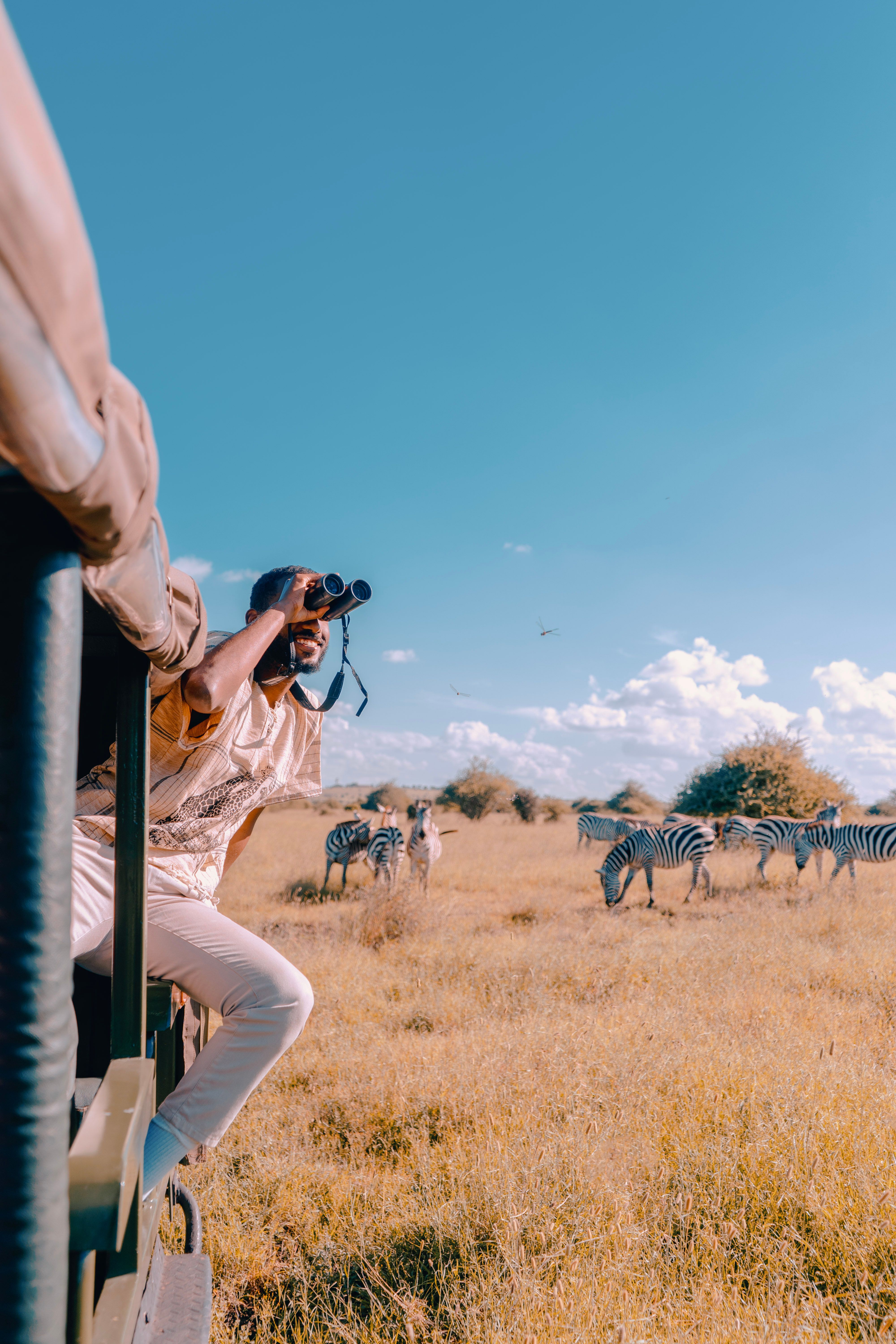
Binoculars for Wildlife Viewing
Binoculars can make your safari experience more rewarding by allowing you to observe wildlife from a distance. While your guide may help you locate animals and position the vehicle for suitable viewing opportunities, some animals may remain far away in open grasslands, woodland areas or near water sources.
With binoculars, you can observe details that may not be easily visible to the naked eye, including birds, distant herds and animal behaviour. They can be particularly useful for travellers who enjoy birdwatching or want to appreciate the smaller details of the natural environment.
Binoculars are not compulsory, but they are a worthwhile addition for wildlife enthusiasts. Choose a comfortable, reasonably compact pair that is easy to carry and operate.
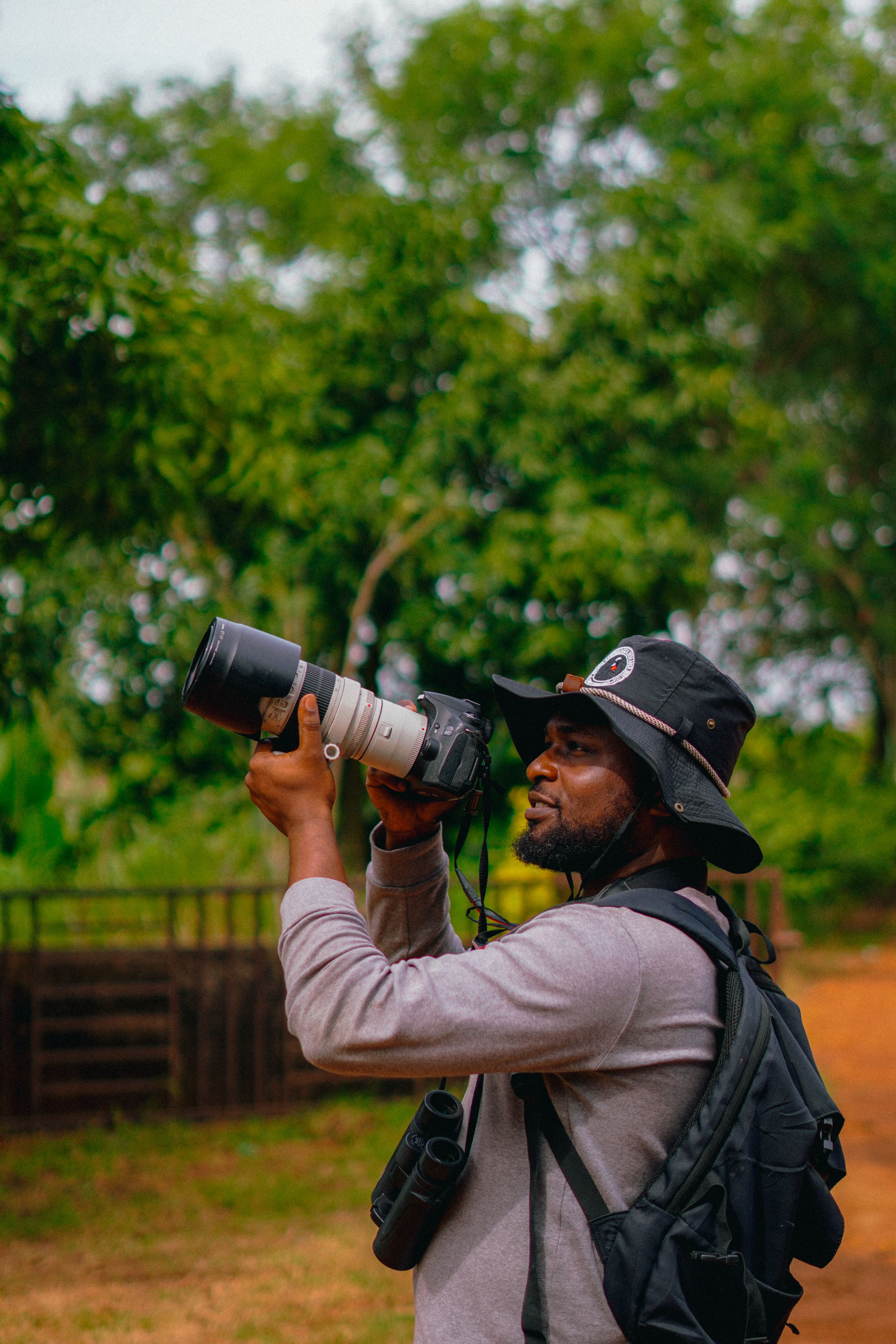
Camera and Photography Equipment
Tanzania offers many memorable wildlife and landscape photography opportunities. From elephants moving through Tarangire's baobab landscapes to lions resting in the Serengeti and the impressive scenery of Ngorongoro, a camera can help you preserve important moments from your journey.
You may bring a smartphone, compact camera or professional camera depending on your interests. Travellers who enjoy wildlife photography may find a zoom lens useful because animals are often observed from a respectful distance. However, you do not need expensive photography equipment to enjoy and remember your safari.
Remember to pack your camera batteries, memory cards, charger, protective case and any additional accessories you normally use. It is also sensible to protect your equipment from dust and store it securely when not in use.

Power Bank and Charging Accessories
Your phone, camera and other electronic devices may be used frequently throughout your safari. You may need them for photography, communication, checking travel information and keeping important documents accessible. A power bank can provide additional charging support when you are away from a convenient electrical outlet.
Bring the correct charging cables for your devices and consider a suitable travel adapter for your electronic equipment. Tanzania generally uses Type D and Type G electrical sockets, although the availability of socket types can vary between properties.
Before travelling, check the charging arrangements at your accommodation and the airline's rules concerning power banks and spare lithium batteries. These items are generally subject to airline cabin-baggage restrictions.
5. Personal Care and Daily Essentials
Bring the personal items you need to maintain comfort and organise your daily activities.

Personal Toiletries and Hygiene Products
Pack the personal hygiene products you normally use, such as a toothbrush, toothpaste, shampoo, soap, deodorant, moisturiser and other essential toiletries. Although many safari lodges and hotels provide basic bathroom amenities, the products available may differ from one accommodation to another.
If you have particular skin-care or hair-care preferences, bringing your own familiar products can make your journey more comfortable. Travel-sized containers can also help reduce luggage space, provided they comply with airline liquid restrictions where applicable.
Consider carrying a small personal toiletry bag that keeps these items organised and separate from your clothing and electronic equipment.

Reusable Water Bottle
Staying hydrated is important when travelling through Tanzania, especially during warm weather and long outdoor activities. A reusable water bottle can be useful for keeping drinking water accessible during your journey, reducing the need for unnecessary single-use bottles and helping you maintain a regular hydration routine.
Follow your guide's or accommodation's advice about safe drinking water. Do not assume that untreated tap water is suitable for drinking. Use bottled, properly treated or otherwise approved drinking water according to the arrangements available during your trip.
A durable bottle with a secure lid is a practical option. You may also choose an insulated bottle if you prefer to keep your drinking water cool for longer periods.

Small Day Backpack
A small day backpack is useful for carrying the items you may need during daily safari activities. Instead of repeatedly opening your main suitcase, you can keep practical essentials such as sunglasses, sunscreen, a hat, camera accessories, personal documents and other small belongings organised in one accessible place.
Choose a lightweight bag with comfortable straps and enough space for your daily essentials. A bag with separate compartments can make it easier to organise electronic equipment and personal items.
It is also useful to choose a bag that can be closed securely and that offers some protection against dust and light splashes. Keep valuable belongings with you and follow your guide's instructions about what may be carried during different activities.
6. Health, First Aid and Personal Medication
Prepare your personal health essentials before departure and seek professional advice when necessary.

Personal First Aid Kit
A small personal first aid kit can be useful for handling minor everyday concerns during your journey. Depending on your personal needs, it may include basic plasters, sterile dressings, antiseptic wipes and other ordinary first aid supplies that you know how to use.
Your safari accommodation or tour arrangements may have access to first aid support, but carrying a few personal essentials can help you remain prepared while travelling between destinations. Any serious illness, injury or medical concern should be assessed by an appropriate healthcare professional rather than managed using a small travel kit.
If you have specific medical requirements, discuss your preparation with a qualified healthcare professional before travelling. Make sure you understand how to use any products you carry and check their expiry dates.

Personal Prescription Medication
Travellers who regularly use prescription medication should plan carefully before leaving home. Bring an adequate supply for the planned journey, together with a reasonable allowance for possible travel delays, where permitted by the relevant regulations.
Keep medication in its original packaging whenever possible and carry a copy of the prescription or a letter from your healthcare professional explaining your medical requirements. Some medicines are subject to restrictions when entering another country, so check the applicable Tanzanian import requirements before departure.
Do not rely on finding your usual medication after arriving at your destination. If you have questions about vaccinations, malaria prevention or other travel-related health matters, consult a qualified travel-health professional before travelling.

Insect Repellent
Insect repellent is a useful personal-care product for travellers visiting natural environments. Safari destinations may include areas where mosquitoes and other insects are present, particularly around vegetation and water sources. Bringing an appropriate repellent can form part of your general outdoor and personal health preparation.
Choose a product suitable for your age and personal circumstances, and follow its label instructions carefully. Your healthcare professional can also advise you about additional insect-bite prevention measures and malaria prevention based on your itinerary and medical history.
Insect repellent should be considered one part of a broader health preparation plan rather than a replacement for professional travel-health advice.
7. Important Travel Documents and Money
Keep your essential travel documents organised and accessible throughout your journey.

Passport, Visa and Travel Documents
Your passport is one of the most important documents to prepare before travelling to Tanzania. Check that it meets the entry requirements applicable to your nationality and travel circumstances. Depending on your circumstances, you may also need a visa or other entry authorisation.
Keep copies of important travel information, including your flight details, accommodation confirmations, safari itinerary, travel insurance information and emergency contacts. Digital copies stored securely on your phone or email can be useful, but they should not replace carrying the original documents required for immigration and other official procedures.
Before departure, verify the latest entry requirements with the official Tanzanian immigration authorities and the relevant embassy or consulate. Requirements can differ depending on nationality and may change over time.
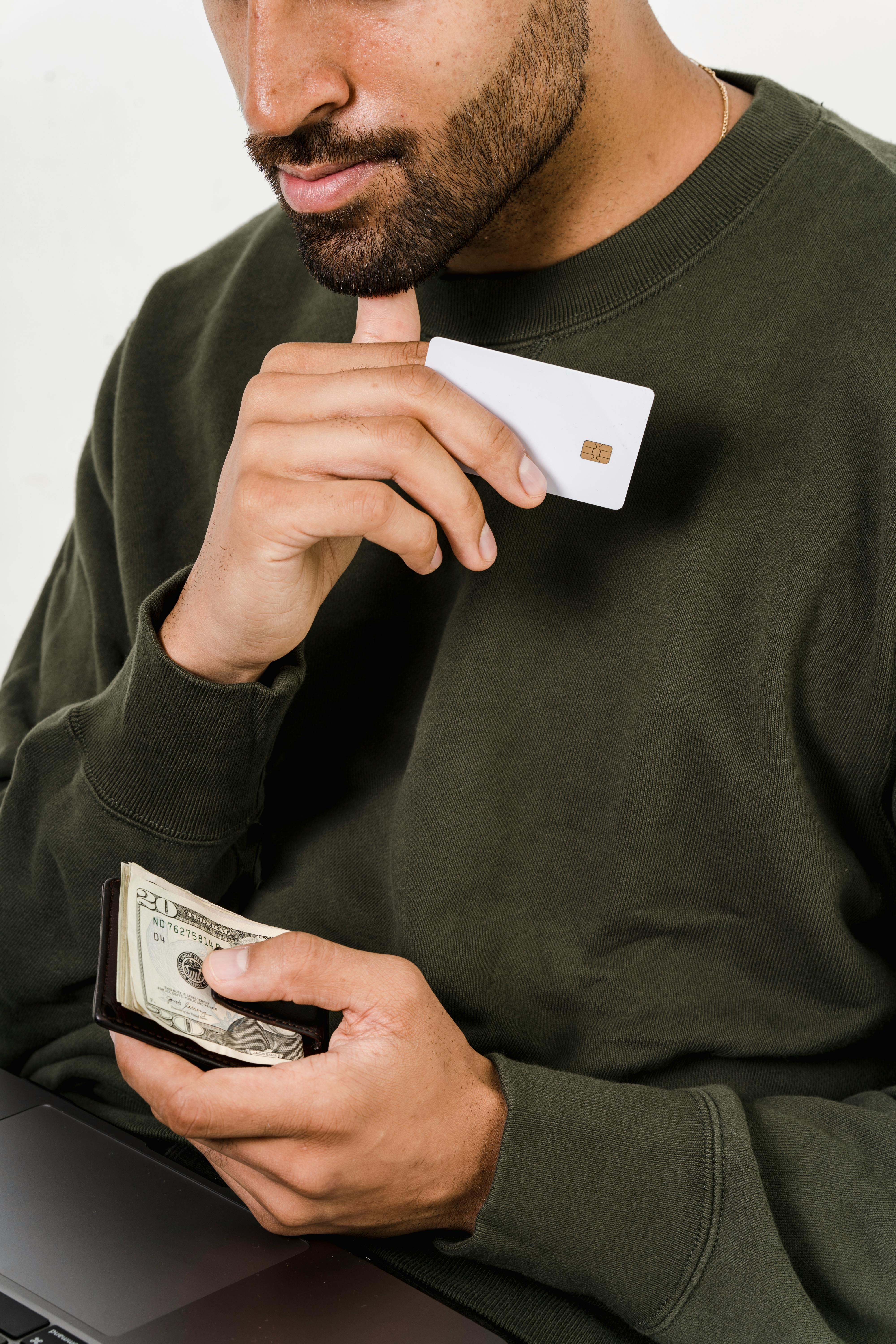
Cash, Bank Cards and Travel Wallet
It is useful to prepare your money arrangements before arriving in Tanzania. The Tanzanian shilling is the country's official currency, while the availability of card payments and foreign-currency services may differ between airports, towns, hotels and safari properties.
Consider carrying an appropriate amount of spending money for personal purchases, small expenses and situations where electronic payment may not be available. Keep your bank cards and cash organised in a secure travel wallet, and avoid displaying large amounts of money unnecessarily.
If you intend to exchange money, use appropriate and reputable exchange services. You should also check with your bank about international card usage and any charges that may apply during your stay.
8. Additional Items That Can Improve Your Safari
These optional items may be useful depending on your travel style, itinerary and personal preferences.

Lightweight Rain Jacket
Weather conditions can vary across Tanzania's safari regions and throughout the year. Depending on the season, your itinerary may include periods of rainfall or changing weather conditions. A lightweight rain jacket can provide an additional layer of protection when travelling between destinations or spending time outdoors.
A compact jacket that folds easily into your day backpack is a practical choice because it does not take up much luggage space. Travellers visiting during wetter periods may find it particularly useful.
Your clothing preparation should always take into account the expected weather conditions for your travel dates and the specific areas included in your safari.

Notebook and Pen
A small notebook can be a wonderful companion for travellers who enjoy recording their experiences. During your safari, you may discover new wildlife species, learn interesting facts about animal behaviour and hear stories about the landscapes and ecosystems you visit.
Writing down the names of animals, memorable sightings, locations and personal observations can help you remember your experience long after returning home. It can also be useful for keeping track of important travel information.
A small notebook and pen require very little space, making them simple optional additions to your travel bag.

Laundry Bag and Packing Organisers
Packing organisers and a separate laundry bag can make your luggage easier to manage, especially when your safari includes several accommodation changes. You can organise clean clothing, personal items and used clothing separately instead of mixing everything inside one suitcase.
This is particularly helpful during longer itineraries when you may be moving between destinations such as Tarangire, Serengeti, Ngorongoro and Lake Manyara. Keeping your belongings organised can save time when preparing for early morning departures.
Choose lightweight organisers that do not add unnecessary weight to your luggage. Before departure, check whether your accommodation offers laundry services and whether additional charges apply.
Important: Choose Practical Luggage
Your luggage should be suitable for your complete travel arrangements, including international flights, domestic flights where applicable, road transfers and accommodation changes. Some small aircraft operating in safari regions have strict baggage weight and luggage-size restrictions, and soft-sided bags may be required. These rules differ between operators and aircraft, so confirm the exact allowance with your airline or safari organiser before packing. Avoid assuming that the baggage allowance for your international flight will automatically apply to domestic safari flights.
9. What You Do Not Need to Overpack
A comfortable safari does not require carrying your entire wardrobe or unnecessary equipment.

Pack Light and Focus on Essentials
One common mistake travellers make is packing too many clothes and accessories that they may never use during their safari. A safari is primarily an outdoor wildlife experience, and practical comfort is generally more important than bringing a large selection of outfits.
You do not need multiple formal outfits, excessive pairs of shoes or large quantities of unnecessary accessories. Instead, focus on clothing that can be used for different activities, personal essentials, suitable footwear and equipment that supports your travel interests.
Before closing your suitcase, review your itinerary and consider whether every item you have packed has a practical purpose. Keeping your luggage organised and manageable can make transfers between destinations much easier.
Respect Nature and Follow Park Regulations
When preparing for a safari, remember that you will be visiting protected natural environments that are home to wildlife and delicate ecosystems. Avoid packing or bringing items that may be prohibited by park regulations, accommodation rules or airline safety requirements. Follow your guide's instructions, dispose of waste responsibly and avoid disturbing animals for photography or entertainment. Responsible preparation helps protect the natural environments that make Tanzania's safari destinations so special.
Ready for Your Tanzania Safari?
Having the right equipment is an important step towards enjoying a comfortable safari, but choosing the right itinerary and preparing for your destinations are equally important. Whether you are planning to explore the Serengeti, discover the Ngorongoro Crater or experience the beautiful landscapes of Tarangire, Kili2sere Adventure can help you understand the arrangements for your planned journey.
Plan Your Tanzania Safari