
What to Pack for Mount Kilimanjaro
Preparing for Mount Kilimanjaro requires more consideration than packing for an ordinary holiday. As Africa's highest mountain, standing at approximately 5,895 metres above sea level, Kilimanjaro presents a range of environmental conditions that change significantly as climbers move from the lower slopes towards the summit. A successful preparation process therefore involves understanding the mountain's different environments, selecting appropriate personal equipment and making suitable arrangements before travelling to Tanzania.
During a Kilimanjaro expedition, the environment changes from relatively warm lower-altitude forests to open moorland, alpine desert and the extremely cold conditions of the summit region. Temperatures, wind exposure, rainfall and personal comfort can vary considerably throughout the journey. Equipment that feels suitable in the forest may not provide sufficient protection in the higher mountain environments.
At Kili2sere Adventure, we believe that understanding your preparation requirements before arrival helps you approach your mountain journey more responsibly. This guide introduces the main categories of equipment and personal preparation that should be discussed with your qualified mountain operator. Exact equipment specifications, suitability and quantities must be confirmed according to your route, season, itinerary and professional guidance.
1. Understanding Kilimanjaro's Changing Climate
Your packing decisions should reflect the different environmental zones encountered on the mountain.
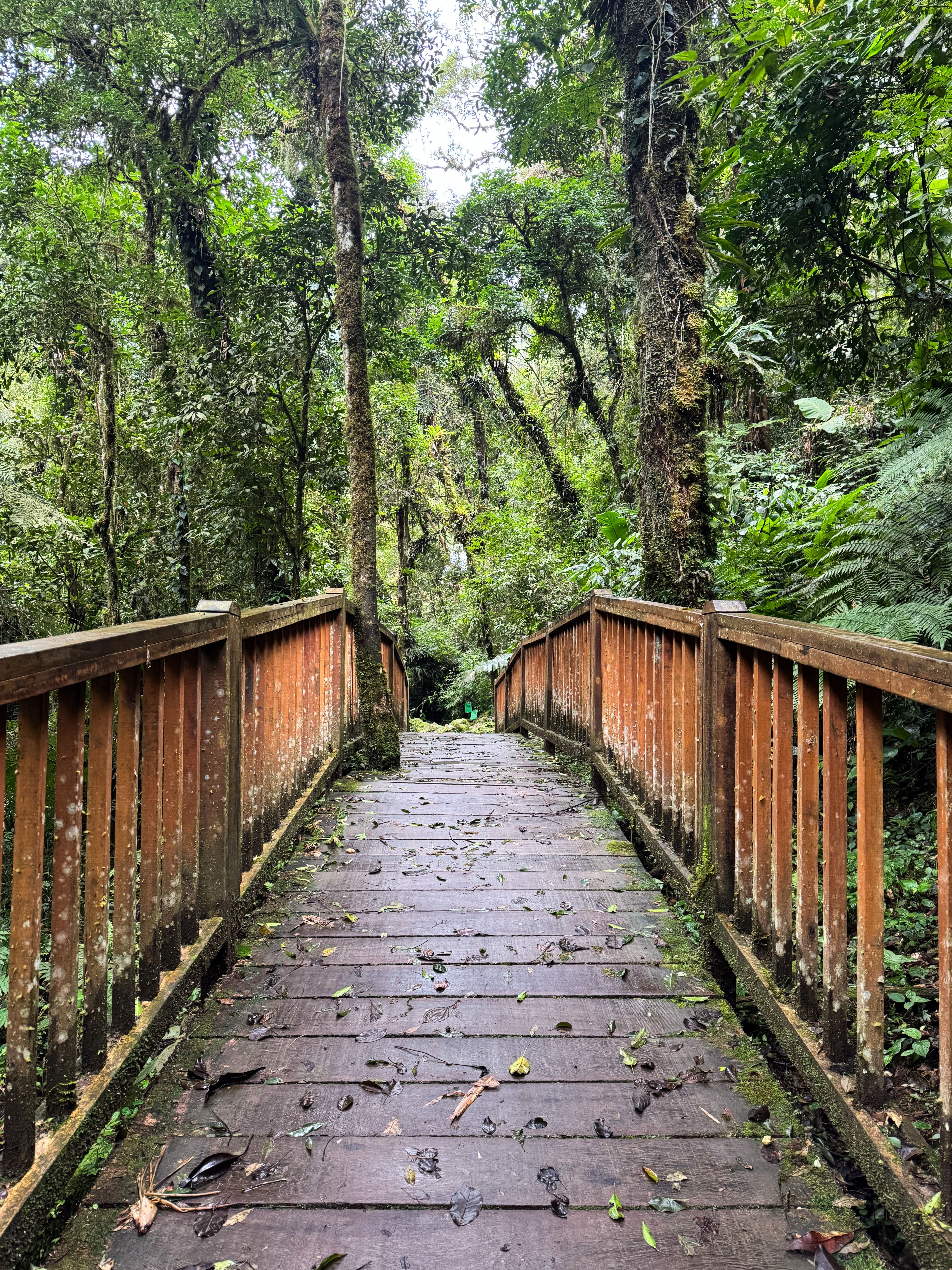
The Rainforest Zone
The lower slopes of Mount Kilimanjaro are covered by tropical montane forest, where vegetation is dense and environmental conditions can be humid. Rainfall may occur depending on the season, and the forest environment can feel very different from the open landscapes found higher on the mountain.
Preparation for this environment should take account of moisture, changing temperatures and outdoor movement. Your mountain operator should explain the clothing and personal equipment appropriate for the expected weather conditions. Keeping personal belongings protected from moisture is also an important consideration.
The rainforest is also a reminder that Kilimanjaro is not simply a cold mountain from the beginning. Conditions change as altitude increases, which is why a preparation plan should consider the entire expedition rather than focusing only on summit temperatures.

Heath and Moorland Zone
Above the forest, the landscape gradually opens into heath and moorland, where vegetation becomes shorter and the surroundings are more exposed. The scenery includes distinctive high-altitude plants, open slopes and changing weather conditions.
As the expedition progresses through this environment, travellers may experience stronger wind exposure, cooler temperatures and changing levels of cloud cover. Personal comfort and appropriate protection from the elements become increasingly important.
This environmental transition explains why equipment selection should be based on the complete mountain itinerary. Your guide or operator should clarify the clothing and personal preparation suitable for the conditions expected along your particular route.

Alpine Desert Zone
The alpine desert is characterised by a much more exposed landscape, limited vegetation and significant differences between daytime and nighttime conditions. The environment can be dry, windy and cold, with intense sunlight during clear periods.
Travellers should understand that high-altitude environments can create challenges that are not always obvious from the appearance of the landscape. Sun exposure, cold conditions, dehydration and the physical demands of the expedition require careful consideration.
Professional preparation should therefore include appropriate advice about personal comfort, environmental protection and health monitoring. Your mountain operator should explain what is required for the conditions expected on your itinerary.
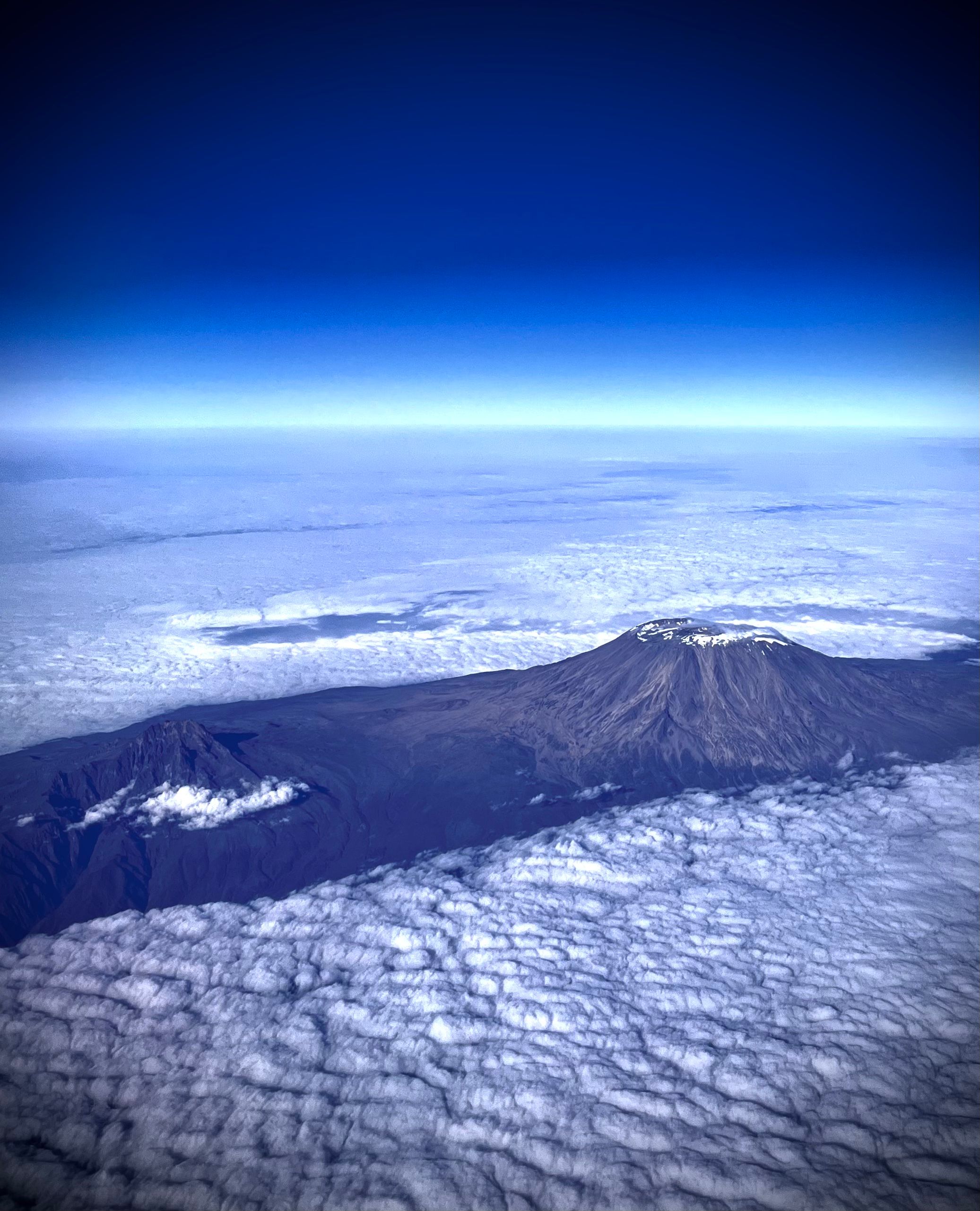
Arctic Summit Environment
The summit region of Mount Kilimanjaro is an extremely high-altitude environment where temperatures can be very low, particularly during nighttime and early morning hours. Wind exposure, cold conditions and the physical demands of high altitude make this part of the mountain particularly challenging.
Summit preparation must be discussed with qualified mountain professionals who understand the environmental conditions and the requirements of the specific expedition. Appropriate equipment, health monitoring and decisions about continuing or stopping an ascent are matters that should be handled through professional mountain guidance.
It is important not to assume that ordinary holiday clothing will provide suitable protection in this environment. Your operator should confirm the required equipment and explain how its suitability will be assessed before the expedition.
2. Clothing Preparation for Kilimanjaro
Clothing requirements should be considered according to the mountain's changing weather and environmental conditions.
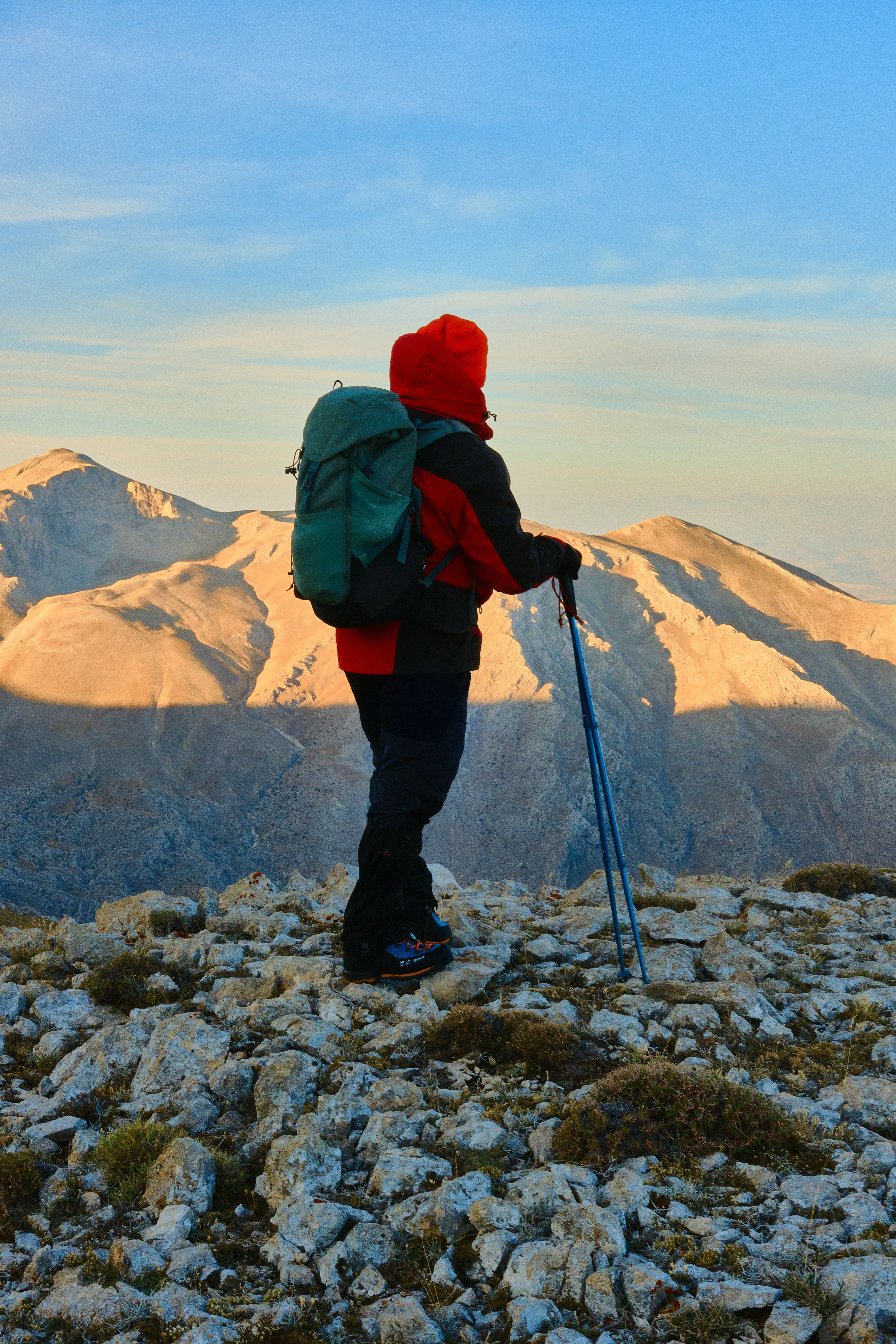
Understanding Layered Clothing
Layered clothing is an important concept in mountain preparation because temperatures and weather conditions can change throughout an expedition. Instead of relying on one type of clothing for the entire journey, mountain clothing systems are designed to provide flexibility according to environmental conditions.
Different clothing layers serve different purposes, including managing moisture, providing warmth and offering protection against wind or precipitation. The suitability of each layer depends on its design, material, fit and the conditions in which it will be used.
Because Kilimanjaro includes several climatic zones, your mountain operator should explain the clothing system appropriate for your expedition and help confirm that your personal equipment is suitable.

Thermal Clothing and Insulation
Thermal clothing and suitable insulating garments are important considerations when preparing for cold mountain environments. Their purpose is to help maintain comfort by providing appropriate warmth under changing conditions.
The amount and type of insulation required depend on several factors, including weather conditions, individual comfort, the equipment system and the expedition itinerary. Clothing that performs well in a cool town environment may not necessarily provide suitable protection in an exposed high-altitude environment.
Before travelling, discuss the suitability of your thermal clothing with your operator. This is especially important for the colder sections of the mountain where environmental conditions can be significantly different from those experienced at the starting point.

Weather Protection Clothing
Weather protection is another important part of preparing for Kilimanjaro. Rain, wind and changing weather conditions may affect different sections of the mountain, making it important to understand how your clothing and personal belongings will be protected.
Mountain clothing intended for weather protection should be appropriate for the conditions expected during the expedition. Waterproofing, breathability, fit and compatibility with other clothing layers are all considerations that should be assessed before departure.
Your operator should confirm the relevant equipment requirements and explain how to prepare for the possibility of changing weather throughout the expedition.
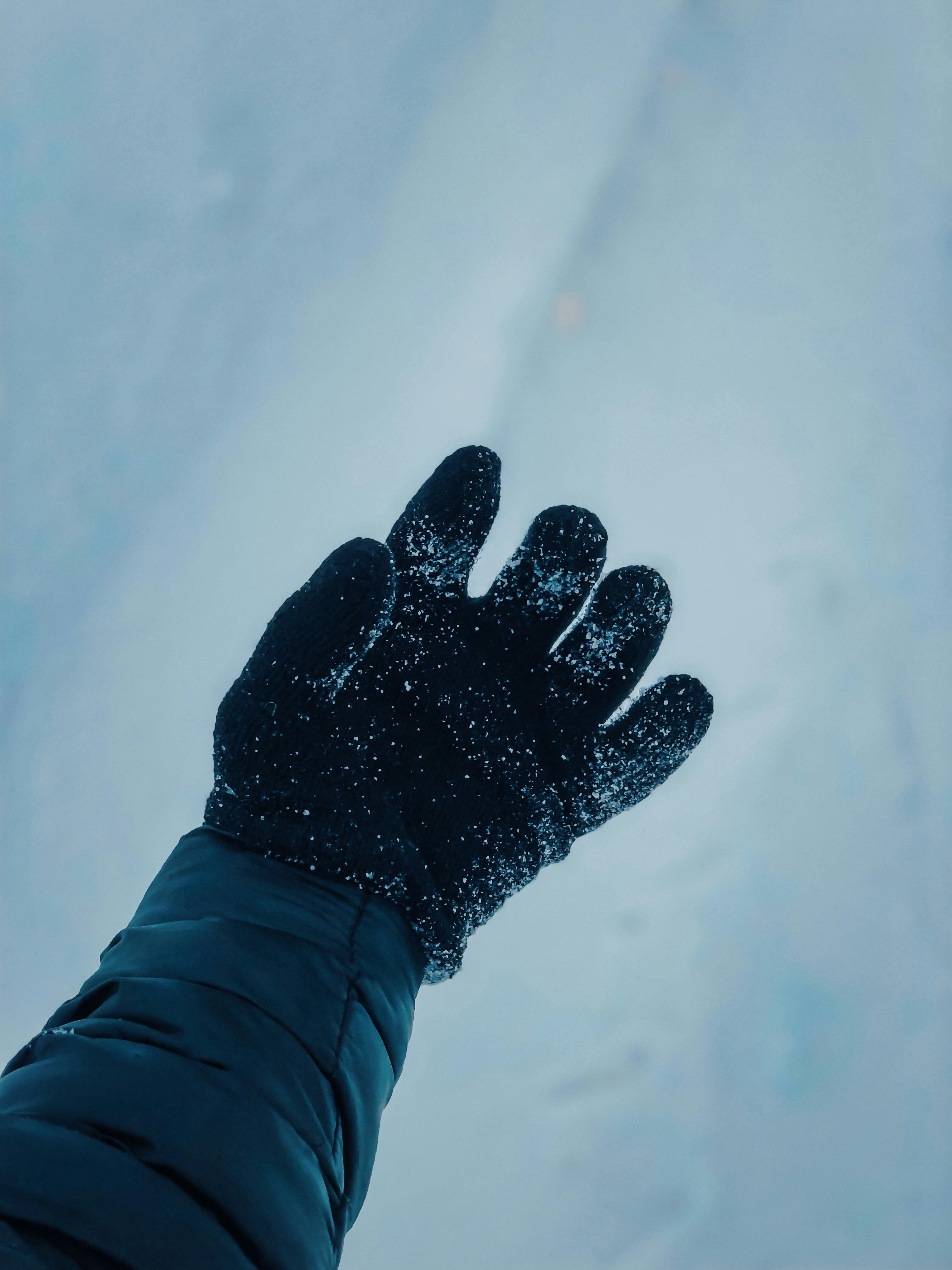
Gloves and Other Cold-Weather Accessories
Hands, ears, face and other exposed areas may be affected by cold temperatures and wind, particularly in higher sections of the mountain. Cold-weather accessories are therefore an important part of discussing your overall clothing preparation.
The type of gloves and other accessories required depends on the environmental conditions and the equipment system recommended by your mountain operator. Proper fit and compatibility with other clothing are important considerations.
Before departure, ask your operator to confirm the expected cold-weather accessories for your route and the conditions anticipated during your expedition.
3. Footwear and Personal Comfort
Footwear suitability and personal comfort should be assessed before any mountain expedition.
Suitable Mountain Footwear
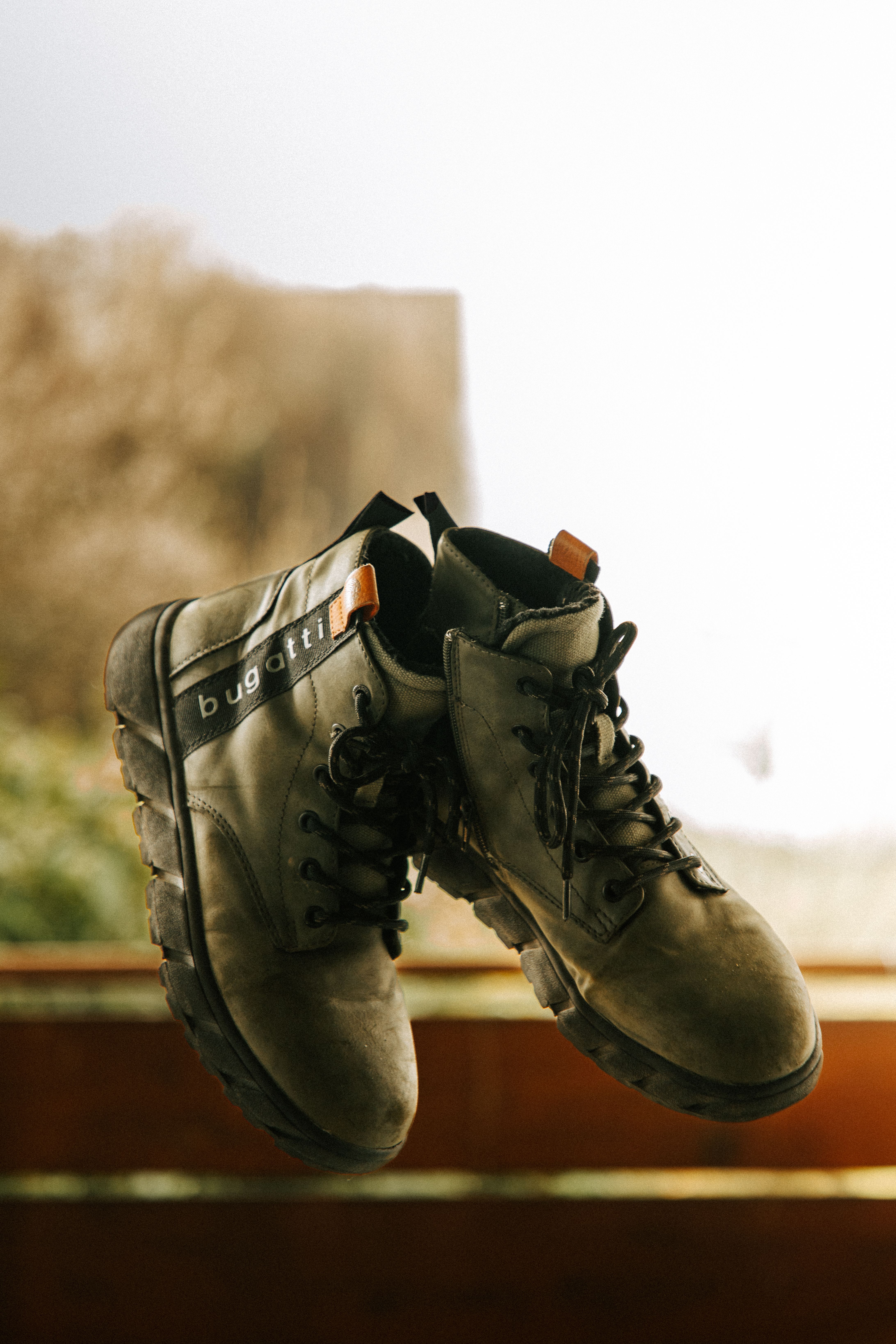
Footwear is an important consideration because the mountain environment includes different surfaces and changing weather conditions. The suitability of footwear depends on the terrain, the design of the footwear, individual fit and the requirements of the expedition.
Before travelling, discuss footwear requirements with your qualified mountain operator. Any footwear considered for an expedition should be assessed for suitability, comfort and compatibility with the conditions expected along the route.
It is also important to communicate any concerns about footwear fit or previous discomfort before the expedition begins rather than waiting until you are already on the mountain.
Socks and Personal Clothing Comfort
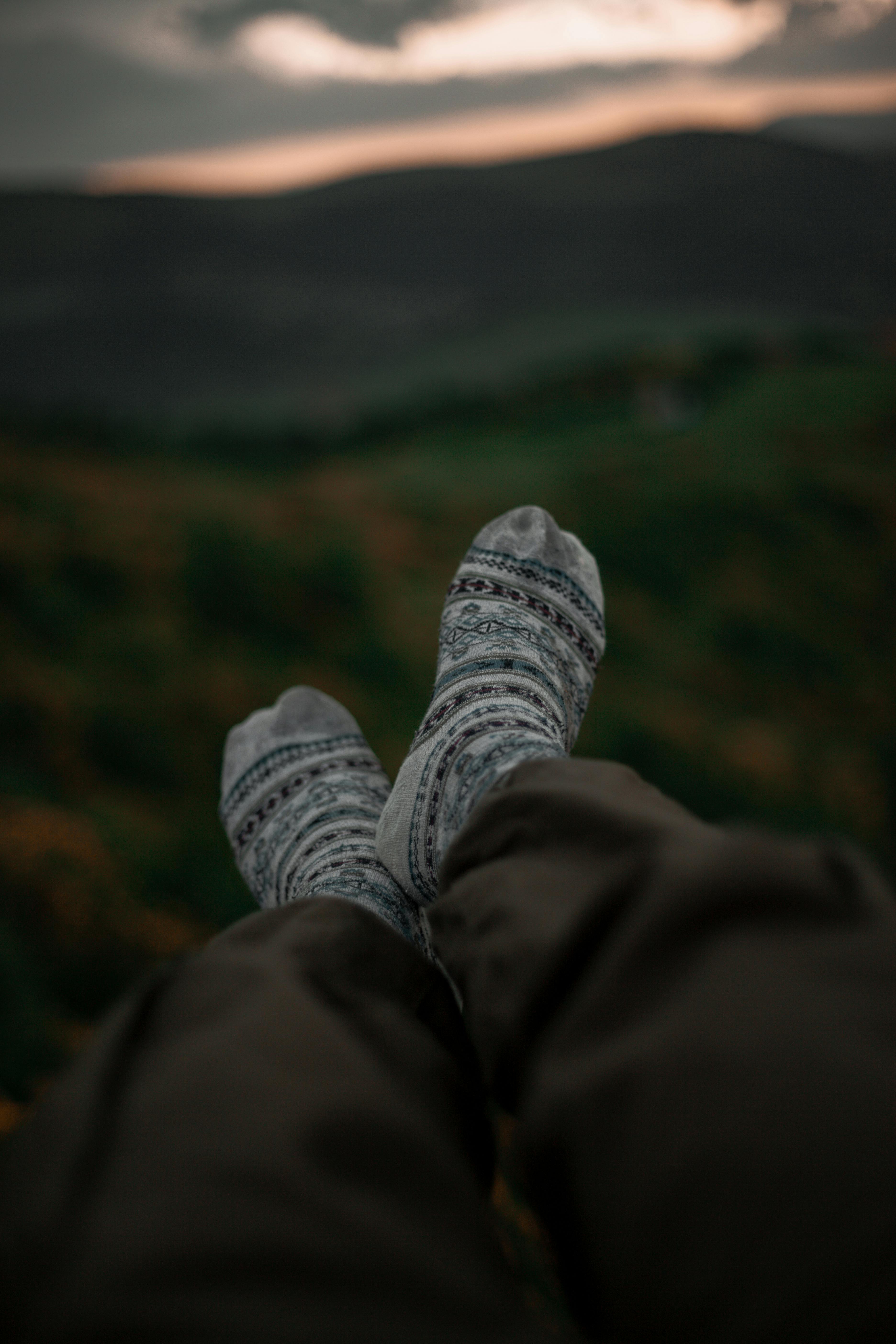
Socks are a small but important part of footwear preparation. Their suitability can influence comfort, moisture management and the way footwear fits during an expedition.
Travellers should discuss suitable sock materials and compatibility with their footwear before travelling. Personal comfort, correct fit and the prevention of avoidable friction should be considered as part of professional equipment preparation.
Your operator can help clarify the expected clothing arrangements and any specific requirements for the planned route.
4. Personal Equipment and Expedition Essentials
Personal equipment supports organisation, communication and comfort during the mountain journey.
Personal Daypack
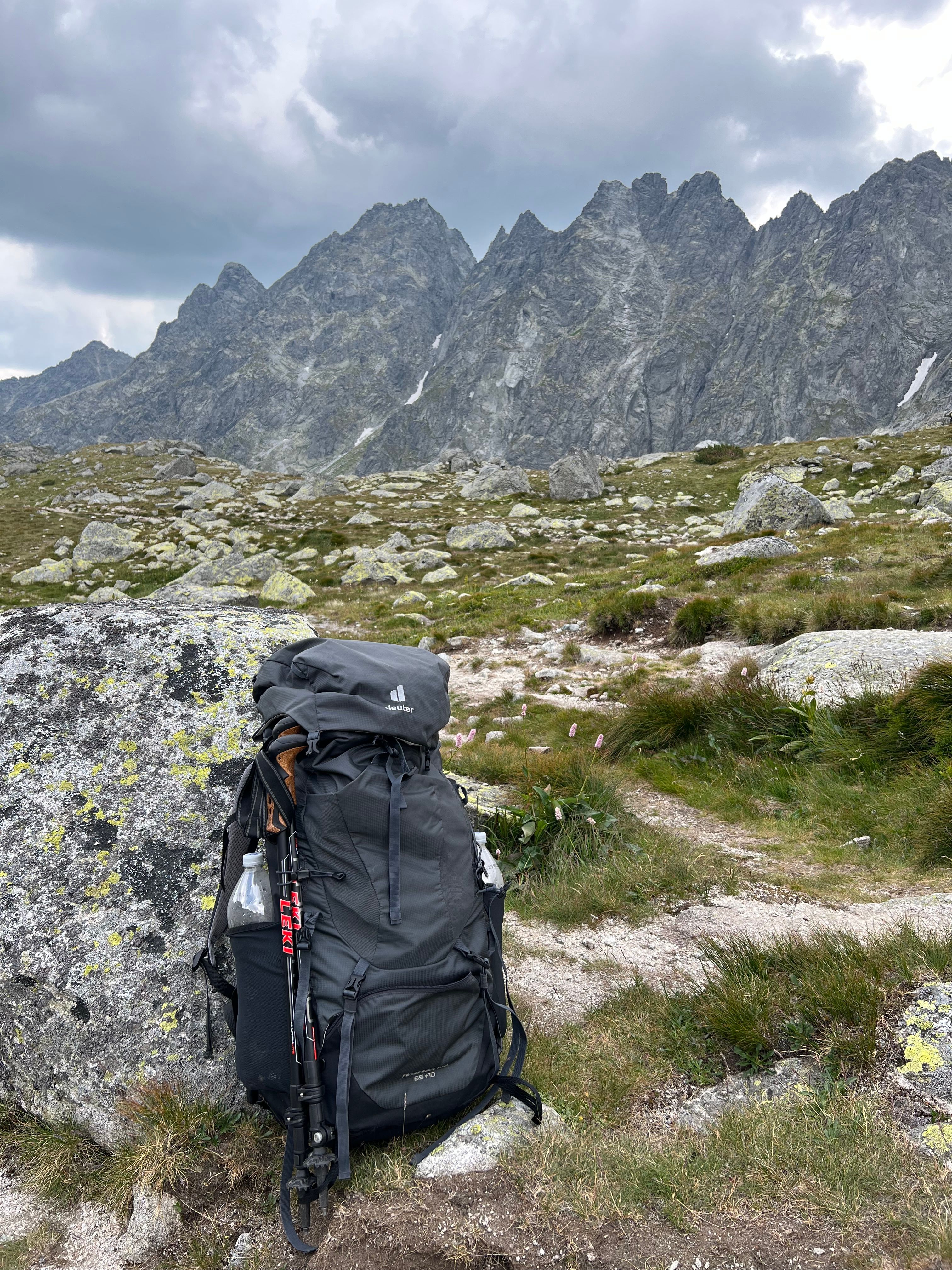
A personal daypack is commonly used to organise belongings that need to remain accessible during the expedition. The exact arrangement depends on the operator's support system, the route and the personal equipment requirements.
Your operator should explain what you are expected to carry personally and what arrangements are available for other luggage. It is important to understand the difference between personal day equipment and the main luggage arrangements for the expedition.
Before departure, confirm the expected bag specifications, carrying arrangements and any relevant weight restrictions rather than choosing equipment based only on appearance.
Personal Lighting Equipment
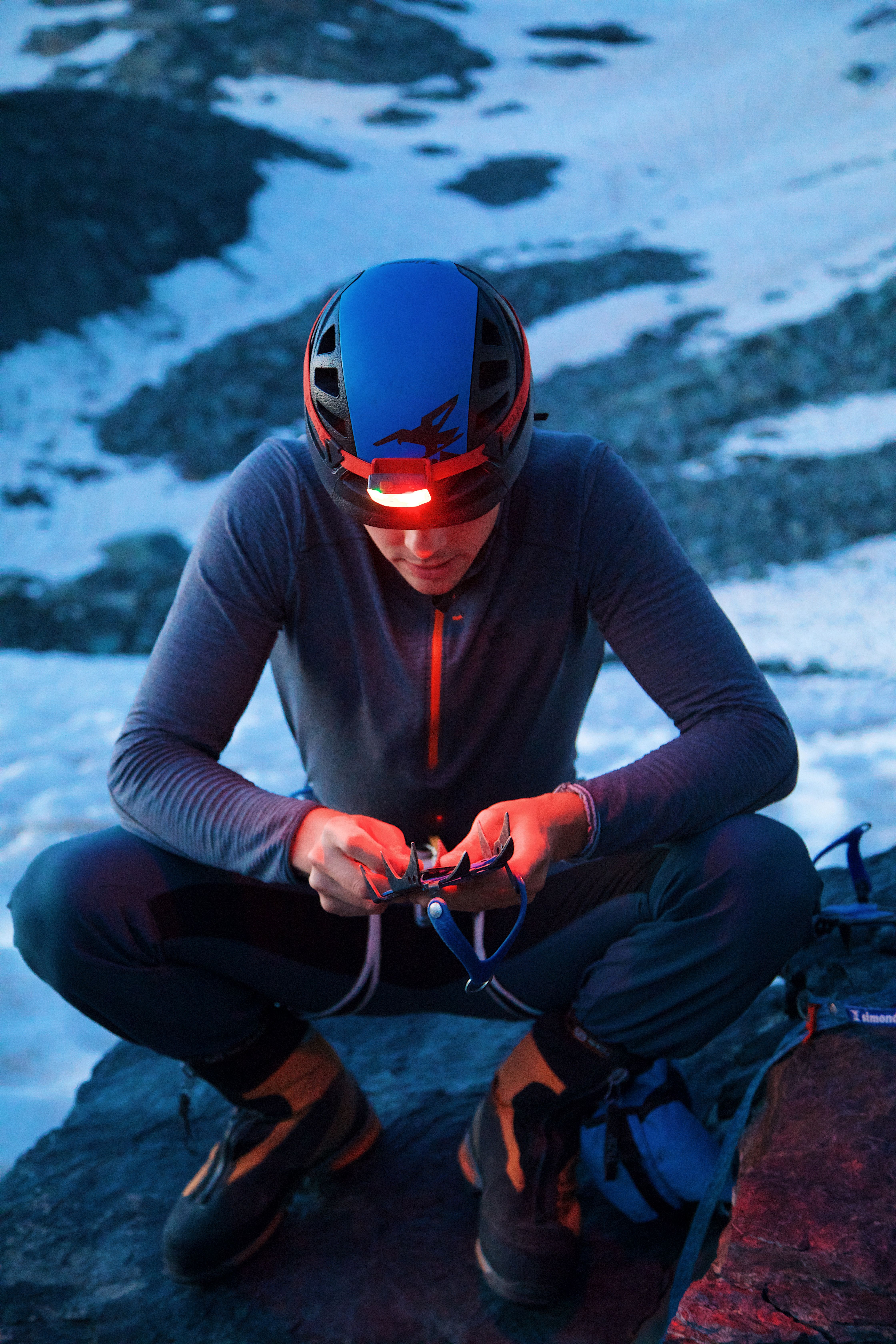
Lighting equipment is an important subject to discuss when preparing for an expedition that includes overnight mountain camps and activities during hours of darkness. A reliable light source can be useful for ordinary movement around camp and other situations where natural daylight is unavailable.
The type of lighting equipment and its suitability should be confirmed with your mountain operator. If electronic lighting is part of your personal equipment, also consider its charging arrangements and protection against changing environmental conditions.
Ask your operator about the equipment standards expected for your particular route and expedition arrangement.

Personal Hydration Arrangements
Hydration is an important health consideration during mountain travel. The physical demands of an expedition, changing environmental conditions and the effects of altitude make it important to discuss appropriate hydration arrangements with qualified professionals.
Your operator should explain how drinking water is provided, how it is made safe and what personal arrangements are expected during the journey. Travellers should follow professional guidance rather than relying on assumptions about water availability or safety.
Any personal hydration equipment should be suitable for the conditions and confirmed as part of the expedition preparation process.

Electronic Accessories and Power Management
Electronic devices may be useful for photography, communication and keeping travel information accessible. However, charging opportunities can be limited or unavailable in certain mountain environments.
Before travelling, consider which electronic devices are genuinely necessary and discuss any relevant restrictions with your operator. Battery performance may also be affected by cold conditions, so travellers should understand the limitations of their equipment.
Any power banks or spare batteries must comply with applicable airline rules, and their use during the expedition should be consistent with the operator's arrangements.
5. Health Preparation and Personal Medical Information
Health preparation is a central part of responsible planning for a high-altitude expedition.
Medical Assessment Before Travel
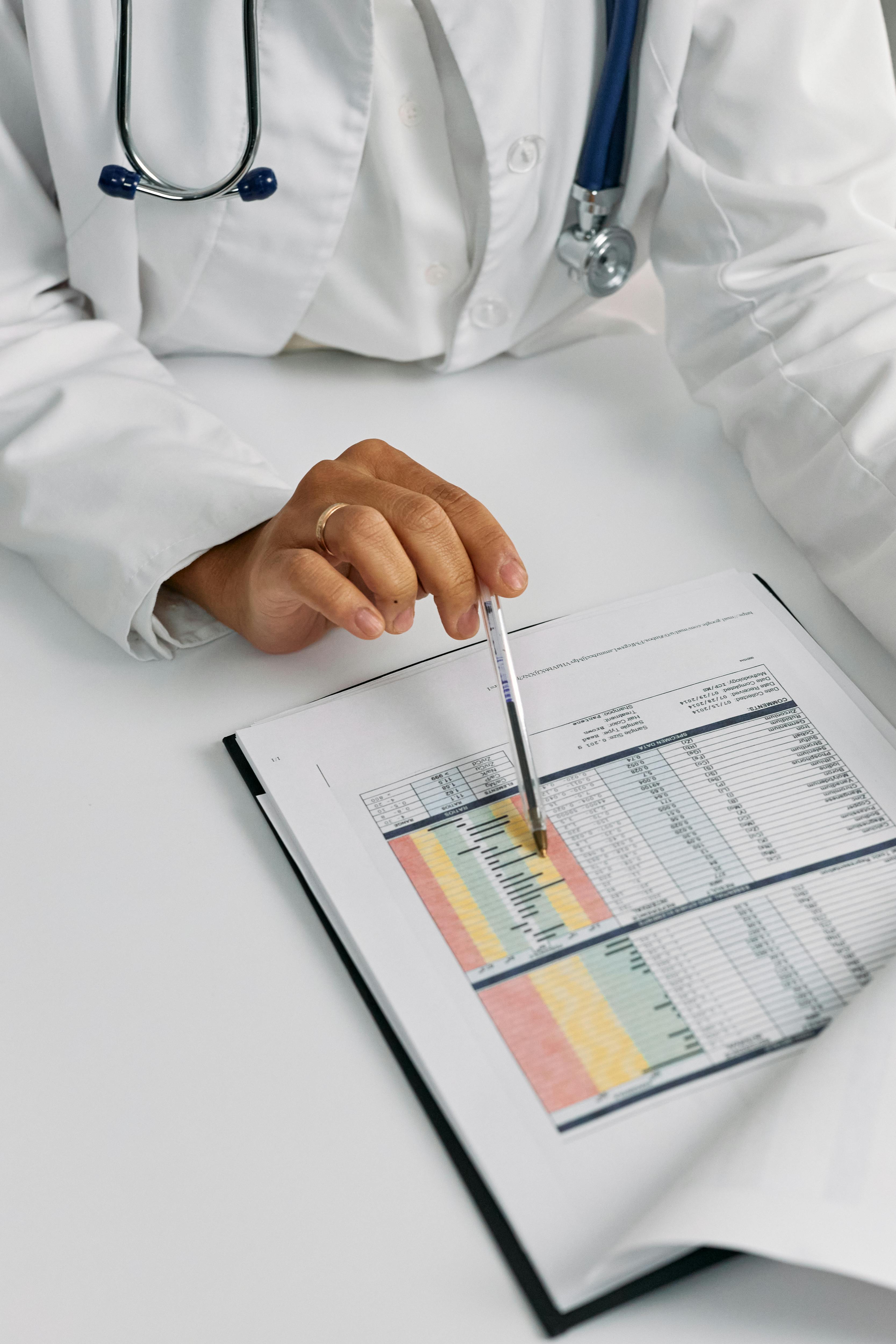
Mount Kilimanjaro is a high-altitude destination, and participation involves environmental and physical demands that should not be treated like an ordinary sightseeing activity. Before travelling, individuals should discuss their plans with a qualified healthcare professional who can consider their personal health circumstances and the nature of the proposed expedition.
A medical consultation is particularly important for anyone with existing health concerns, a history of altitude-related problems or questions about whether a high-altitude journey is appropriate for them. Travellers should provide accurate information and follow professional advice.
A tour operator cannot replace a medical professional. Health decisions should be based on appropriate medical guidance and responsible expedition procedures.

Personal Prescription Medication
Travellers who use prescription medication should discuss their travel plans with the healthcare professional responsible for their care. They should understand how their medication arrangements will be managed throughout the journey and whether any additional medical considerations apply.
Carry medicines in their original packaging where possible and keep relevant prescriptions or medical documentation available. Check the regulations governing the importation of any medication into Tanzania before travelling.
Never change prescribed medication or use altitude-related medicines based solely on advice from other travellers. Decisions about medication should be made with an appropriately qualified healthcare professional.

High-Altitude Travel Insurance
Travel insurance is an important consideration when planning a Kilimanjaro expedition. Travellers should not assume that an ordinary travel insurance policy automatically covers high-altitude trekking or the full range of circumstances that may arise during a mountain journey.
Before purchasing a policy, carefully check its terms and conditions, including the maximum altitude covered, trekking activities, emergency medical treatment, evacuation arrangements and repatriation provisions where applicable.
Make sure that the policy covers the actual activities and altitude included in your itinerary. If anything is unclear, obtain written clarification from the insurance provider before departure.
6. Travel Documents and Important Information
Keep your travel and personal information organised before arriving in Tanzania.

Passport, Visa and Entry Documents
International travellers should ensure that their passports meet the applicable entry requirements for Tanzania. Depending on nationality and individual circumstances, a visa or other travel authorisation may also be required.
Keep copies of your flight information, accommodation details, expedition confirmation and other important travel documents. Digital copies can provide useful backup, but travellers should still carry the original documents required by immigration and other authorities.
Always verify the latest requirements through official Tanzanian immigration channels before departure, as entry rules may change.

Emergency Contacts and Insurance Details
It is useful to keep your travel insurance information and emergency contact details organised before beginning your journey. These details may be important if an unexpected situation requires assistance or communication with someone outside the expedition.
Make sure that relevant emergency contacts are accurate and accessible. Travellers should also understand how to contact their insurance provider and what procedures apply if they need to request assistance.
Your operator should explain the appropriate communication arrangements and emergency procedures applicable to the expedition.
7. Understanding Mountain Luggage Arrangements
Your luggage arrangements should be confirmed with the operator before travelling.

Main Luggage and Personal Belongings
A Kilimanjaro expedition involves organised luggage arrangements that may differ from an ordinary hotel holiday. Depending on the route and support system, personal belongings may be separated into different categories for transport and daily access.
Before departure, ask your operator to explain the luggage system, permitted bag types, weight restrictions and the belongings you are expected to carry personally. These arrangements should be understood before packing so that you can avoid bringing unsuitable or unnecessary luggage.
Any specific luggage requirements must be confirmed according to the operator's procedures and the regulations applicable to the expedition.

Protecting Personal Belongings
Mountain environments can expose personal belongings to changing weather, moisture, dust and other outdoor conditions. Protecting important items is therefore an important part of organising expedition luggage.
Discuss suitable luggage protection with your operator, particularly for clothing, travel documents and electronic equipment. Personal items should be organised so that they remain accessible when required and protected during transport.
Remember that protecting your luggage is not simply about keeping it clean. It also helps ensure that important personal belongings remain in suitable condition throughout the expedition.
8. Preparation, Professional Guidance and Mountain Safety
Appropriate equipment is only one part of responsible mountain preparation.
Discuss Your Equipment With Your Mountain Operator
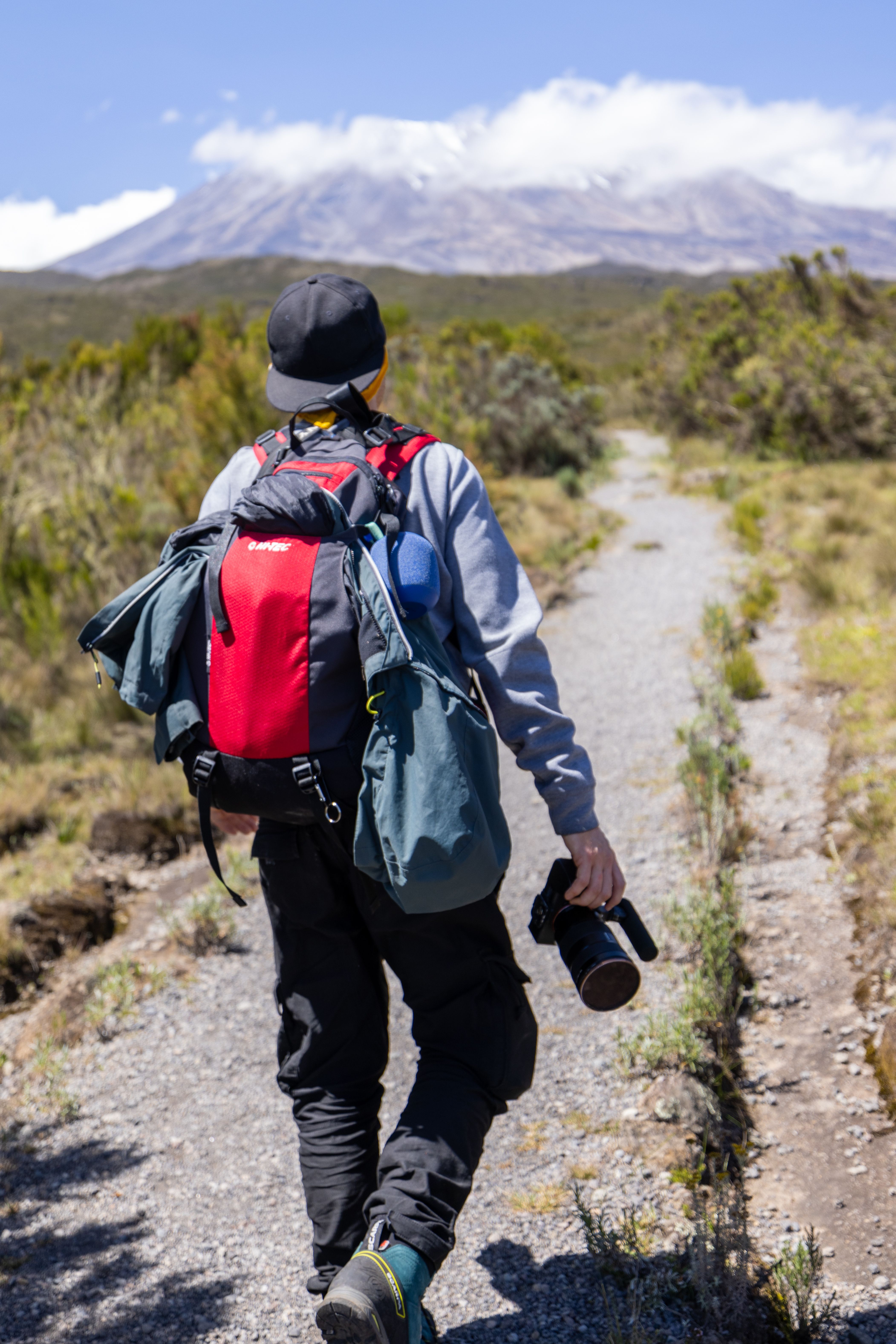
Every expedition should have clear arrangements for confirming personal equipment requirements. The appropriate equipment can depend on the selected route, expected weather, season, itinerary and the support services included in the trip.
Before travelling, discuss your equipment with the company responsible for organising the expedition. Ask which items you must provide yourself, which items may be available through the operator and whether any inspection or confirmation process takes place before departure.
Do not assume that equipment suitable for another mountain, another season or another person's expedition will automatically be appropriate for your own journey.

Understand Altitude Awareness and Health Monitoring
High altitude can affect people differently, and physical fitness alone does not guarantee that someone will avoid altitude-related illness. Travellers should understand that the mountain environment requires responsible decision-making and appropriate attention to health throughout the expedition.
Before travelling, learn about altitude-related health concerns from qualified healthcare professionals and understand the mountain operator's health-monitoring and emergency procedures. Participants should communicate any concerning symptoms promptly to their guides.
The decision to continue, pause or end an ascent must be guided by appropriate professional judgement and safety procedures. Reaching the summit should never be treated as more important than personal health and safety.
Important Mountain Preparation Notice
This page provides general information to help travellers understand the preparation considerations associated with Mount Kilimanjaro. It is not a substitute for a professional equipment assessment, medical consultation or the instructions of your mountain operator. Exact equipment specifications and expedition arrangements must be confirmed before travel. Mountain conditions can change, and appropriate decisions should always prioritise health, safety and responsible guidance.
Preparing for Your Kilimanjaro Journey?
Preparing for Mount Kilimanjaro begins long before arriving at the mountain. Understanding the environment, discussing your equipment requirements, arranging appropriate travel insurance and seeking professional health advice are all important parts of planning responsibly. If you are considering a Kilimanjaro expedition with Kili2sere Adventure, contact our team to discuss your travel plans and the preparation information relevant to your intended journey.
Contact Kili2sere Adventure