
Best Time for a Safari in Tanzania: Month-by-Month Guide
Tanzania is a year-round safari destination, but every season offers something different. Discover when to visit based on wildlife, the Great Migration, weather, landscapes, crowds, and the kind of safari experience you want.
There is no single month that is perfect for every Tanzania safari.
The best time to visit Tanzania is from June to October — the peak dry season, when wildlife gathers around shrinking water sources and the dramatic Mara River crossings of the Great Migration reach their climax, usually in August. The ideal month, though, depends on what you most want to see: January and February bring the wildebeest calving on the southern plains, the green season from November to May is quieter, greener and superb for birding, and June to October and January to February are the finest windows for a Zanzibar beach escape.
Tanzania is one of Africa’s most enchanting destinations, renowned for its rich biodiversity, iconic wildlife experiences, tropical coastlines, and majestic mountains. While it’s possible to visit Tanzania year-round, the best time to go depends heavily on what you want to experience—be it the Great Migration in the Serengeti, a beach retreat in Zanzibar, a Kilimanjaro trek, or an off-the-beaten-path safari in Ruaha or Nyerere.
This comprehensive guide breaks down Tanzania’s seasons, climate zones, and major events to help you decide when to plan your adventure.
| Season | Months | What to Expect |
|---|---|---|
|
Dry Season |
June–October |
Excellent general wildlife viewing, dry conditions, clear skies |
|
Short Rains / Green Season |
November–December |
Greener landscapes, migratory birds, fewer visitors |
|
Short Dry Period |
January–February |
Excellent wildlife viewing and Serengeti calving |
|
Long Rains / Green Season |
March–May |
Lush scenery, dramatic skies, fewer visitors; some areas wetter |
|
Calving Season |
January–March |
Southern Serengeti, newborn wildebeest and strong predator activity |
|
River Crossing Season |
July–October |
Northern Serengeti, potential Mara River crossings |
Tanzania’s climate varies across the country due to its diverse geography, altitude, and proximity to the Indian Ocean. However, for safari planning, the year can broadly be understood through two main weather patterns: the dry season and the wet season.
These seasonal changes influence the landscape, wildlife behaviour, road conditions, and overall safari experience. Understanding how each season works can help you choose the travel period that best matches what you want to experience in Tanzania.
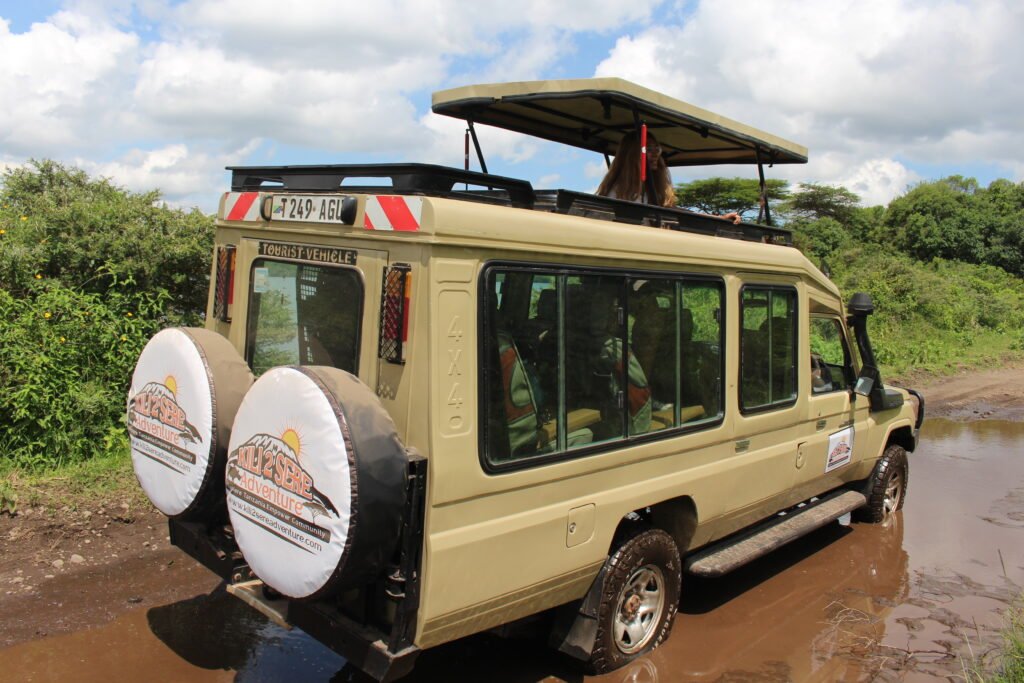
Dry Season — (June to October)
Clearer Skies, Drier Conditions & Excellent Wildlife Viewing
June to October is Tanzania’s main dry season and is widely regarded as one of the strongest periods for a classic safari experience.
During these months, rainfall is generally lower across much of the country’s northern safari circuit. As vegetation becomes less dense and water becomes more concentrated in certain areas, wildlife can be easier to spot during game drives.
The dry conditions also generally provide comfortable safari conditions, clearer skies, and easier access to many wildlife areas.
For travellers visiting the Serengeti, the dry season also overlaps with important stages of the Great Wildebeest Migration, particularly as herds move through the central and northern Serengeti.
What makes the dry season attractive?
- Excellent general wildlife viewing
- Lower rainfall in many safari areas
- Thinner vegetation in many locations
- Animals may gather around remaining water sources
- Good conditions for game drives
- Clearer skies and strong photography opportunities
- Great period for first-time safari travellers
- Important migration activity in the Serengeti
Best for: Classic wildlife safaris, first-time visitors, photography, and travellers who prefer drier conditions.
Wet Season — (November to May)
Green Landscapes, Fresh Life & A Different Safari Experience
Tanzania’s wet season brings a completely different character to the safari landscape.
The period generally includes the short rains around November and December and the long rains from approximately March to May, although rainfall patterns can vary between regions and from year to year.
Rain transforms the landscape, bringing fresh vegetation, greener scenery, seasonal water, and renewed activity across many ecosystems. It is also an important period for birdlife, with migratory birds adding to Tanzania’s already impressive variety of species.
The wet season also includes the remarkable calving period in the Southern Serengeti, particularly during the early months of the year. This can create exceptional opportunities to see newborn wildebeest and increased predator activity.
Rain does not necessarily mean that a safari is a poor experience. Instead, it changes the character of the journey.
What makes the wet season attractive?
- Lush green landscapes
- Fresh vegetation
- Excellent photography conditions
- Strong birdwatching opportunities
- Wildebeest calving season in the Southern Serengeti
- Potentially fewer visitors during some periods
- Dramatic skies and changing scenery
- A different, quieter side of Tanzania
Best for: Green-season safaris, photography, birdwatching, calving season, and travellers looking for a different safari atmosphere.
The Great Wildebeest Migration is not a single event that happens in one particular month. It is a continuous natural cycle that unfolds throughout the year as more than a million wildebeest, together with large numbers of zebra and gazelle, move across the Serengeti ecosystem in search of fresh grazing and water.
From the dramatic calving season in the Southern Serengeti to the movement through the Western Corridor and the possibility of Mara River crossings in the north, each stage of the Migration offers a different experience.
The exact timing can vary from year to year because the herds respond to rainfall and changing grazing conditions. The month-by-month guide below therefore provides a general pattern rather than a fixed schedule.
| Event | Timing | Best Location |
|---|---|---|
|
Calving Season |
Jan to Mar |
Southern Serengeti (Ndutu) |
|
Rutting Season |
Feb to Mar |
Ndutu / Central Serengeti |
|
Grumeti River Crossings |
May to July |
Western Serengeti |
|
Mara River Crossings |
July to Sept |
Northern Serengeti |
|
Southward Return |
Oct to Dec |
Central to Southern Serengeti |
A Note About Migration Timing
“The best strategy is to plan around the seasonal pattern, not around a guaranteed date.”
There is no single month that is perfect for every traveller. Tanzania offers rewarding safari experiences throughout the year, but the character of the journey changes with the seasons.
Some months are particularly attractive for dry conditions and general wildlife viewing. Others are better suited to travellers looking for green landscapes, birdlife, photography, fewer visitors, or the dramatic calving season in the Southern Serengeti.
Use the month-by-month guide below to understand what you can generally expect and decide when Tanzania best matches the safari experience you have in mind.
January — Green Landscapes & the Beginning of Calving Season
January brings fresh colour to Tanzania’s safari landscapes as seasonal rains support new vegetation across many areas. In the Serengeti, wildebeest herds are generally concentrated in the southern plains as the calving period approaches.
This is an excellent time for travellers who enjoy green scenery, photography, birdlife, and the beginning of one of the most remarkable wildlife periods of the year.
What to expect:
- Green and refreshed landscapes
- Increasing concentrations of wildebeest in the Southern Serengeti
- Beginning of the calving period
- Excellent birdwatching opportunities
- Good photography conditions
- Seasonal rainfall, usually with changing weather patterns
Best for: Green-season safaris, photography, birdwatching, and travellers interested in the beginning of the calving cycle
February — Peak Calving & Predator Action
February is one of the most exciting months for wildlife enthusiasts visiting the Southern Serengeti and Ndutu area. Large numbers of wildebeest calves are born during this period, creating an intense cycle of life across the plains.
With vulnerable newborns comes increased predator activity, making this a particularly compelling period for travellers interested in observing natural behaviour.
What to expect:
- Peak wildebeest calving activity
- Newborn calves across the southern plains
- Increased predator activity
- Green landscapes
- Excellent wildlife photography
- Busy wildlife activity around the calving areas
Best for: Calving season, predator encounters, wildlife photographers, and travellers looking for an active safari experience.
March — Calving Continues & Herds Begin Moving North
March can still offer excellent opportunities to experience the final stages of the calving season. As conditions begin to change, some herds gradually start moving away from the southern plains and toward the central Serengeti.
The combination of wildlife activity, green scenery, and seasonal movement makes March an interesting transition period.
What to expect:
- Continued calving activity in parts of the Serengeti
- Large concentrations of wildlife
- Gradual northward movement of some herds
- Green scenery
- Good opportunities for photography
- Changing weather conditions
Best for: Travellers who want to combine calving-season wildlife with the beginning of the Migration’s northward movement.
April — Green Season & Fewer Visitors
April falls within Tanzania’s long-rains period and brings some of the greenest conditions of the year. While rainfall can be more frequent, safari landscapes can look spectacular, with dramatic skies and fresh vegetation.
For travellers comfortable with changing weather, April can provide a quieter safari atmosphere and excellent photographic conditions.
What to expect:
- Lush green landscapes
- More frequent rainfall
- Dramatic skies and atmospheric scenery
- Excellent photographic opportunities
- Strong birdlife
- Potentially fewer visitors in some safari areas
Best for: Green-season travellers, photographers, birdwatchers, and those who prefer a quieter safari atmosphere.
May — Migration on the Move
May marks an important transition in the Serengeti. As the landscape responds to the changing rainfall pattern, large herds continue their movement north and west in search of fresh grazing.
The month can offer a combination of green scenery, active wildlife, and fewer visitors compared with the busiest dry-season periods.
What to expect:
- Herds continuing their northward movement
- Green landscapes gradually changing
- Seasonal rainfall
- Good wildlife viewing
- Fewer visitors in some areas
- Excellent opportunities for photography
Best for: Travellers seeking a quieter safari, green landscapes, and the natural movement of the Migration.
June — Dry Season Begins & Western Corridor
June marks the beginning of the main dry season across much of Tanzania. Rainfall generally decreases, vegetation begins to thin, and wildlife viewing becomes increasingly attractive.
In the Serengeti, migrating herds continue moving through the western and central areas, while the drier conditions create increasingly favourable safari conditions.
What to expect:
- Increasingly dry conditions
- Clearer skies
- Excellent game-drive conditions
- Wildlife becoming easier to spot in many areas
- Migration activity in the western and central Serengeti
- Strong photography opportunities
Best for: Classic safari experiences, wildlife viewing, photography, and travellers who prefer drier condition
July — Northern Migration & Growing River-Crossing Potential
July is one of Tanzania’s popular safari months. Dry conditions generally provide excellent wildlife-viewing opportunities, while the Migration continues its journey toward the northern Serengeti.
Some herds may begin gathering around river areas, but the timing of crossings depends heavily on rainfall, grazing conditions, and the movement of individual herds.
What to expect:
- Excellent general wildlife viewing
- Dry and generally comfortable safari conditions
- Herds moving toward northern Serengeti
- Increasing potential for river-crossing activity
- Strong photography conditions
- Higher visitor demand in popular areas
Best for: First-time safari travellers, wildlife viewing, dry-season travel, and travellers hoping to experience the northern Migration.
August — Mara River Crossing Season
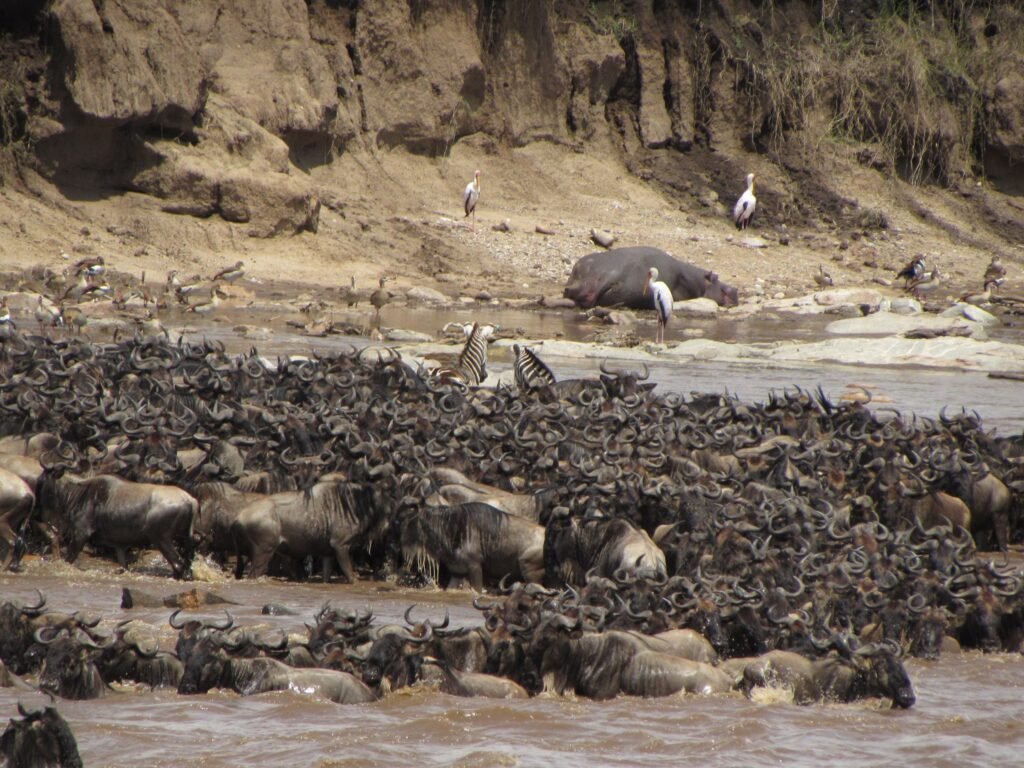
August is widely regarded as one of the strongest months for travellers hoping to experience the Great Migration in the northern Serengeti.
Large herds may gather near the Mara River before attempting to cross. However, river crossings are unpredictable. The herds may remain near the river for days, move away, or cross at a different location.
What to expect:
- Large concentrations of wildebeest in northern Serengeti
- Potential Mara River crossings
- Excellent dry-season wildlife viewing
- Clearer skies
- High safari demand
- More visitors in popular migration areas
Best for: Travellers specifically interested in the northern Migration and potential Mara River crossings.
September — Peak Northern Migration Experience
September continues to offer strong opportunities to experience the Migration in northern Serengeti. Depending on the year’s rainfall and herd movements, river-crossing activity may continue, while other groups may already be moving into different areas.
The dry conditions also support excellent general wildlife viewing beyond the Migration itself.
What to expect:
- Continued northern Migration activity
- Potential Mara River crossings
- Excellent wildlife viewing
- Dry conditions
- Strong photography opportunities
- High demand in popular areas
Best for: Great Migration safaris, wildlife photographers, and travellers looking for a classic dry-season safari.
October — Late Crossings & Return Journey
October can still offer opportunities to experience the Migration in northern Tanzania, although the timing of river crossings becomes increasingly dependent on seasonal conditions.
As rainfall patterns begin to change, some herds gradually start their movement southward toward areas with fresh grazing.
What to expect:
- Potential late-season river crossings
- Herds beginning their southward movement
- Excellent general wildlife viewing
- Generally dry conditions across many areas
- Changing landscapes as seasonal rains approach
Best for: Travellers seeking a combination of dry-season wildlife viewing and the later stages of the northern Migration.
November — Short Rains & Southward Migration
November marks the return of the short rains in many parts of Tanzania. The landscape begins to respond quickly, with fresh vegetation appearing across the plains.
The Migration continues its southward journey as herds follow the availability of new grazing.
What to expect:
- Short seasonal rains
- Fresh green vegetation
- Herds moving south
- Excellent birdwatching opportunities
- Fewer visitors in some areas
- Dramatic skies and changing scenery
Best for: Green-season travellers, photographers, birdwatchers, and those seeking a quieter safari experience.
December — Green Landscapes & Herds Returning South
December brings Tanzania into another green-season period, with seasonal rainfall refreshing the landscape. In the Serengeti, many migrating herds continue moving toward the southern plains where the next calving cycle will eventually begin.
The combination of wildlife, green scenery, festive-season travel, and changing weather makes December an attractive month for a Tanzania safari.
What to expect:
- Green and refreshed landscapes
- Herds moving toward the southern Serengeti
- Good birdwatching opportunities
- Excellent photography conditions
- Seasonal rainfall
- Increased travel demand around Christmas and New Year
Best for: Green-season safaris, families and holiday travellers, photography, and travellers combining safari with a festive-season Tanzania or Zanzibar holiday.
A Better Way to Choose Your Safari Month
Rather than asking only “What is the best month for a Tanzania safari?”, it is often more useful to ask:
“What do I want my Tanzania safari to look like?”
If you want dry conditions and classic wildlife viewing, June to October is generally a strong choice. If you want calving and predator activity, January to March can be particularly rewarding. If you prefer green landscapes, birdlife and a quieter atmosphere, the wetter months can offer a very different but equally memorable experience.
And if your priority is the Great Wildebeest Migration, your destination within Tanzania matters just as much as the month you choose.