
Amboseli National Park – The Land of Giants Beneath Mount Kilimanjaro
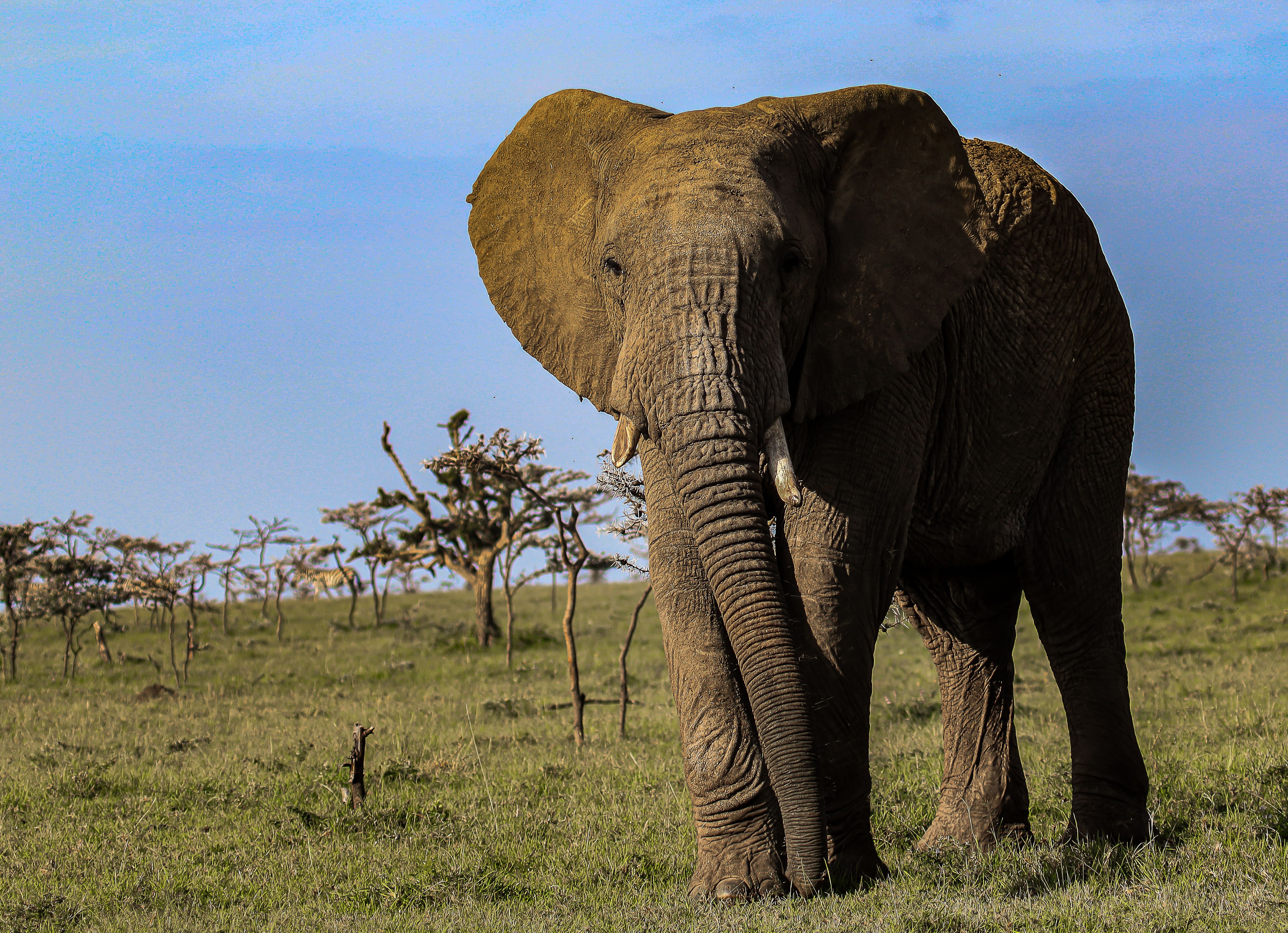
Located in southern Kenya, close to the Tanzania border, Amboseli National Park is one of East Africa's most remarkable wildlife destinations. Famous for its large elephant herds, expansive open plains, beautiful wetlands and spectacular views of Mount Kilimanjaro, the park offers a safari experience shaped by extraordinary natural contrasts. Here, enormous elephants move across open grasslands beneath Africa's highest mountain, while swamps, acacia woodlands and seasonal lakes support a rich variety of wildlife. Amboseli is more than a destination for wildlife viewing; it is an important conservation landscape where water, wildlife, local communities and the natural environment are closely connected.
Understanding Amboseli National Park
Amboseli National Park is situated in Kajiado County in southern Kenya, near the international border with Tanzania. It covers approximately 392 square kilometres and forms the protected central area of a much larger ecosystem extending across surrounding community lands and wildlife dispersal areas. The park was officially gazetted as a national park in 1974 and is managed by the Kenya Wildlife Service.
The destination is internationally recognised for its large population of African elephants and its distinctive landscape, which combines open savannah, dry plains, acacia woodland, marshes and permanent swamps. These different habitats create favourable conditions for a wide variety of wildlife species, making Amboseli one of Kenya's important safari destinations.
One of the park's most recognisable characteristics is its geographical relationship with Mount Kilimanjaro. Although the mountain is located in neighbouring Tanzania, its impressive snow-capped summit dominates the southern horizon of Amboseli on clear days. This creates one of Africa's most iconic natural landscapes, where wildlife can be observed against the backdrop of a spectacular mountain.
The park's name is commonly associated with the Maasai word Empusel, meaning a salty or dusty place. This description reflects the dry, dusty conditions that can develop across the basin, especially during periods of limited rainfall. The contrast between these dry plains and the green wetlands is one of the defining features of Amboseli.
Unlike parks characterised mainly by extensive woodland or dense vegetation, much of Amboseli offers relatively open landscapes. This makes wildlife easier to observe in many areas, particularly around the wetlands where animals gather to access water and fresh vegetation.
The Geography and Natural Landscape of Amboseli
Amboseli lies within a broad semi-arid basin at the northern foothills of Mount Kilimanjaro. Its landscape has been shaped by volcanic activity, ancient lake systems, changing rainfall patterns and the movement of water through underground geological formations. The result is an unusual environment in which dry open plains exist alongside green wetlands and marshes.
The park's geographical character is strongly influenced by its position within the wider Kilimanjaro landscape. Water originating from the mountain's forested catchment areas moves through underground systems and emerges in parts of the Amboseli basin through springs and groundwater-fed wetlands. This natural water system supports vegetation and wildlife even when rainfall across the surrounding plains is limited.
The open plains are particularly distinctive during the dry season, when the ground can become dusty and the landscape may appear dry and almost empty in certain areas. However, the wetlands remain important wildlife refuges, attracting animals from surrounding habitats and creating concentrated opportunities for wildlife observation.
The southern horizon is dominated by Mount Kilimanjaro, while the wider landscape includes volcanic hills, scattered rocky formations and distant highland features. The surrounding scenery gives visitors a strong sense of the geographical connection between Kenya's southern wildlife habitats and Tanzania's northern mountain environment.
These geographical contrasts are central to understanding why Amboseli is such an important ecosystem. The park's wildlife does not depend on a single habitat. Instead, animals use different areas according to the availability of water, food, shade, breeding grounds and seasonal conditions.
Mount Kilimanjaro – The Iconic Backdrop of Amboseli
Mount Kilimanjaro is one of the most important visual features of the Amboseli experience. Located in Tanzania, just south of the park, it rises to approximately 5,895 metres above sea level and is the highest mountain in Africa. Its enormous volcanic structure and snow-covered upper slopes create an extraordinary background for the open landscapes of Amboseli.
The mountain is particularly impressive during clear weather, when its summit becomes visible above the clouds. Early mornings often provide favourable opportunities to appreciate the mountain's outline before cloud formations develop around its upper slopes. However, visibility is never guaranteed, as weather conditions change throughout the day and between seasons.
The relationship between Amboseli and Kilimanjaro is more than a matter of scenery. The mountain also plays an important role in the wider ecosystem through its influence on groundwater and the wetlands that sustain wildlife. Water originating from the Kilimanjaro landscape contributes to the springs and marshes that make Amboseli such an important refuge in a semi-arid region.
For photographers and nature enthusiasts, the combination of elephants, open grasslands, acacia trees and Kilimanjaro creates exceptional opportunities for landscape and wildlife photography. The mountain gives Amboseli a distinctive identity that separates it from many other savannah destinations in East Africa.
Amboseli – The Home of the African Elephant
Elephants are the most celebrated wildlife species in Amboseli and form an essential part of the park's identity. The area is internationally recognised for its large free-ranging elephant population and the remarkable opportunities it offers to observe these animals in their natural environment. Kenya Wildlife Service describes Amboseli as the Home of the African Elephant.
The park's elephants are particularly fascinating because they can often be observed in family groups moving through open grasslands, woodland areas and wetlands. These groups are usually led by experienced adult females, known as matriarchs, whose knowledge of water sources, feeding areas and seasonal movement routes plays an important role in the survival of the family.
Elephant families demonstrate complex social relationships. Mothers protect and care for their young, older females contribute experience to group decisions, and younger elephants gradually learn behaviours through interaction with other members of the herd. Observing these relationships provides visitors with a deeper understanding of elephant intelligence and social organisation.
Male elephants also have distinctive social patterns. Younger males may spend time in bachelor groups or move independently, while mature bulls can travel alone or associate temporarily with other elephants. Their movement across the ecosystem is influenced by food availability, water, reproductive behaviour and seasonal environmental conditions.
Amboseli is also internationally important for elephant research. The Amboseli Elephant Research Project, established in 1972, has contributed decades of information about individual elephants, family relationships, reproduction, behaviour and population changes. This long-term research has made Amboseli one of the most important places in the world for understanding wild elephant societies.
Elephants are also ecological engineers. Their feeding activities influence woodland structure, vegetation growth and the distribution of plant material. By moving through different habitats, they contribute to the natural processes that shape the wider ecosystem.
During a safari, visitors may encounter elephants feeding on grass, browsing on vegetation, crossing open plains, interacting with their young or gathering around wetlands. Every encounter is different, and wildlife observations should always take place from a respectful distance under the guidance of an experienced safari guide.
The Swamps and Wetlands – The Lifeline of Amboseli
One of the most important ecological features of Amboseli is its network of permanent and seasonal wetlands. These wetlands are especially valuable because they exist within a largely semi-arid environment where rainfall can be irregular and water availability changes considerably throughout the year.
Groundwater associated with the wider Mount Kilimanjaro landscape feeds several springs and wetland systems within the Amboseli basin. This creates areas of green vegetation and accessible water that attract elephants, buffaloes, hippos, grazing animals and numerous bird species.
During dry periods, the wetlands become particularly important because surrounding grasslands may offer limited grazing opportunities. Animals move towards these water sources to drink, feed and find more favourable habitat conditions. This concentration of wildlife is one reason why Amboseli can offer rewarding game-viewing experiences throughout much of the year.
Enkongo Narok Swamp
Enkongo Narok is one of the important wetland areas associated with Amboseli's wildlife habitat. Its water and vegetation provide valuable resources for elephants, buffaloes and other animals. The swamp also supports birdlife and contributes to the diversity of habitats found within the park.
Wetland environments such as this are essential during periods when the surrounding plains become dry. They provide feeding opportunities and help maintain ecological activity in a landscape that would otherwise experience more severe seasonal water shortages.
Longinye Swamp
Longinye is another important wetland within the Amboseli ecosystem. Together with other swamp systems, it contributes to the availability of water and green vegetation across the park. Its ecological importance extends beyond the animals that directly depend on it, because wetlands also support smaller organisms and plant communities that form part of the wider food web.
Ol Tukai Wetland Environment
The Ol Tukai area is associated with important wetland and woodland habitats. Its vegetation, including distinctive palm and tree communities, contributes to the park's landscape diversity. The area is also known for wildlife activity and its position within one of the best-known sections of Amboseli.
These wetlands demonstrate that water is one of the most important forces shaping Amboseli. Their protection is essential not only for elephants but also for the many species and communities that depend on the wider ecosystem.
Lake Amboseli and the Seasonal Basin
Lake Amboseli is an important geographical feature of the park and its surrounding basin. Unlike a permanent freshwater lake, it is a seasonal and often alkaline lake environment that can expand during periods of heavy rainfall and become largely dry during hotter, drier conditions.
The lake basin forms part of the wider geological history of Amboseli. Its broad, open surface reflects the area's ancient lake environment and changing water conditions over geological time. When water accumulates, the basin can create temporary aquatic habitats that attract waterbirds and other wildlife.
During suitable seasonal conditions, flamingoes and other waterbirds may be attracted to flooded areas. The availability of shallow water and suitable feeding conditions can make the lake basin particularly interesting for birdwatching.
When the water retreats, the exposed lakebed can become dry, dusty and salty. This creates the distinctive open plains and atmospheric conditions that contribute to the meaning associated with Amboseli's name.
The seasonal nature of the lake illustrates the close relationship between rainfall, groundwater, vegetation and wildlife movement. It also demonstrates why Amboseli must be understood as a dynamic ecosystem rather than a landscape that remains unchanged throughout the year.
The Main Habitats and Vegetation of Amboseli
Amboseli contains several interconnected habitats that support different wildlife species and ecological processes. The main habitats include open savannah grasslands, acacia woodlands, thorn bush vegetation, marshes, swamps and seasonal lake environments. Each contributes something different to the overall ecological balance of the park.
Open Savannah Grasslands
The open grasslands are among the most recognisable features of Amboseli. They provide important grazing areas for herbivores such as zebras, wildebeest and gazelles. These open environments also allow predators to observe and follow potential prey, contributing to natural predator-prey interactions.
Grass availability changes with rainfall and seasonal conditions. During wetter periods, fresh vegetation can spread across the plains, while dry periods may leave some areas with shorter and less abundant grazing resources.
Acacia Woodlands
Acacia and other dryland woodland communities provide important browse, shade and habitat structure. Giraffes use their height to feed on tree foliage, while elephants may browse on branches, leaves and other plant material. Birds also depend on trees for nesting, shelter and feeding opportunities.
Woodland areas create a contrast with the open grasslands and contribute to the variety of wildlife encounters possible during a safari. They also provide shade and more sheltered conditions for animals during hotter parts of the day.
Thorn Bush and Shrubland
Thorn bush vegetation is adapted to relatively dry environmental conditions. Its scattered shrubs and thorny plants provide habitat for smaller animals and birds while forming part of the broader vegetation structure. These areas may appear less productive than wetlands, but they remain important components of the ecosystem.
Marshland and Wetland Vegetation
Marshes and wetlands support plant communities adapted to saturated soils and regular water availability. They provide grazing and feeding opportunities for herbivores while supporting amphibians, aquatic organisms and water-associated bird species.
The relationship between these habitats is what makes Amboseli ecologically valuable. Animals can move between grasslands, woodlands and wetlands as their needs change, allowing them to respond to seasonal conditions across the wider landscape.
Wildlife Diversity and the Animal Kingdom of Amboseli
Although elephants are the most famous animals in Amboseli, the park supports a much wider range of wildlife. Its open plains, woodland areas and wetlands provide habitats for large herbivores, predators, smaller mammals and many other species.
African Buffalo
African buffaloes are among the large herbivores found in Amboseli. They are powerful social animals that may form substantial herds, particularly where suitable grazing and water are available. Their presence contributes to the ecological diversity of the park and provides important opportunities for wildlife observation.
Masai Giraffe
The Masai giraffe is one of the most recognisable browsing mammals of the East African savannah. Its long neck and distinctive irregular coat pattern make it easy to recognise. Giraffes feed mainly on leaves and shoots from trees and shrubs, allowing them to use vegetation that many ground-feeding herbivores cannot reach.
Plains Zebra
Zebras are commonly associated with the open grasslands of Amboseli. They are social grazing animals that may form groups or larger aggregations depending on local conditions. Their feeding behaviour contributes to the use and renewal of grassland habitats, while their movement may be influenced by the availability of water and fresh pasture.
Wildebeest
Wildebeest are another important grazing species in the wider Amboseli landscape. Their distribution and movement can change according to rainfall and vegetation conditions. Together with zebras and other herbivores, they contribute to the complex grazing relationships that shape the savannah ecosystem.
Gazelles and Other Antelopes
Different gazelle and antelope species occupy the open plains and surrounding habitats. They use grassland and shrubland areas for feeding and shelter, and their presence contributes to the ecological balance of the park. Their behaviour and distribution are influenced by food availability, predators and seasonal environmental conditions.
Hippopotamuses
Hippos are associated with suitable wetland and aquatic habitats within the wider ecosystem. They spend much of their time in water and generally move onto land to feed, particularly during cooler periods. Their presence highlights the importance of maintaining healthy wetland systems in an otherwise semi-arid environment.
Other Mammals
The wider Amboseli ecosystem also supports species such as hyenas, jackals, mongooses and other smaller mammals. Although some are less frequently observed than elephants or zebras, they form important parts of the food web and contribute to the ecological complexity of the region.
Predators and the Natural Balance of the Ecosystem
Amboseli supports several important predator species that help maintain the natural balance of its wildlife ecosystem. These animals depend on the presence of healthy herbivore populations and suitable habitat conditions. Their activities form part of the natural relationships between predators, prey and the wider environment.
Lions
Lions are among the most recognised predators in the African savannah and are found within the Amboseli ecosystem. They are social carnivores that generally live in family groups known as prides. Their behaviour is influenced by prey availability, territory, social relationships and environmental conditions.
Lions may use open grasslands, woodland edges and areas close to prey concentrations. Observing their natural behaviour can provide visitors with an understanding of the role large predators play in regulating wildlife populations and maintaining ecological relationships.
Cheetahs
Cheetahs are specialised predators known for their speed and hunting adaptations. They are generally associated with open habitats where visibility is relatively good. Their hunting behaviour differs from that of lions, and they often rely on carefully selecting suitable opportunities to approach prey.
Spotted Hyenas
Spotted hyenas are highly adaptable carnivores that play an important role in the savannah ecosystem. They are skilled hunters and scavengers, helping remove remains from the environment and contributing to nutrient recycling. Their complex social structures and communication behaviours make them particularly interesting animals.
Leopards and Other Carnivores
Leopards are also associated with the wider Amboseli ecosystem, although their secretive behaviour and preference for suitable cover can make sightings less predictable. Other carnivores, including jackals and smaller predator species, contribute to the wider food web.
Wildlife sightings are never guaranteed. A rewarding safari should therefore focus on understanding the ecosystem as a whole rather than expecting every visitor to see every animal species.
Birdlife and Birdwatching in Amboseli
Amboseli is an important destination for birdwatching, with more than 400 bird species recorded in the wider ecosystem. Its variety of habitats supports waterbirds, grassland birds, woodland species, migratory visitors and birds of prey.
The wetlands are particularly important for water-associated birds because they provide feeding areas and suitable aquatic habitats. Depending on seasonal conditions, visitors may encounter pelicans, herons, egrets, storks, Egyptian geese and other wetland species.
The open grasslands and surrounding woodland areas support different bird communities. Bee-eaters, kingfishers, rollers, weavers and other species may be encountered depending on the location and season. Trees and shrubs provide nesting and feeding opportunities, while open areas support birds that forage on the ground or hunt smaller animals.
Birds of prey are another important part of the Amboseli ecosystem. Eagles, vultures, hawks and other raptors contribute to the natural food web through hunting and scavenging. Their presence also reflects the importance of maintaining healthy wildlife populations and suitable habitat.
The seasonal flooding of Lake Amboseli and changing wetland conditions may attract additional waterbirds, including flamingoes when suitable conditions occur. Such appearances depend on water levels and food availability, so they should not be treated as guaranteed sightings.
For bird enthusiasts, Amboseli offers the opportunity to observe how bird communities differ between wetlands, woodland and open savannah. A knowledgeable safari guide can help identify species and explain their ecological roles.
Observation Hill – A Panoramic View of Amboseli
Observation Hill, also known by its Maasai name Nomatior, is one of the park's notable geographical and visitor attractions. It provides an elevated viewpoint from which visitors can appreciate the wider structure of Amboseli's landscape.
From this viewpoint, the open plains, wetland areas and surrounding vegetation can be appreciated from a different perspective. It offers an opportunity to understand how the park's different habitats are distributed across the basin and why water sources are so important to wildlife.
The viewpoint is also valuable for landscape photography and general appreciation of the park's natural scenery. Depending on weather conditions, visitors may enjoy broad views across the Amboseli basin and towards the surrounding highlands.
Observation Hill provides a different kind of experience from a traditional game drive. Rather than focusing on individual animals, it allows visitors to understand the geographical setting and ecological relationships that make Amboseli unique. Access and visitor activities should always follow current park regulations.
Maasai Culture and the Heritage of Amboseli
The Amboseli ecosystem is closely connected to the Maasai communities who have lived in the surrounding region for generations. Their cultural identity, pastoral traditions and relationship with the land are important parts of the wider Amboseli story.
Traditionally, livestock has played a central role in Maasai livelihoods and cultural life. Cattle, goats and sheep have long been important sources of food, wealth and social identity. The movement of livestock across seasonal grazing areas reflects generations of knowledge about rainfall, pasture availability and water resources.
The Maasai relationship with the landscape is particularly important because much of the wildlife ecosystem extends beyond the boundaries of the national park. Community lands and grazing areas provide dispersal habitats and movement corridors that allow wildlife to travel between different parts of the ecosystem.
Cultural experiences around Amboseli may introduce visitors to traditional homes, beadwork, clothing, music, dance and aspects of pastoral life. Such experiences should be arranged respectfully through community-approved initiatives that allow local people to share their heritage on their own terms.
It is important to recognise that Maasai communities are not defined only by traditional practices. Like other communities, they continue to adapt to education, modern livelihoods, technology, changing land use and contemporary economic opportunities while maintaining important elements of their cultural heritage.
Responsible cultural tourism can create opportunities for community income and cultural exchange. Visitors should respect local customs, ask permission before taking photographs and support experiences that provide meaningful benefits to the people involved.
Wildlife Conservation and the Greater Amboseli Ecosystem
Amboseli National Park is the protected core of a much larger ecological system. Wildlife movement does not stop at the national park boundary. Elephants, zebras, wildebeest and other animals move through surrounding community lands in response to water availability, grazing conditions and seasonal environmental changes.
These movements are important because the park alone cannot provide every resource required by all wildlife throughout the year. The wider ecosystem includes community-owned lands, conservation areas and dispersal habitats that support seasonal movement between different parts of southern Kenya and the neighbouring Tanzanian landscape.
Wildlife corridors are therefore essential to the long-term health of Amboseli. They allow animals to move between habitats, reach water sources and access seasonal grazing areas. When these routes become restricted through land-use changes, fencing or settlement expansion, wildlife movement can become more difficult.
Conservation in Amboseli requires cooperation between the Kenya Wildlife Service, local communities, conservation organisations, researchers and responsible tourism operators. Protecting elephants and other wildlife involves maintaining suitable habitats, supporting ecological connectivity and recognising the importance of community participation.
The wider Amboseli region is also recognised for its international conservation importance. The Amboseli Biosphere Reserve forms part of UNESCO's Man and the Biosphere Programme, highlighting the relationship between biodiversity conservation and sustainable human activities.
Climate and Weather Conditions in Amboseli
Amboseli experiences a predominantly semi-arid climate, characterised by warm temperatures, relatively low rainfall in many areas and noticeable seasonal changes. The park's weather is influenced by its geographical position, elevation and relationship with the surrounding mountain landscape.
Daytime temperatures can become quite warm, especially during the drier periods, while early mornings and evenings are generally cooler. The open nature of the landscape means that visitors may experience considerable exposure to sunlight during game drives.
Rainfall generally follows two main seasonal periods: the long rains, commonly occurring between March and May, and the short rains, often occurring between October and December. The exact timing and intensity can vary from year to year.
During rainy periods, some grasslands become greener and seasonal water features may develop. The lake basin can receive water, while vegetation provides fresh grazing opportunities for herbivores. These conditions can also influence wildlife distribution across the park.
During dry periods, water becomes increasingly important to wildlife, and the permanent wetlands can attract animals from surrounding areas. Dust may become more noticeable across exposed plains, creating the atmospheric conditions associated with Amboseli's name.
Visitors should be prepared for changing conditions throughout the day. Light clothing suitable for warm daytime weather, sun protection and a warmer layer for early morning and evening activities are useful considerations.
Best Time to Visit Amboseli National Park
Amboseli can be visited throughout the year, and the best time depends on the type of safari experience a visitor hopes to enjoy. The dry seasons are often particularly rewarding for concentrated wildlife viewing because animals may gather around permanent water sources and accessible grazing areas.
January to February
These months are generally part of a relatively drier period in Amboseli. Wildlife viewing can be rewarding, and early mornings may provide good opportunities to see Mount Kilimanjaro when the sky is clear. Conditions vary, however, and the mountain may still be obscured by clouds.
March to May
This period is associated with the long rains. The landscape may become greener, and seasonal water features can develop. Some roads and tracks may become more challenging depending on rainfall. Visitors who appreciate fresh landscapes and changing vegetation may find this period interesting.
June to October
These months generally include a longer dry period and are commonly considered favourable for wildlife viewing. Animals may concentrate around permanent water and wetland habitats, while open vegetation can provide good visibility across many areas of the park.
November to December
The short rains often occur during this period, although rainfall patterns vary. The landscape may become greener, and seasonal water sources can influence the movement of wildlife. This period can offer a different photographic atmosphere compared with the drier months.
There is no single month that guarantees perfect conditions. Weather, visibility, animal movement and road conditions are natural variables. Visitors should plan according to their interests and seek updated local advice before travelling.
Safari Activities and Experiences in Amboseli
Amboseli offers a variety of safari experiences that allow visitors to explore its wildlife, scenery and cultural heritage. The open landscape and concentration of wildlife around wetland habitats make the park particularly rewarding for travellers interested in traditional African game viewing.
Game Drives
Game drives are the main way to explore Amboseli National Park. They allow visitors to travel through different habitats while searching for elephants, buffaloes, zebras, giraffes, predators and other wildlife. An experienced guide can interpret animal behaviour, identify species and explain the ecological relationships that shape the park.
Early morning and late afternoon drives are often particularly rewarding because many animals are more active during cooler parts of the day. These periods can also provide favourable lighting for wildlife photography.
Elephant Viewing
Observing Amboseli's elephant families is one of the most memorable safari experiences in Kenya. Visitors may see family groups feeding, moving between habitats or gathering near water sources. Respectful observation provides an opportunity to appreciate their social relationships and natural behaviour.
Birdwatching
Birdwatching is rewarding in the park's wetlands, woodlands and grasslands. Visitors can look for waterbirds, raptors and a wide range of other species. A knowledgeable guide can help identify birds and explain their feeding habits, habitats and seasonal movements.
Landscape and Wildlife Photography
Amboseli is particularly attractive to photographers because of its open scenery and distinctive mountain backdrop. Elephants, acacia trees, grasslands and Mount Kilimanjaro can combine to create memorable photographic compositions when weather and visibility conditions are favourable.
Cultural Experiences
Community-based cultural experiences provide an opportunity to learn about Maasai heritage and the relationship between local livelihoods and the wider ecosystem. These visits should be organised respectfully and through appropriate community arrangements.
Hot-Air Balloon Experiences
Balloon safaris may be available through authorised operators in the Amboseli area, subject to current operating arrangements, weather and availability. Such experiences offer a different perspective on the landscape and wildlife. Visitors should confirm the details, safety arrangements and applicable regulations directly with authorised providers.
Amboseli and the African Big Five
The African Big Five refers to five famous large mammal species: the African elephant, lion, leopard, African buffalo and rhinoceros. These animals have become internationally recognised symbols of African wildlife tourism.
Amboseli is particularly famous for elephants, and visitors may also encounter lions, buffaloes and, less predictably, leopards. However, the park should not be presented as a guaranteed destination for seeing every member of the Big Five. Rhinoceros are not a regular feature of the typical Amboseli wildlife-viewing experience.
The real strength of Amboseli lies in its large elephant herds, diverse herbivores, wetland habitats, birdlife and spectacular scenery. Understanding these distinctive qualities provides a more realistic and rewarding appreciation of what the park offers.
How to Get to Amboseli National Park
Amboseli is accessible by road and air, making it possible to include the park in different Kenya safari itineraries. Its location in southern Kenya allows visitors to combine it with other destinations in the country's central and southern wildlife regions.
Travelling by Road from Nairobi
Nairobi is one of the main starting points for visitors travelling to Amboseli. The journey generally takes several hours, depending on the chosen route, road conditions, traffic and the specific park entrance being used.
The main access points include Iremito Gate, Kimana Gate and Meshanani Gate. The appropriate entrance depends on the direction of travel, accommodation location and the planned safari itinerary. Visitors should confirm current road conditions and gate arrangements before departure.
Travelling by Air
Visitors who prefer a shorter transfer may consider scheduled or charter light-aircraft services serving the Amboseli region. Kimana Airstrip is one of the recognised air access points. Flight availability and baggage restrictions depend on the operator and aircraft.
Upon arrival, visitors generally require a pre-arranged transfer to their accommodation or safari activities. Air travel can be a convenient option for travellers combining several destinations within a limited period.
Accommodation and Places to Stay Around Amboseli
The Amboseli region offers different accommodation experiences, ranging from safari lodges and tented camps to hotels and more private luxury properties. These options allow visitors to choose accommodation according to their travel preferences, budget and desired level of comfort.
Some properties are positioned to provide views across the surrounding plains or towards Mount Kilimanjaro. Others are located near important wildlife habitats, allowing visitors to enjoy the atmosphere of the wider ecosystem during their stay.
Accommodation choices may include established safari properties such as Amboseli Serena Safari Lodge, Ol Tukai Lodge, Tortilis Camp and other recognised camps and lodges in the region. Facilities, locations and access arrangements differ, so visitors should compare options according to their individual needs.
Staying near the park can make it easier to organise early morning and afternoon game drives. It also allows travellers to experience the changing atmosphere of the landscape, from the cooler hours of the morning to the warmer conditions of the afternoon.
Accommodation should be booked in advance, particularly during popular travel periods. Visitors should also confirm whether park fees, transfers, meals and safari activities are included in their selected arrangements.
Conservation Challenges Facing Amboseli
Despite its international importance, Amboseli faces several environmental and conservation challenges. These include climate variability, pressure on water resources, changes in surrounding land use, habitat fragmentation and the increasing difficulty of maintaining wildlife movement corridors.
Climate change is particularly relevant to the wider region because changes in rainfall and temperature can influence vegetation growth, water availability and the distribution of wildlife. The remaining glaciers on Mount Kilimanjaro have also experienced significant long-term retreat, reflecting wider environmental changes affecting mountain ecosystems.
Another major challenge involves the protection of wildlife corridors outside the national park. Animals require space to move between feeding areas, water sources and seasonal habitats. When surrounding land becomes increasingly fragmented, these movements can be restricted.
Sustainable conservation therefore requires more than protecting the park boundary. It involves supporting local communities, maintaining ecological connectivity, protecting wetlands and ensuring that tourism contributes positively to the long-term management of the ecosystem.
Responsible Tourism and Visitor Guidelines
Visiting Amboseli comes with the responsibility of protecting wildlife and respecting the natural environment. The park is a protected habitat, and all visitor activities should follow the rules established by the Kenya Wildlife Service.
Visitors should remain inside authorised safari vehicles except in designated areas where leaving the vehicle is permitted. Wildlife should never be approached, chased, fed or disturbed for photography. Maintaining an appropriate distance helps protect both visitors and animals.
Driving should take place only on authorised roads and tracks. Off-road driving can damage fragile vegetation, disturb wildlife and affect the condition of the natural environment. Visitors should also follow speed limits, park opening hours and all instructions provided by park officials.
Waste should be carried out and disposed of responsibly. Single-use plastic restrictions and other park regulations should be respected. Noise should also be kept to a minimum, especially near animals and sensitive habitats.
Supporting responsible tourism operators and community-based initiatives can help create positive economic opportunities while contributing to the long-term protection of Amboseli's natural and cultural heritage.
Why Amboseli National Park Deserves a Place on Your Kenya Safari
Amboseli is one of Kenya's most distinctive safari destinations because it combines exceptional elephant viewing with a landscape of remarkable geographical and ecological importance. Its open savannah, permanent wetlands, seasonal lake basin and woodland habitats support a diverse wildlife community that creates rewarding safari experiences throughout the year.
The presence of Mount Kilimanjaro gives the park an additional visual identity, creating an extraordinary setting where wildlife and mountain scenery come together. From elephant families crossing the plains to birds feeding around wetlands, the park offers visitors many opportunities to appreciate the complexity of the natural world.
Its cultural connections with Maasai communities and its long history of elephant research further demonstrate that Amboseli is much more than a conventional wildlife destination. It is a living conservation landscape where local people, wildlife and natural resources are closely connected.
For travellers exploring Kenya, Amboseli offers a safari experience that combines natural beauty, wildlife observation, cultural understanding and conservation awareness. It is a destination that deserves time and appreciation beyond simply passing through for a game drive.
Discover Amboseli with Kili2Sere Adventure
At Kili2Sere Adventure, we believe that every safari should provide more than an opportunity to see wildlife. It should allow travellers to understand the landscapes they visit, appreciate the importance of conservation and experience the natural and cultural heritage of each destination.
Amboseli offers an exceptional opportunity to discover Kenya's famous elephant landscape, explore its remarkable wetlands and enjoy the impressive scenery of Mount Kilimanjaro. Whether you are interested in wildlife photography, birdwatching, cultural experiences or a classic African safari, the destination offers a memorable setting for discovering southern Kenya.
Our goal is to help you plan a well-organised journey that reflects your interests, travel schedule and expectations while respecting the environment and communities that make this destination special.
Experience the Beauty of Amboseli
Discover the legendary elephants, open savannah landscapes, beautiful wetlands and unforgettable views of Mount Kilimanjaro. Contact Kili2Sere Adventure and start planning your Kenya safari experience.
PLAN YOUR SAFARI